
Jellyfish Season is the kind of film that quietly disarms you. What begins as a feature-length buddy comedy about three best friends forcing themselves onto a beach vacation gradually unfolds into something far more personal, strange, and emotionally resonant. Shot on Kodak 16mm and soaked in the sun-bleached textures of Florida, the film plays like a love letter to friendship, Florida, and the strange magic that happens when you finally slow down.
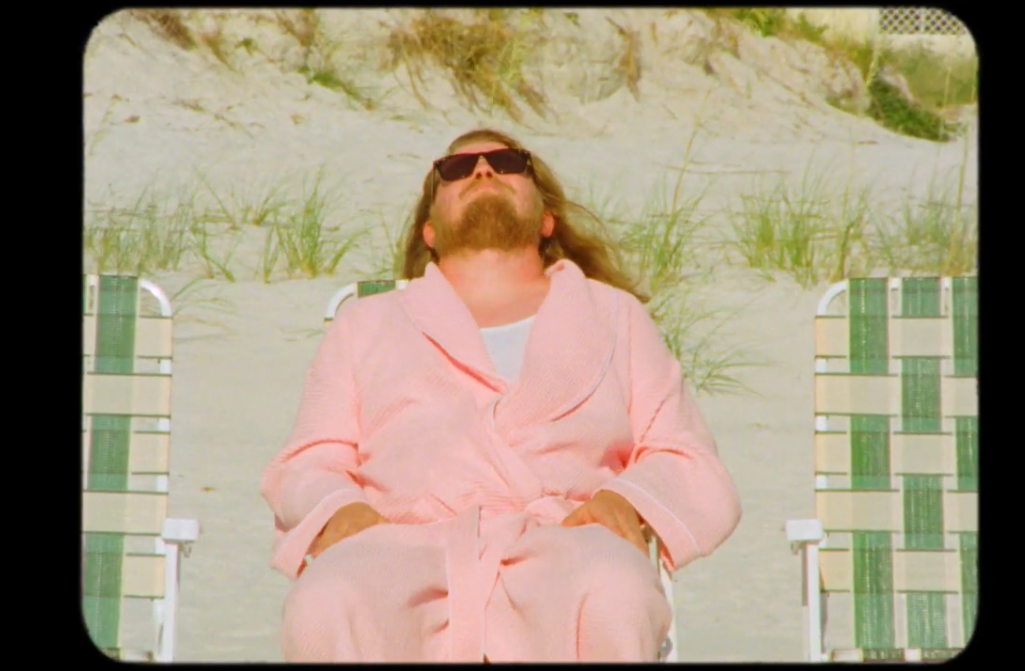
Directed by Dylan Melcher and written by Matthew Walker, the story follows Kris (Kristofer Atkinson), Jay (Walker), and Zee (Zach Howard) as they attempt to escape the weight of their everyday lives. The trip is supposed to be simple, restorative, maybe even fun. Instead, it becomes a series of cosmic detours, emotional revelations, awkward encounters, and conversations that feel deeply lived in. The film captures the strange phenomenon of trying to convince yourself you are having a good time while life quietly reshapes you in the background.
Visually, Jellyfish Season benefits immensely from its choice to shoot on film. The grain, the warmth, and the imperfections give even the most mundane moments a sense of intimacy and presence. In many ways, it feels shot on 16mm and bursting with heart, capturing the messy, bittersweet beauty of growing up with the people who know you best. Dylan Melcher’s direction shows a clear understanding of framing and blocking, allowing scenes to breathe while subtly guiding the viewer toward emotional beats that land without feeling forced.
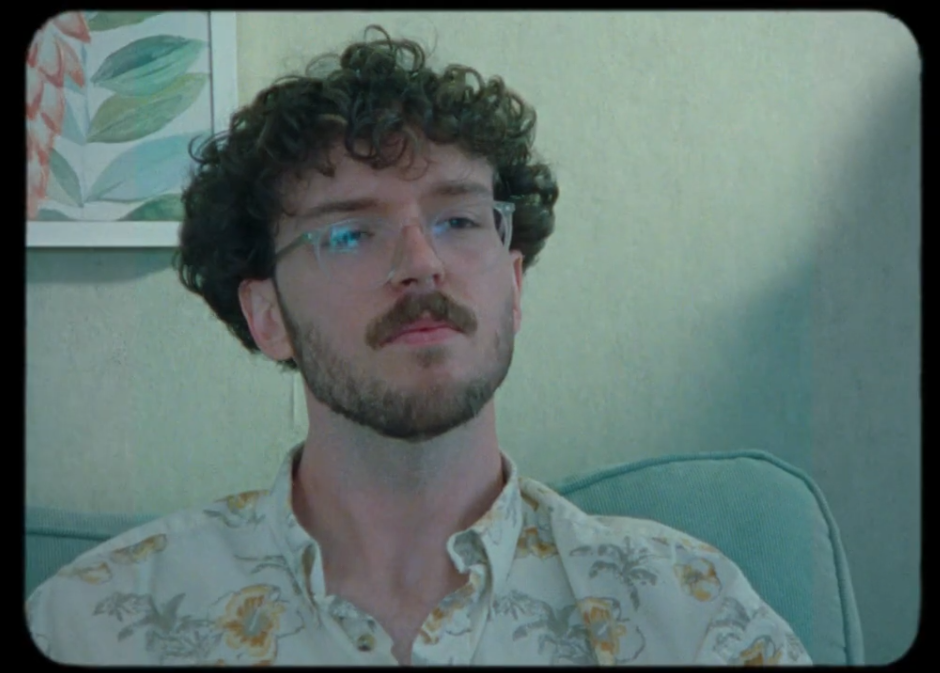
Performance-wise, the film thrives on chemistry. Kristofer Atkinson delivers standout comedic timing, grounding the film with an honesty that feels instantly recognizable. His reflections on the beach, and how you never really leave it once you have been there, linger long after the scene ends. Walker, meanwhile, shines through reaction and expression, often letting discomfort and silence do the heavy lifting. There is an especially relatable awkward bar interaction that feels almost too real, the kind of moment everyone has lived through but rarely sees captured with this much empathy.
Tonally, the film is patient and unpredictable. It is a slow-burning buddy comedy that starts grounded and only gets weirder, funny, cosmic, and unexpectedly profound. Characters debate what makes a good film in moments that feel both meta and authentic. Running gags, like Zee repeatedly being mistaken for someone named Yuki, lean into the absurd without ever breaking the film’s emotional rhythm. There are animated sequences, alien encounters on the beach, and a surreal putt-putt golf showdown, all stitched together with clever editing that elevates everyday moments into something memorable.

Despite its episodic, almost anthology-like structure, each character drifting through their own strange journey, the film never loses sight of its emotional core. Each thread ultimately connects, reinforcing the bond between the three friends and the unspoken love that holds them together. By the time the film reaches its playful, expansive payoff, it feels like the best friends you did not know you needed, chasing meaning, love, and aliens on a Florida beach.
Ultimately, Jellyfish Season is sincere in a way that feels increasingly rare. It is thoughtful, weird, funny, and deeply human. A true labor of love that embraces both the beauty and the awkwardness of friendship. As it makes its festival debut ahead of its Florida premiere in Spring 26, the film stands as a reminder that sometimes the most meaningful journeys begin when you stop trying so hard to escape and let the tide carry you somewhere unexpected.
Jessie Hobson