
There is something immediately disarming about Shelby Oaks. It opens with that grainy, mockumentary chill that found footage sickos like me mainline without shame. The kind of setup that feels less like a movie and more like a late-night YouTube rabbit hole you regret clicking on but cannot stop watching. Chris Stuckmann clearly understands that texture. The first twenty minutes play like a love letter to The Blair Witch Project, tapping into that uniquely unsettling space where absence, memory, and bad recordings do most of the heavy lifting.
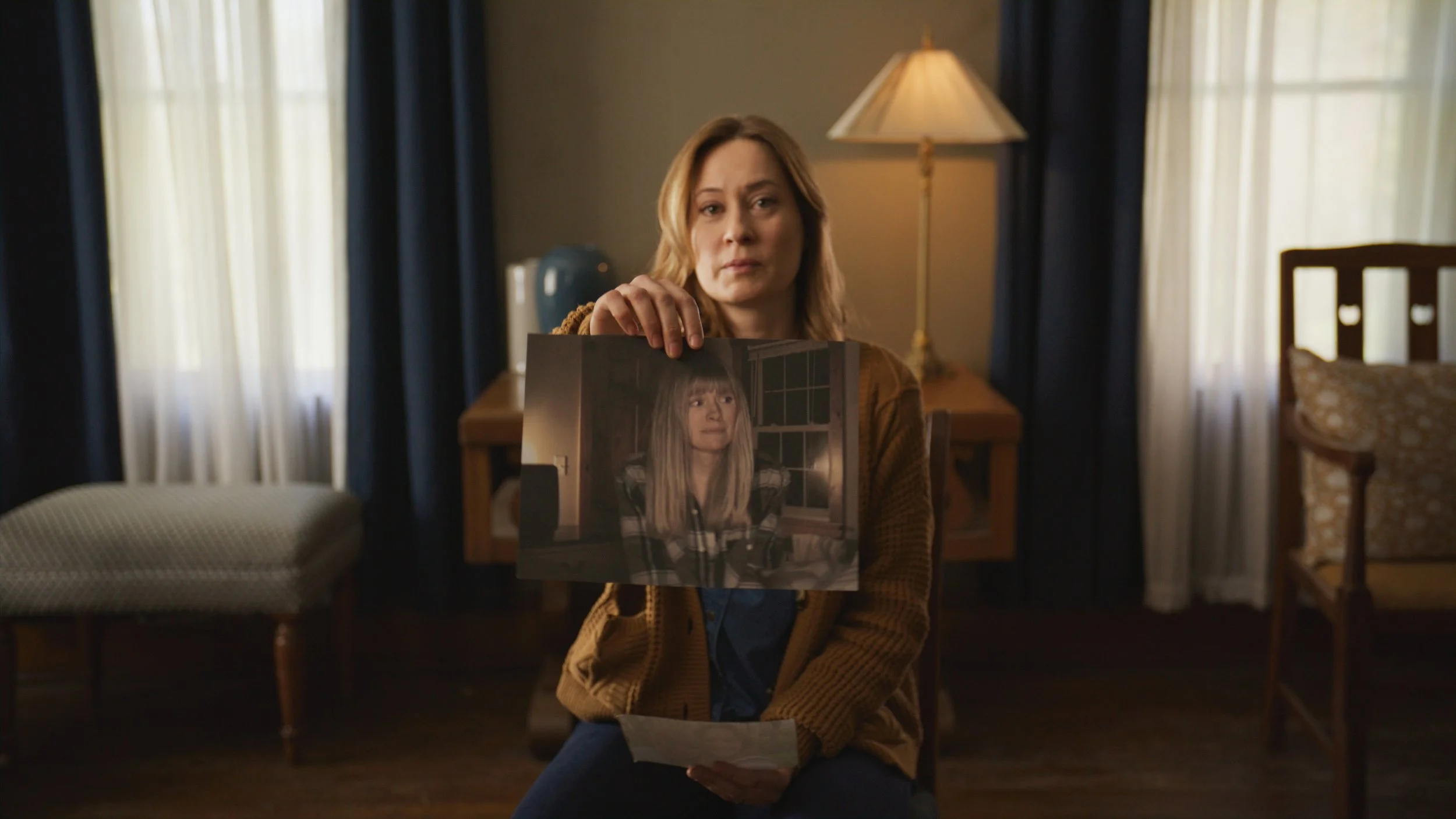
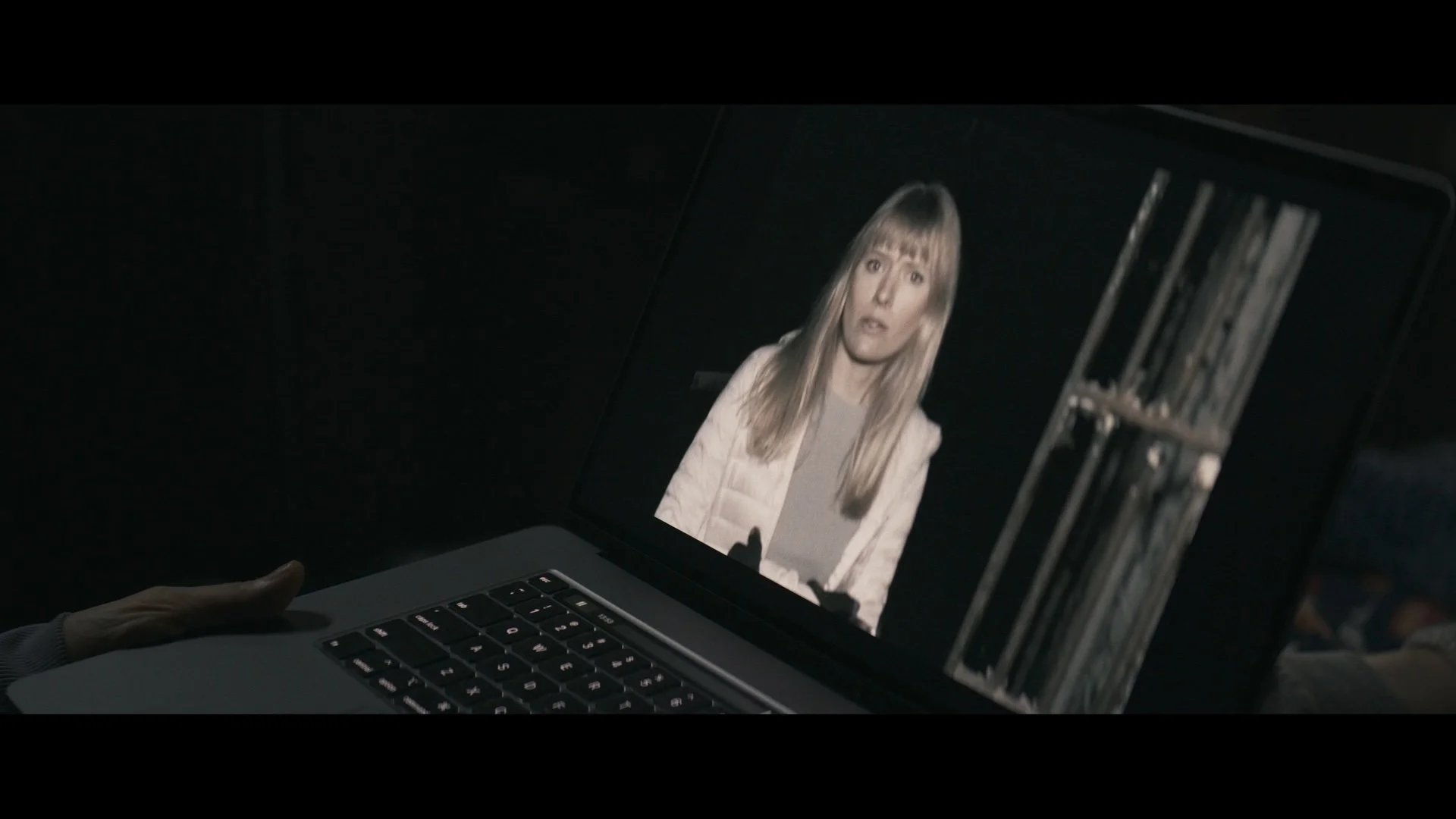
The premise is simple and effective. A woman searches for her long-missing sister and slowly realizes that the childhood demon they once invented might not have been imaginary after all. It is a strong hook, and Stuckmann wisely leans into the investigation early on. The mockumentary framing pulls you in fast, and the discovery process feels tactile and participatory. You are not just watching clues stack up; you feel like you are uncovering them alongside the film. Those early investigative stretches are easily the movie’s strongest material and where Shelby Oaks feels most confident.
Formally, the film is at its most interesting when it starts blending media. Found footage bleeds into more traditional narrative filmmaking, surveillance-style clips, and faux archival material. It is unnerving and occasionally inspired. When the film works, it really works. There are several suspense sequences that are genuinely effective, including at least one jump scare that caught me completely off guard. Stuckmann understands tension and how to stretch it until the audience is squirming. That skill is undeniable.
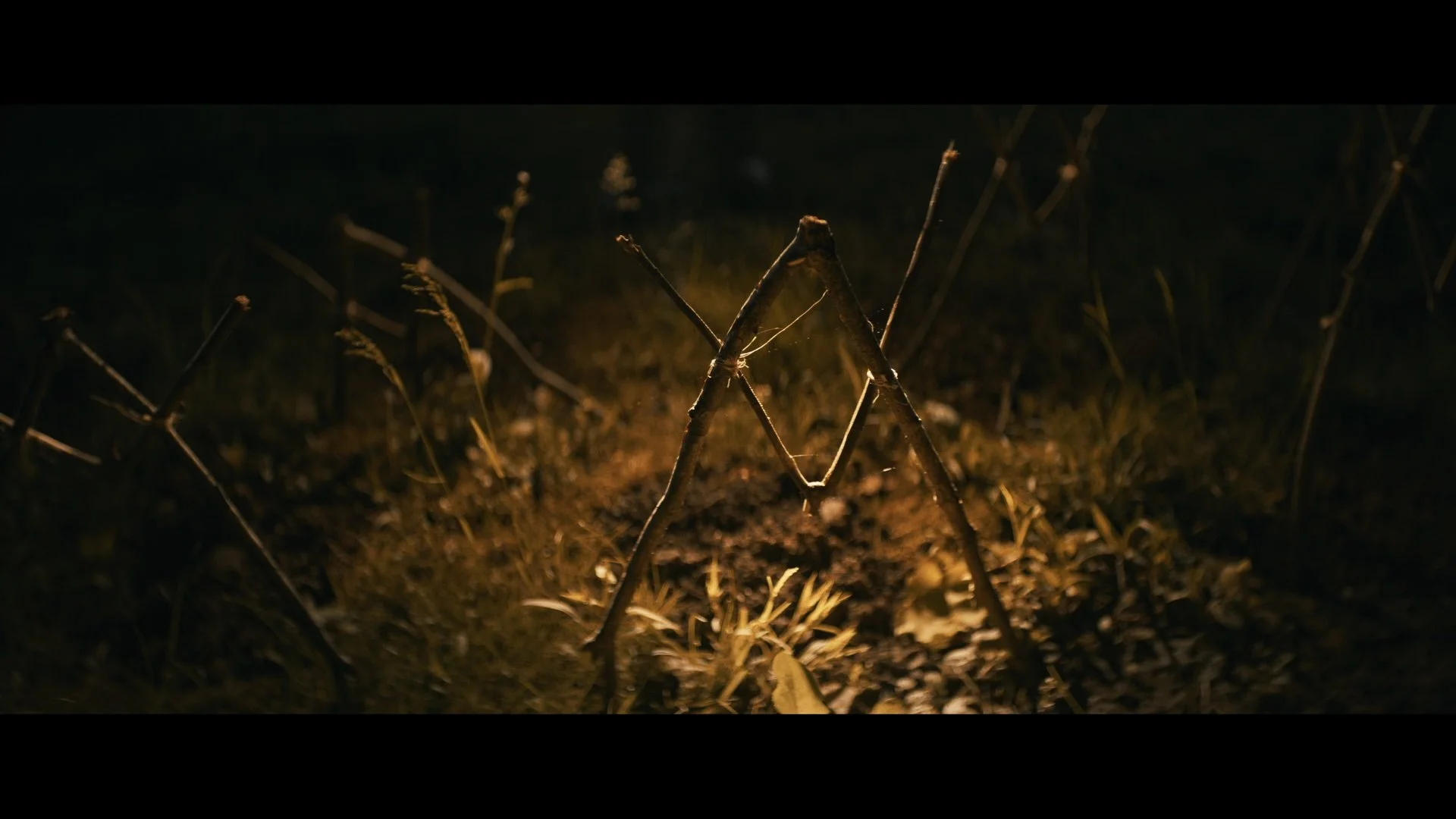
The production design deserves real credit, too. There is an old house that becomes central to the investigation, and it looks absolutely rancid in the best way. Mold crawling up the walls, damp air you can practically smell through the screen. The longer Mia walks through it, the more you feel your own lungs tightening. That environment does a lot of atmospheric heavy lifting and sells the rot at the center of the story.
Camille Sullivan anchors the film with a grounded, committed performance that keeps things from floating away entirely. Robin Bartlett, as a deeply unsettling old woman, is a standout. Her presence carries a quiet menace that persists even beyond the frame. Keith David shows up and is perfectly fine, though the role itself feels interchangeable. It is hard not to feel like his presence is more about gravitas than necessity.
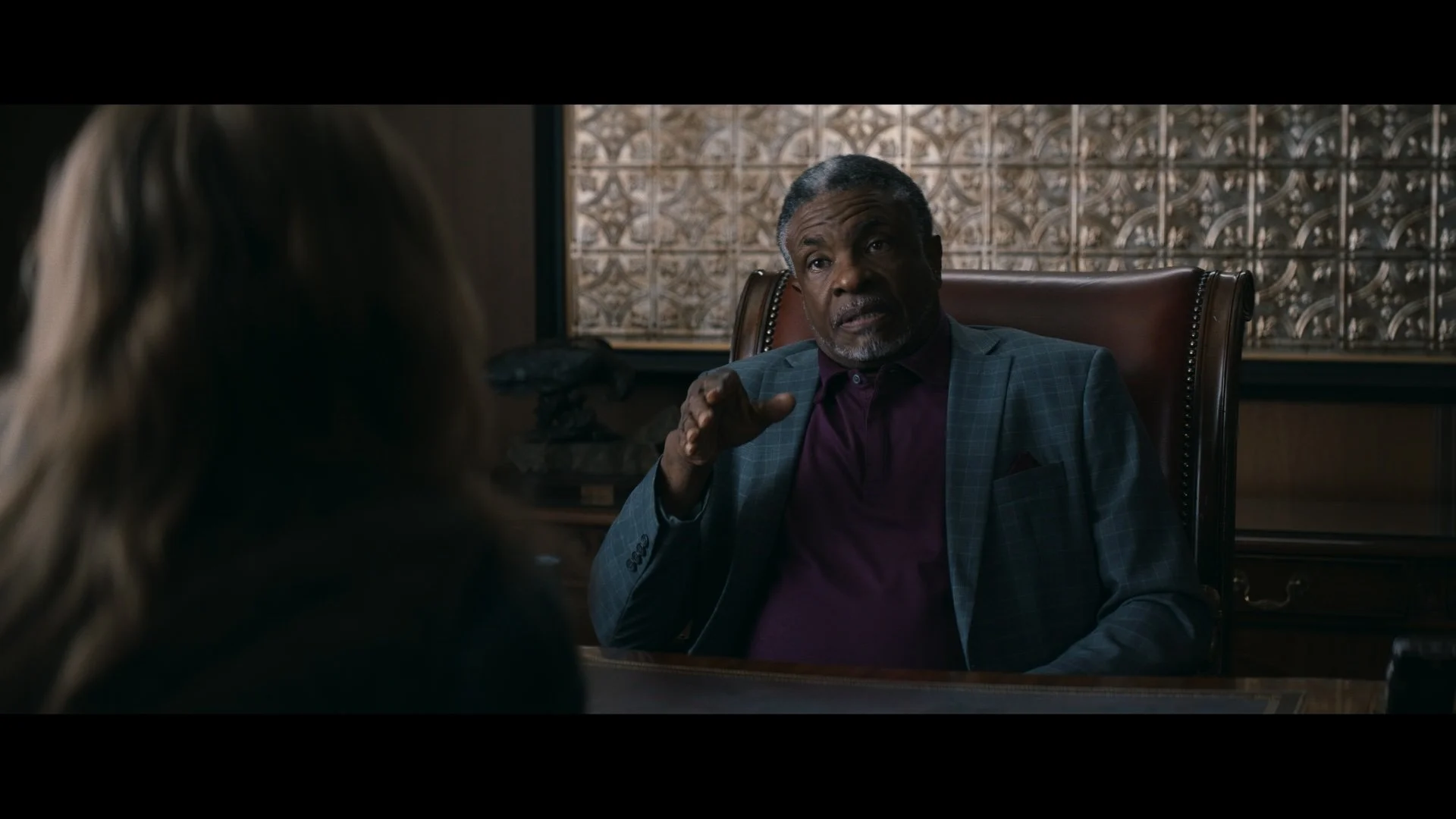
Where Shelby Oaks starts to wobble is when the investigation accelerates a little too cleanly. The sister solves a mystery that has stumped police and countless others with alarming ease. One night of digging and suddenly everything falls into place. It is not a dealbreaker, but it does chip away at the believability that the first act works so hard to establish.
Then there is the third act. After a bold formal shift around the thirty-minute mark that initially feels exciting, the film slowly drifts into familiar horror territory. It becomes louder, more jump scare-driven, and less cohesive. The final ten minutes are rough. Not catastrophic, but messy enough to leave a sour aftertaste. The movie does not completely collapse, but it does lose the eerie restraint that made its opening so compelling.
That said, the home release gives Shelby Oaks a second life that genre fans will appreciate. NEON’s physical rollout is stacked. The Blu-ray and DVD release is loaded with bonus features that feel less like marketing fluff and more like a genuine peek behind the curtain. Multiple making-of episodes, director commentary, mockumentary extensions, hidden extras, and supplemental tapes make this feel like a movie that wants to be studied as much as watched. For a film born out of crowdfunding and community hype, that level of care in the physical release feels earned.
Ultimately, Shelby Oaks is not a fully cohesive film, but it is often an effective one. The opening is excellent, the scares mostly land, and the atmosphere is thick enough to choke on. It loses its way in the final stretch, but it never loses its heart. You can finally see why Chris Stuckmann stepped out from behind criticism and into the chaos of actually making a movie. It is hard, it is messy, and sometimes it does not work. But when it does, it is spooky as hell.
Nothing extraordinary, but a solid time at the movies. And honestly, I would watch Stuckmann make a pure found footage movie in a heartbeat.
Jessie Hobson