
There is something eternally appealing about a good animal attack movie. Put people in the wilderness, add bad decisions, stir in teeth and claws, and let nature do the rest. Grizzly Night arrives looking like it wants to sit comfortably in that tradition, but what it ultimately delivers is something a little stranger, a little heavier, and far more grounded than its marketing might suggest.
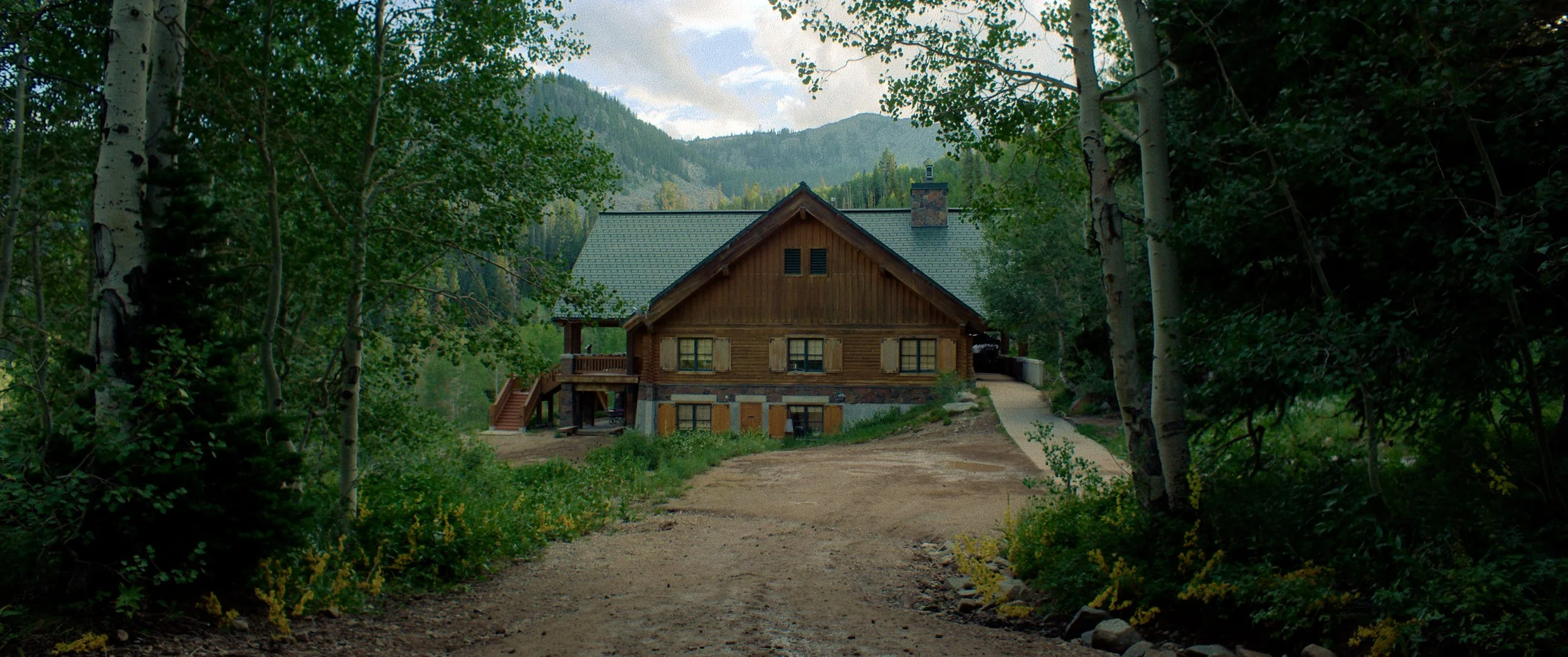
Based on the true events of one horrifying night in 1967, Grizzly Night reconstructs two separate grizzly bear attacks that occurred nine miles apart in Montana’s Glacier National Park. Directed by Burke Doeren in his feature debut, the film opts for a chronological, almost procedural approach, showing how small human missteps around food storage, campsite placement, and sheer overconfidence slowly stack the deck toward disaster. This is not a movie about bears suddenly going rogue. It is a movie about people underestimating the wilderness and paying a brutal price.
The cast is surprisingly stacked for a modestly scaled survival thriller. Genre mainstays like Oded Fehr and Charles Esten lend the film a sense of gravitas, while familiar faces like Josh Zuckerman show up and make strong impressions. Zuckerman, in particular, is a pleasant surprise, delivering a grounded performance that plays well against the escalating tension. Brandon Ray Olive also shines in a role designed to make your skin crawl, nailing the kind of smug arrogance that feels ripped from real life.
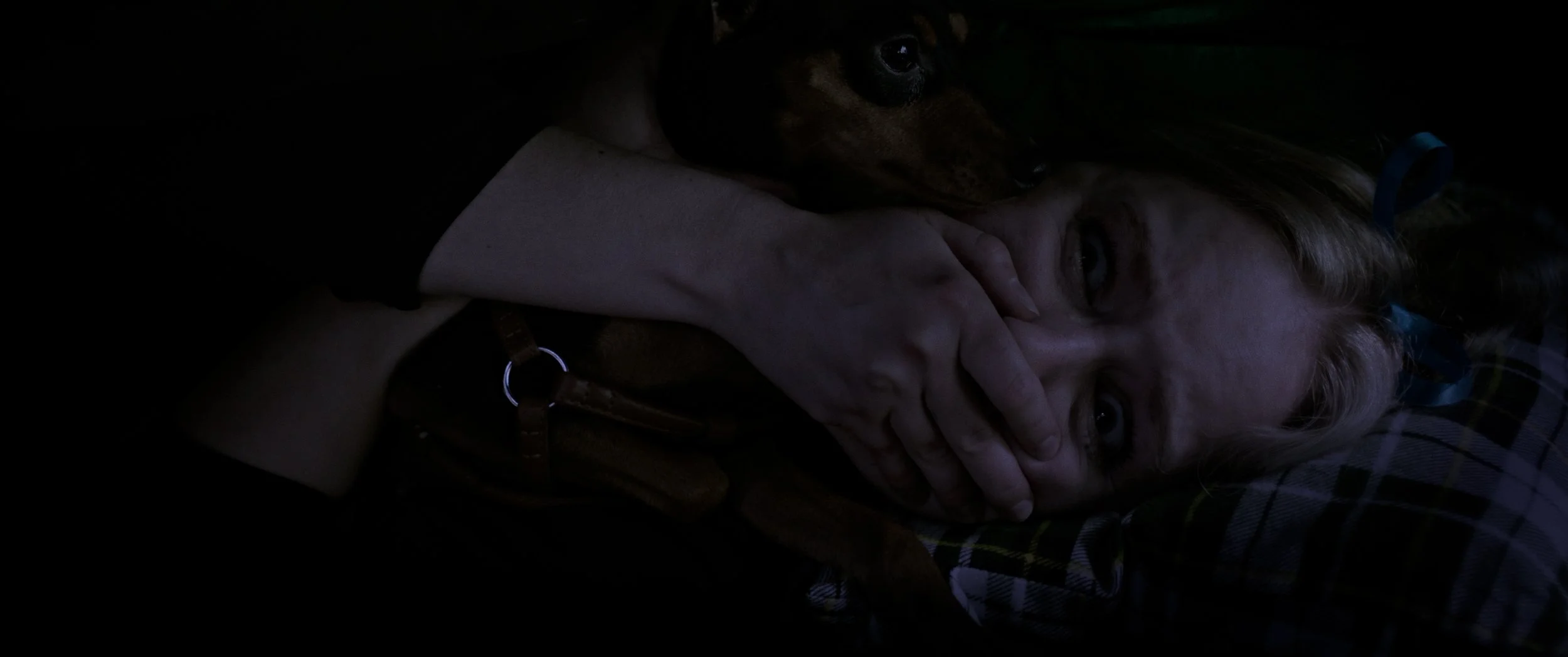
The standout, though, is Brec Bassinger. When the film finally lets the bears loose, her performance is genuinely harrowing. She does not just scream and flail. She wheezes, collapses, and carries the physical and emotional aftermath of the attack in a way that feels disturbingly real. There is a rawness to those scenes that elevates the film well beyond disposable creature-feature territory.
Once the attacks begin, Grizzly Night does not pull its punches. The violence is sudden and ugly, and the aftermath is often worse than the attack itself. Practical effects are used to unsettling effect, including one moment involving an injured body being moved that is so gross it is almost impressive. The film understands that sometimes suggestion and consequence are more effective than constant on-screen carnage, and the result is a handful of sequences that will make you squirm and look away.
There are also unexpectedly powerful quiet moments. A rushed baptism performed by Father Connolly in the midst of chaos lands with surprising emotional weight, grounding the horror in human fear and faith rather than spectacle. These scenes reinforce that Grizzly Night is more interested in the human cost of the tragedy than in turning bears into movie monsters.
Visually, the Montana landscape does a lot of heavy lifting. The sweeping wilderness is undeniably beautiful, which only sharpens the contrast when things go wrong. There are some old-school touches, too, including the use of real bears and a few day-for-night shots that give the film a slightly throwback feel. It adds to the authenticity, even if it occasionally draws attention to the film’s budgetary limits.
Not everything works smoothly. The audio is uneven in spots, with background noise creeping into moments where it should not be. Credit where it is due, the audio mixer clearly did everything possible to salvage the material, and most viewers will likely never notice. If you are paying close attention, though, it can be a little distracting.
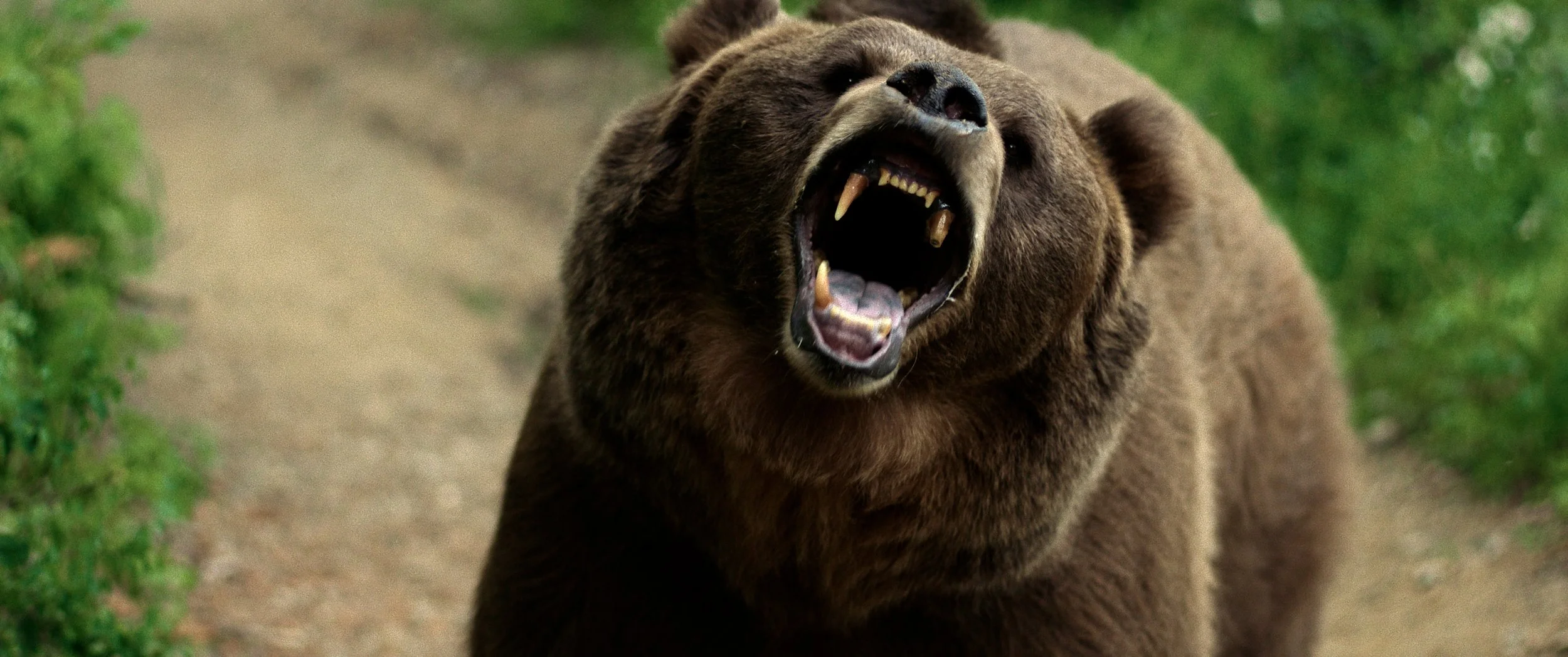
The biggest sticking point for some will be expectations. Despite the posters and trailers, Grizzly Night is not a full-throttle animal attack horror movie. It is a dramatic reenactment of real events, more concerned with tension, consequence, and responsibility than body count. That does not make it ineffective, but it does mean viewers going in expecting a fun, pulpy bear rampage may come away disappointed.
Taken on its own terms, Grizzly Night is a solid and often unsettling film. It works best as a cautionary tale, a reminder that nature does not bend to human confidence or convenience. In an era where people seem far more likely to take selfies with wildlife than respect it, that message lands harder than expected. It may not be the bear movie you think you are getting, but it is a thoughtful, gruesome, and occasionally powerful look at what happens when the wilderness pushes back.
Jessie Hobson