
There is a genuinely solid movie buried inside The Confession. The problem is getting to it without losing patience along the way.
Written and directed by Will Canon, The Confession opens on an immediately unsettling note. Naomi Riley, a recently widowed musician, returns to her childhood home in the deeply judgmental town of Elbe, Texas, hoping to record an album while reconnecting with her nine-year-old son, Dylan. Her father, Pastor Arthur Riley, drowned himself years earlier, and the house still feels thick with his absence. That unease sharpens when Naomi discovers a cassette tape in the attic. On it, her father calmly describes committing a murder, framing the act as a necessary defense against an unnamed evil force.
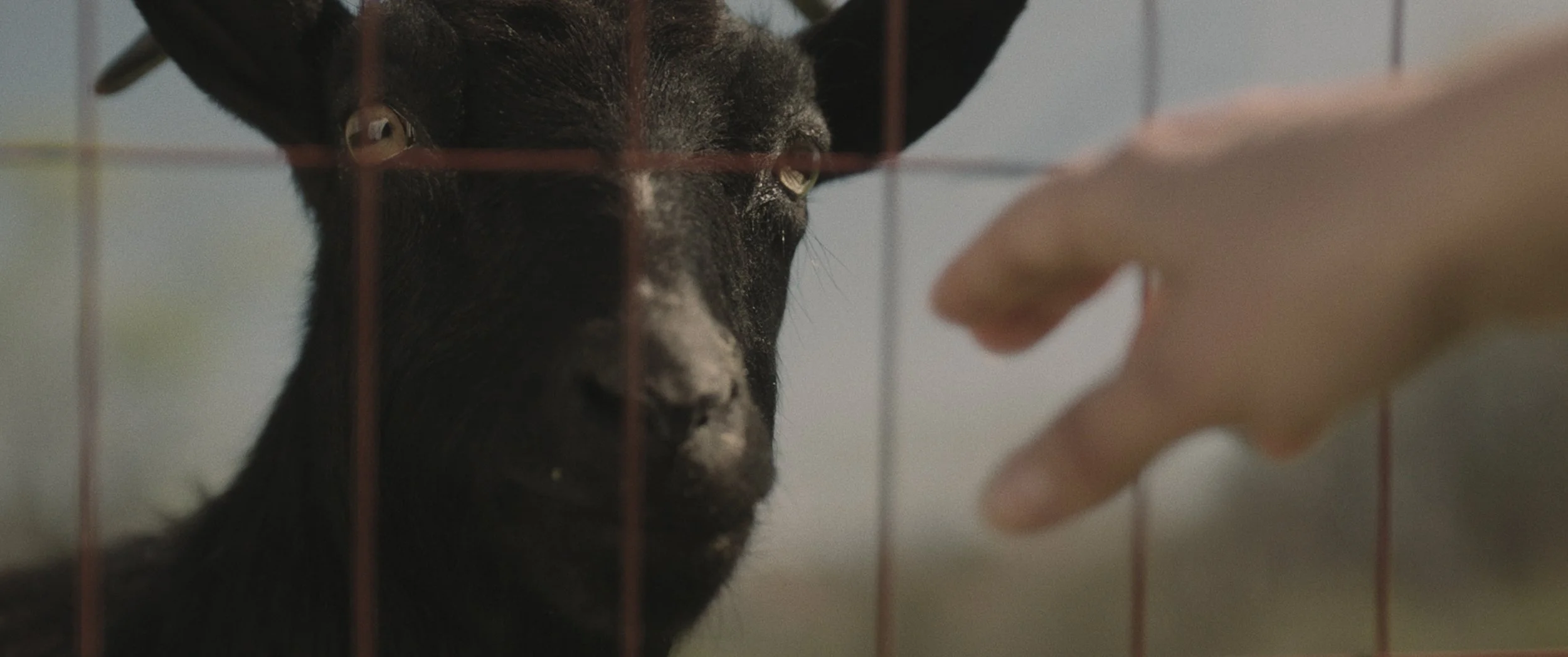
It is a simple, loaded premise, one that flirts with questions about inherited guilt, moral justification, and the way violence is often repackaged as righteousness. For a while, the film leans into that discomfort effectively. As Naomi listens, the past stops being theoretical and starts bleeding into the present, especially through Dylan’s increasingly disturbing behavior. The setup works. It is creepy. It hooks you fast.
Italia Ricci carries most of that early momentum. She has an interesting screen presence that keeps you invested even when the script starts to wobble, and her performance does a lot of heavy lifting. There is a sense of real fear and exhaustion in her portrayal that fits the material well. Scott Mechlowicz pops up in a supporting role, and yes, it is still a little wild seeing the EuroTrip guy show up in something this bleak.

Unfortunately, once the film moves into its second act, the wheels start to loosen. There is an overwhelming amount of exposition, much of it delivered in ways that stall the pacing completely. What begins as a tight, eerie mystery turns into a slog of explanations that somehow still fail to clarify the story. The film takes a very long time to get where it is going, and when it finally arrives, the payoff does not fully justify the journey.
The rules of the story feel like they are being invented on the fly. Folklore, religious symbolism, Pied Piper mythology, and moral allegory are all thrown into the mix, but they are never cleanly integrated. By the final act, The Confession is not chaotic so much as diluted. What once felt focused becomes scattered, making it difficult to map how the film starts to where it ultimately ends. Even when the movie explains itself, it is hard to fully connect the dots in a way that feels immersive.
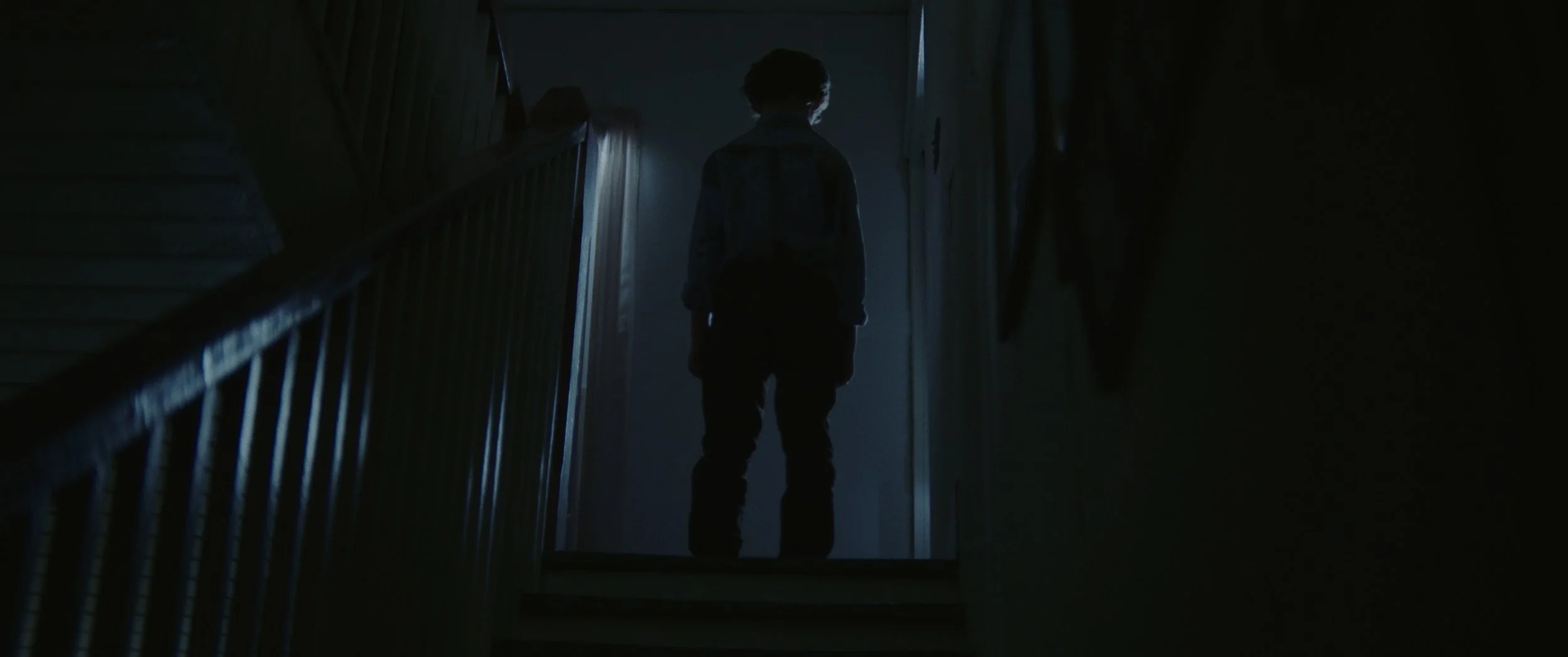
That said, the film is rarely dull to look at. Canon makes several creative visual choices that almost redeem the slower stretches. The sequences set in the woods, in the water, and within dreamlike moments are genuinely effective, showing a director who can create atmosphere when given room. There are plenty of jump scares, some of which work despite leaning heavily on CG. The rats, even when they look like they wandered in from a PlayStation 3 cutscene, manage to be creepy in the right moments.
The ending lands on a bleak note, complete with a decent enough twist, but it does not fully make up for the confusion and uneven execution that comes before it. By the time the credits roll, you can feel how strong this could have been with a tighter script and a clearer sense of direction.
The Confession is a frustrating watch because it starts with real promise. The concept is intriguing. The lead performance is strong. The opening is effective and unsettling. But the execution never quite matches the ambition. There is too much going on, too many ideas competing for attention, and not enough cohesion to pull them together.
Jessie Hobson