
From the jump, The Napa Boys feels like it starts halfway through its own mythology. Not in a clever mystery box way, but in a what did I miss and was I supposed to already love these people kind of way. The movie drops you into wine country with zero patience for orientation, which is either part of the joke or a dare to the audience to catch up or get out of the way.
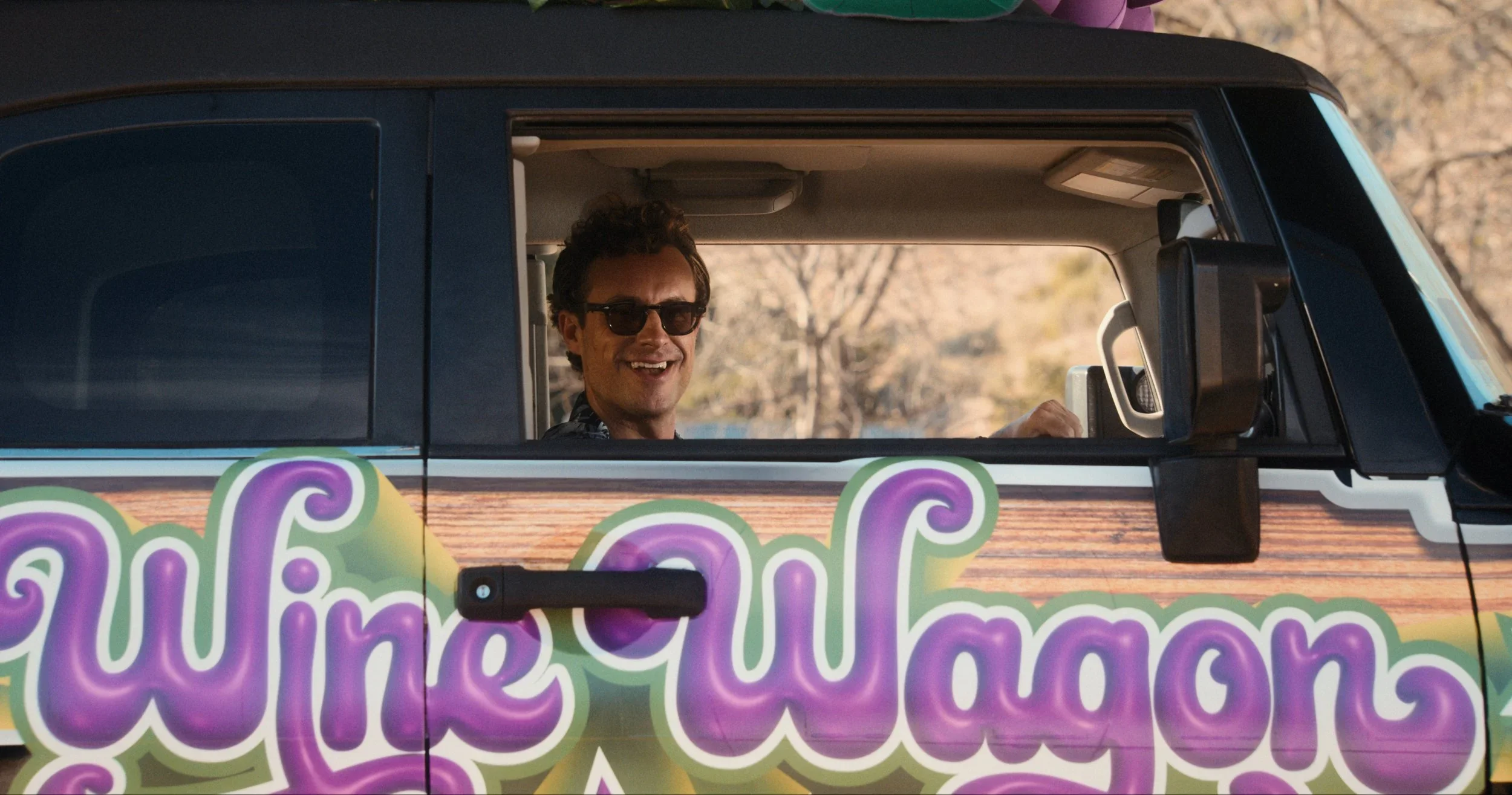
There is no shortage of talent here. In fact, that might be part of the problem. The cast is stacked to the point of distraction, filled with performers I genuinely like and want to spend time with. But the sheer volume of faces, bits, and detours can make the movie feel less like a story and more like a chaotic hangout where everyone keeps jumping in with their own inside joke.
Directed by Nick Corirossi and co-written with Armen Weitzman, The Napa Boys is openly uninterested in traditional structure. Miles Jr. and Jack Jr. stumble into a wine-fueled odyssey guided by DJ Qualls as a mysterious Sommelier, but plot is barely the point. The film operates in episodes, sketches, and vibes. If you are looking for a clean narrative arc, you are probably watching the wrong movie.
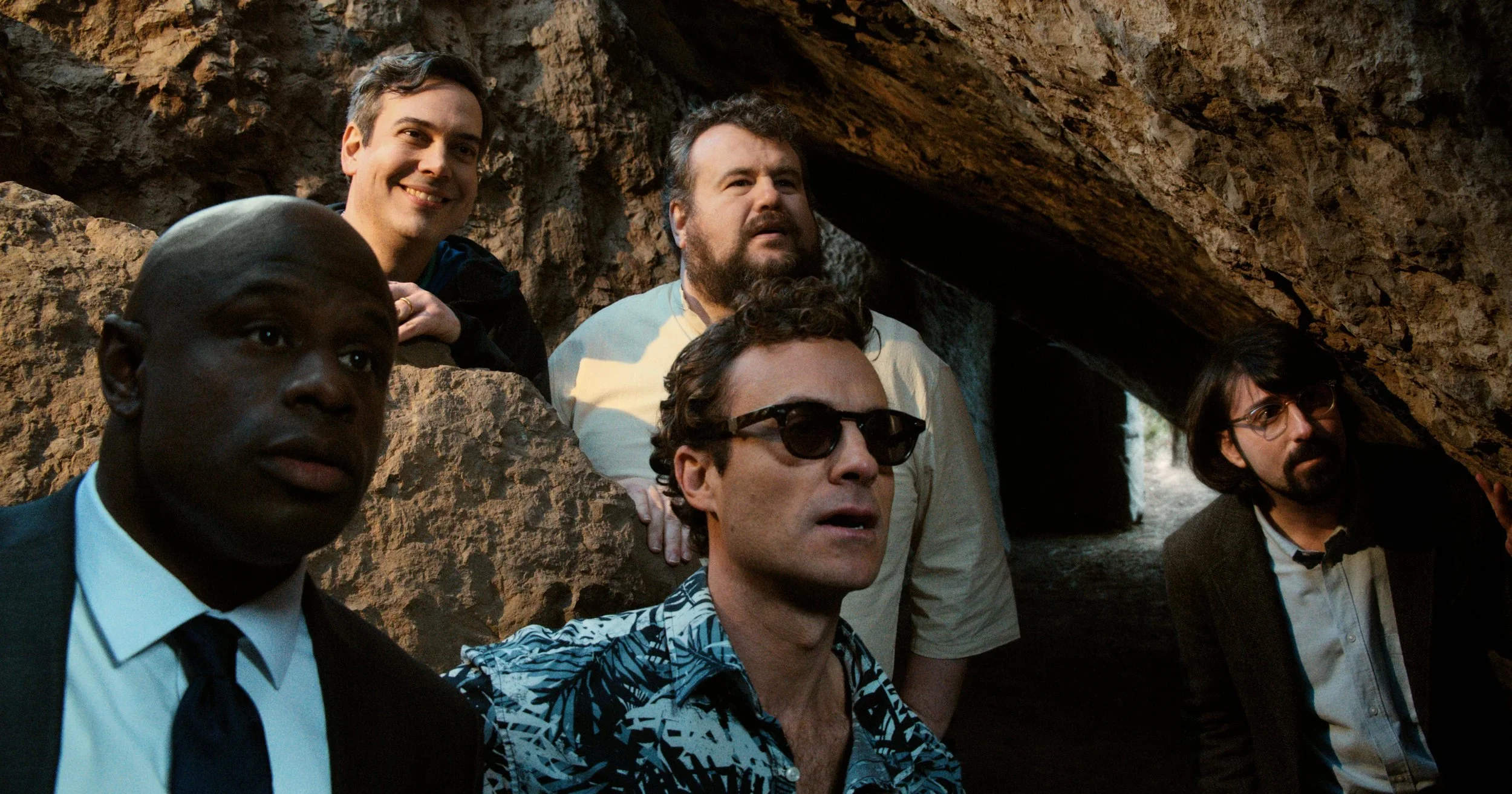
Comedically, it is relentless. There are so many jokes coming at you that it is impossible for all of them to land. Some whiff completely. Others pass so fast you barely register them. But the film’s greatest strength is its refusal to slow down or apologize. When one joke fails, another one is already kicking the door in. Eventually, something hits. Sometimes hard.
One moment that absolutely does is a seduction attempt soundtracked by the Chipmunks. It is dumb, specific, and hilarious. That is the movie in a nutshell. The humor is abstract, committed, and unconcerned with whether you are on the same wavelength yet.
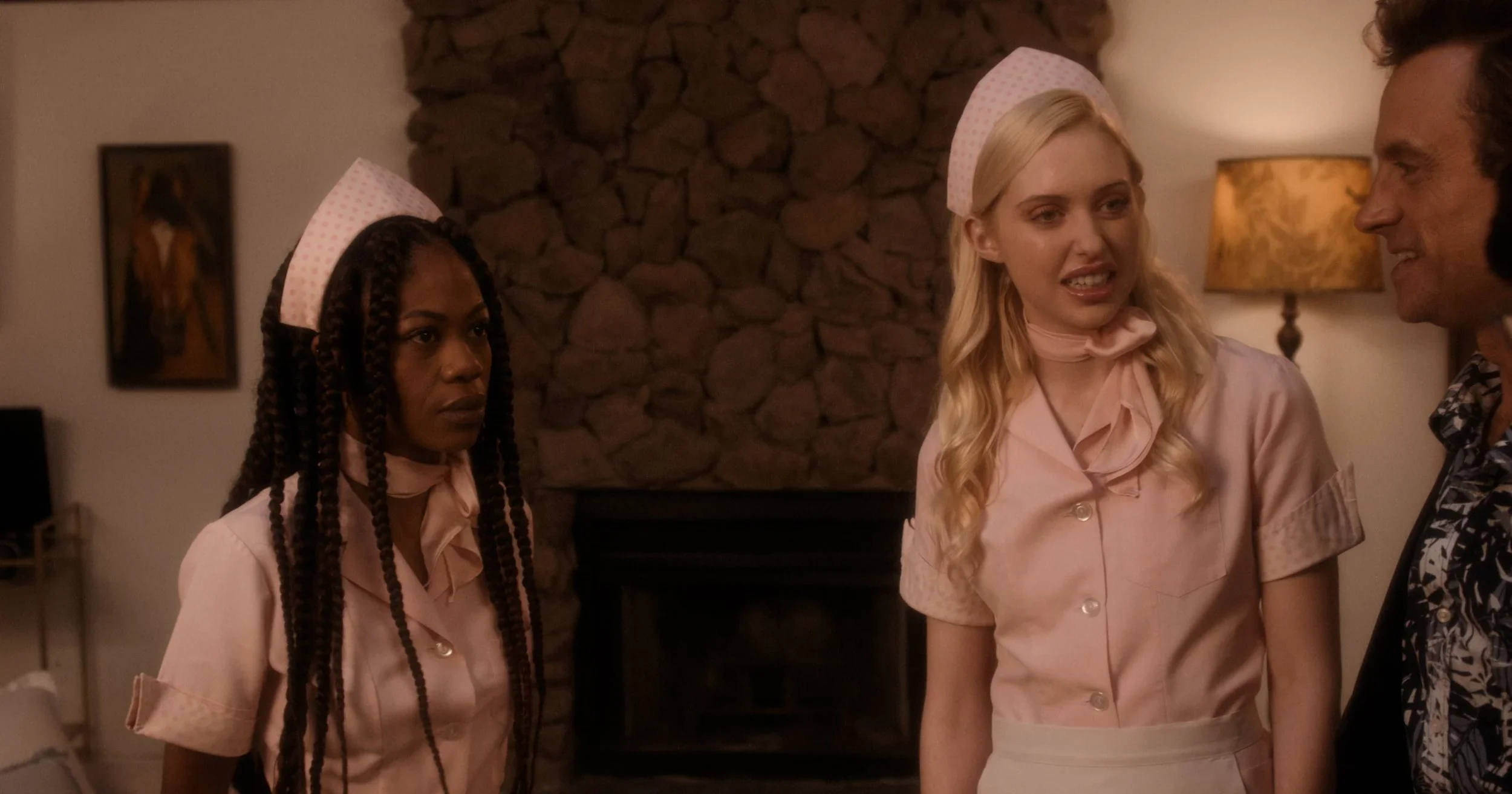
The comparisons are unavoidable. The film clearly wants to do for wine movies what Wet Hot American Summer did for summer camp movies. The difference is that camp films are a shared cultural language, while wine movies mostly begin and end with Sideways. If you do not already know the tropes being skewered, some of the satire may feel like it is aimed at a target you cannot see.
As it goes on, though, the movie finds its rhythm. It gets funnier. Looser. More confident. By the final stretch, it starts to feel less like Wet Hot and more like Mr. Show filtered through a road trip movie, especially once it fully embraces the idea that the Napa Boys are simply wandering through a heightened reality where logic is optional.
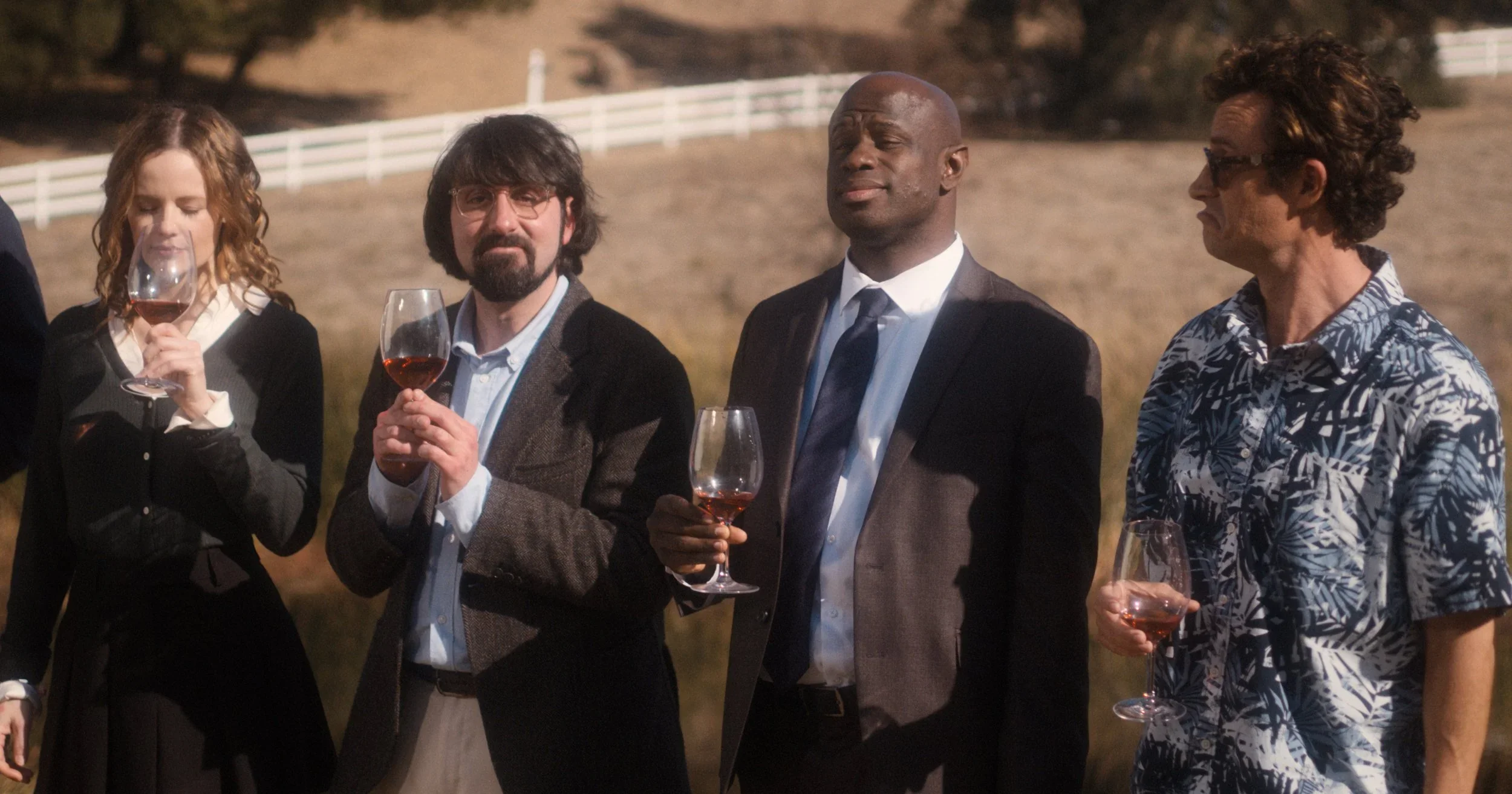
That journey angle is where the Jay and Silent Bob comparison makes sense. Their unexpected appearance feels less like a cameo and more like a thematic handshake. This is a movie about drifting, committing to the bit, and letting the world react to you instead of the other way around.
There are also genuinely great needle drops, including Family Tree, that give the film brief moments of sincerity before it immediately undercuts itself again. Those flashes of grounding help keep the chaos from collapsing under its own weight.
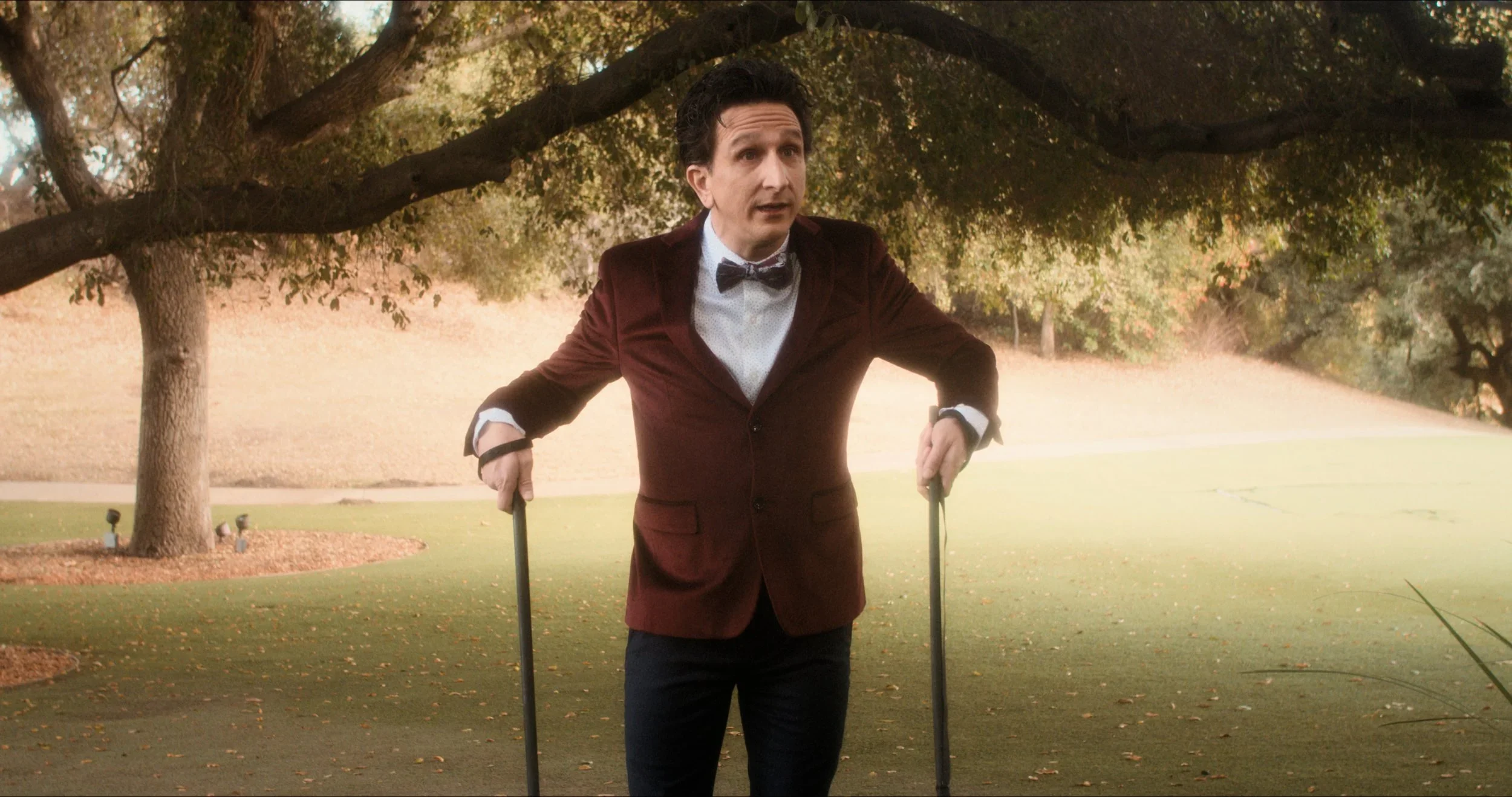
The Napa Boys is not a movie you casually throw on alone. It feels designed to be watched with friends, preferably ones you have known since high school, preferably with some shared history and a tolerance for nonsense. It is aggressively quotable, deeply committed to its own frequency, and oddly confident for something this unhinged.
Does it work all the time? No. Does it feel like you missed a reel or two? Absolutely. But there is something admirable about how fully it commits to comedy as an abstract experience rather than a delivery system for plot.
This is not just a goofy wine parody. It is comedy operating on a surreal level that somehow still meets the current cultural moment. By the end, it feels less like a movie and more like a statement of intent.
Jessie Hobson