
There is something instantly grimy and alluring about Body of Nurses, a late night hospital thriller that leans into paranoia, secrets, and the idea that nothing good ever happens under fluorescent lights at 3 a.m. Directed by Jamie Grefe, the film unfolds almost entirely during a single night shift, using its confined setting to slowly tighten the screws as personal drama curdles into outright horror.
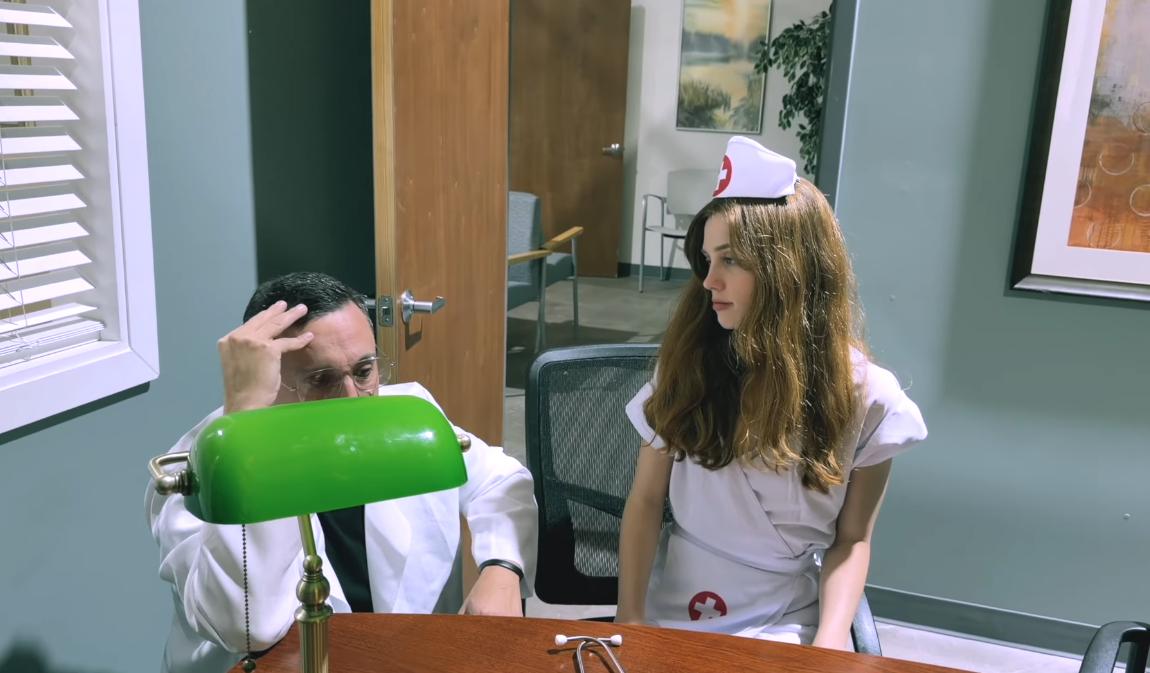
The story kicks off when Dr. Roth, a respected surgeon played by Grefe himself, confesses his feelings for Genevieve, the head nurse portrayed with eerie calm by Jasmine Lynn. That admission sets off a chain reaction of bad decisions and unanswered questions. Roth is married to Barb, played by Tessa Raine with brittle intensity, and his emotional unraveling mirrors the strange events piling up around the hospital. A mysterious “rodent man” lurks in the ER. Bizarre experiments appear to be happening in the east ward. Kelly, a new nurse played by Sofia Papuashvili, suddenly vanishes, and no one seems to agree on whether she was ever really safe to begin with.
What Body of Nurses does best is atmosphere. Cinematographer Rich Mallery gives the hospital a claustrophobic, sickly glow, making every hallway feel like a trap and every closed door feel like a threat. The film thrives on suggestion rather than excess, letting odd details and uncomfortable silences do much of the work. The script piles on questions faster than it answers them, which can be frustrating at times, but it also keeps the tension simmering.
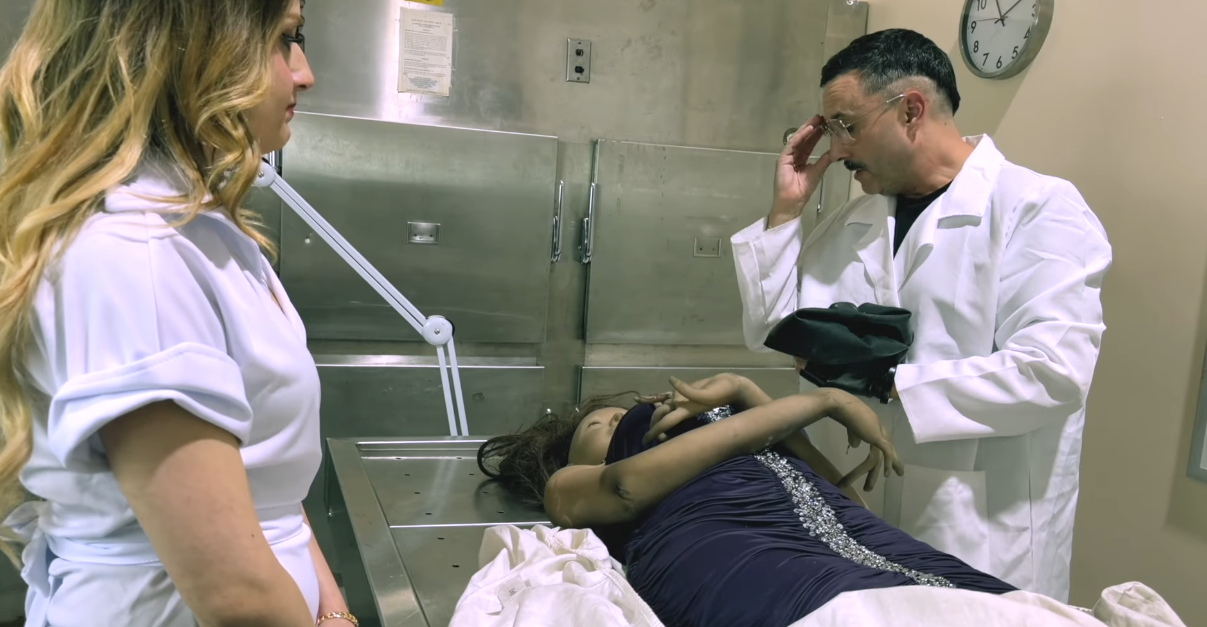
Performance wise, Jasmine Lynn is the standout. Her Genevieve balances warmth and menace in a way that keeps you guessing about her true role in the chaos. Papuashvili brings a fragile unease to Kelly, making her disappearance feel genuinely unsettling, while Raine gives Barb a grounded emotional edge that anchors the more surreal elements. Grefe’s Dr. Roth is intentionally messy and flawed, a man whose personal failings may be as dangerous as anything happening in the hospital wards.
The film does occasionally stumble under the weight of its own mystery, leaving some threads dangling and some revelations feeling more implied than earned. Still, that ambiguity also fits the film’s tone. Body of Nurses is less interested in clean answers than in the creeping sense that something is deeply wrong and has been for a long time.
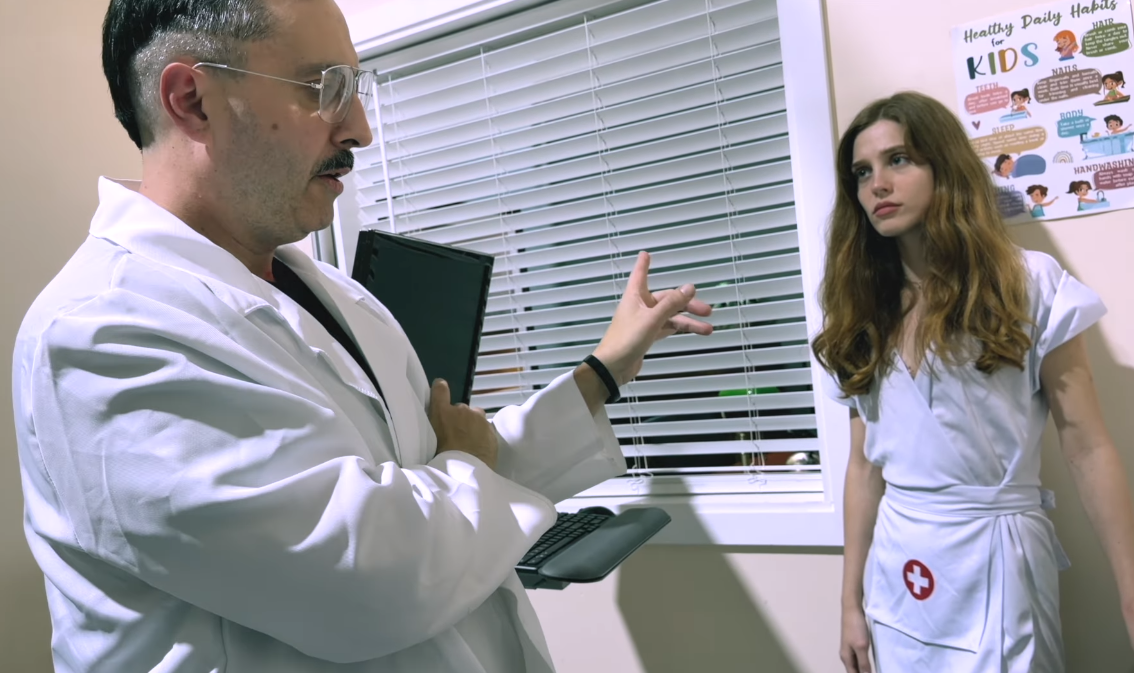
Filmed in Hollywood, California, and produced by Gregory Hatanaka, Jamie Grefe, and Chris Spinelli, Body of Nurses plays like a fever dream of hospital anxieties and forbidden desires. It may not be perfectly stitched together, but its commitment to mood, character driven tension, and late night dread makes it a memorable descent into the darker corners of the night shift.
Jessie Hobson