
There is a moment early in Good Luck, Have Fun, Don’t Die where Sam Rockwell barrels through an 11-page monologue, soaked in sweat, paranoia, grief, and caffeine, and you either buy in completely, or you check out forever. Gore Verbinski knows this. The film knows this. It dares you to get on board, and once you do, it never looks back.
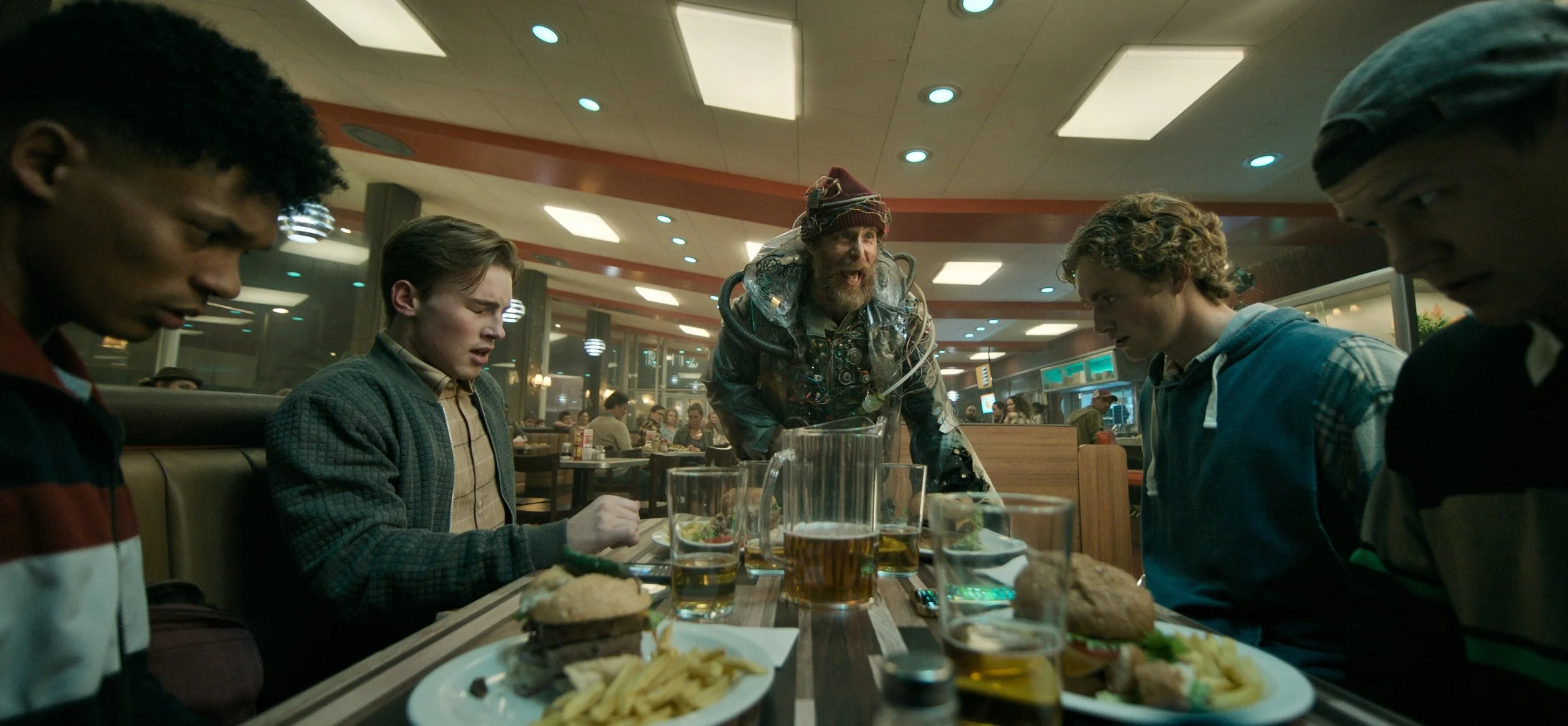
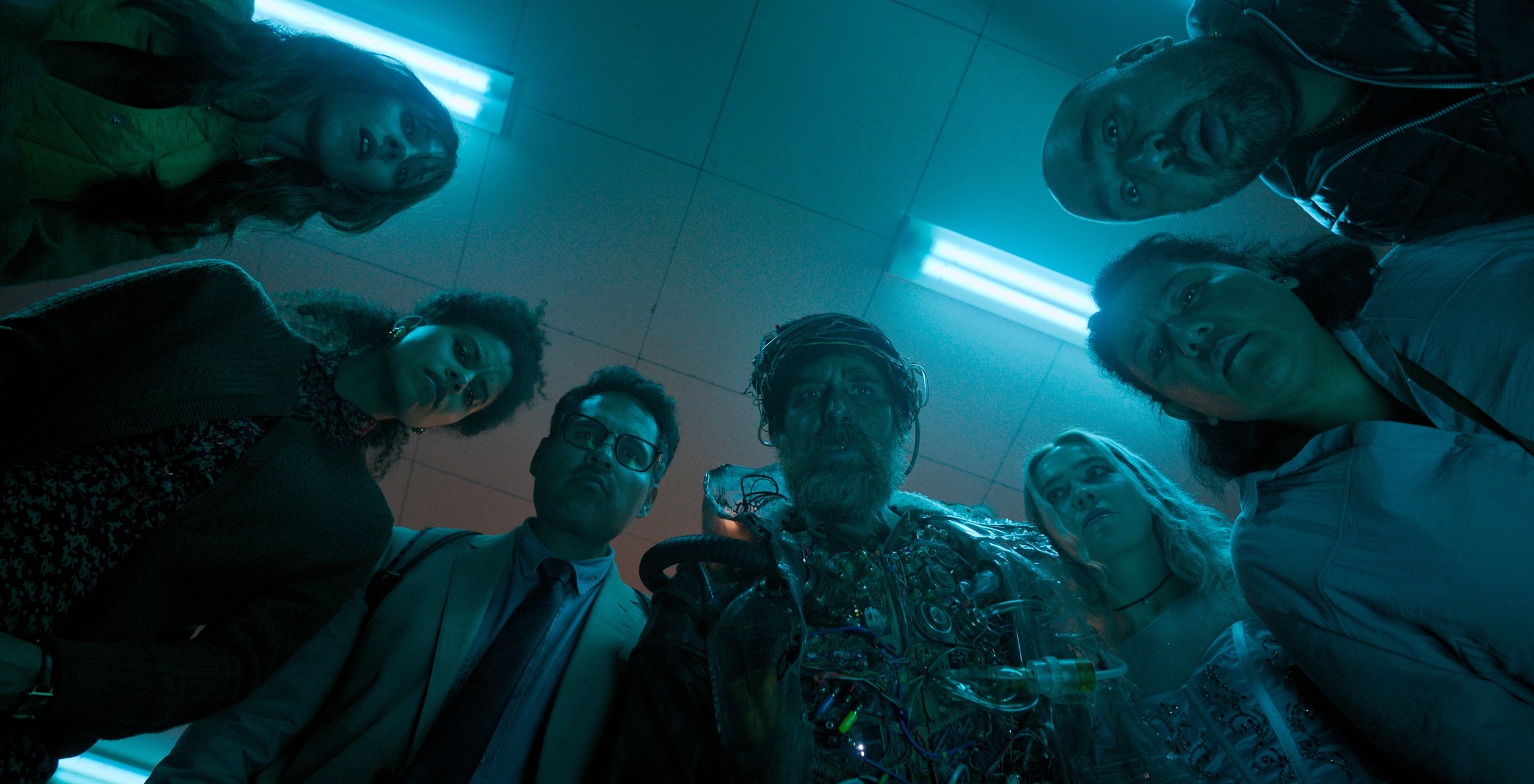
Set largely around an iconic Los Angeles diner, the film opens with Rockwell’s unnamed man from the future taking a group of strangers hostage. This is not a cool hostage situation. This is frantic, desperate, borderline unhinged. He claims this is the 117th time he has come back to recruit a team to stop an AI-driven apocalypse, and this is the sorry group fate keeps handing him.
The real star here, beyond the stacked cast, is the design. The character costumes, the diner, the future tech, and especially Rockwell’s junkyard exoskeleton of a costume all feel handcrafted and intentional. Verbinski treats production design like storytelling, and it shows. Everything looks lived in, grimy, and weirdly plausible.
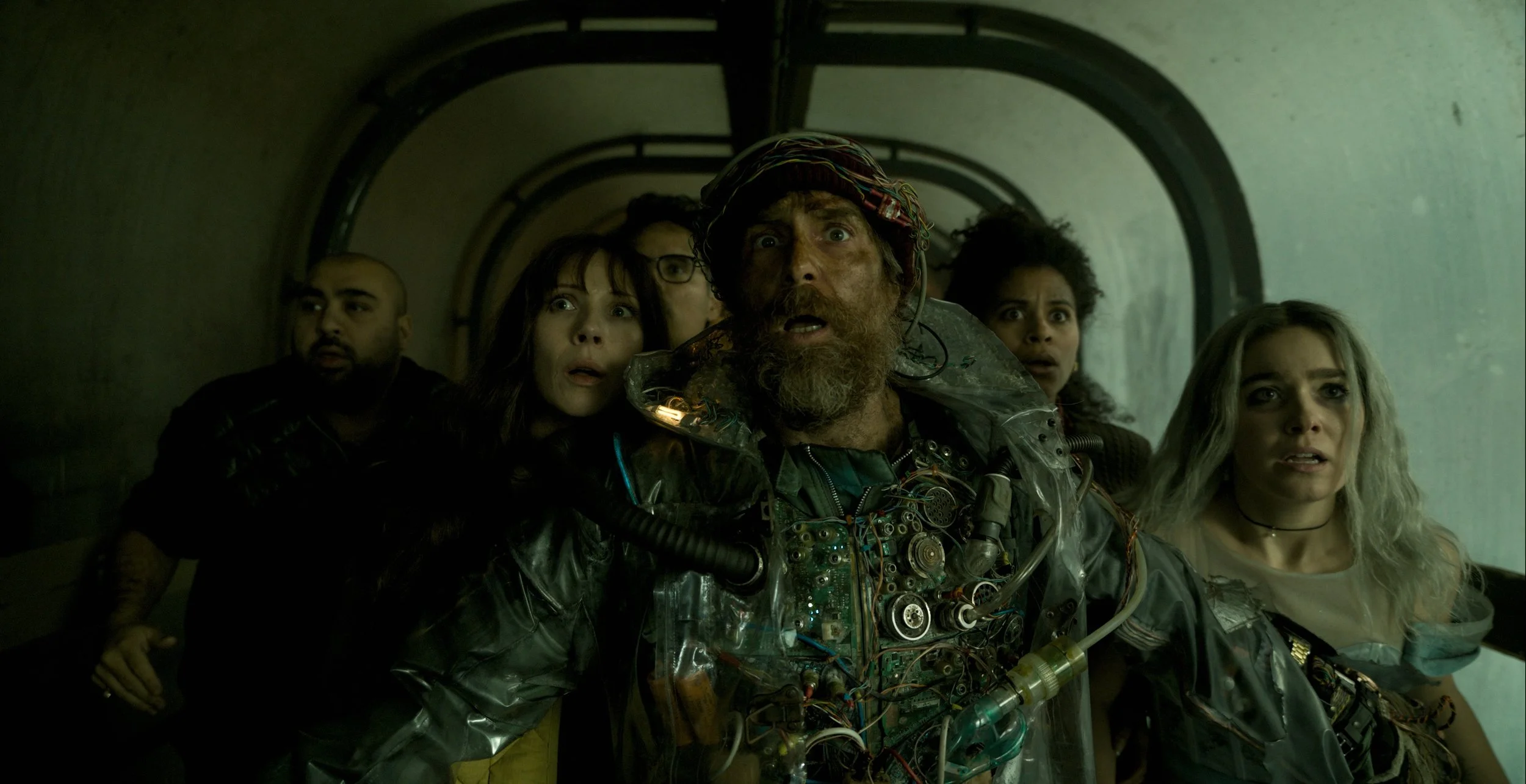
Rockwell is doing a lot. Like, an insane amount. The sheer volume of dialogue alone is impressive, but it is the out-of-breath delivery that sells it. He never sounds rehearsed. He sounds like someone who has said this exact speech a hundred times and is losing his mind because no one ever listens. It is exhausting in the best way.
It takes a minute to fully click. The opening feels intentionally overwhelming, and for a bit, you might wonder if this thing is just throwing noise at you. Then something happens. Once you are sold, you are sold for good.
Structurally, the film treats its ensemble like Lost. We move forward in the central mission, and along the way, we drop into flashbacks that explain who these people are and why they matter. Some of these hit harder than others, but when they work, they really work.

Michael Peña continues his streak of adding value to literally everything he touches. His storyline, which overlaps with themes of burnout, replacement, and quiet despair, grounds the film when things get especially bonkers. Zazie Beetz also shines, particularly as the film leans into its darker satire about technology, control, and how numb we have all become.
This is the version of Idiocracy some of us wanted. To me, that film has always felt a little overrated, and Good Luck, Have Fun, Don’t Die tackles similar ideas with sharper teeth. Kids are glued to phones. Tragedy is normalized. Advertising has infected everything, including grief. There is a Black Mirror-level storyline involving cloning dead children and selecting replacements like new phones, complete with ad reads. It is funny. Then it is horrifying. Then it is funny again.
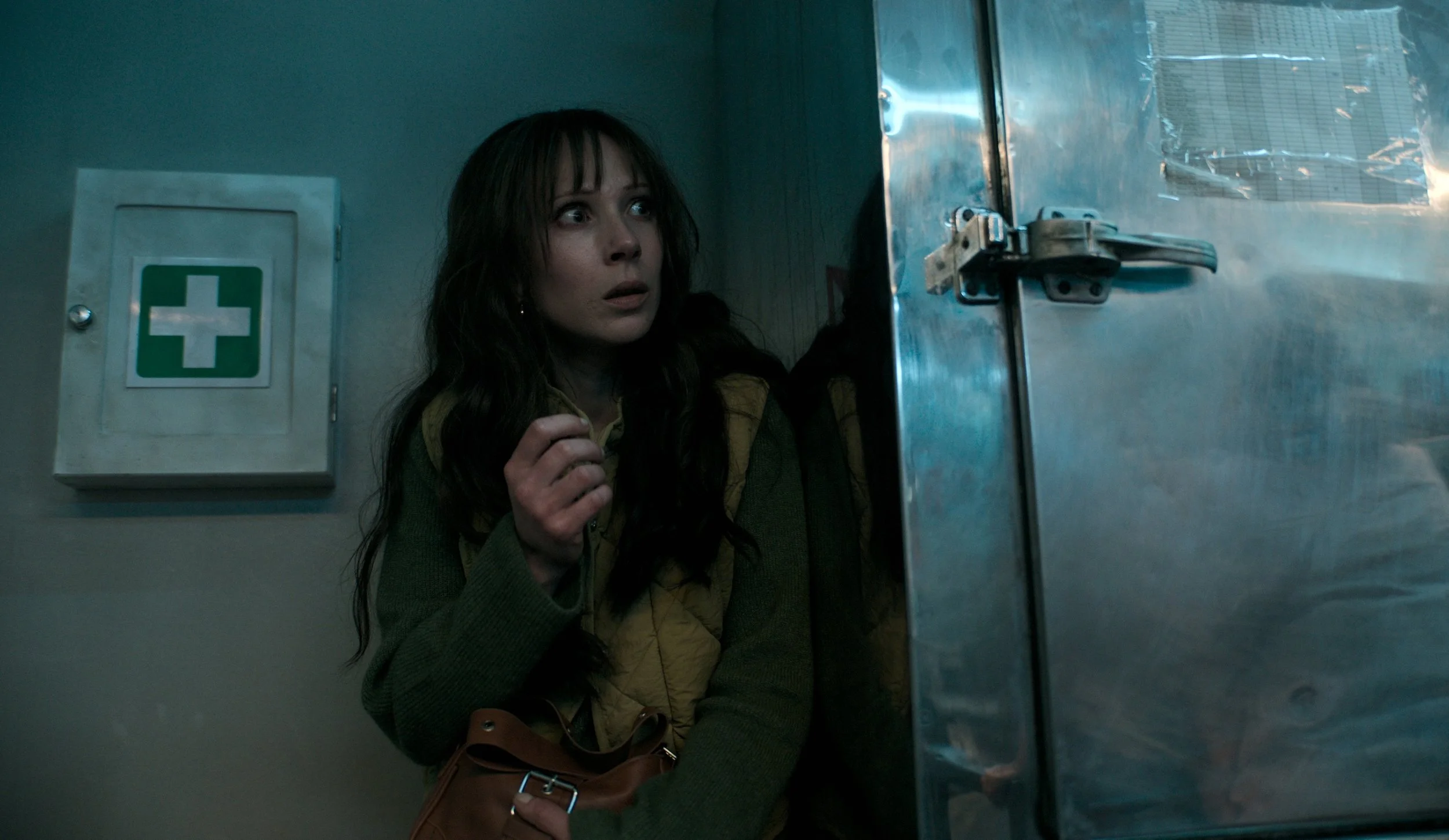
One of the most uncomfortable threads involves Susan, played by Juno Temple, dealing with a school shooting in a future where that horror is treated as routine. Seeing her child’s room, filled with toys that look painfully familiar, hits close to home. It is supposed to be unsettling. It succeeds.
Haley Lu Richardson’s Ingrid storyline, centered around a partner disappearing into virtual reality under the guise of a sabbatical, quietly ties into Peña’s arc in a smart, depressing way. The film is constantly connecting dots without stopping to explain itself, which makes it feel alive.
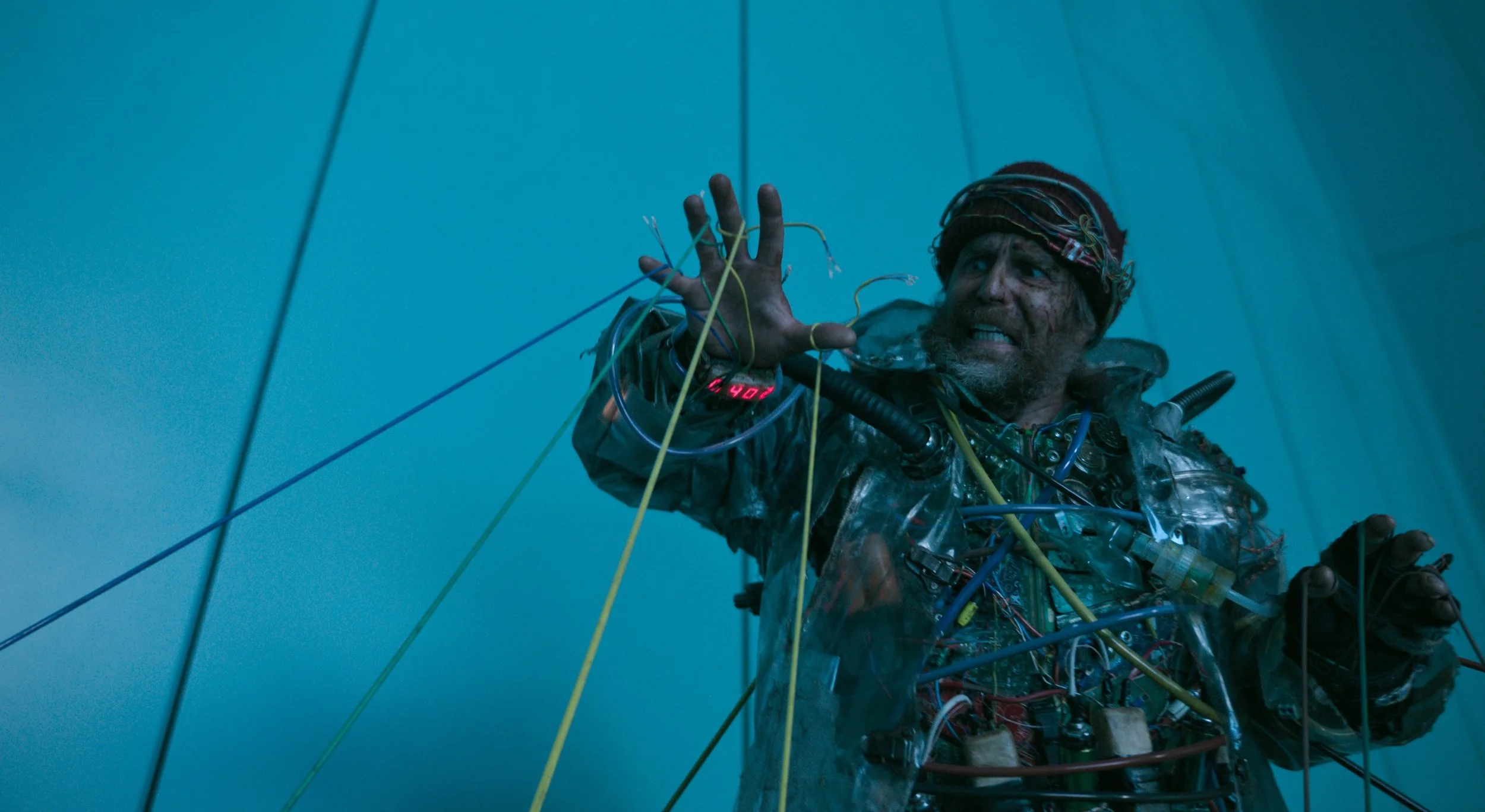
Tonally, it only gets darker as it goes. The humor never disappears, but the laughs start coming with a lump in your throat. By the time the finale hits, the movie is fully unhinged. It is chaotic, violent, hilarious, and oddly emotional. There is a sequence involving makeshift toys that feels ripped straight out of Sid’s room by way of Puppet Master, complete with tiny weapons and big nightmares.
There is also a moment where electronics turn on humanity that does what Y2K tried to do, only better, smarter, and with way more bite.
Is it messy? Absolutely. Is it long? Yes. Not every joke lands, and some ideas could have been entire movies on their own. But that excess feels intentional. This is Verbinski throwing everything he has at the wall because he actually has something to say.
In a weird way, this feels like Everything Everywhere All at Once for 2026. A genre blender that should not work, somehow does, and leaves you laughing while quietly panicking about the state of the world.
Good Luck, Have Fun, Don’t Die is one of the more fun and inventive time travel movies in recent memory. It does not use the concept as a crutch. It just runs with it. This is a warning wrapped in a joke wrapped in a meltdown.
Welcome back, Gore. This was one hell of a way to do it.
Jessie Hobson