
The Get Out is the kind of crime thriller that feels like it’s constantly on the verge of snapping into something sharper, something cleaner, something a little more dangerous, but instead settles into being a messy, entertaining ride that never quite gets out of its own way.
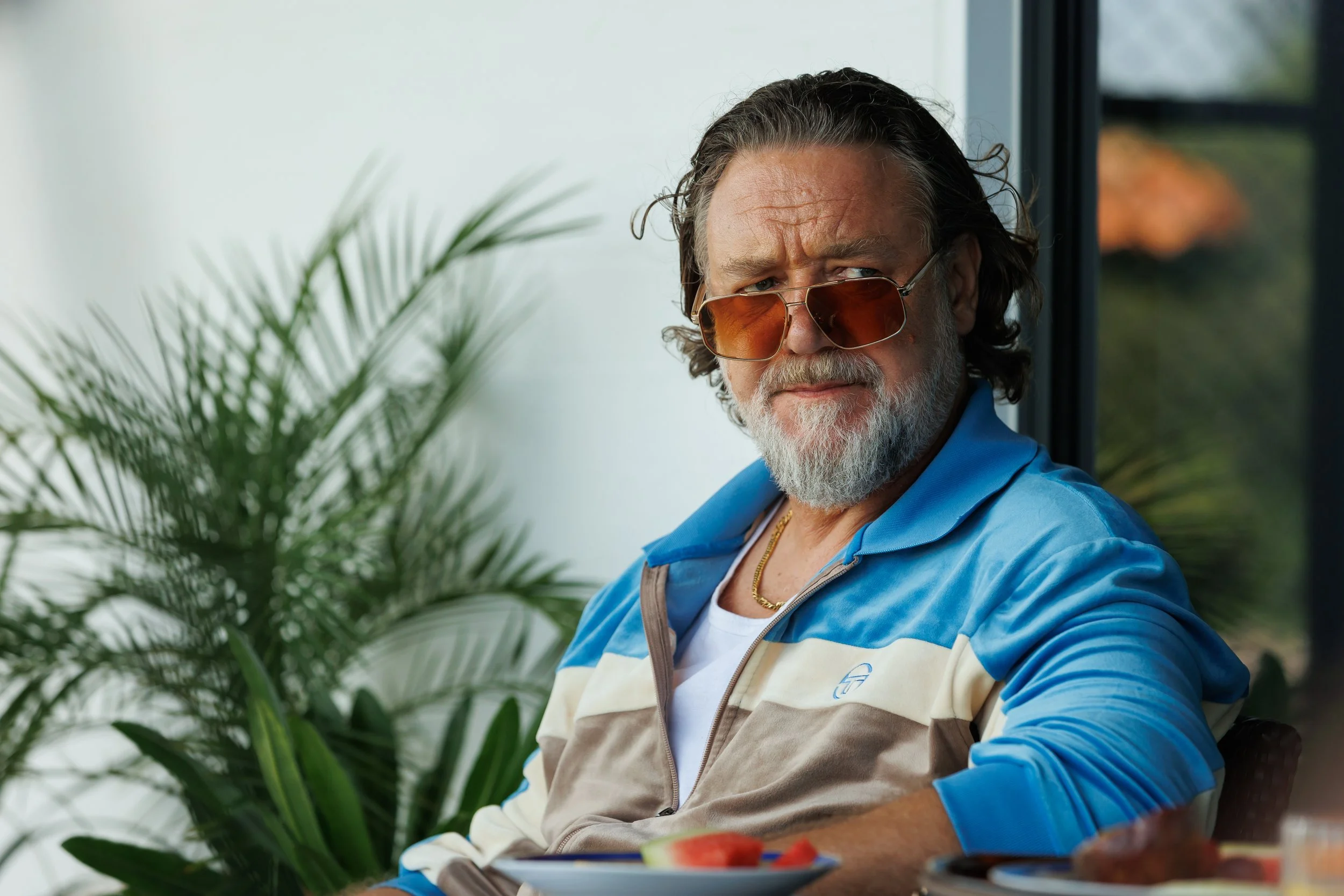
Russell Crowe, playing an LA-based Albanian nightclub owner whose quiet retirement plans get derailed by a robbery, is the gravitational center here, and honestly, that’s the movie’s biggest advantage. He’s operating in that late-stage career mode where subtlety and chaos can exist in the same performance, and he leans into both. It’s not always refined, and it’s definitely not always grounded, but it’s compelling. He has this way of stealing every single scene just by existing in it, like the rest of the movie has to adjust around him in real time. And the movie needs that kind of presence, because it’s juggling a lot.
There are multiple characters, multiple storylines, and the sense from the jump that everything is eventually going to collide. That’s part of the fun. Watching all the moving pieces slowly drift toward each other keeps the film intriguing from start to finish. You’re constantly trying to figure out how it’s all going to connect, and when it finally does, there’s a satisfaction in seeing the puzzle come together. At the same time, there might just be one too many pieces.

Every character is interesting on their own, which is impressive, but not all of them feel essential. The film occasionally struggles under its own weight, like it’s trying to do one subplot too many when a more streamlined version might have hit harder. Still, there’s something enjoyable about the excess. Even when it feels overstuffed, it never feels dull.
Luke Evans continues to be one of those actors who completely shifts depending on the role. He doesn’t get a ton of screen time here, but he’s unrecognizable in that chameleon way he’s perfected. The issue is that the script doesn’t fully deliver on his character. When the emotional truth of who he is starts to come out, it feels rushed, like the movie needed just a little more space to let that land.

Aaron Paul shows up doing a variation on the Jesse Pinkman energy that made him famous, which is fine. It works for what the story needs, even if it doesn’t push him into new territory. He’s solid and serviceable, and he fits cleanly into the ensemble without ever really taking it over.
And then there’s Nina Dobrev as the bank teller, who for whatever reason is obsessed with Point Break. It’s such a weird, specific character detail, but it totally works. It gives the movie personality in a way that feels effortless, like even the smaller roles have their own little internal worlds instead of just being plot devices.
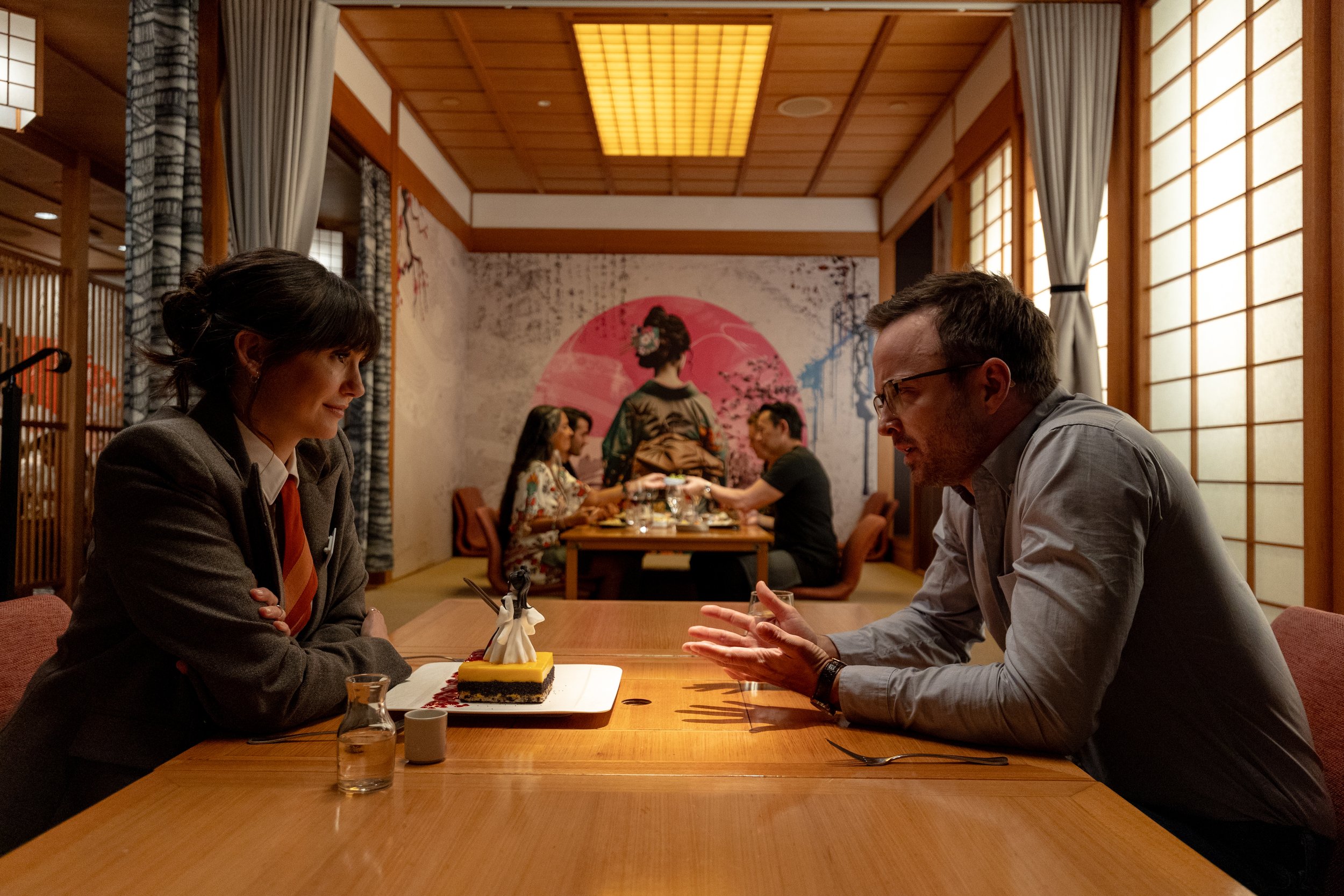
What helps balance out the chaos is the tone. The film has these random, genuinely funny moments that pop up just when things start to feel too heavy. They don’t derail the narrative. They actually fit, giving the movie a rhythm that keeps it from becoming overly grim. Little character quirks sprinkled throughout give the whole thing a weird, specific personality that really works.
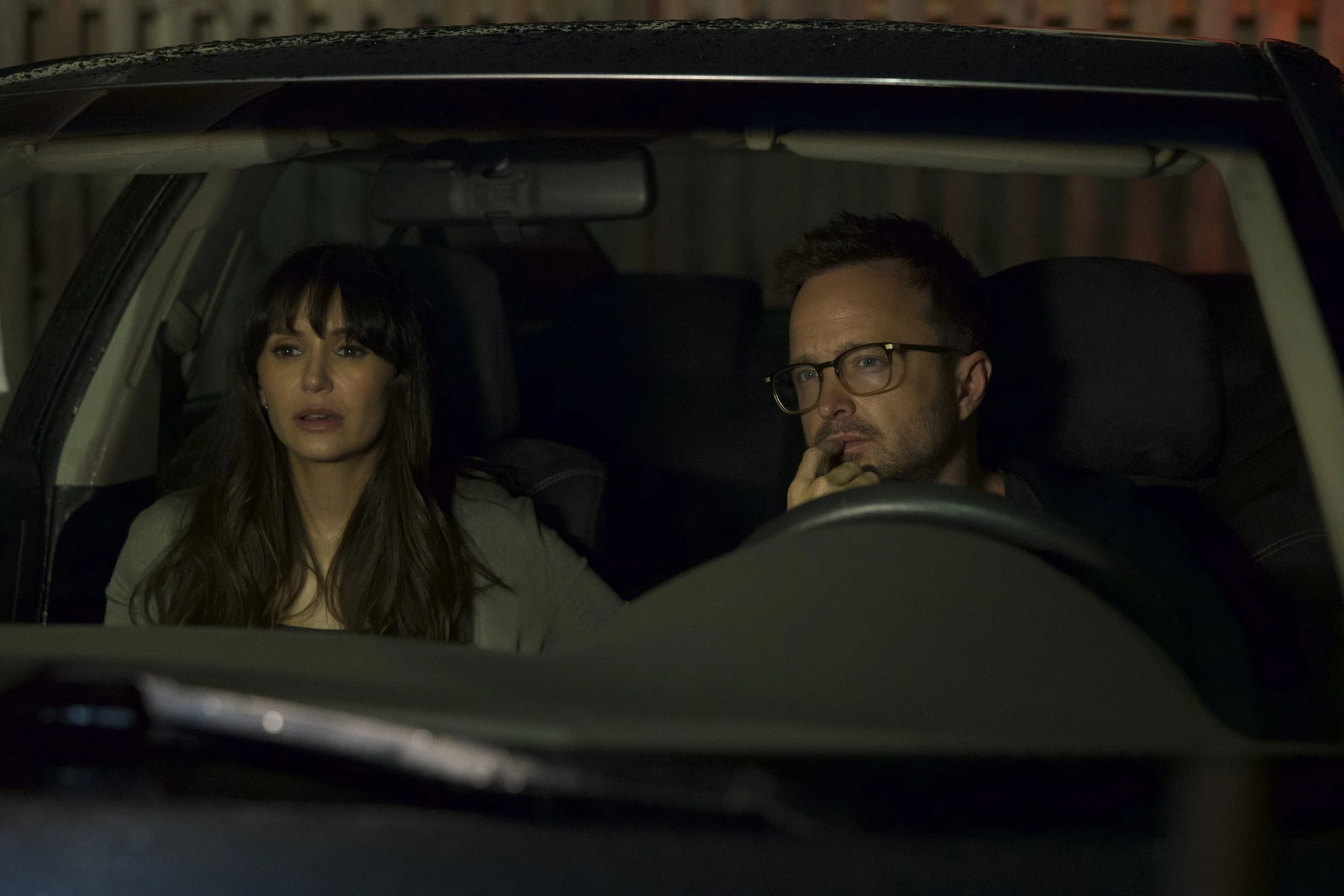
Visually, there are flashes of creativity that stand out. There’s a car wreck sequence shot mostly from inside the vehicle that gives the whole thing a claustrophobic intensity, and when it finally cuts outward with money flying through the air, it lands with real impact. It’s one of those scenes that shows exactly what the movie is capable of when everything lines up.
And the ending lands with a perfect needle drop. Gypsy Kings’ “Hotel California” plays it out in a way that just feels right, tying together the film’s blend of style and chaos.
The problem is that the movie keeps hinting at being something more than it ever quite becomes. You can feel traces of a tighter, stronger version of this story underneath everything. A version where the character arcs hit harder, where the reveals carry more weight, where the whole thing feels less like it’s stretching in too many directions. Instead, what you get is something a little uneven.
Crowe is great. The cast is solid across the board. The storytelling is ambitious, sometimes to a fault. It’s fun, it’s intriguing, and it keeps you engaged the entire time, but it also leaves you thinking about what it could have been with just a bit more focus. It doesn’t fully deliver on everything it promises, but it delivers enough to make the ride worthwhile.
Jessie Hobson