
Despite being marketed as a drama, Joscha Bongard's Babystar plays like a horror film in every sense of the word. There are no masked killers, supernatural threats, or sudden shocks lurking around corners, yet the film generates a constant sense of unease that never truly lets go. Its terror comes from something far more recognizable: a childhood sacrificed for content, a family dynamic warped by profit, and a teenager slowly realizing that the life she has been living was never really hers to begin with. The premise is simple. Luca is a successful teenage influencer whose family has built an entire business around their online presence. To millions of followers, her life appears perfect. She lives in a beautiful home, has adoring parents, and enjoys the privileges that internet fame can provide. What Luca gradually begins to understand, however, is that she is not simply part of the family business. She is the business.
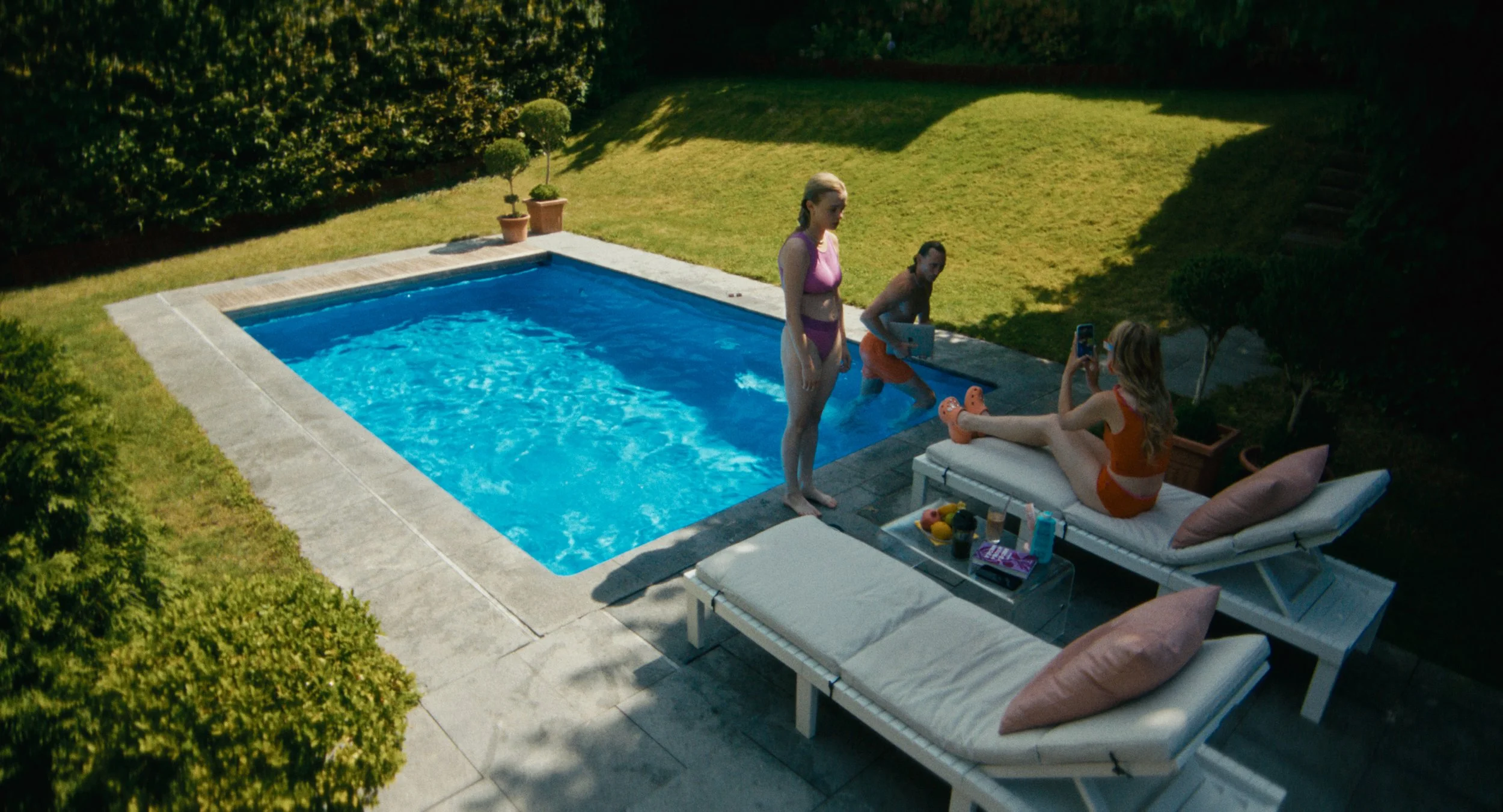
What makes Babystar so effective is its restraint. Bongard avoids turning the story into a broad satire of social media culture filled with easy jokes about TikTok trends or vapid influencers. Instead, he focuses on the subtle ways digital fame shapes behavior and erodes authenticity. The film's opening stretches are particularly impressive in this regard, carefully demonstrating how influencer culture extends beyond sponsored posts and curated images into the very fabric of family life. One especially effective moment arrives when Luca's mother experiences a rare flash of genuine happiness with her family, only to regret that she wasn't recording it. It is a small scene, but one that cuts surprisingly deep because it reflects a truth many people recognize in themselves: the instinct to experience life through a screen before simply experiencing it at all.
Visually, Babystar is stunning. There is an extraordinary level of confidence behind the camera, with every frame feeling meticulously crafted. The blocking, framing, and camera movements are consistently exceptional, while Bongard makes frequent use of shadows and silhouettes to create images that are both beautiful and unsettling. The entire film possesses a dreamlike quality, as though reality itself has become distorted through years of performance and curation. Combined with its sun-drenched, faded aesthetic, the imagery often resembles a memory that has begun to deteriorate around the edges. Every location feels thoughtfully designed and every scene contains something visually engaging to latch onto. It's the kind of filmmaking where you can feel the effort and intention behind every creative choice.
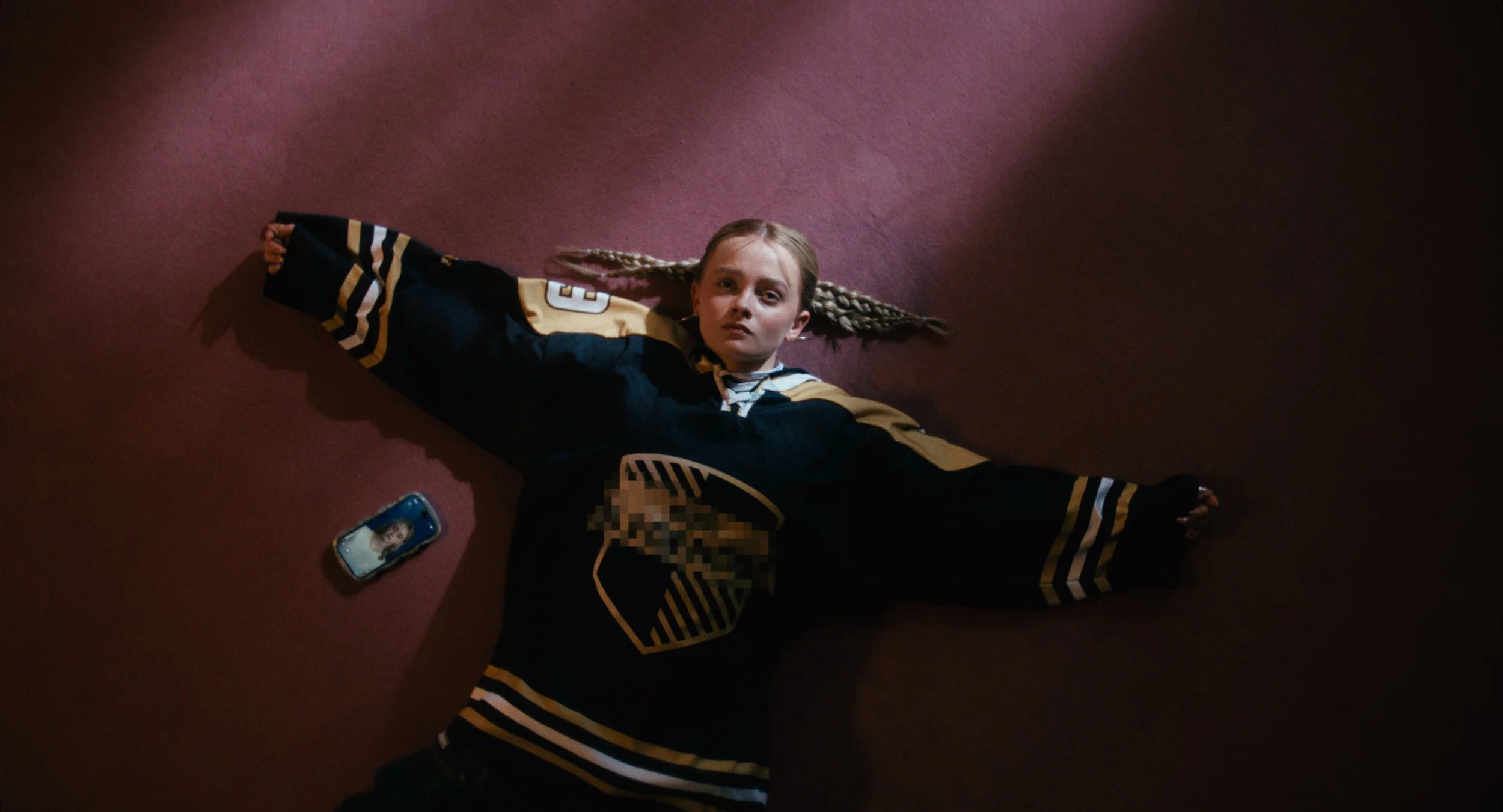
That atmosphere is further enhanced by a score that shifts effortlessly between quirky playfulness and quiet dread. The music often feels at odds with the reality unfolding onscreen, creating a tension that mirrors Luca's own existence. On the surface, her life is cheerful, aspirational, and marketable. Underneath, something is clearly and profoundly wrong. Even during scenes that are not overtly disturbing, the film maintains an uncomfortable edge. There is a persistent feeling that everyone is performing a version of themselves, trapped inside a carefully constructed illusion they can no longer escape.
At the heart of that illusion is Maja Bons, who delivers a remarkable performance as Luca. Watching her gradually unravel under impossible expectations is frequently heartbreaking. Growing up is difficult enough without being scrutinized by millions of strangers. Adding family expectations, public relevance, and the looming arrival of a younger sibling turns that pressure into something devastating. Luca's fear is not simply that she will lose attention; it is that she will lose her value. The film repeatedly forces her to confront the possibility that she is loved because she is useful, and Bons communicates that pain with remarkable subtlety. Few performances this year have conveyed such visible exhaustion and loneliness. Even in silence, she says everything the film needs her to say.
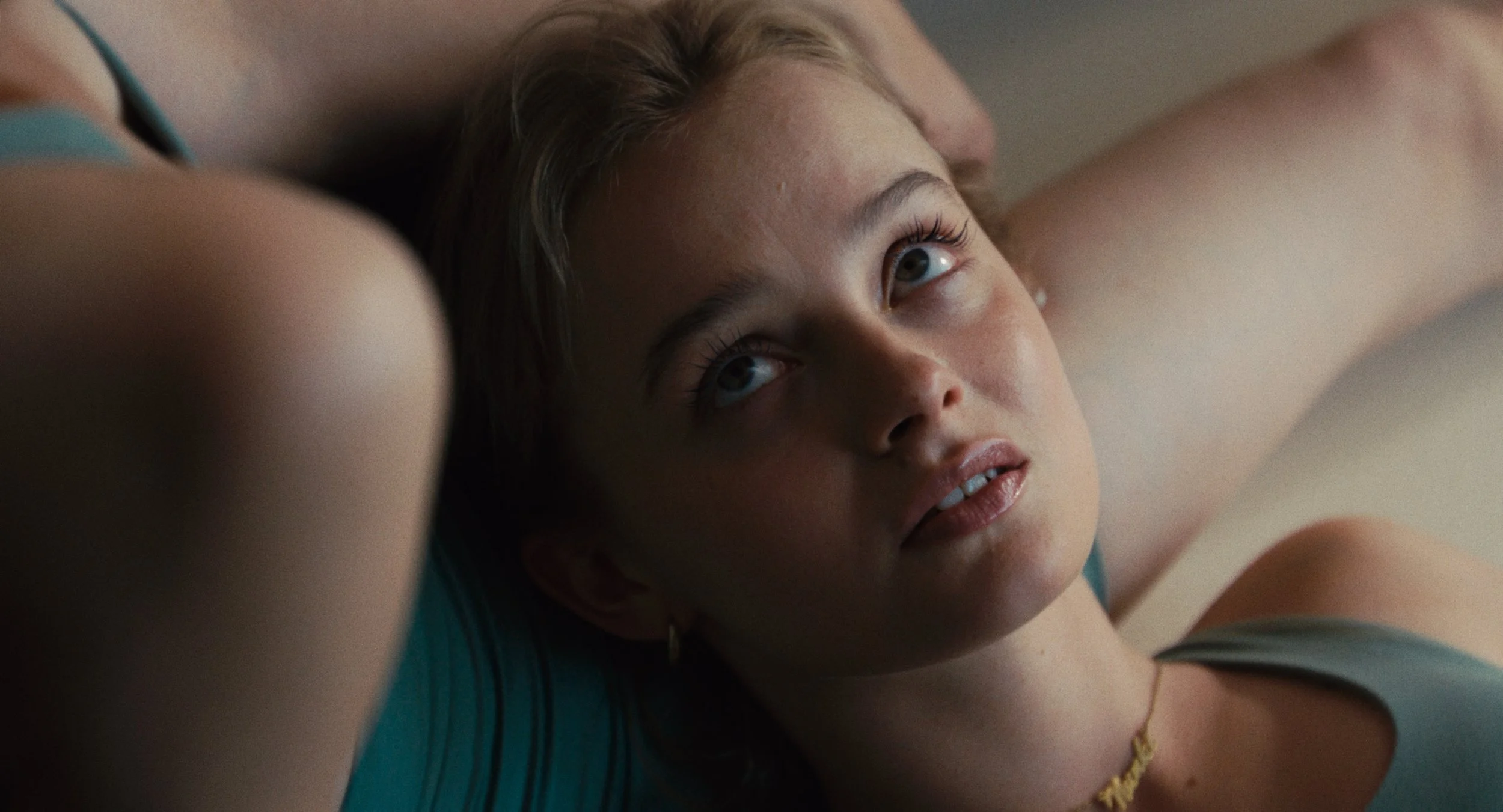
Thematically, Babystar digs into much more than influencer culture. It is an examination of capitalism, commodification, and the increasingly blurry boundary between identity and branding. The film's most unsettling ideas arrive when it begins exploring the notion that Luca can be replicated, preserved, and ultimately replaced. The suggestion that a digital version of her could outlive her usefulness as a real person transforms the story into something genuinely nightmarish. Luca is not simply losing control over her image. She is losing ownership of herself. Bongard uses this concept to ask difficult questions about what happens when a person's entire history becomes content and whether genuine freedom is even possible once every version of your life has been archived, analyzed, and monetized.
The film is not without its shortcomings. At 98 minutes, Babystar embraces a slow-burn approach that largely works, but occasionally drifts into indulgence. While the measured pacing allows the atmosphere and themes room to breathe, there are stretches where the narrative feels as though it is circling ideas rather than developing them. Some themes are introduced without being explored to their fullest potential, and several supporting characters never receive the emotional depth that the material seems to demand. The final act is where these issues become most apparent. While individual scenes remain impactful, the narrative becomes increasingly chaotic and less focused, making it difficult for the film to fully capitalize on the strength of its central ideas.
Even so, Babystar remains a fascinating piece of filmmaking. The more time passes after the credits roll, the more its ideas linger. Bongard has crafted a sharp and timely critique of social media culture without ever becoming preachy, moralistic, or simplistic. More importantly, he understands that beneath the discussion of algorithms, branding, and online fame is something painfully human. This is ultimately a story about a child who never had the opportunity to simply be a child. That tragedy gives Babystar its emotional weight and transforms what could have been an interesting satire into something far more unsettling. It may be labeled a drama, but the horror at its core feels devastatingly real.
Jessie Hobson