
Modern dating has become one of cinema's favorite punching bags, but few films capture its specific absurdities quite like Delilah Napier and Lucy Powers' Floating Carousel. On the surface, it's a dark comedy about a collection of twenty-somethings stumbling through New York City's increasingly bizarre dating landscape. Underneath, it's a sharply observed portrait of loneliness, transactional relationships, and the strange social gray areas that define modern romance.
Following a Gender Studies master's student, a messy philanderer, an aspiring cabaret artist, a sugar baby in denial, and a professional cuddler, the film initially plays like an anthology of interconnected dating disasters. As the story unfolds, however, these seemingly separate threads begin weaving together into an impressively intricate tapestry where every encounter, conversation, and throwaway remark serves a purpose.

The script is easily the film's greatest strength. Napier and Powers have written scenarios so oddly specific, so painfully awkward, and so rooted in recognizable social dynamics that you never question their authenticity. Many of these situations are reportedly inspired by real experiences, and it shows. The film lives in those uncomfortable spaces where nobody technically does anything wrong, yet everyone walks away feeling as if something fundamental about the social contract has been broken.
There's a sitcom-like precision to the way the narrative is constructed. Think Girls filtered through Seinfeld, with a little millennial existential dread thrown into the mix. Characters bounce between storylines, jokes eventually become setups for larger payoffs, and details that seem insignificant often return much later in ways that are both hilarious and surprisingly satisfying. By the time the puzzle pieces begin snapping together, it's clear that the filmmakers knew exactly where they were taking the audience.
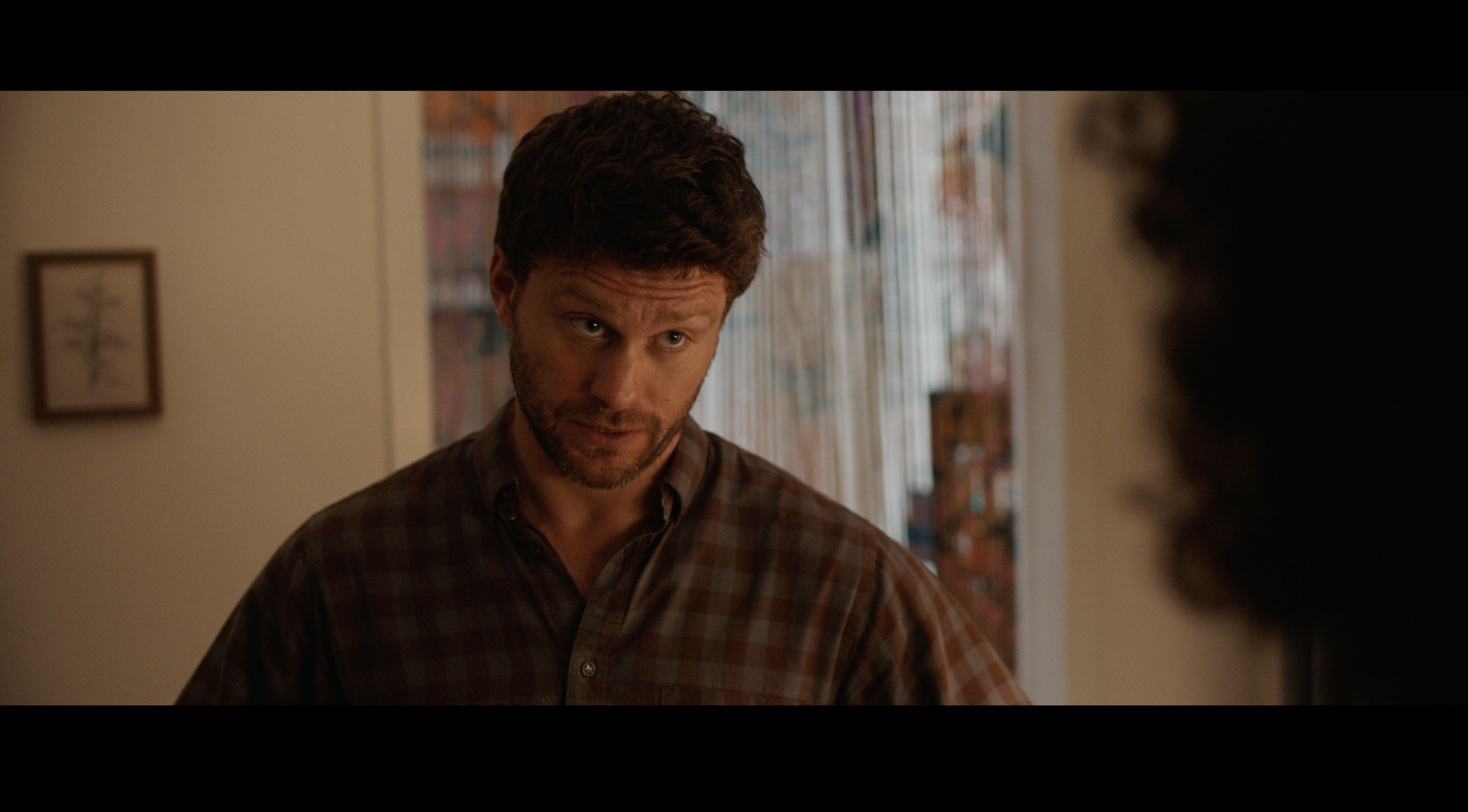
What makes the film especially enjoyable is how often it earns genuine laugh-out-loud moments. Not just because a joke lands, but because the joke is so cleverly engineered. The humor comes from recognition. Anyone who has navigated dating apps, situationships, ghosting, performative intimacy, or simply the bizarre social ecosystem of modern New York will find something painfully familiar here.
Visually, Floating Carousel carries an almost voyeuristic quality. Cinematographer Fletcher Wolfe captures New York as both a playground and a pressure cooker, observing characters through intimate, often uncomfortable interactions that make viewers feel like they're eavesdropping on conversations they shouldn't be hearing. The city itself becomes one of the film's most memorable characters. This is a genuine love letter to New York and all of its wonderfully strange inhabitants, embracing both the magic and madness of the people constantly colliding within it.

The ensemble cast fully commits to the film's unique tone. Whether it's familiar faces like Michael Cyril Creighton, Jon Rudnitsky, Dylan Baker, Catherine Curtin, and Jessica Hecht or the central performances from Napier and Powers themselves, everyone seems perfectly calibrated to the film's balance of sincerity and absurdity.
Even the film's transitions deserve recognition. A whimsical recurring piano theme gives the story an almost storybook quality, helping guide viewers from one dating disaster to the next while reinforcing the film's playful sensibility.
Unfortunately, Floating Carousel stumbles near the finish line. After spending nearly two hours constructing an impressively tangled web of interconnected stories, the conclusion feels oddly detached from everything that came before. The film shifts toward a more overt metaphorical resolution that never quite meshes with the sharp observational comedy driving the rest of the narrative. Rather than delivering a climax that feels organically earned by the characters, it lands as though another voice briefly stepped in to finish the story.
It's a frustrating choice because so much of the film works. The setup is stronger than the payoff, and the journey proves considerably more satisfying than the destination.
Still, one uneven ending isn't enough to derail what is otherwise one of the more distinctive indie comedies in recent memory. Smartly written, consistently funny, and packed with authentically awkward observations about modern relationships, Floating Carousel understands that dating today can often feel less like a search for love and more like surviving a series of increasingly surreal social experiments. Few films have captured that feeling this accurately or this entertainingly.
Jessie Hobson