I caught Looky-Loo: Part II at the 2026 Houston Horror Film Festival, and while I enjoyed the first film well enough, voyeurism horror has never really been my bag. I've always appreciated what films in that space are trying to accomplish, but they rarely grab me the way they do some genre fans. That's exactly why this sequel came as such a pleasant surprise. Rather than simply repeating the formula of the original, Looky-Loo: Part II expands its world, deepens its mythology, and develops a far more compelling narrative structure while still maintaining the uncomfortable, voyeuristic DNA that made the first film stand out.
One of the things I immediately appreciated was how committed the filmmakers were to establishing this as a genuine sequel. Too many horror follow-ups feel like carbon copies with a bigger body count, but this one actively builds on what came before. The lore surrounding the Looky-Loo killer is expanded in meaningful ways, and the story takes on a surprisingly meta quality as the legacy of the first film begins to influence the events of this one. It feels like a natural evolution rather than a rehash, which is a big reason the film works so well.
Admittedly, seeing recognizable faces like Kansas Bowling and Jessa Flux initially took me out of the experience. Both are talented performers and have proven they can act, but this particular style of horror thrives on authenticity. The more realistic the presentation becomes, the more unknown performers help sell the illusion. Whenever a familiar indie horror personality appeared on screen, I found myself momentarily reminded that I was watching a movie instead of being completely immersed in the nightmare. Thankfully, the narrative quickly overcomes that hurdle, and the performances are strong enough that it ultimately becomes a minor issue rather than a major distraction.
What really makes Looky-Loo: Part II effective is how eerily plausible it feels. Having watched Netflix's documentary on the Idaho student murders the day before this screening, some of the film's themes landed with an uncomfortable level of immediacy. Jason Zink's story taps directly into modern true crime obsession and society's fascination with killers without feeling opportunistic. The result is a film that frequently feels less like a traditional horror movie and more like forbidden footage you're not supposed to be watching.
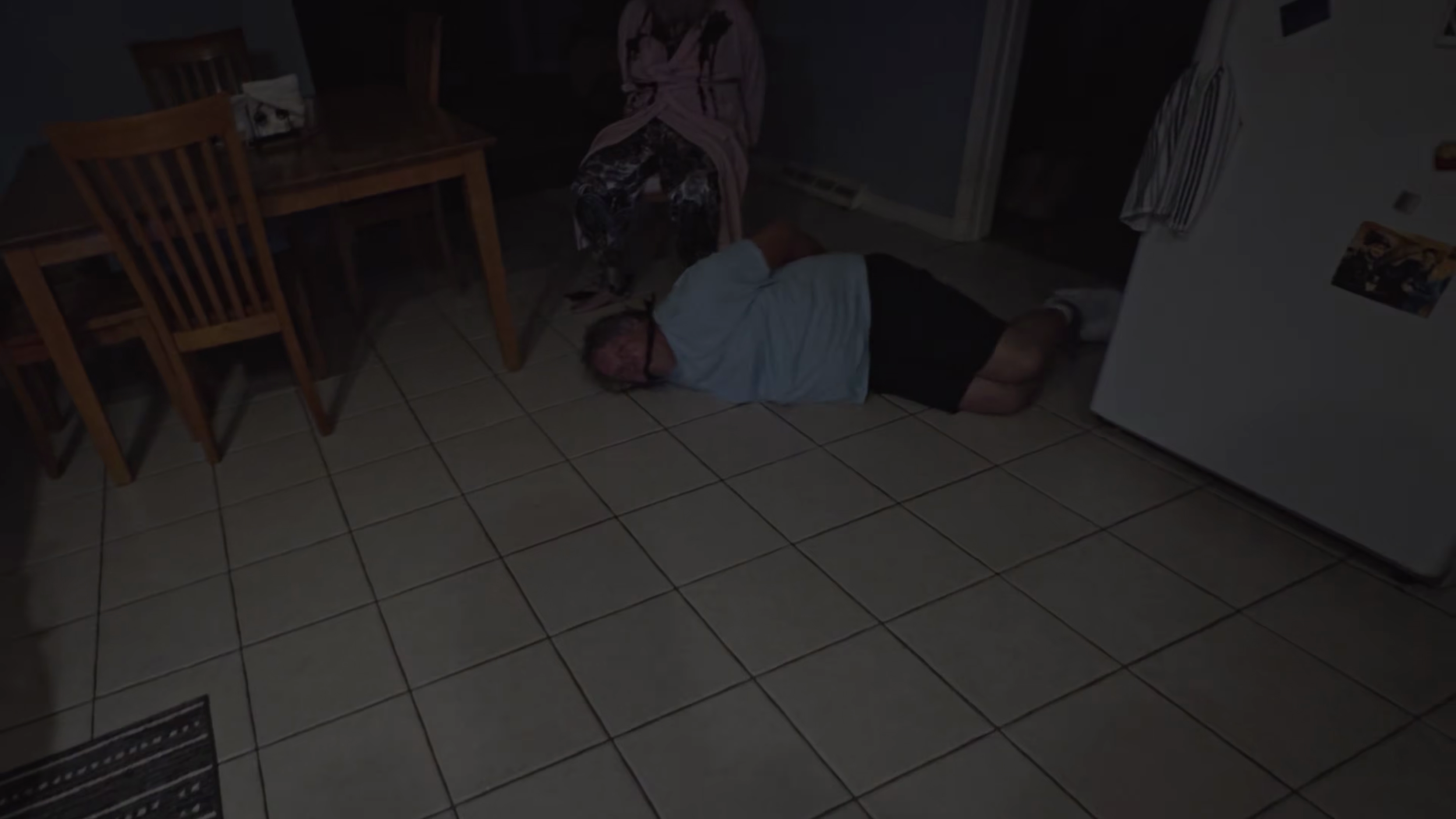
That sensation is reinforced by the film's approach to violence. Nothing here feels polished or theatrical. The aftermath of the murders is graphic, ugly, and disturbingly realistic. While comparisons to other recent faux-documentary horror efforts are inevitable, I'd argue Looky-Loo: Part II feels more original because it understands unpredictability is often scarier than shock value. You never quite know where the story is heading, and that uncertainty creates a constant undercurrent of tension.
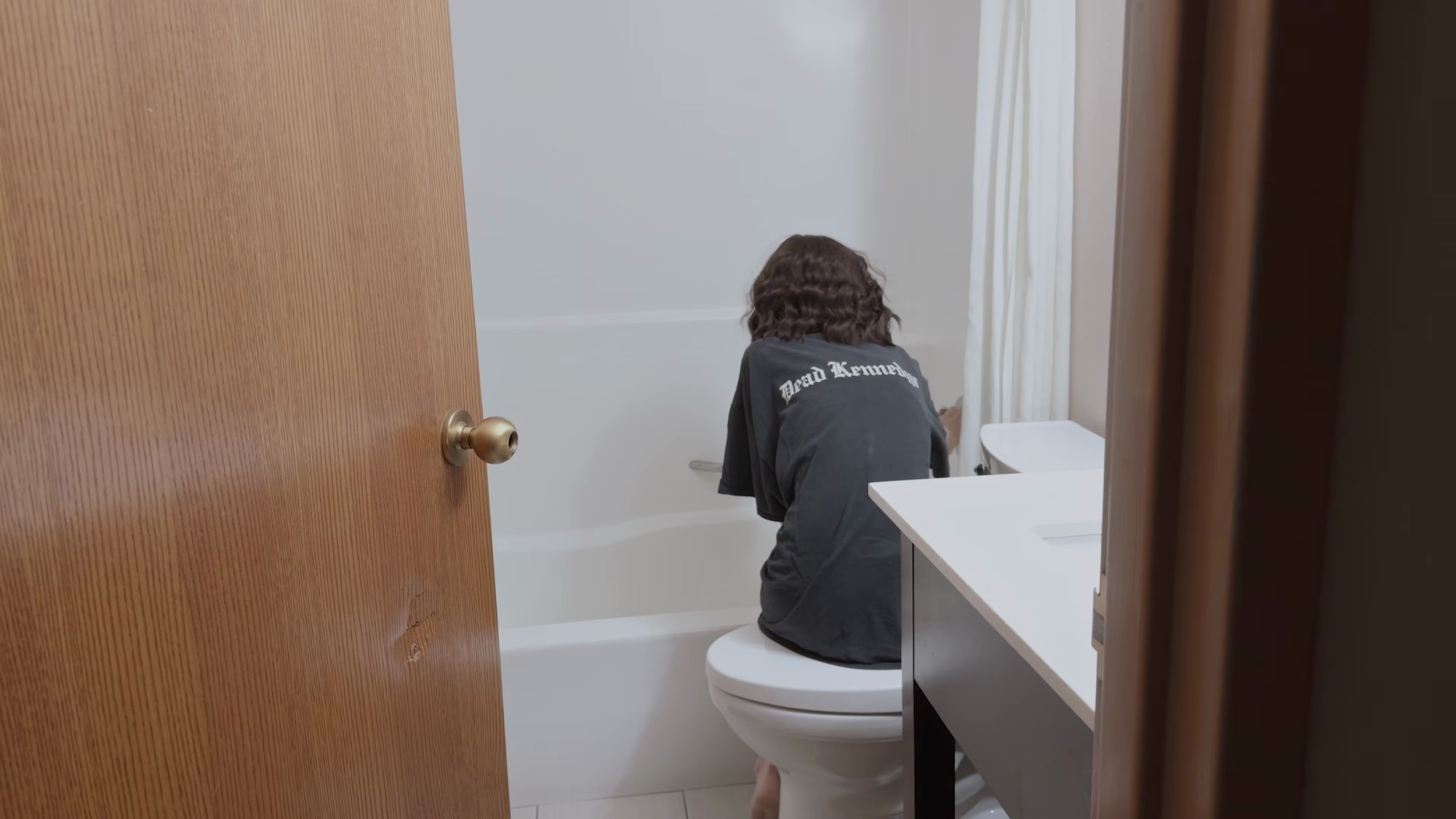
The film's biggest surprise may be its killer. Despite spending much of the movie unseen, this is a genuinely effective performance. Through strained breathing, vocal inflections, moments of panic, and bursts of aggression, the killer feels frighteningly human. You can hear the physical effort during attacks and sense his emotional state in ways that many masked slashers never achieve despite significantly more screen time. Some of the film's most intense moments occur after the violence, particularly when the killer is attempting to escape while distant sirens begin closing in. It's a level of detail that adds a layer of realism that makes everything feel far more unsettling.
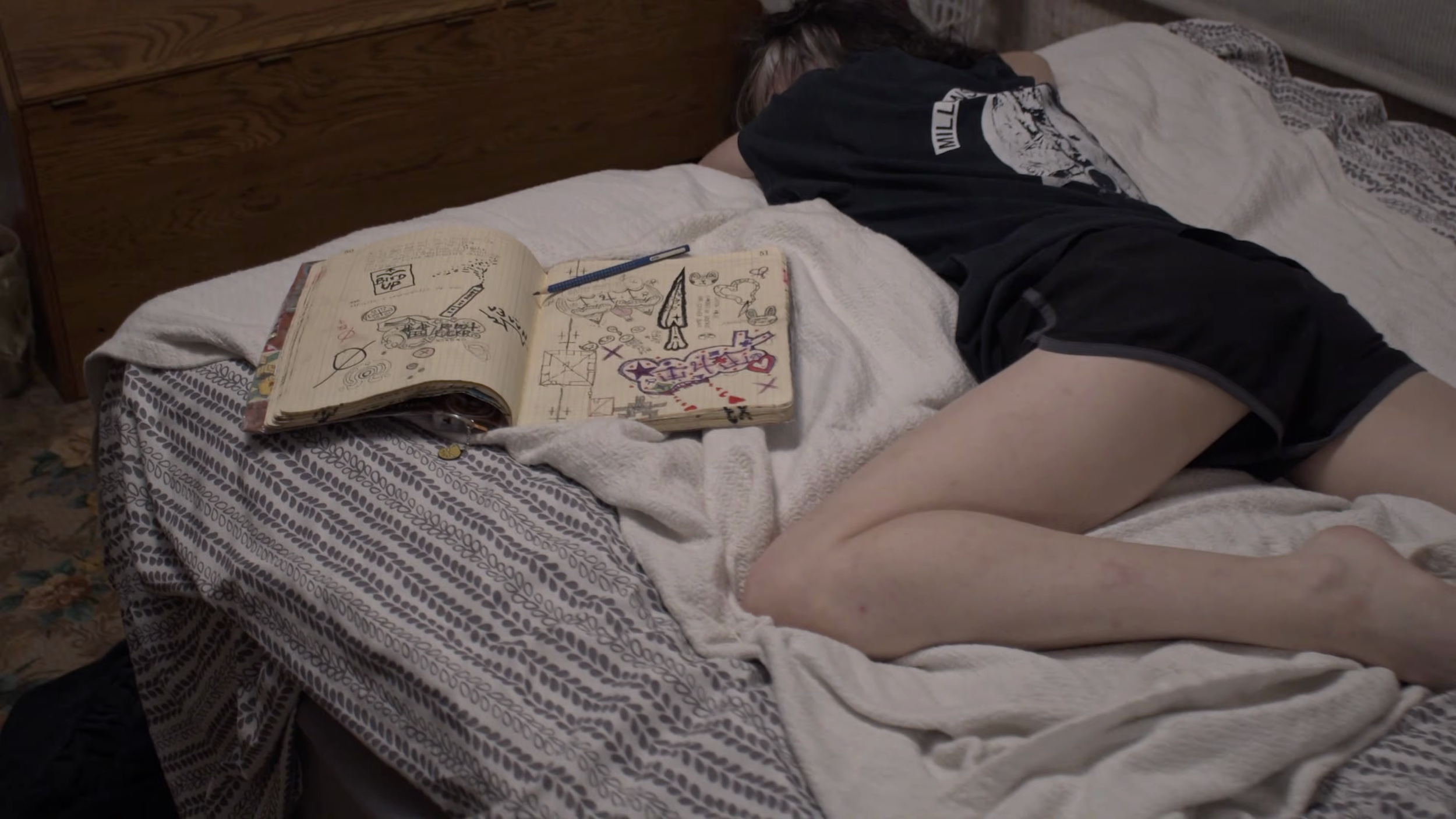
The strongest performance in the film, however, belongs to Julie Kashmanian, who emerges as the emotional center of the story. As the narrative expands beyond the formula established by the first film, she becomes the anchor that keeps everything grounded. Her presence is crucial because the film increasingly asks the audience to invest in its characters rather than simply endure its brutality, and she rises to the occasion.
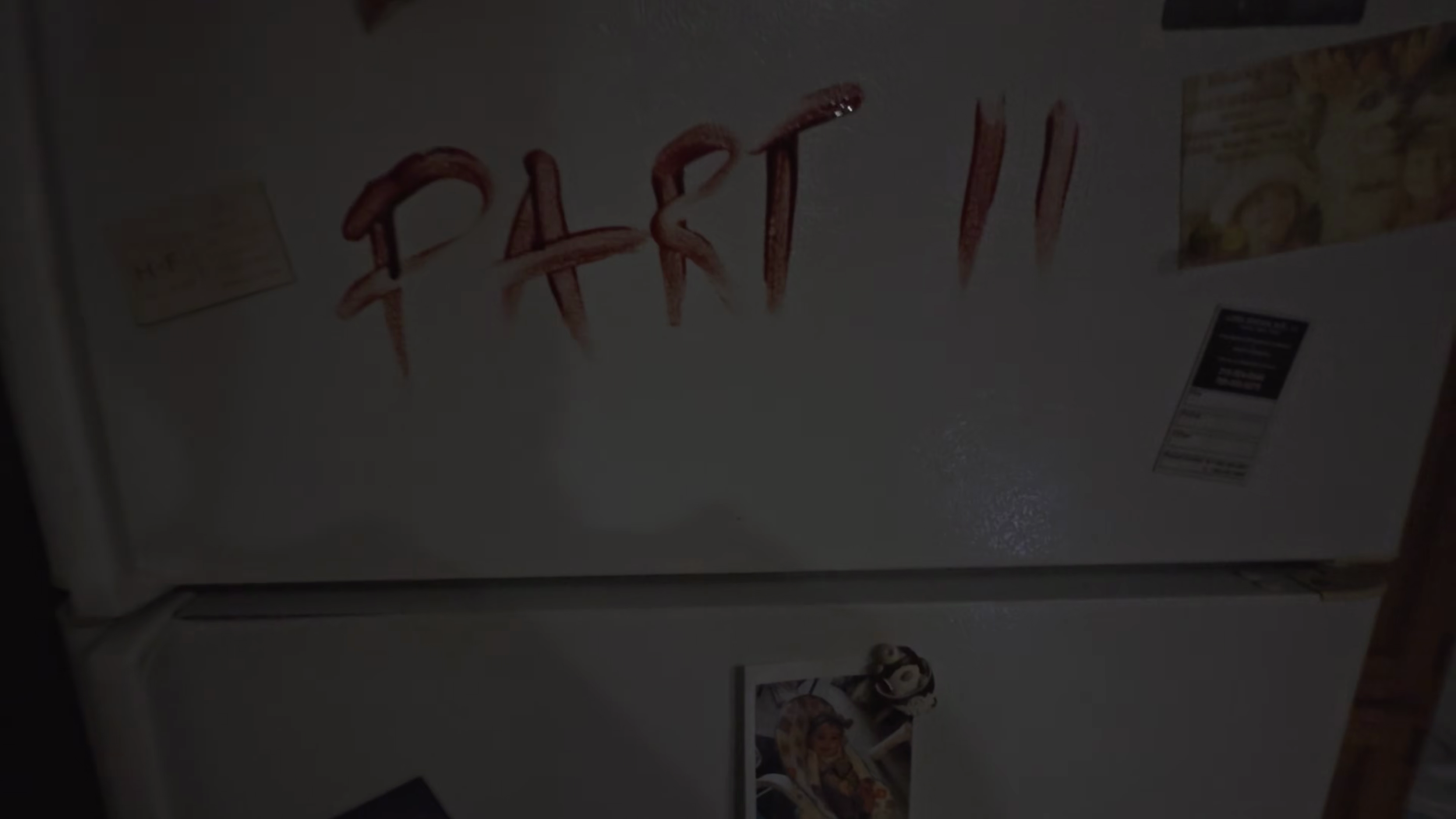
What continues to fascinate me about the Looky-Loo series is the feeling that you're participating in something you shouldn't be seeing. The camera isn't simply documenting events. It's implicating the audience in them. The film consistently returns to questions about our fascination with violence, our consumption of true crime, and the ethical distance we create between ourselves and real human suffering. These ideas are woven naturally into the story rather than delivered as a lecture, making them all the more effective.
Most impressively, Looky-Loo: Part II refines everything that worked in the original while pushing the series into new territory. The voyeuristic horror is still present, but it's sharper, more focused, and far more dangerous. The narrative developments caught me completely off guard, and the film never sacrifices its core identity in pursuit of bigger twists. Instead, it builds toward an ending that recontextualizes much of what came before and delivers one hell of a payoff.
While I liked the first Looky-Loo, I genuinely loved where this sequel goes. As the credits starred me back in the face, I was completely on board with the direction of the franchise. The final act is bold, surprising, and immensely satisfying, paying off both the film's narrative ambitions and its thematic concerns. Most importantly, it left me wanting the next chapter immediately. Looky-Loo: Part II is not just a worthy sequel. It's the rare horror follow-up that expands the mythology, sharpens the ideas, and improves on its predecessor in nearly every way.
Jessie Hobson