
Found footage horror isn't exactly starving for haunted house stories. In fact, Sundown arrives carrying many of the same narrative fingerprints that helped make Paranormal Activity a phenomenon years ago. Yet while the film rarely reinvents the formula, it succeeds where many of its contemporaries fail by grounding its supernatural scares in believable performances, genuine family conflict, and a surprisingly effective emotional core.
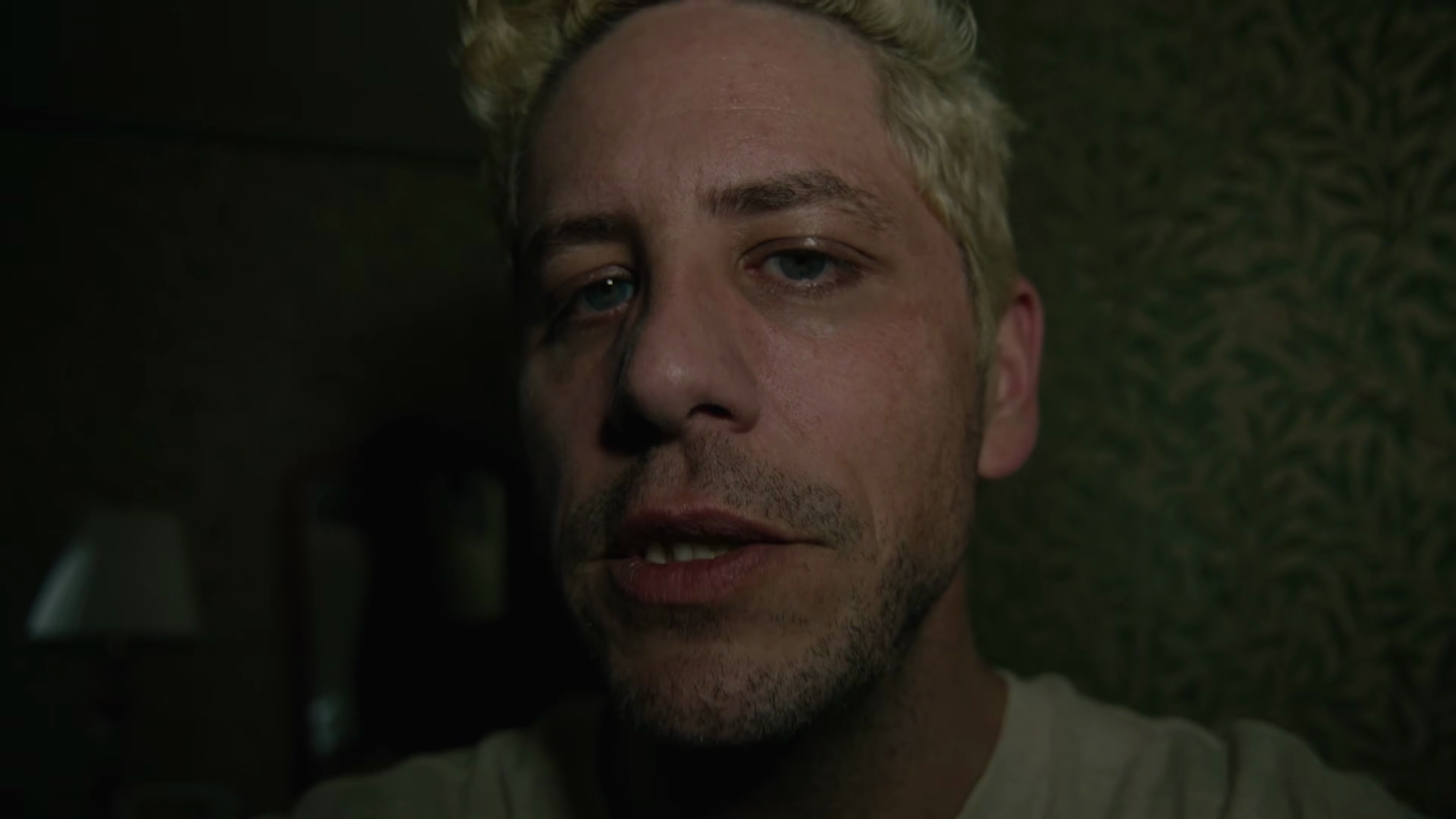
We caught Sundown at the Houston Horror Film Festival 2026, where it proved itself to be a crowd-pleasing supernatural thriller that understands exactly what fans of the subgenre are looking for.
Directed by Brian Klingborg and Marcus Slabine, Sundown follows Mary, a woman convinced that the spirit of her recently deceased husband is haunting her home. When her estranged son Chris arrives with a filmmaker friend and a spiritualist in tow, the group intends to prove that Mary's claims are the result of grief and trauma rather than anything paranormal. As expected, things do not go according to plan. The film was reportedly inspired by true events and filmed in the same house where those events allegedly occurred.
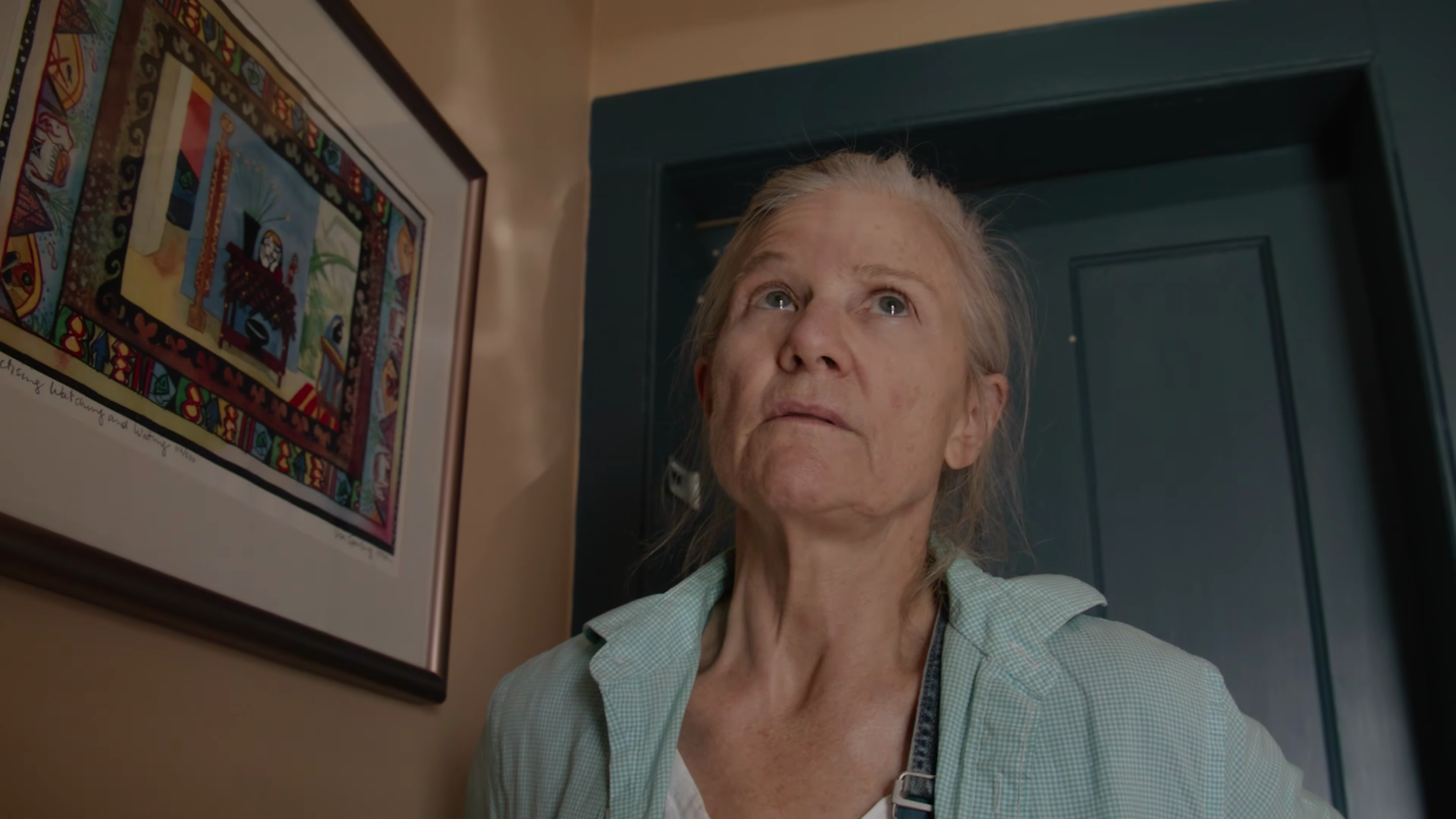
The biggest strength here is the cast. Across the board, the performances help sell the reality that every found footage film desperately needs in order to work. Damian Maffei is easily the MVP of the production, delivering the film's most natural and engaging performance. He carries much of the movie's emotional weight and consistently grounds the escalating horror with a believable sense of concern and frustration. Every time the film threatens to drift into familiar territory, Maffei pulls it back.
The rest of the ensemble is equally dependable. Emily Sweet, Kelly Walters, and the supporting cast remain convincing from beginning to end, helping maintain the illusion that we're watching discovered footage rather than scripted fiction. The lone exception is Chris Alexander, whose performance occasionally slips into overacting. It isn't enough to derail the film, but there are a handful of scenes where his delivery feels noticeably larger than the grounded tone everyone else is operating within. Those moments stick out because the rest of the cast is doing such strong work.
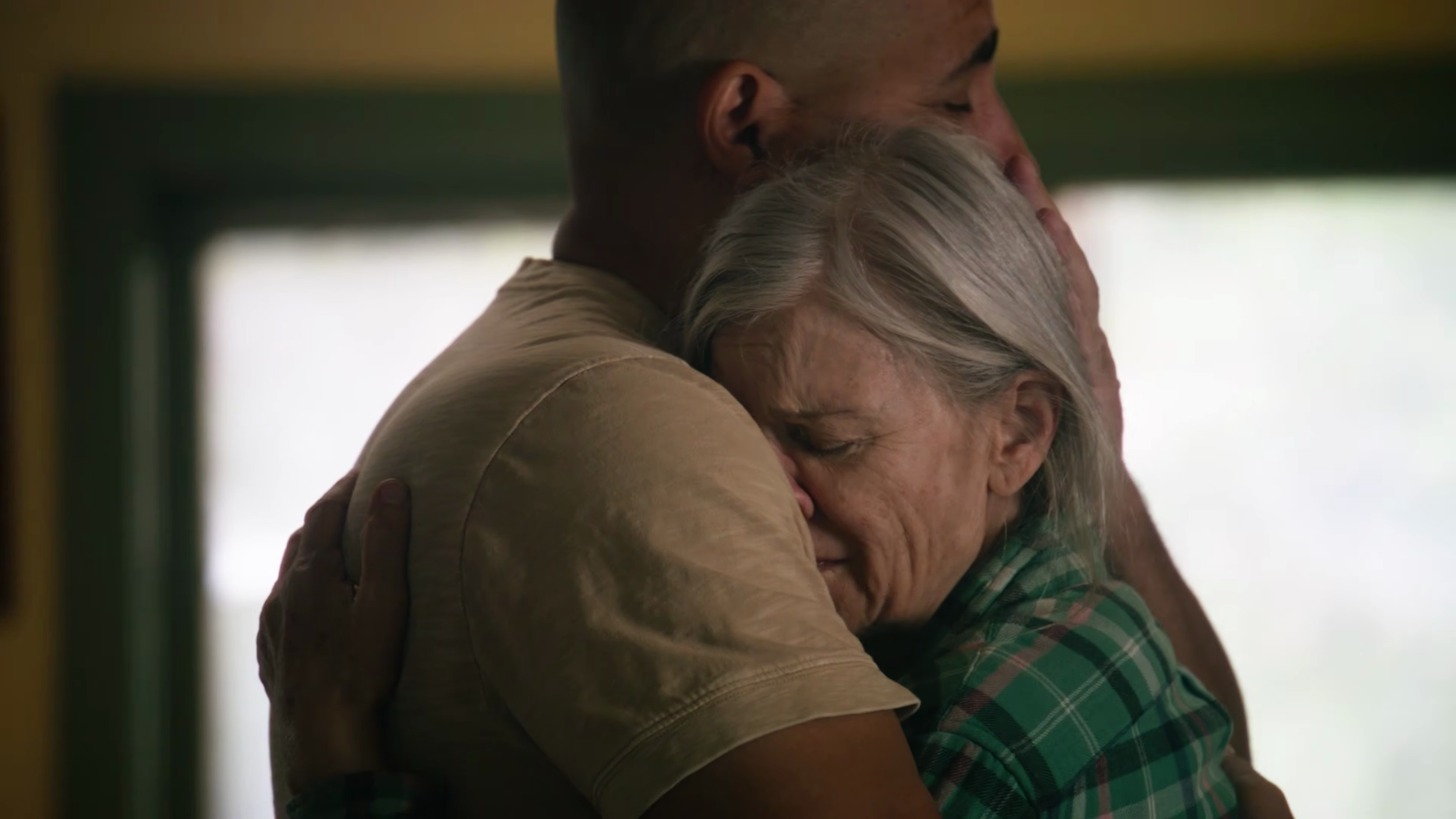
From a technical standpoint, Sundown is polished. The editing keeps things moving at a brisk pace and does a good job building tension without overstaying its welcome. The filmmakers also find several creative camera angles that help the movie stand apart visually from the sea of handheld horror films flooding the market. There are some genuinely effective jump scares scattered throughout, and most of them feel earned rather than cheap.
That said, Sundown occasionally struggles with one of found footage's oldest problems: justifying why the camera is still rolling. There are several moments where logic takes a backseat to necessity, and viewers may find themselves briefly pulled out of the experience wondering why anyone would continue filming under the circumstances. It's not a fatal flaw, but it does crack the illusion at key moments.
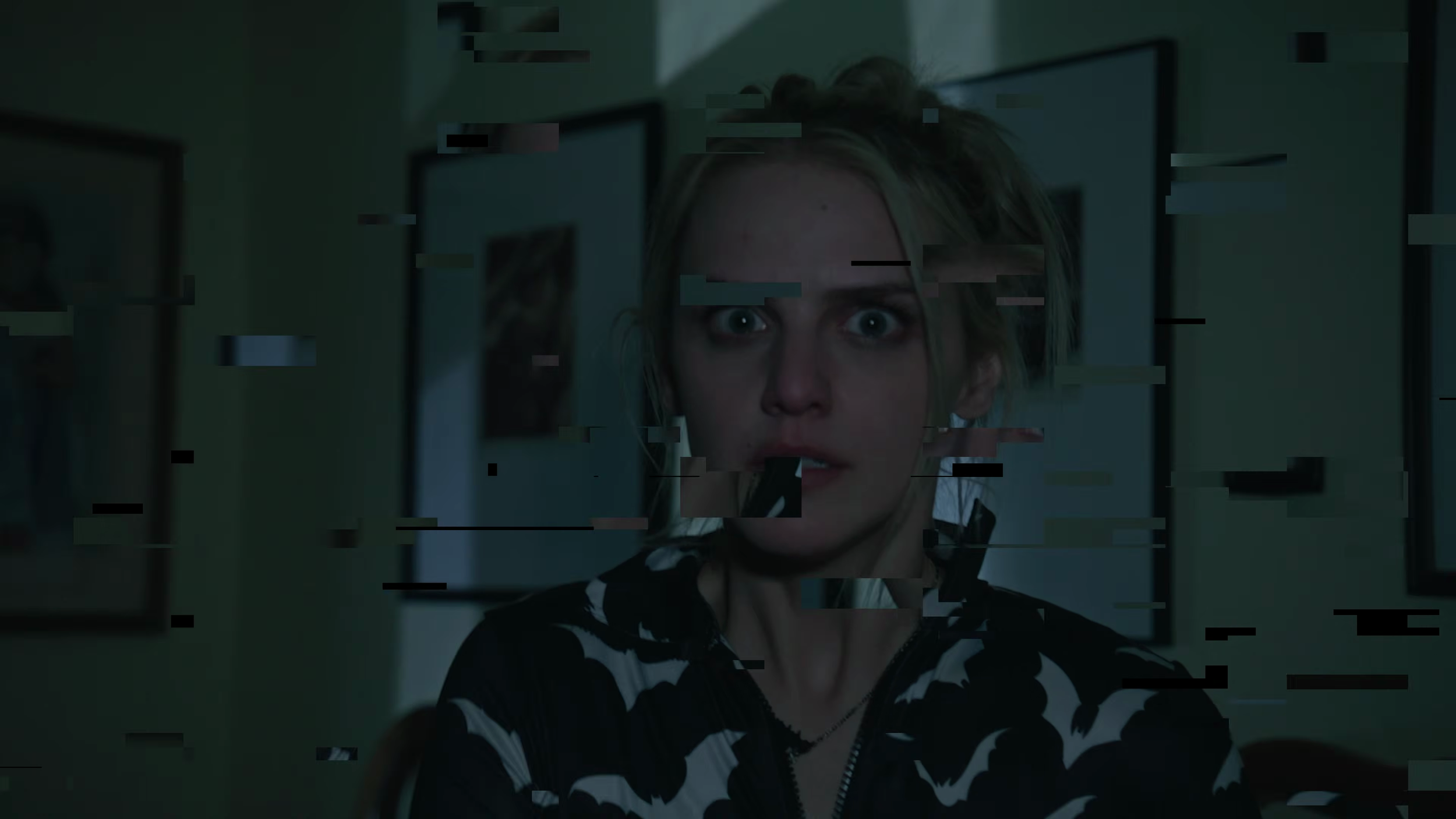
Where the film ultimately wins is in its narrative payoff. While genre veterans will recognize many of the story beats long before they arrive, the screenplay manages to introduce enough twists and emotional complications to keep things engaging. The tone often feels remarkably close to Paranormal Activity, but a few smart deviations help the story avoid becoming a complete retread.
The third act is particularly strong. The finale delivers some of the film's best tension, culminating in a satisfying exorcism sequence that earns the emotional and supernatural chaos that precedes it. Better still, the final revelations land with enough impact to recontextualize portions of the story without feeling forced.
Sunset may not redefine found footage horror, but it doesn't need to. With a strong cast, effective scares, solid technical execution, and a standout performance from Damian Maffei, it delivers exactly what horror fans are looking for. Even when it falls into familiar patterns, it remains consistently entertaining. For a first feature from Brian Klingborg and Marcus Slabine, that's an accomplishment worth recognizing.
Jessie Hobson