Seen as a secret screening at the Houston Horror Film Festival 2026, Hollow Lake was one of those pleasant surprises that remind you why festivals are so much fun in the first place. Going in, all we knew was that it was the latest film from Troy Escamilla, the filmmaker behind Party Night, Mrs. Claus, and Teacher Shortage. Coming out, it felt like we had witnessed a filmmaker take a genuine leap forward. Not only is Hollow Lake Escamilla's most mature work to date, but it's also his most confident, most polished, and perhaps most personal film. Considering where he started, it's honestly hard to believe the same guy who made Mrs. Claus also made this.
The film follows newlyweds Max and Baker, whose relationship has reached a breaking point. Max seeks attention and validation elsewhere while Baker buries himself in work, creating a distance neither seems capable of closing. Hoping to reignite something that has been lost, they organize a weekend getaway to Baker's remote property on Hollow Lake with friends Justin and Cody in tow. What begins as a weekend of hookups, drinking, self-discovery, and uncomfortable conversations gradually transforms into something much darker when a masked killer turns the retreat into a fight for survival. What's interesting is how patient Escamilla is in getting there. Hollow Lake spends nearly an hour operating as a relationship drama and hangout movie before fully embracing its slasher roots, but the investment pays off because by the time bodies start dropping, you've actually gotten to know the people involved.
Much of that success stems from the writing. The dialogue feels natural, relaxed, and lived-in, with conversations that sound like people talking rather than characters delivering exposition. There are some genuinely funny exchanges throughout, and Roger Conners ends up with several of the film's most memorable and quotable lines. Admittedly, a handful of conversations could have been tightened. There are moments where certain discussions feel repetitive or linger longer than necessary. Still, those complaints feel incredibly minor when discussing a film that demonstrates such a dramatic improvement in craftsmanship across nearly every department.
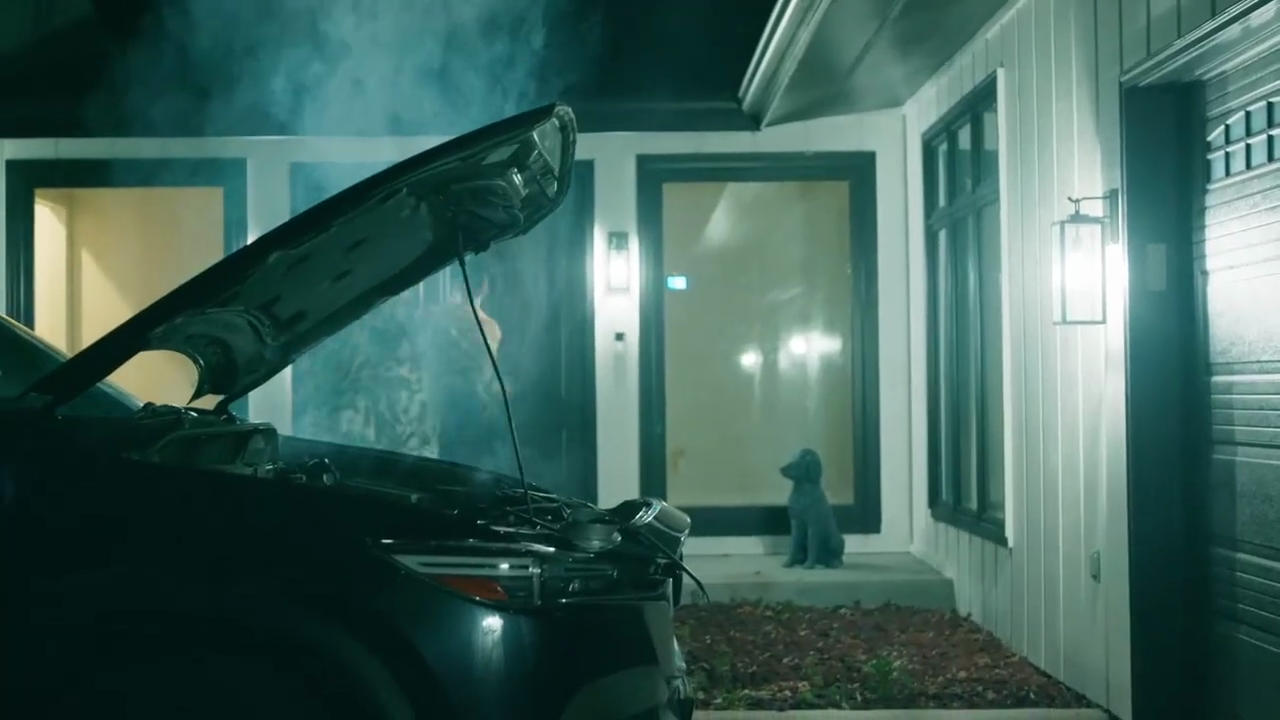
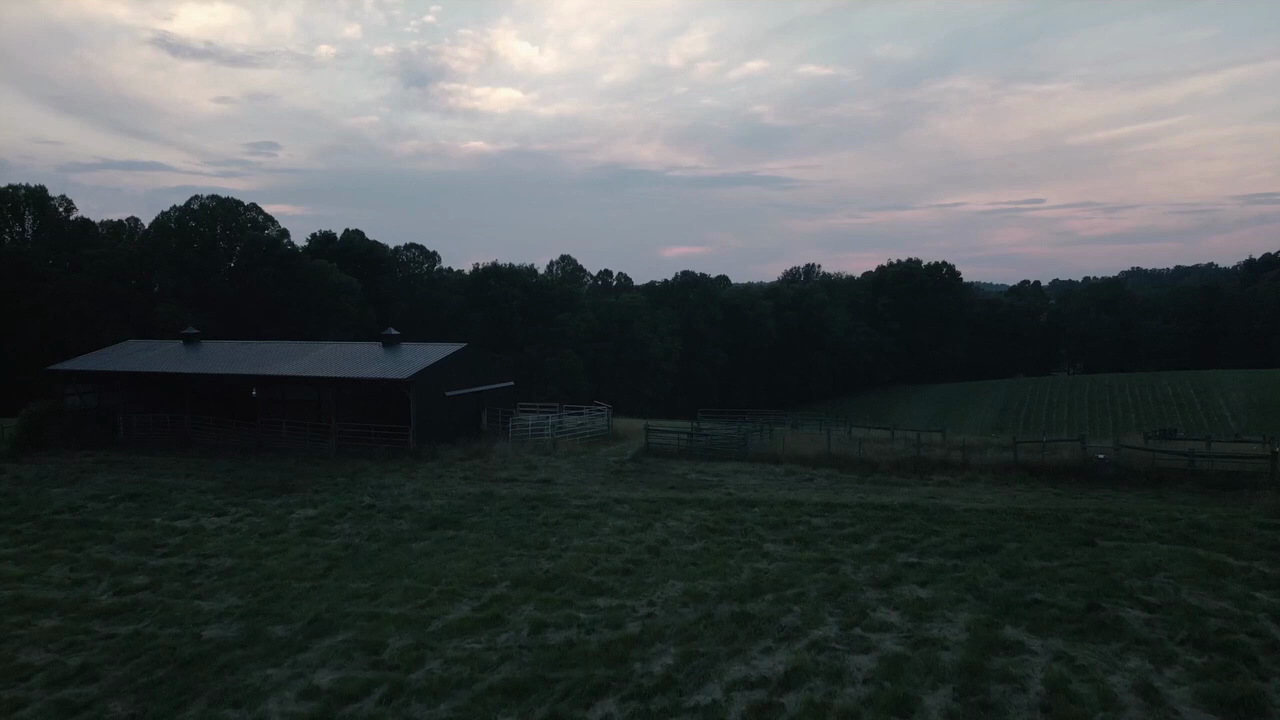
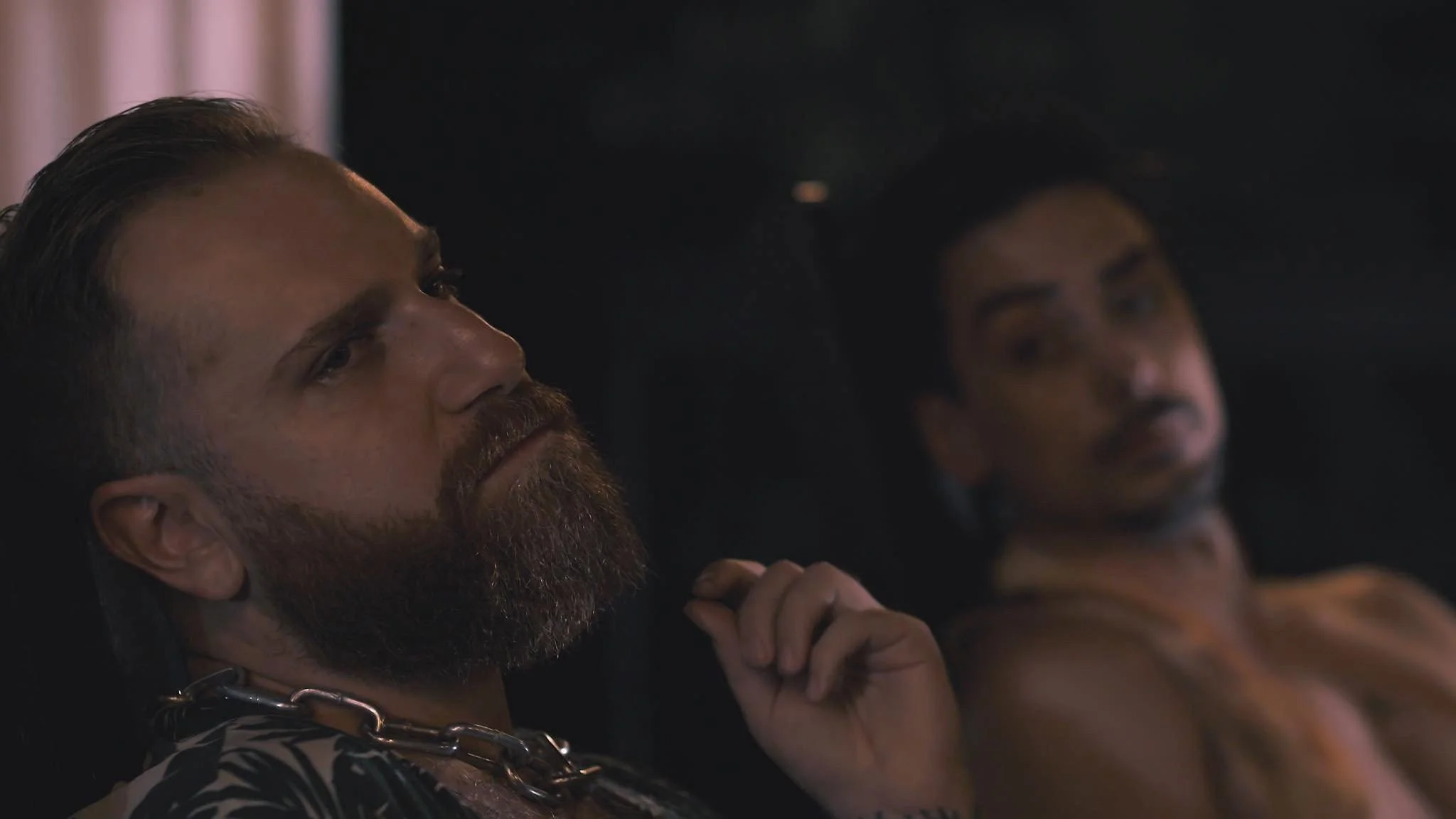
Visually, Hollow Lake is easily the strongest-looking film Escamilla has directed. The grey and blue color palette gives the movie a cold, melancholy atmosphere that perfectly complements the emotional turmoil of its characters. The framing and blocking consistently stand out, while the set design represents one of the most noticeable leaps forward in the director's evolution. Every location feels lived in and purposeful, helping establish character dynamics without drawing unnecessary attention to itself. There’s a striking confidence behind the camera here, showcasing a level of craft and control that marks a significant step forward from Escamilla’s earlier work.
The score deserves special recognition because it elevates nearly every scene it touches. Throughout the film, the music amplifies tension, intimacy, and dread in equal measure, but one sequence in particular left a lasting impression. During one of the film's most intense intimate scenes, the soundtrack adopts an industrial edge reminiscent of Trent Reznor, creating an overwhelming sense of claustrophobia and emotional unease. The scene is already powerful on its own, but the score pushes it into something truly memorable. It's one of the strongest horror scores I've heard in an independent production in quite some time.
And yes, let's address the obvious: Hollow Lake is extremely gay. It is unapologetically queer, refreshingly so, and ultimately a much stronger film because of that commitment. Escamilla never softens the material or waters it down for broader appeal. The intimacy is sensual, the sexuality is front and center, and there are more shots of male nudity than some viewers will probably know what to do with. At times, the film plays like a gay reinterpretation of one of those late-night Cinemax thrillers from decades past, but beneath all of that is a genuinely thoughtful exploration of identity, repression, self-loathing, and acceptance. The film contains a surprisingly fascinating discussion about gay marriage, public perception, and internalized shame that challenged some of my own assumptions. As a straight white man, it's not a perspective I often encounter in horror films, and I appreciated both the honesty and the nuance with which those conversations were handled. Rather than feeling forced or preachy, the themes emerge naturally from the characters themselves.
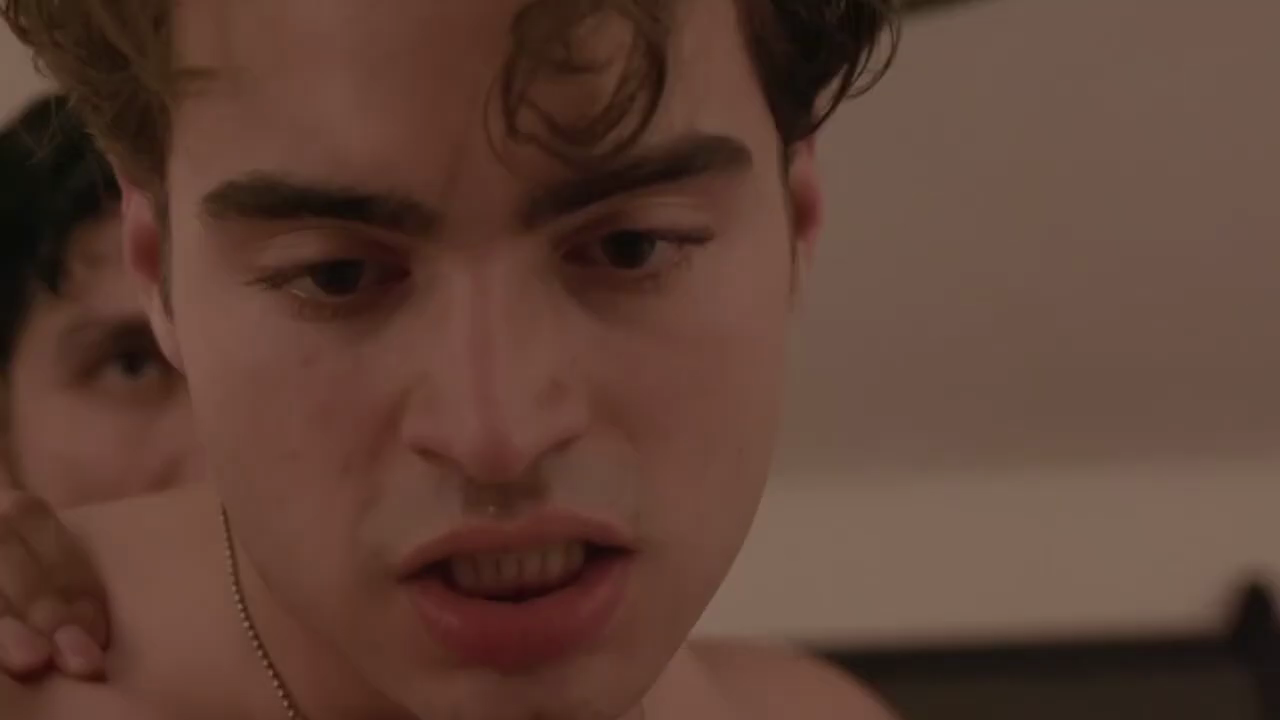
The performances across the board are excellent. There genuinely isn't a bad performance in the cast. Anthony Dain once again proves he's one of the most dependable leading men working in independent horror today. Whether carrying an entire film or showing up in a supporting role, he consistently commands attention, and Hollow Lake is no exception. He brings vulnerability, frustration, and authenticity to Max while anchoring much of the film's emotional weight. Elias Alexandro also leaves a strong impression thanks to an undeniably striking screen presence, while Santiago Sky holds his own throughout despite looking uncannily like Jorge Masvidal from certain angles. If there's a weakest performance in the ensemble, it would probably be Tyler Thomas, but even that criticism feels more like nitpicking than a genuine complaint.
Then the slasher finally arrives.
Once the film shifts into horror mode, it absolutely refuses to take its foot off the gas. Despite its modern themes and contemporary perspective, Hollow Lake carries a ton of classic 1980s slasher DNA. The killer feels reminiscent of the simple but effective villains seen in films like The Prowler and Blood Rage, striking a balance between straightforward brutality and enough mystery to keep audiences guessing. The practical effects are excellent, and one particular kill drew an audible reaction from the crowd. It's brutal, visible, painful, and just squirm-inducing enough to satisfy seasoned gorehounds. Escamilla has always shown talent when it comes to staging kills, but these sequences display a level of confidence and technical proficiency that surpasses anything else in his filmography.
The third act delivers exactly what slasher fans want. The body count escalates, the tension ramps up, and the film unveils a genuinely satisfying reveal. In fact, the reveal and subsequent twists are among the strongest aspects of the entire movie. There is one admittedly cheesy moment that nearly pulled me out of the experience, but it is immediately followed by one of the film's best scenes, making the stumble easy to forgive. There's even a delightfully weird dance sequence that sounds ridiculous on paper yet somehow works perfectly within the film's tone, feeling like something Crispin Glover might have wandered into decades ago.
What ultimately makes Hollow Lake work is that it never loses sight of its characters beneath the bloodshed. Even when the narrative occasionally stumbles, you remain invested in the people at the center of the story. You care who lives and who dies. That's increasingly rare within the slasher genre, and it elevates every kill, every twist, and every emotional confrontation that follows.
Hollow Lake is a raw, sexual, funny, thoughtful, and brutally entertaining slasher that knows exactly what it wants to be. It delivers the mystery, gore, tension, and memorable kills horror fans crave while simultaneously exploring themes of shame, repression, desire, and identity with surprising depth. More importantly, it feels like a major turning point for Troy Escamilla as a filmmaker. Whether his next project resembles Hollow Lake, Mrs. Claus, or lands somewhere in between, I'm officially interested. This is easily the strongest film of his career, and one of the biggest surprises I saw at this year's Houston Horror Film Festival.
Jessie Hobson