
Seen at the Houston Horror Film Festival 2026, Until You're Alone is a film that wears its influences proudly. Writer-director Christopher Wesley Moore crafts a loving homage to Hitchcock, De Palma, and especially the Italian giallo tradition, delivering a murder mystery that is often stylish, occasionally hilarious, and consistently engaging, even when its pacing threatens to derail the experience. The film follows an architect who becomes the prime suspect in a string of brutal murders and reluctantly teams up with a free-spirited sex worker to uncover the truth before they become the next targets.
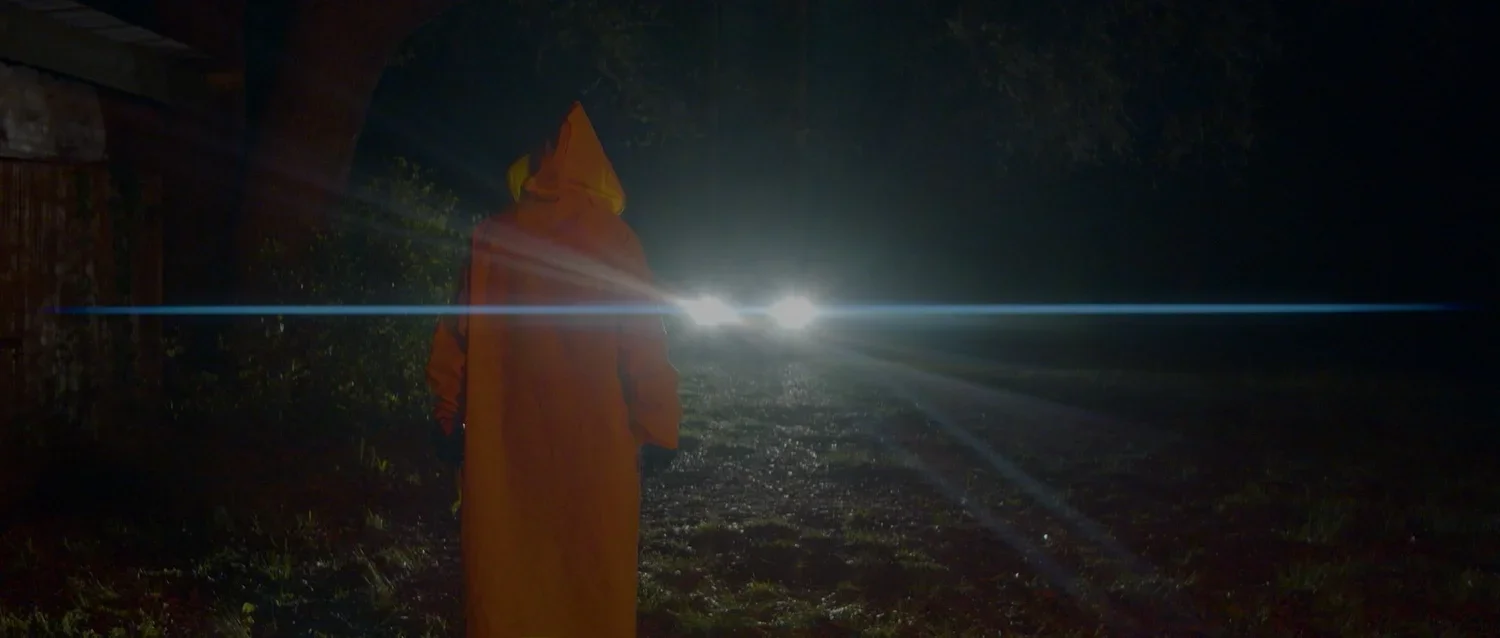
What immediately stands out is how confidently the film embraces its giallo roots. Cinematographer Derek Bond drenches scenes in vivid blues and reds, creating the kind of heightened visual atmosphere that feels ripped straight from a forgotten European thriller of the 1970s. The killer's appearance, the POV stalking sequences, the synthetic score, and the practical blood effects all contribute to an aesthetic that feels authentic without coming across as simple imitation. For a film reportedly made on an estimated $20,000 budget, the visual ambition is impressive, and the editing between scenes is often remarkably smooth.
The strongest element, however, is the mystery itself. Like the best gialli, Until You're Alone understands that a compelling whodunit can cover a multitude of sins. The investigation unfolds with enough twists, red herrings, and surprises to keep audiences invested, even when they think they have the solution figured out. The eventual reveal lands well because the film understands that the journey matters just as much as the answer. Whether you guess correctly or not, it's an entertaining ride getting there.
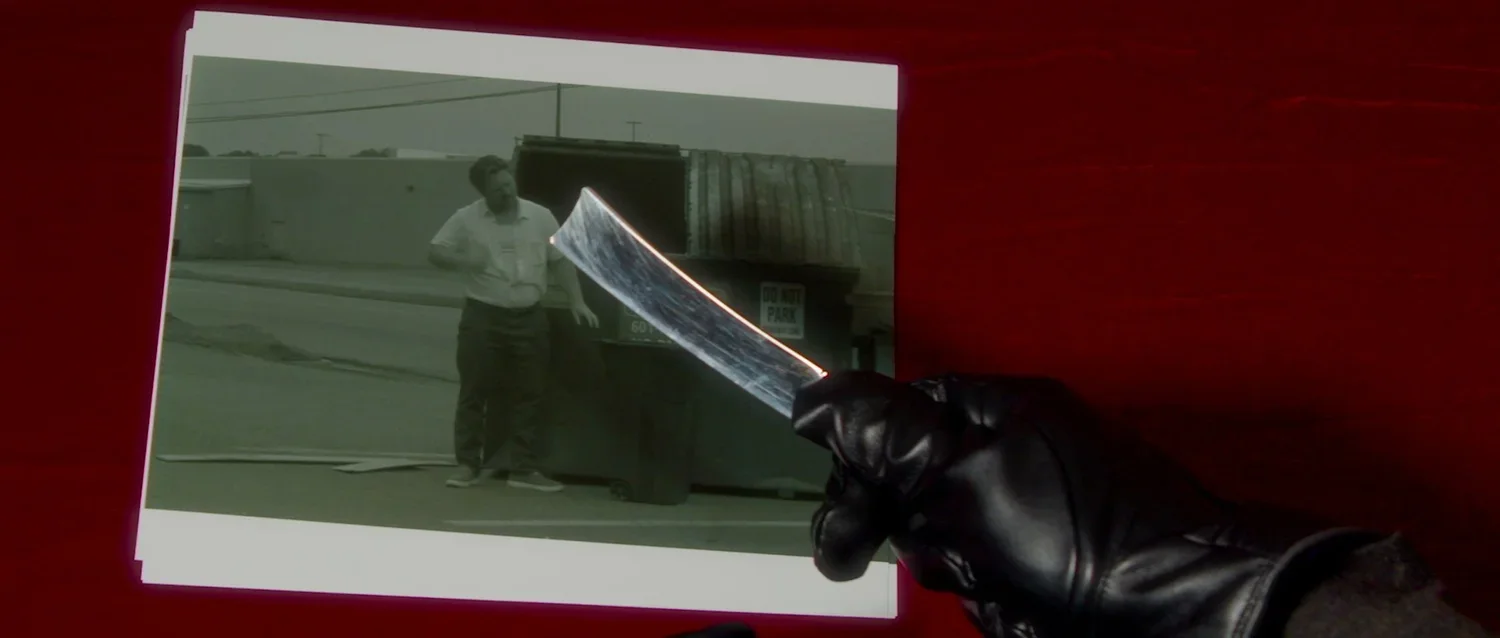
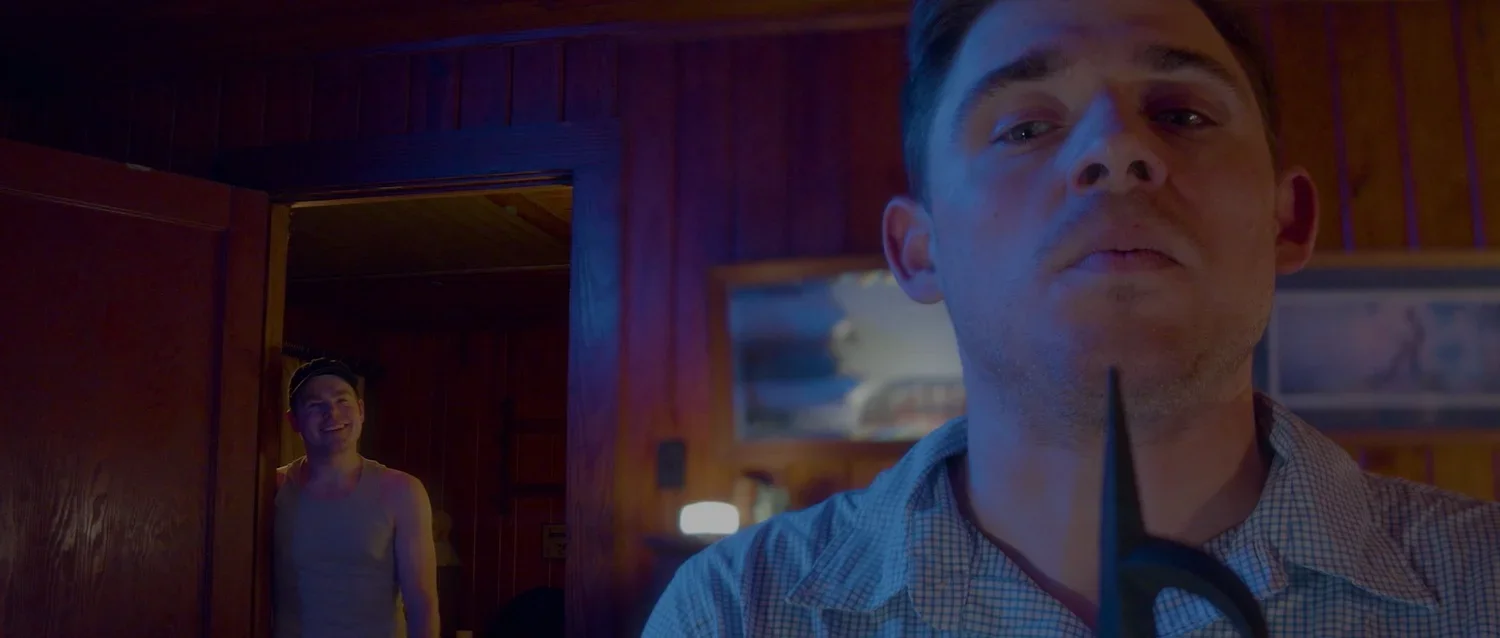
Moore's script also explores themes that fit naturally within the genre's obsession with identity, performance, and hidden selves. The film's discussion of queer identity is particularly interesting because it never feels like it's stopping to deliver a lecture. Some of the funniest and most engaging conversations come from characters debating what it means to be gay versus "really gay," a topic that is not often explored in genre cinema. These exchanges feel authentic, awkward, humorous, and insightful all at once, adding another layer to a story already focused on masks, appearances, and the fear of being seen for who you really are.
The score deserves special recognition as well. It perfectly complements the film's visual style, evoking classic giallo soundtracks without feeling overly derivative. Combined with the saturated lighting and dreamlike atmosphere, it helps create a world that feels both contemporary and nostalgically indebted to its influences.
Unfortunately, Until You're Alone is also a film that struggles with restraint. At 107 minutes, it often feels considerably longer. There are simply too many scenes that drag and too many conversations that fail to move the story forward. The middle section repeatedly pumps the brakes on the thriller elements to focus on character interactions that do not always justify their length. While the relationship dynamics between the leads have value, the film occasionally loses sight of what makes it most entertaining in the first place.
That issue highlights the film's biggest weakness: it is at its best when it fully commits to being a giallo. Every time the mystery deepens, the killer strikes, or the film leans into its heightened visual style, it comes alive. Whenever it drifts away from those elements, the momentum noticeably slows. By the final act, I found myself still interested in the outcome but very aware of the running time and counting down the remaining minutes.
The performances are similarly uneven. Some cast members fully embrace the heightened tone, while others struggle to find the same rhythm. The most distracting problem, though, is the ADR. Several lines are so obviously replaced that they pull attention away from the scene entirely. In a film built on atmosphere, those moments become difficult to ignore.
Even so, it's impossible not to admire what Moore accomplishes here. Until You're Alone feels like a filmmaker enthusiastically pouring every influence he loves onto the screen and finding meaningful thematic connections between classic giallo storytelling and contemporary queer experiences. The violence is effective, the mystery works, the visuals impress, and the film has a genuine personality that many larger productions lack.
There's a really good movie lurking inside Until You're Alone. In fact, there are stretches where it feels like a great one. A tighter edit and a willingness to trim some of the narrative excess would have elevated it considerably. As it stands, it's an engaging, blood-soaked mystery that succeeds more often than it stumbles and proves once again that passion and style can carry a film a very long way.
Jessie Hobson