
Monsters of God, Eric Goode’s latest descent into obsession and ego rot, feels like the natural next mutation after Tiger King and Chimp Crazy, only colder, darker, and more quietly unhinged. Premiering at SXSW with its first two episodes, the HBO and A24-backed docuseries wastes no time letting you know this is not a quirky animal story. This is about power, fixation, and a black-market ecosystem so normalized that even the people enforcing the law seem confused about why any of it is wrong.
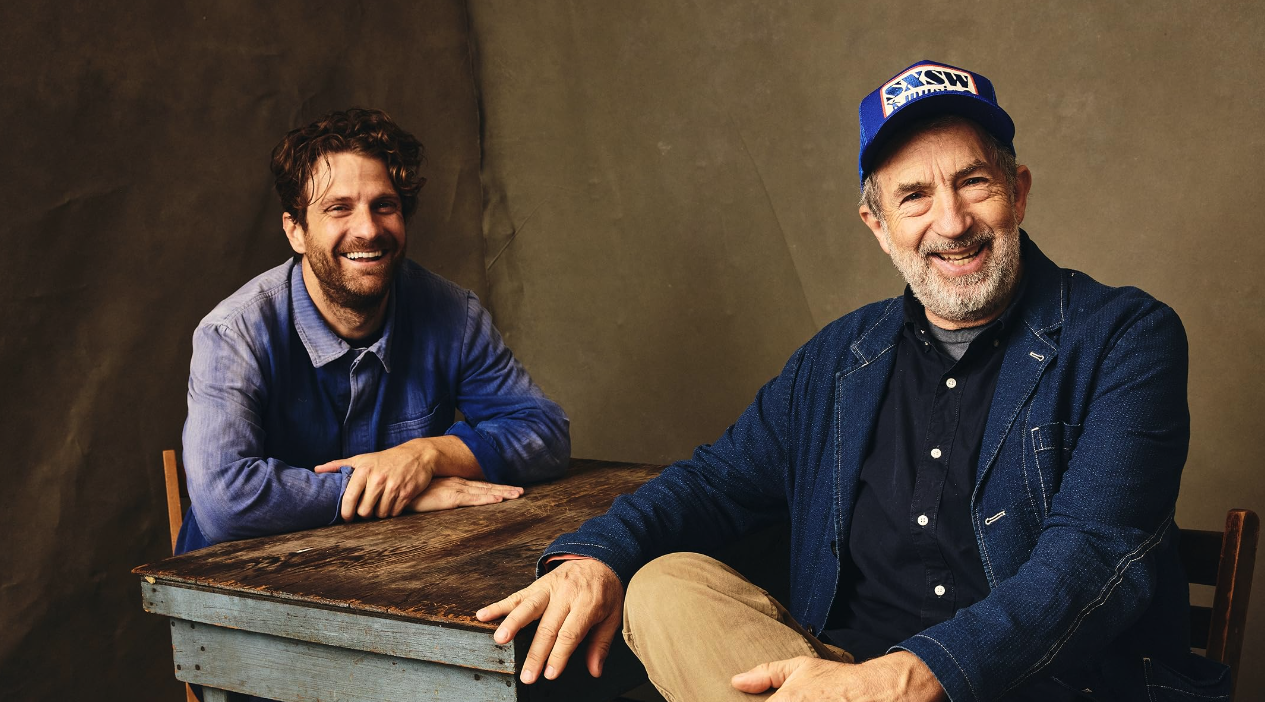
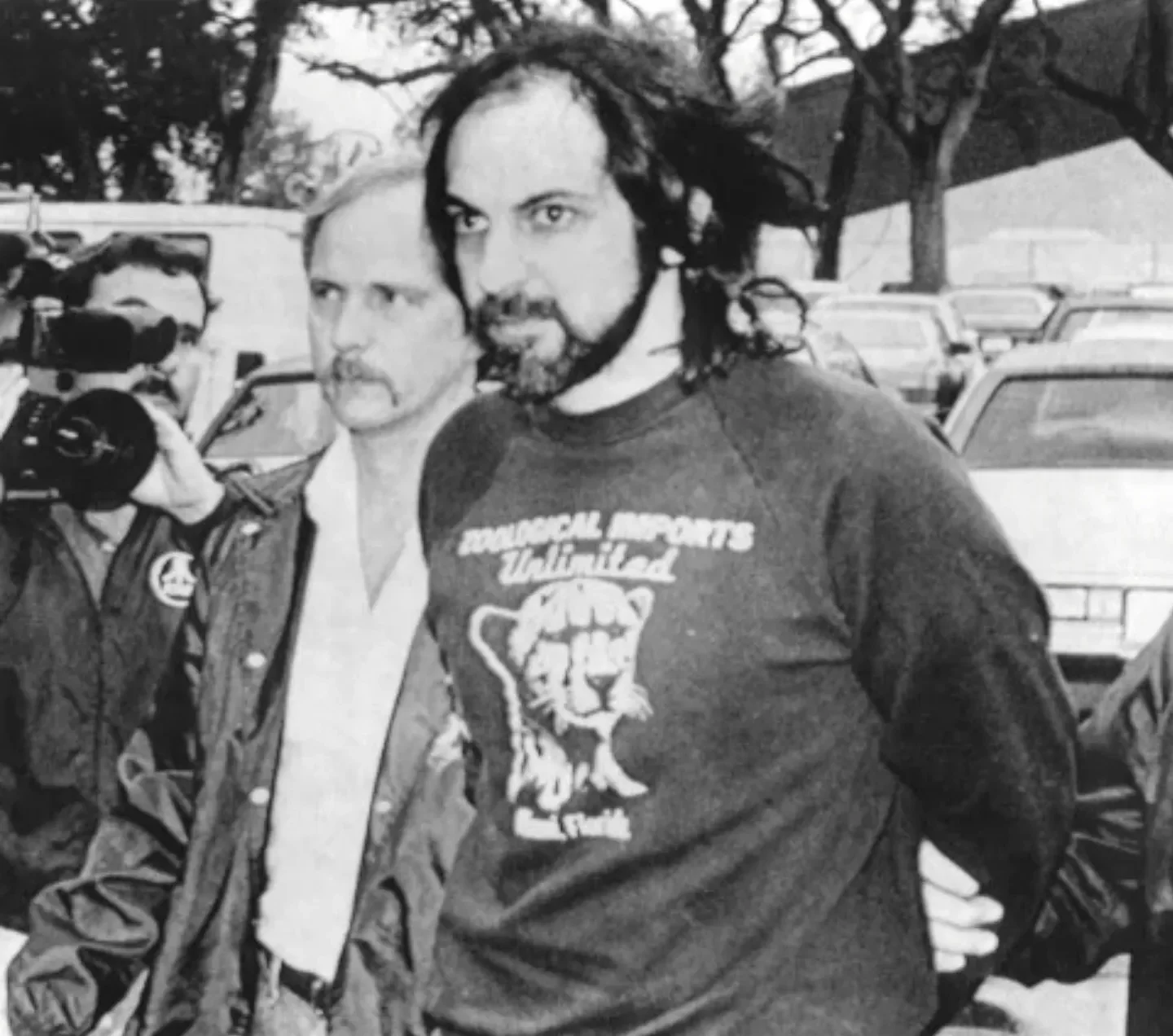
Episode one opens with a surprising amount of humor, the kind that makes you uneasy because the people making the jokes are absolutely serious. Tommy Crutchfield and Hank Molt emerge as reptile-world folk legends, styled like the Carole Baskin and Joe Exotic of the snake trade, except with fewer costumes and far better access to politicians. One of the earliest laughs comes from how earnestly these guys mythologize themselves. They happily liken themselves to Bonnie and Clyde and John Dillinger, which plays less like bravado and more like a warning label.
What the episode does exceptionally well is lay out how we got here. Rather than rushing to the scandals, Goode and his team take time to walk us through the mechanics of the trade. The interviews are thorough, unusually clear, and damning in their simplicity. These men explain exactly how exotic animals are sourced, smuggled, laundered, and sold, and why everyone involved pretends it is fine. Zoos feature heavily, which is crucial because they are not framed as victims but participants. Some even purchased animals illegally through Hank Molt, a fact treated as an open secret rather than a scandal.
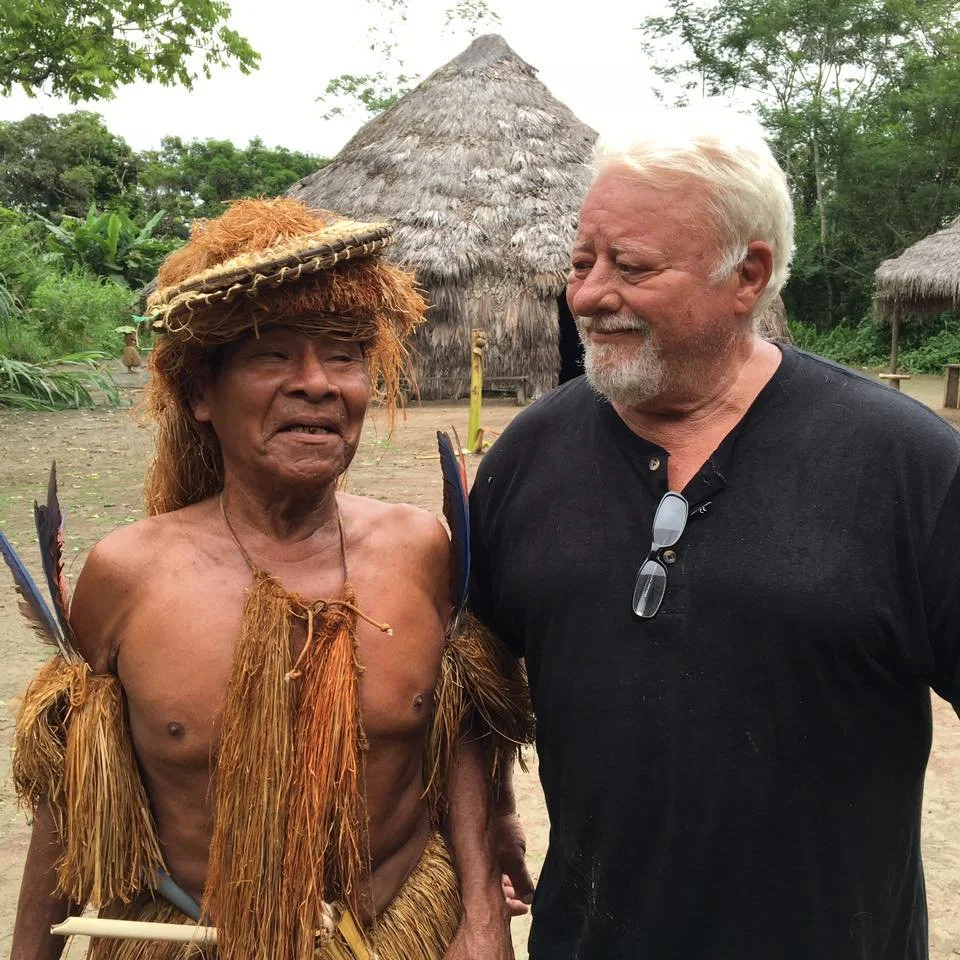
Archival footage is deployed with precision. Home video camcorder footage shot by the talent themselves gives the series a grimy intimacy, like evidence accidentally donated. The b-roll is slick, sexy, and dangerous, slow pans over coils of muscle and scales that feel fetishistic in a way the series is fully aware of. The score hums ominously underneath it all, never letting you forget that obsession always curdles.
We also get the emotional spine of the story. Tommy Crutchfield initially admired Hank Molt. Their falling out is not ideological but personal, rooted in betrayal and ego. Interviews with fish and wildlife officials, zoo personnel, customs agents, and Hank’s minions paint a picture of a man who built an empire by collecting misfits and exploiting them. There is a karate orphan, a nerd, a collection of social outcasts who were useful until they were disposable.
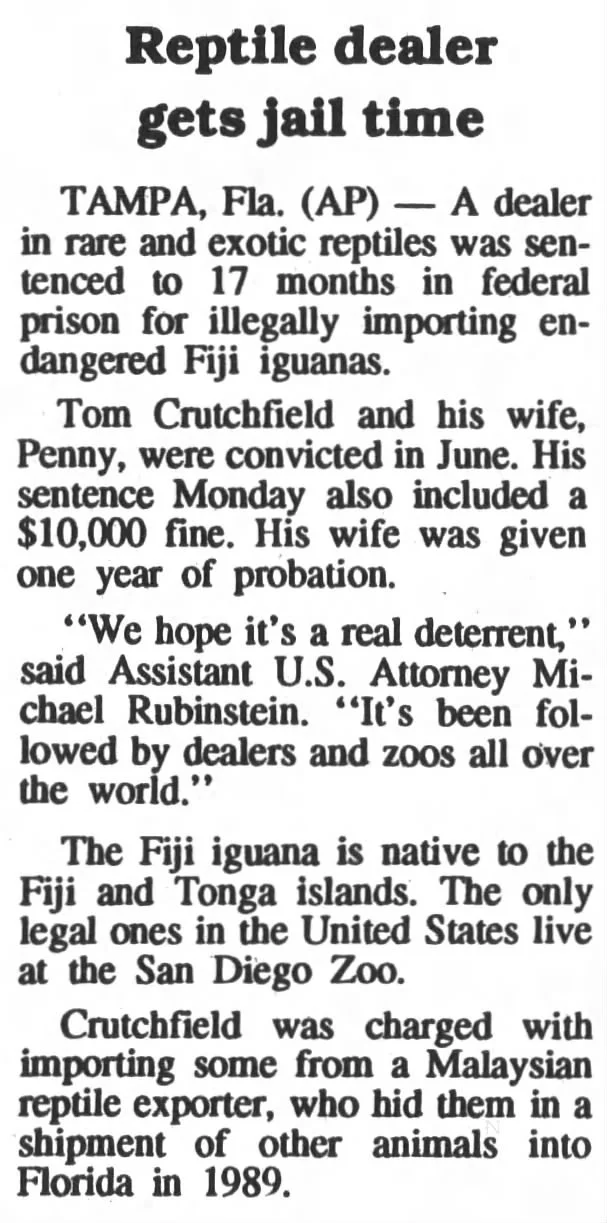
One of the most galling moments of episode one comes when federal agents bust a snake smuggling operation, and the punishment amounts to little more than a fine. The reason is worse. Political pressure. Institutional complicity. The National Zoo’s involvement. Once Hank Molt went down, the industry barely blinked. It simply shifted to Tommy Crutchfield.
Tommy stepped into the vacuum, supplying reptiles to zoos, movies, television, and celebrities. Much of what we see here is documented through footage shot by the subjects themselves, capturing a level of entitlement and recklessness that feels both absurd and terrifying.
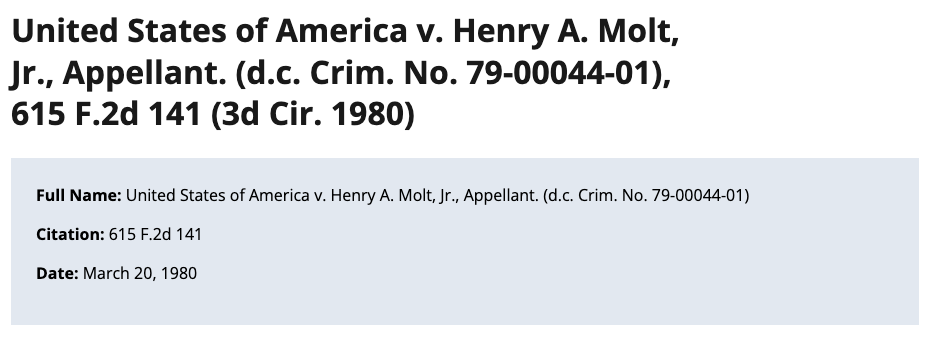
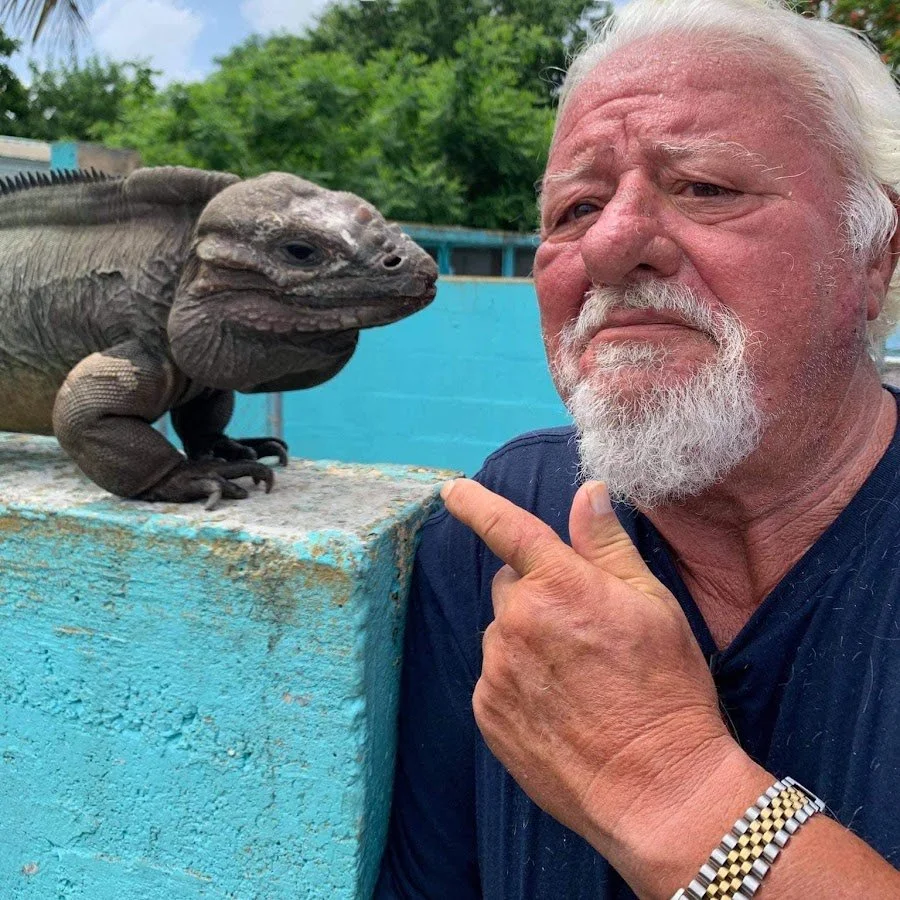
Episode one also zooms in on Fiji island iguanas, not as rare ecological treasures but as colossal liabilities. The lizards were considered too hot, too risky, and too closely watched for anyone to safely move them. No one wanted to touch them. What should have been valuable animals instead became untouchable evidence of how exposed the trade had become.
The episode ends with a gut punch. Hank Molt ultimately sends Tommy Crutchfield to jail and then taunts him from the outside. A final warning appears on screen, stating plainly that the men still operating in this trade are dangerous. It does not feel like a tease. It feels like legal cover.
Episode two takes the warning personally, opening with DEA agent Larry Loveless, whose blunt delivery instantly reorients the series toward hard crime. He is compelling, unfiltered, and occasionally so candid that the episode briefly swerves into uncomfortable personal confession territory.
New players enter. Albert Killian, a reptile handler surrounded by alligators and venomous snakes, embodies the physical risk baked into this world. Then the story shifts to Ray Van Nostrand, who takes over when others are sent to prison. Ray’s arc is complicated by diabetes and Alzheimer’s, leaving his wife, sons, and archival interviews to reconstruct his legacy.
That legacy is wild. Ray Van Nostrand’s involvement with Mario Tabraue, one of the original Cocaine Cowboys, pulls Monsters of God straight into narco history. There are stories of cocaine-fueled chimps, discussions about smuggling Komodo dragons, and revelations that animals were used as cover for moving drugs. After multiple warnings about Mario, the very next scene introduces him on camera. This is why these documentaries work. This level of access feels reckless and intoxicating.
The pieces with Mario Tabraue are among the most jaw-dropping in the series so far. His personal zoo is incredible and horrifying, and it is clear the interview exists because the story needs him. He explains nearly everything, except the one thing everyone is waiting for: why he was released early. That omission stings, but it also feels deliberate.
The episode closes by setting up Ray Van Nostrand’s son, Mike Van Nostrand, as the next figure positioned to inherit the business. The fever does not die. It evolves.
After two episodes, Monsters of God plays less like a true crime doc and more like an autopsy of obsession turned infrastructure. It is funny until it is not. Stylish but unsettling. And perhaps most disturbing of all, it makes a convincing argument that none of this ever really stopped.
I cannot wait for more.
Jessie Hobson