
The House Was Not Hungry Then is not interested in being your typical haunted house movie. Directed by Harry Aspinwall and told almost entirely from the house’s point of view, it is a slow, voyeuristic descent into stillness, absence, and quiet unease.
From the very first shot, the framing and blocking do almost all of the narrative heavy lifting. Every composition feels deliberate, like you are standing somewhere you are not supposed to be. Long hallways stretch unnaturally far. Rooms feel massive and cavernous. Doorways frame empty space as if something should be there but never quite arrives. The lens choices exaggerate the scale of the home, making even familiar domestic spaces feel alien and isolating.
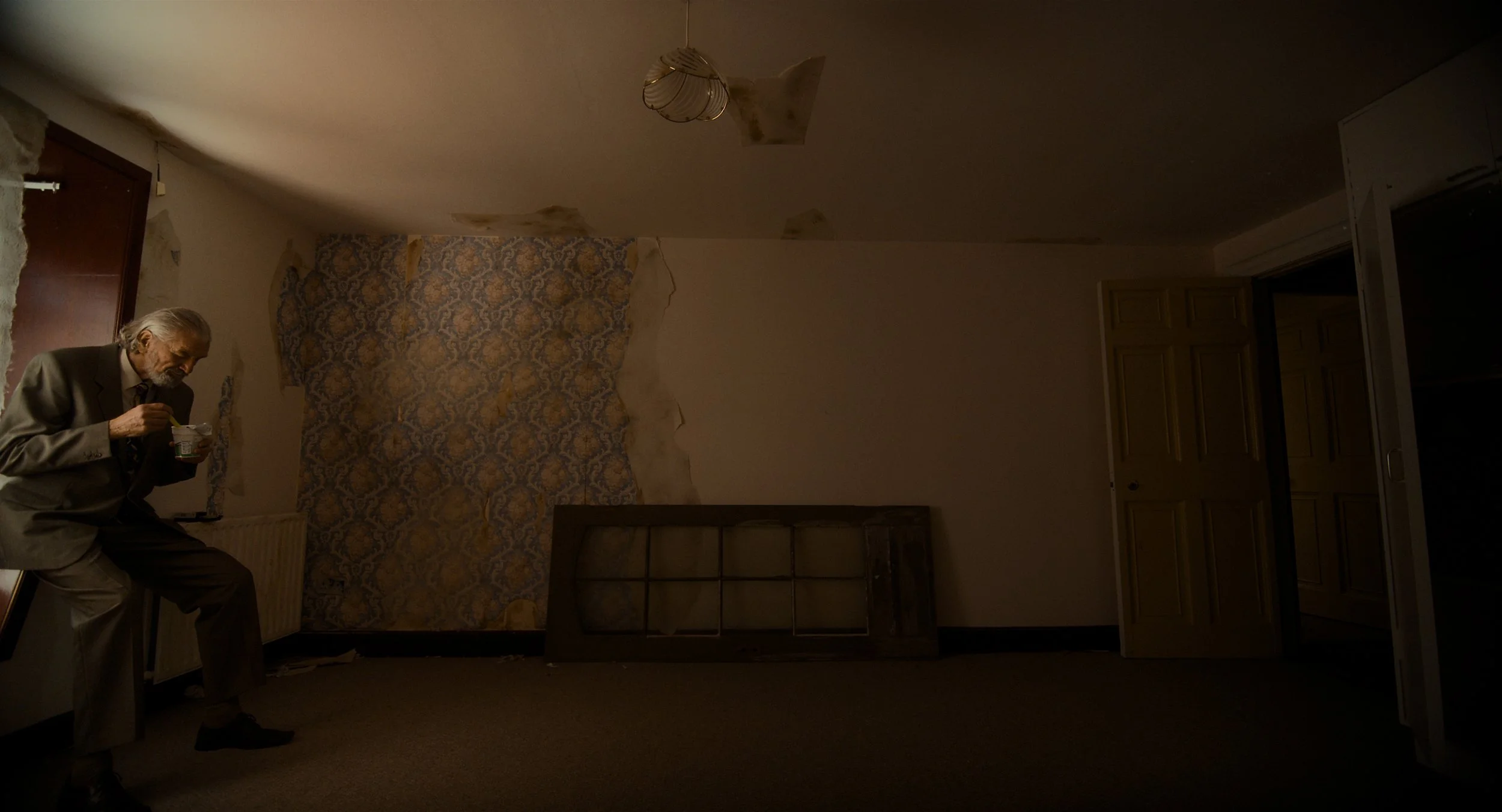
What makes the experience especially unsettling is how little you are allowed to see or hear. Dialogue is mostly off-screen. Conversations bleed in from other rooms. Footsteps echo without bodies ever entering the frame. When we do hear people speak, it is only fragments, just the pieces the film wants you to hear. It is reminiscent of In a Violent Nature in how selective and controlled the sound design is, but taken even further into abstraction.
For anyone who complained that Skinamarink did not deliver, this is the version they were probably hoping for. Where that film leaned heavily into childhood fear and darkness, The House Was Not Hungry Then grounds its discomfort in space itself. It feels like walking through empty houses with your parents as a kid, imagining the families who lived there before you, the lives that passed through, the stories that linger in the walls.
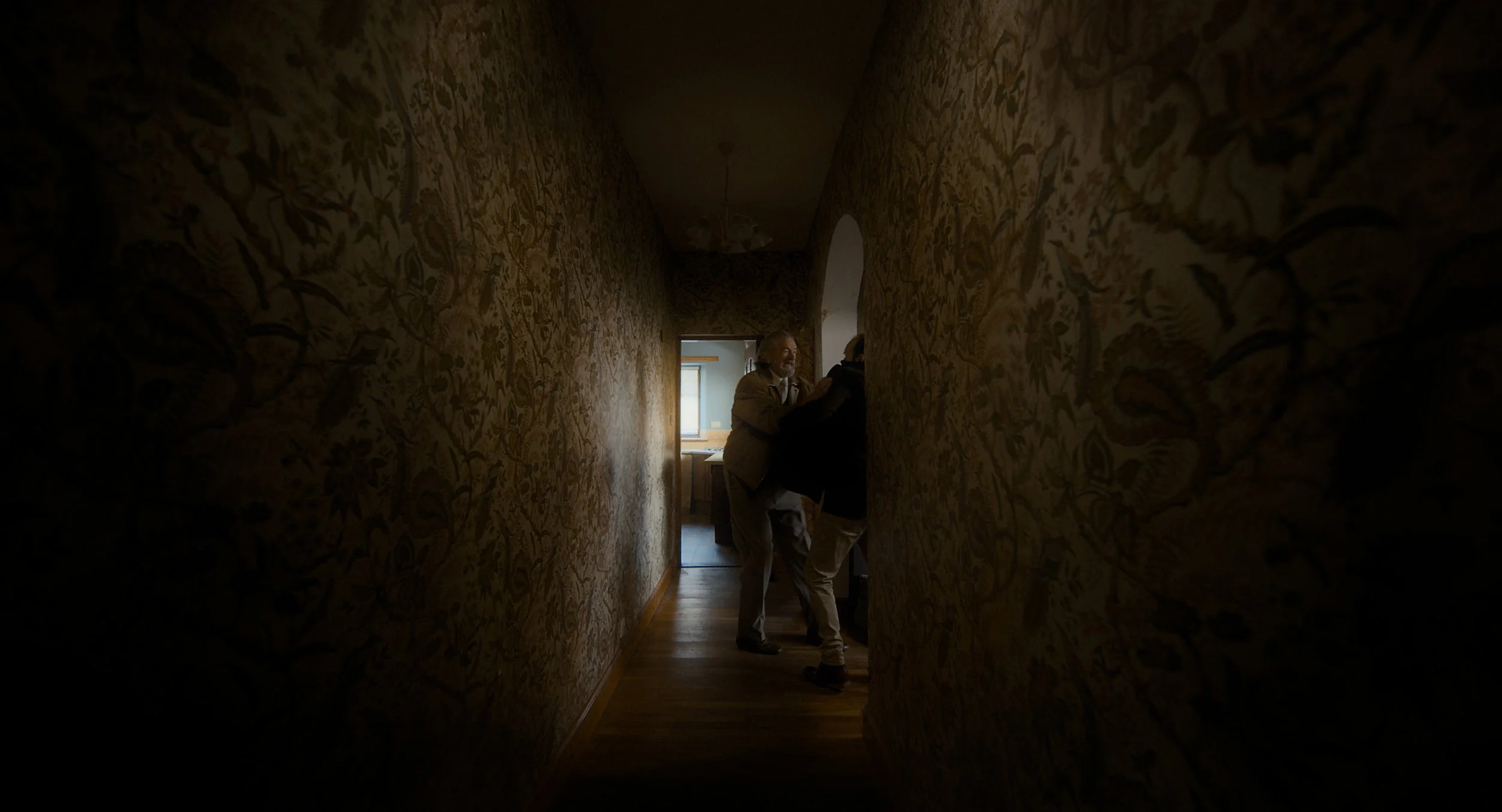
The score is not really a score at all. It is variations of white noise at different intensities, a constant hiss that feels organic rather than musical. It is easy to read this as the house breathing, or simply existing. There are no traditional stings or cues telling you when to be scared. You are left alone with the sound, the space, and your own anticipation.
Despite being labeled a haunted house film, there is something oddly comforting about it. The emptiness feels lonely rather than aggressive. Even when the film grows more ominous, it never loses that strange sense of familiarity. No pun intended, but it feels like home. A home that watches you, judges you, and eventually decides whether you belong.
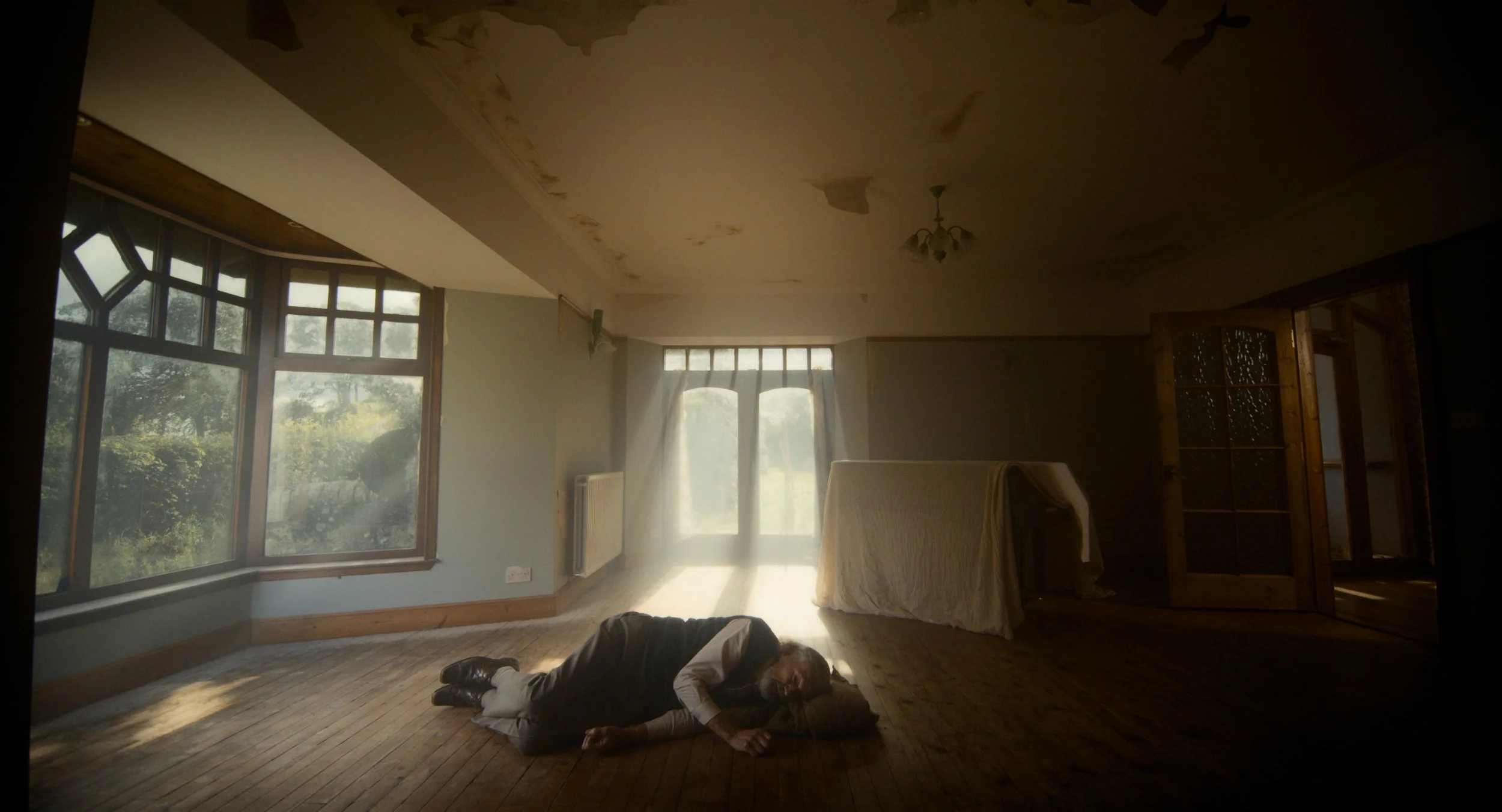
The human characters are secondary by design. Most are silhouettes, distant figures seen through windows, or voices drifting in from off-screen. Even the real estate agent, played with quiet menace by Clive Russell, feels like another fixture of the house rather than a separate entity. Bobby Rainsbury carries the emotional weight of the film almost entirely through reaction alone, which is no small feat when so much of what she is responding to is invisible. It is a genuinely impressive performance, especially given how restrained the direction is.
Exposition arrives sparingly through phone calls and realtor conversations, but nothing is ever fully explained. The mystery surrounding the disappearances, the house’s nature, and the relationship between the caretaker and the entity is deliberately left unresolved. You are expected to sit with the discomfort, the silence, and the unanswered questions. Some viewers will find this hypnotic. Others will find it frustrating.
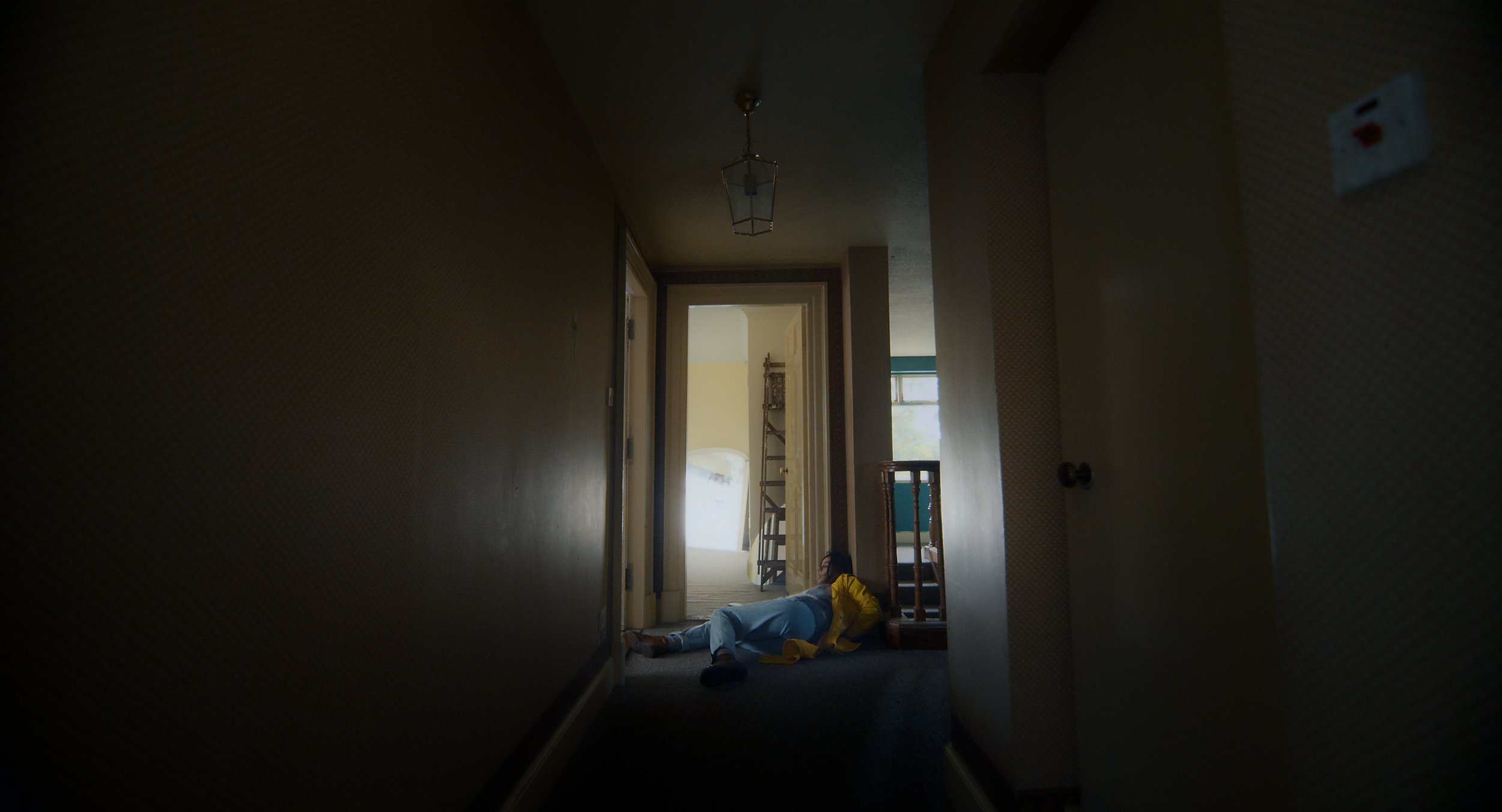
The second act admittedly drags a bit. There is a stretch where you may find yourself wondering where it is all heading, or if it is heading anywhere at all. But once the pieces begin to align, the payoff is well worth the patience. The final act flips the perspective the film has carefully built, and the ending is genuinely excellent. It recontextualizes everything that came before it and leaves you with an image and an idea that sticks.
This is not a crowd pleaser, and it does not want to be. It is a haunted arthouse movie that leans heavily into atmosphere, observation, and restraint. There are no jump scares, no ghosts, and no easy answers. Just empty rooms, muffled voices, and the sense that you are being watched from within the walls.
You may walk away unsure if it all made sense or even if it was objectively good, but it will linger. Clever, eloquent, and deeply strange, The House Was Not Hungry Then is the kind of film that gains appreciation over time as more people stumble into it looking for something different.
If you want an unconventional haunted house story, one that treats architecture as a living thing and silence as its greatest weapon, this is absolutely worth your time.
Jessie Hobson