There is something uniquely energizing about catching a filmmaker right on the edge of release. When I sat down with Bruce Wemple to talk about Capture, it came with the unexpected bonus of being one of the very first people outside his inner circle to actually see the film. Wemple laughed when that came up, explaining that the interview was only his second so far and that the press cycle was just beginning. He admitted he was still easing into the process, but hearing that someone had already watched and enjoyed the movie clearly hit home. “You’re actually the first person outside of the inner circle I’m talking to who’s seen the movie,” he said, visibly excited. “That’s great to hear that you had fun with it.”
That enthusiasm bleeds directly into Capture, a film that feels both confident and personal. While Wemple has built a reputation on creature features and high-concept indie horror, this one plays a little differently. It is leaner, meaner, and far more controlled, leaning hard into haunted object horror and haunted house energy alike. As Wemple put it, while the camcorder at the center of the film drives the narrative, for him it was just as important that the house itself carried weight. He described Capture as being “just as much a haunted house movie” as anything else, citing classics like The Innocents, Psycho, and even The Conjuring as touchstones for atmosphere and tension.
That atmosphere owes a lot to sheer luck. The abandoned family home seen in the film is a real location, something Wemple emphasized was non-negotiable once the script started to take shape. He explained that they knew they either had to “find the perfect house” or start building interiors, and they struck gold. The owner was immediately supportive, and the house itself came preloaded with character. High ceilings, a basement with hanging insulation, and a sense of age you could feel standing in the room. Even the white sheets draped over furniture served a dual purpose, protecting the owner’s belongings while also reinforcing the idea that the house had been sitting untouched for years.
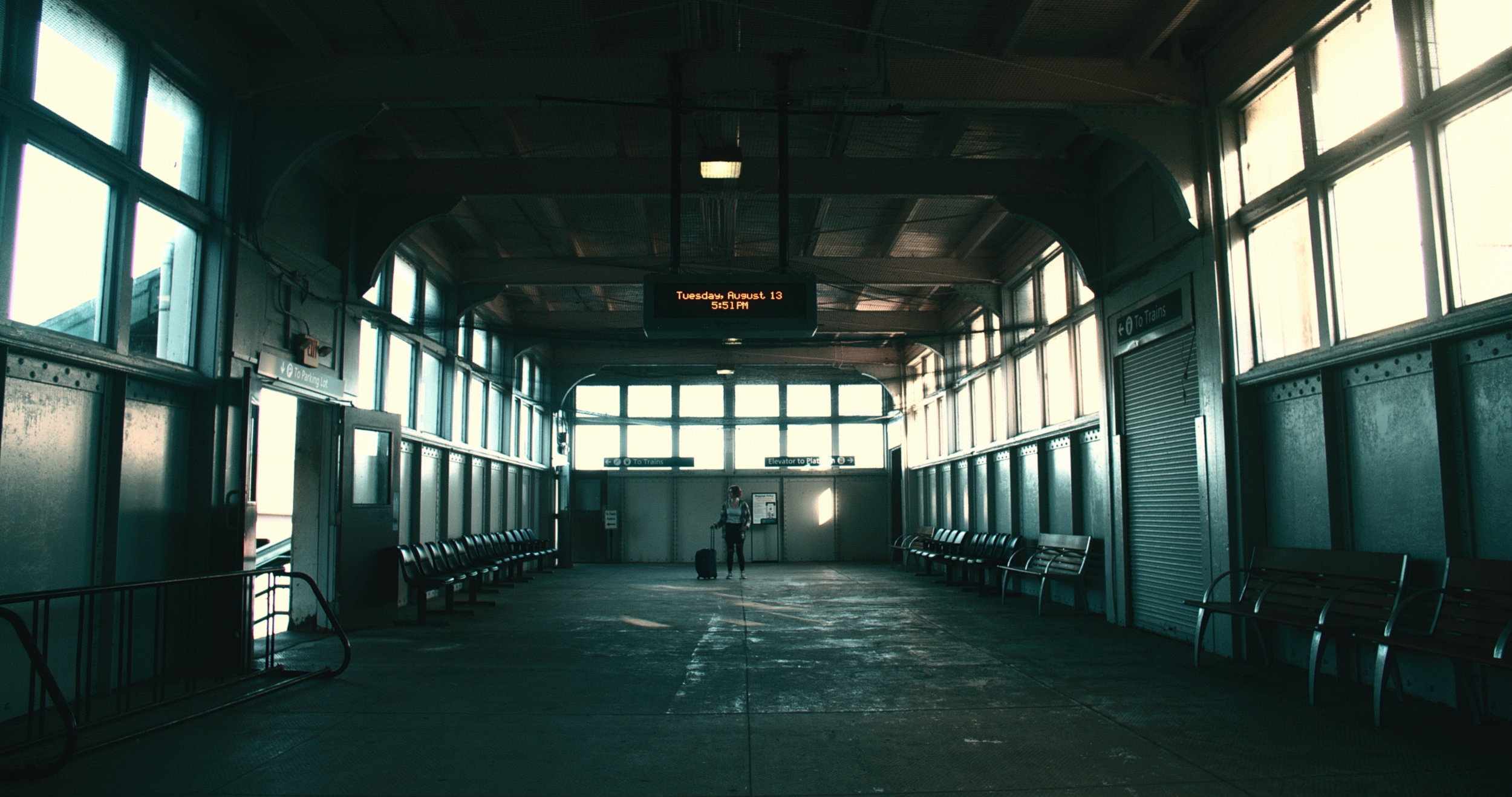
That sense of isolation is amplified by the film’s opening drone shot, something Wemple admits he is usually cautious about. Drones have become shorthand for production value, and he openly acknowledged having overused them in the past. These days, he approaches them with restraint, only deploying them when they truly serve the story. In this case, the shot mattered. “This is a house by itself, isolated,” he explained, adding that capturing that feeling visually was essential to selling the tone.
At the center of it all is Kaitlyn Lunardi, whose performance as Abby anchors the film. Wemple’s working relationship with Lunardi stretches back multiple projects, starting with a cold audition on The Hangman, where she was technically wrong for the role but too compelling to pass up. From there, The North Witch cemented her place as a trusted creative partner. Wemple recalled realizing on that film just how deeply she commits, how she “forgets about everything else and just becomes this person.” By the time Capture was even being written, Lunardi was already in his head for the role. He started pitching her ideas before the film was greenlit, and by the time cameras rolled, she knew the character inside and out. That familiarity made the shoot demanding but fluid. Communication was easy, even when the production itself was anything but.
Those difficulties only intensified once the practical effects came into play. Wemple is known for grounding his horror with in-camera work whenever possible, and Capture is no exception. He praised makeup artist Jessie Haiduk, a frequent collaborator, for handling the film’s more brutal moments, including some particularly gnarly facial effects. Anyone who has worked with practical gore knows how deceptive it can be. A shot that lasts seconds on screen can take an entire day to prep, test, and reset, especially when things go wrong. As Wemple explained, blood gags rarely work perfectly the first time, and when they fail, everything slows to a crawl. On Capture, they planned carefully, never scheduling more than one or two major gags per day to avoid falling behind.
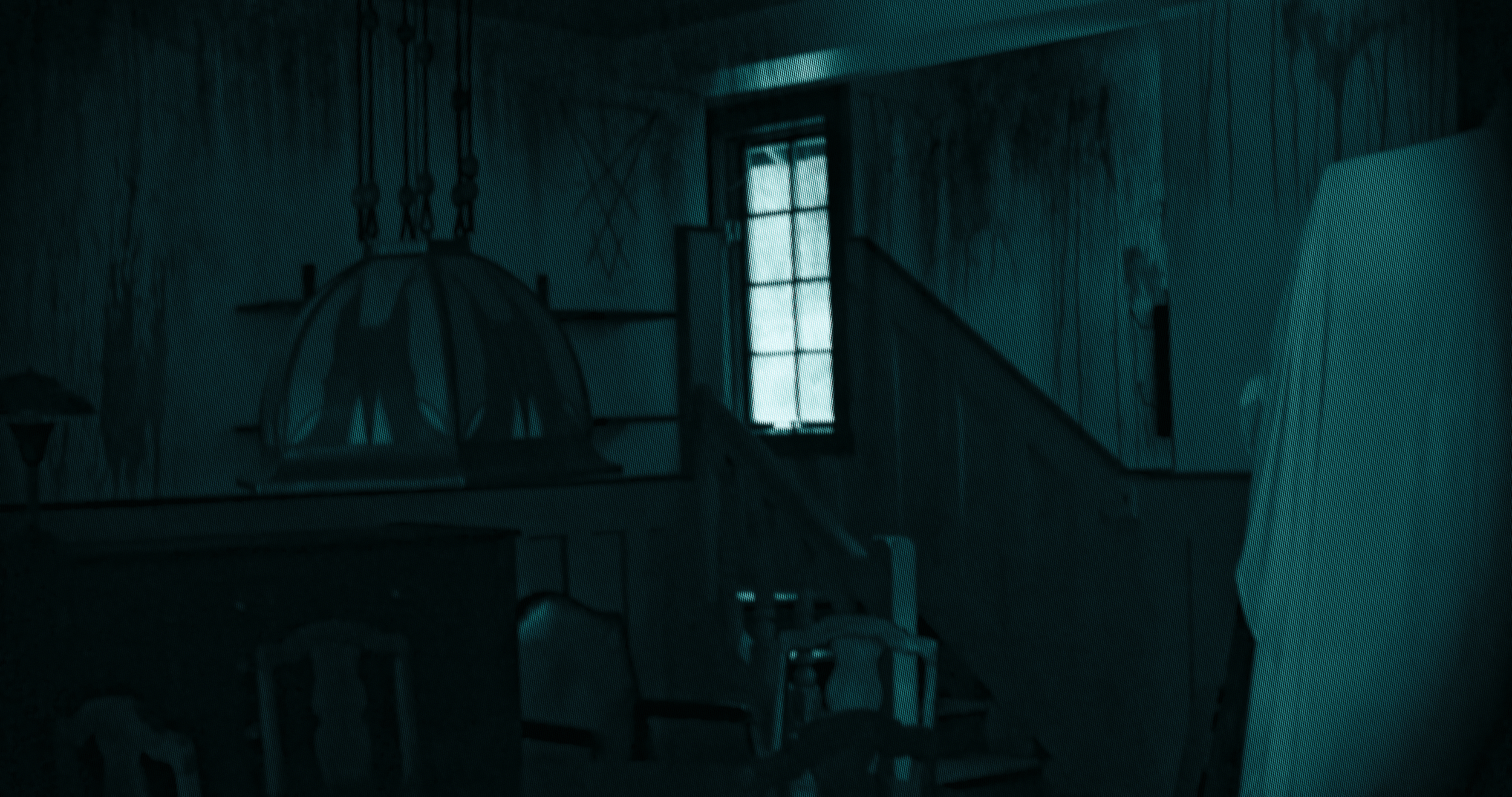
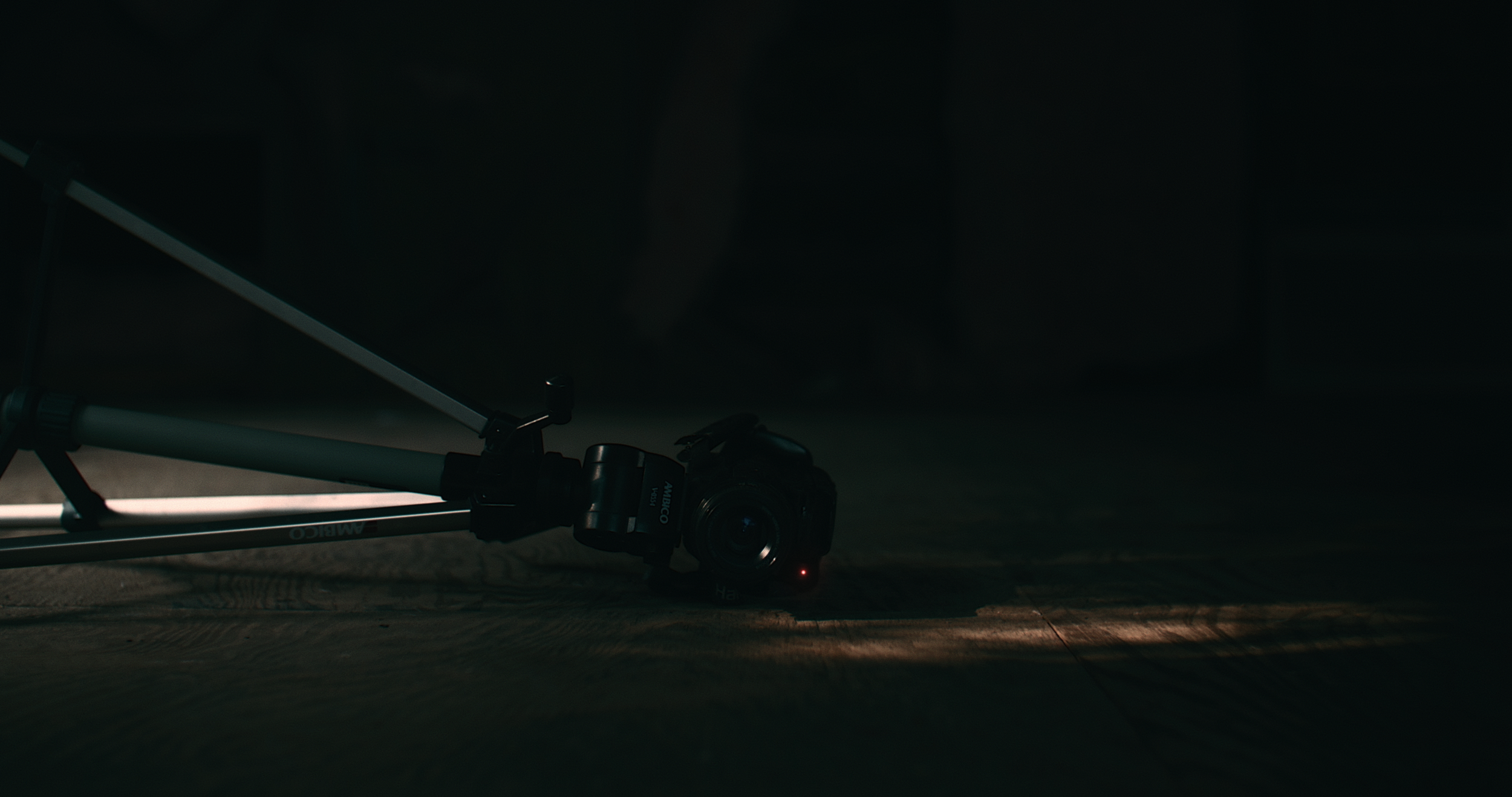
The supernatural influence of the camcorder created another layer of complexity. Wemple leaned on a mix of practical tricks and visual effects, using his own VFX background to enhance what was already captured in camera. Because of the camcorder’s lower resolution, there was more flexibility to sell the illusion. Blood stains could be pinned to walls digitally, subtle environmental shifts could be layered in, and the audience’s brain would buy it all more readily than if everything appeared fully rendered and three-dimensional. It is an approach that keeps the horror tactile, even when the tools are invisible.
As Capture arrives on digital and on demand, Wemple’s hopes for the audience are refreshingly simple. He wants people to give the film their attention. Turn off the lights. Put the phone away. Let yourself sink into the experience. He admitted, half joking and half serious, that the idea of someone watching while second screening makes him uneasy. Horror, especially this kind of slow-burning, white-knuckle horror, demands focus. He is most excited to watch the film play with an audience, to feel the collective tension, even if it is only at a small premiere. That reaction, that shared energy, is why he keeps making these movies.
Talking with Bruce Wemple was as fun as watching Capture. He is thoughtful without being precious, technically sharp without losing sight of why horror works in the first place. Being one of the first people to step into this film made the conversation feel even more personal. If Capture is any indication of where he is headed next, it is clear Wemple is only getting sharper, more deliberate, and more dangerous behind the camera. And honestly, I cannot wait to see what he does next.
Jessie Hobson