
It is funny how the right obsession sneaks up on you. I went into my conversation with Katsuhito Ishii thinking mostly about Kill Bill. Like most people, my entry point was that animated detour tucked inside Tarantino’s first volume, a calling card of surreal brutality that sticks with you. But watching The Taste of Tea, especially now in its director-supervised HD restoration, completely rerouted that curiosity. This was not just a filmmaker with range. This was someone operating on an entirely different wavelength.
That sense of timing is something Ishii himself returns to when discussing The Taste of Tea. Looking back on the film more than twenty years later, he described feeling that “the timing was really right when I made the film,” noting that when he revisits his own work at festivals, some titles still cause a kind of quiet stress. With The Taste of Tea, he said, “I can kind of sit back and relax and enjoy it… Instead of any kind of feelings of disappointment, I feel very relaxed as I’m watching it because I feel very fulfilled by it.”
That fulfillment is palpable on screen. The film feels loose, dreamy, and deeply personal, but not careless. Over the years, it has gained a reputation as messy but heartfelt, a description Ishii does not push back against so much as calmly accept. He acknowledged that the film is built from “lots of detailed ideas connected together like blocks,” and that if people find it cluttered, “that’s totally fair.” What he found more interesting was a comment from the art department at the time, that very few characters in the film are experiencing overt emotional struggle. “The one struggling the most,” he recalled with a laugh, “might be the grandfather who’s already been buried.”
That observation neatly explains why The Taste of Tea feels so different from more conventional family portraits. Emotional arcs are present, but they are not shaped around conflict or catharsis. Ishii explained that his baseline was inspired by long-running Japanese family animations like Chibi Maruko-chan and Sazae-san, stories rooted in everyday routines and familiar rhythms. By grounding the film in such a basic structure, he felt it perhaps became easier for international audiences to connect with it, even as it layered in surreal digressions and visual poetry.
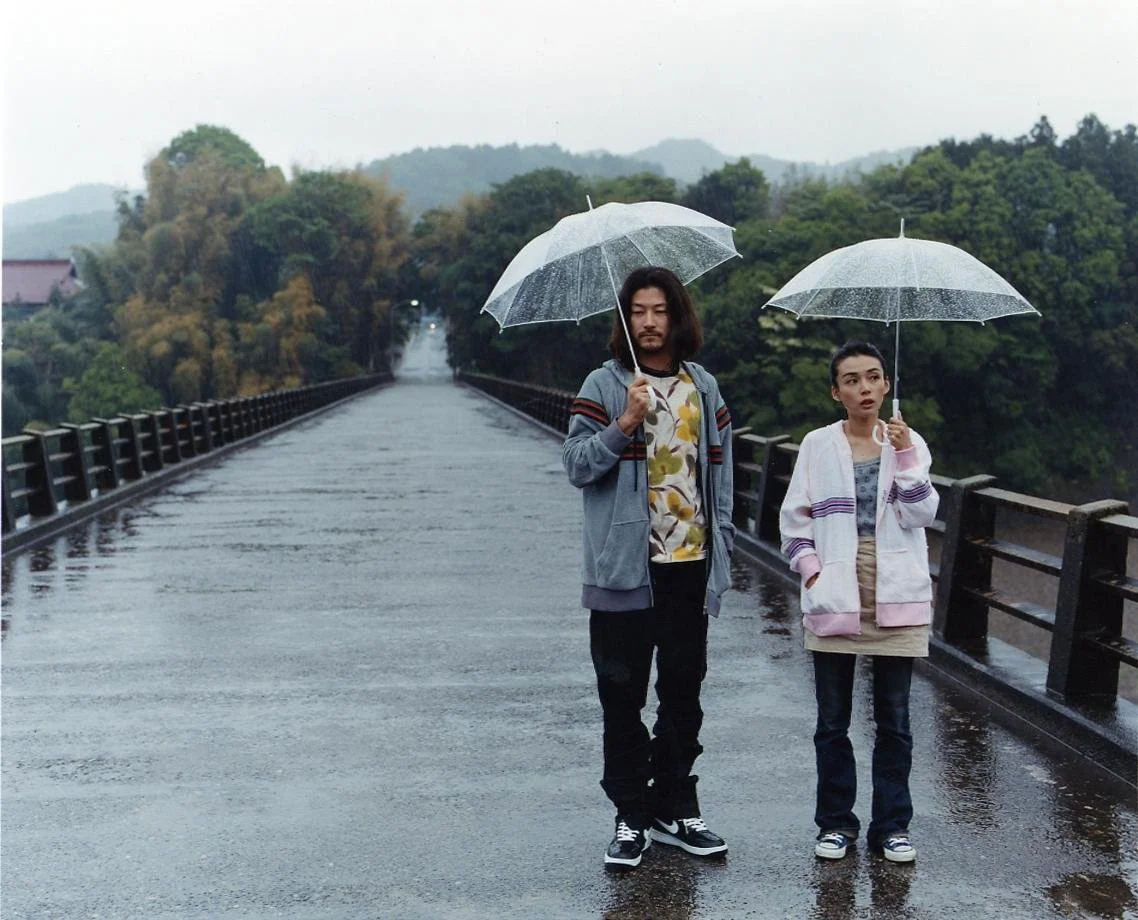
The international response is something Ishii spoke about with genuine surprise and modesty. “I haven’t thought about it too deeply,” he admitted, “but it just makes me very happy that so many people abroad are interested in this film.” The idea that what he personally found funny or meaningful translated beyond Japan clearly still carries weight. That quiet universality feels even more pronounced now, as the film continues to find new audiences year after year.
Part of that rediscovery is thanks to the new HD restoration, which Ishii approached with a distinctly light touch. The motivation itself was practical. He noticed that older prints were becoming scratched and worn during festival screenings, and when the opportunity arose to digitize several of his earlier works, he requested that The Taste of Tea be included as well. But the philosophy behind the restoration was intentional restraint. Ishii said he was careful not to drift too far from how the film looked in 2004, resisting the urge to modernize or dramatically alter the image.
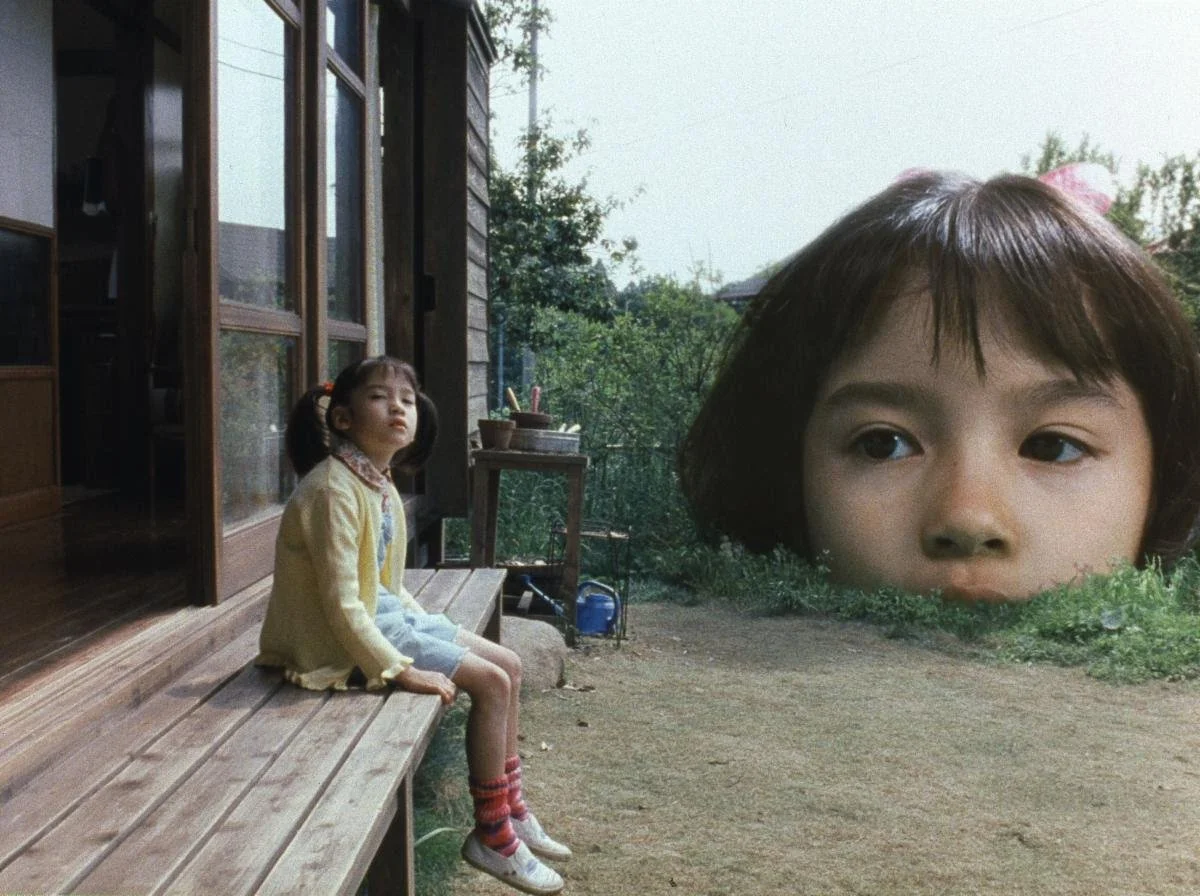
He noted that some directors take restorations as an opportunity to completely rework color grading or contrast, often because those films are scaled up for commercial reasons. For The Taste of Tea, he felt that would be wrong. He described the film as being “more like a collection of poems,” and worked closely with the cinematographer to ensure the tones remained as close as possible to the original film print. The goal was not to update the film, but to preserve its gentle textures and lived-in softness.
Revisiting the film through this process did not radically change Ishii’s emotional relationship to it, partly because he still watches it almost every year due to festival screenings. What did surface were smaller realizations, moments of distance. He laughed about noticing how young Tadanobu Asano looks, or recognizing scenes he likely would not or could not shoot the same way today. There is no regret in those reflections, just the quiet pleasure of seeing a past version of himself clearly.
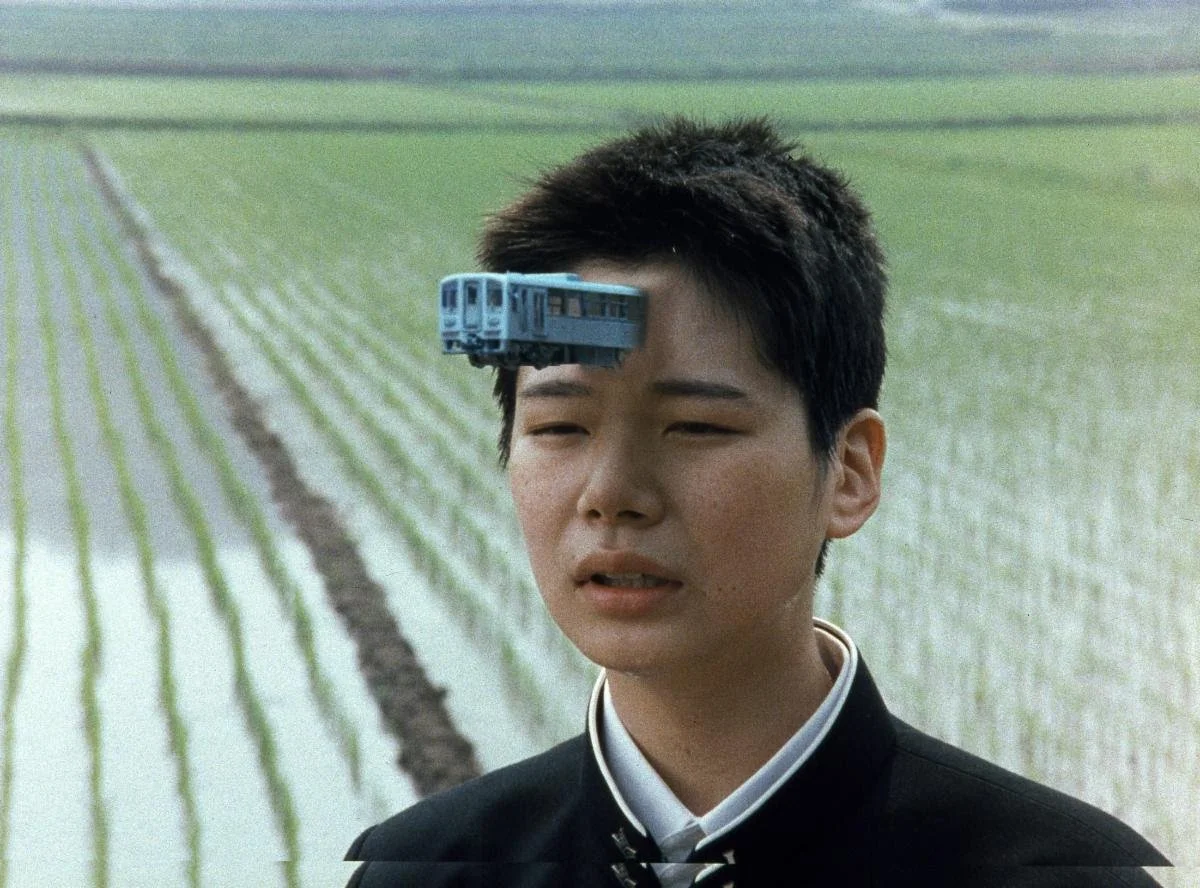
Within Ishii’s filmography, The Taste of Tea occupies a special, almost protected space. He openly acknowledged that, compared to louder, more aggressive works like Party 7 or Funky Forest, this film is the calmest and most settled. It is also the one that comes closest to what he would like to make if given total freedom. Commercial filmmaking, he explained, often demands something more energetic or celebratory. The Taste of Tea exists slightly outside of that pressure, and because of that, it remains singular.
When asked what he hopes first-time viewers take with them after seeing the film on the big screen, Ishii did not offer a grand thesis. Instead, he said he simply hopes people walk away thinking, “Oh, this kind of world exists.” He wants audiences to enter without preconceptions, to accept a film that does not rely on fast cutting, constant closeups, or Hollywood rhythms. It is an invitation, not a demand.

That invitation worked on me completely. What began as curiosity tied to a famous credit turned into something closer to admiration. The Taste of Tea is not just a cult favorite preserved for nostalgia’s sake. Through Ishii’s careful stewardship and unassuming worldview, it feels quietly alive, still capable of surprising new viewers. If this film represents just one corner of his creative world, I am more than ready to explore the rest.
Jessie Hobson