
By the time Roommates landed on Netflix, it stopped feeling like just another comedy drop and started to feel like a moment. The film quickly became a trending title, popping up in group chats, Letterboxd reviews, and even conversations with parents who maybe do not always track Netflix’s algorithm. For Aidan Langford, that sudden omnipresence has been surreal but deeply rewarding.
“It’s really rewarding when people enjoy your work and the movie that you just worked on,” Langford shared, admitting he probably committed the cardinal sin of reading Reddit threads and Letterboxd reactions anyway. What he found was encouraging. The response has been strong, and for an actor reentering the spotlight, that kind of reception matters.
In Roommates, Langford plays Alex, the brother to Sadie Sandler’s Devon. While the film centers on the increasingly volatile friendship between Devon and her roommate, Celeste, Alex quietly carries much of the emotional weight. It is a performance built on small gestures and lived-in moments, the kind that sneaks up on you, then lingers.
Aidan connected to Alex immediately when he read the script, especially through the sibling bond at the story’s center. “One was his relationship with his sister. I thought that was really sweet and powerful,” he said, noting that while his own relationship with his sister was more chaotic growing up, the tenderness between Alex and Devon felt meaningful and grounded.
But it was Alex’s coming-out journey that truly anchored the role for Langford. “His coming out story and journey felt very similar to my own,” he explained. Coming out at a similar age, Langford recalled growing up without characters he could immediately see himself in. “When you’re growing up, and you’re gay, you have to sort of look at a lot of female characters and translate that to your own life,” he said. Playing Alex became a chance to change that equation, to be visible in a way he did not have access to himself.
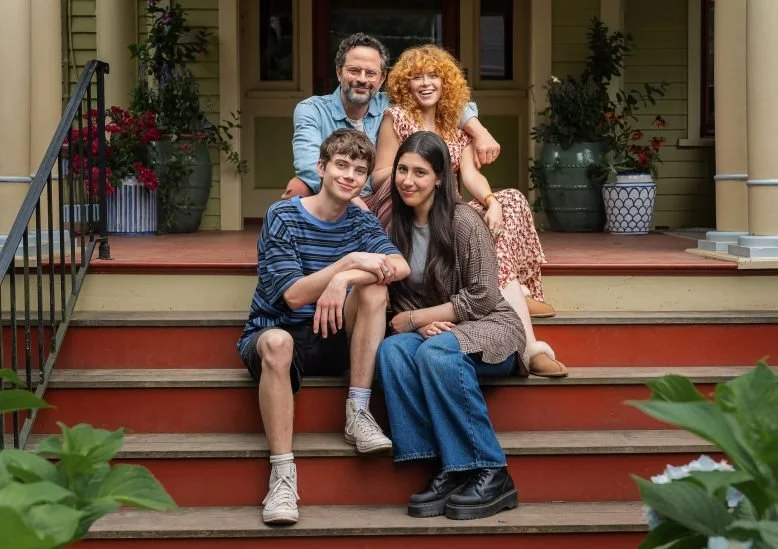
That visibility never turns into caricature. Alex’s journey is handled with restraint and care, something Langford discussed extensively with writer Jimmy Fowlie. They wanted it grounded, resisting the urge to dramatize the moment for effect. As Langford put it, they aimed to “keep it a little bit more grounded and kind of separate it from those other takes.”
That sense of grounding extended across the entire production. Working on a Happy Madison film could have leaned into over-the-top comedy, but Roommates thrives in its balance. On set, that tone came from freedom. “One of the biggest things that was different about this set compared to other ones was the level of improv and banter that was allowed,” Langford said. Nearly every scene includes lines that were never on the page, creating an energy that feels loose but intentional.
Improvisation came with its own pressure, but Langford embraced it. “It takes a little bit of the pressure off,” he said, while acknowledging improv as its own skill set. The environment helped, especially with writers present on set nearly every day and a cast full of comedians. As he put it, “You’re bound to have a good time.”
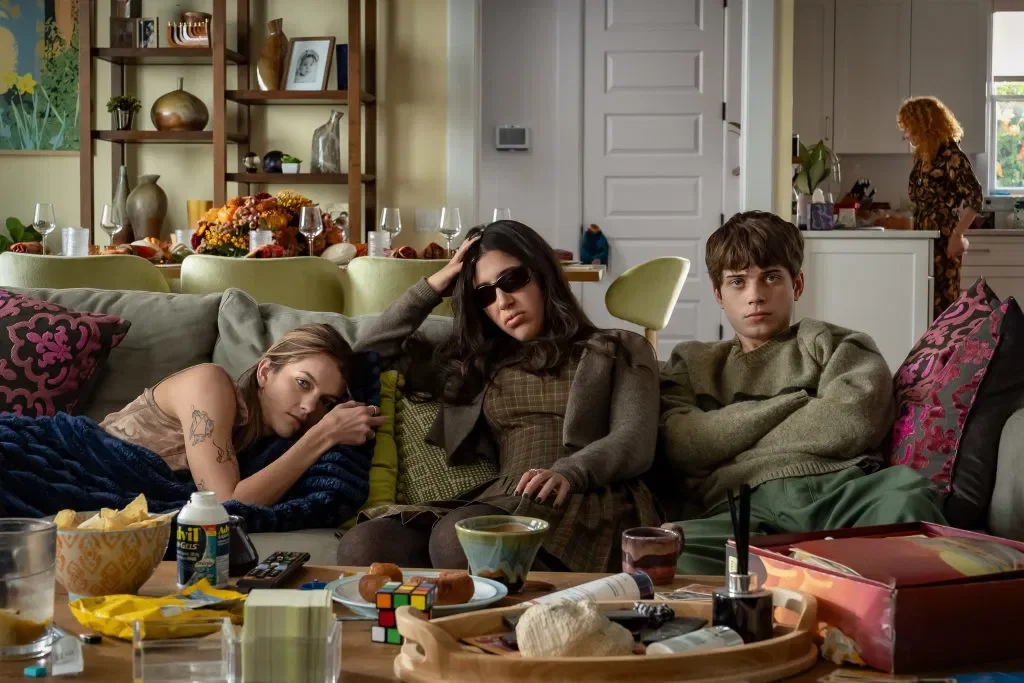
Director Chandler Levack played a huge role in shaping that atmosphere. Langford praised her understanding of the rhythms and awkward tenderness of Gen Z characters. “She really did get it,” he said, adding that she also knows how to communicate with actors in a way that is clear and supportive. That kind of clarity matters, especially when navigating tonal shifts between comedy and vulnerability.
The sibling dynamic between Langford and Sadie Sandler is one of the film’s emotional anchors, and it works because it was real off-camera, too. Sandler, Langford noted, is “a very grounded, open, and sweet person,” making connection easy from the start. They bonded over shared interests, went to movies, grabbed food, and even ventured into New York together early in production. Those moments, small as they seem, are what make their on-screen relationship feel lived in rather than performed.
Finding balance has been a recurring theme in Langford’s career. After early roles like 1985 and Dolly Parton’s Heartstrings, he stepped away from acting to focus on music and painting. That pause proved essential. “That time allowed me to reenter myself,” he said, explaining how exploring other creative outlets led him back to acting with a healthier mindset. The biggest shift was letting go of obsessing over outcomes, something he believes many young actors struggle with.
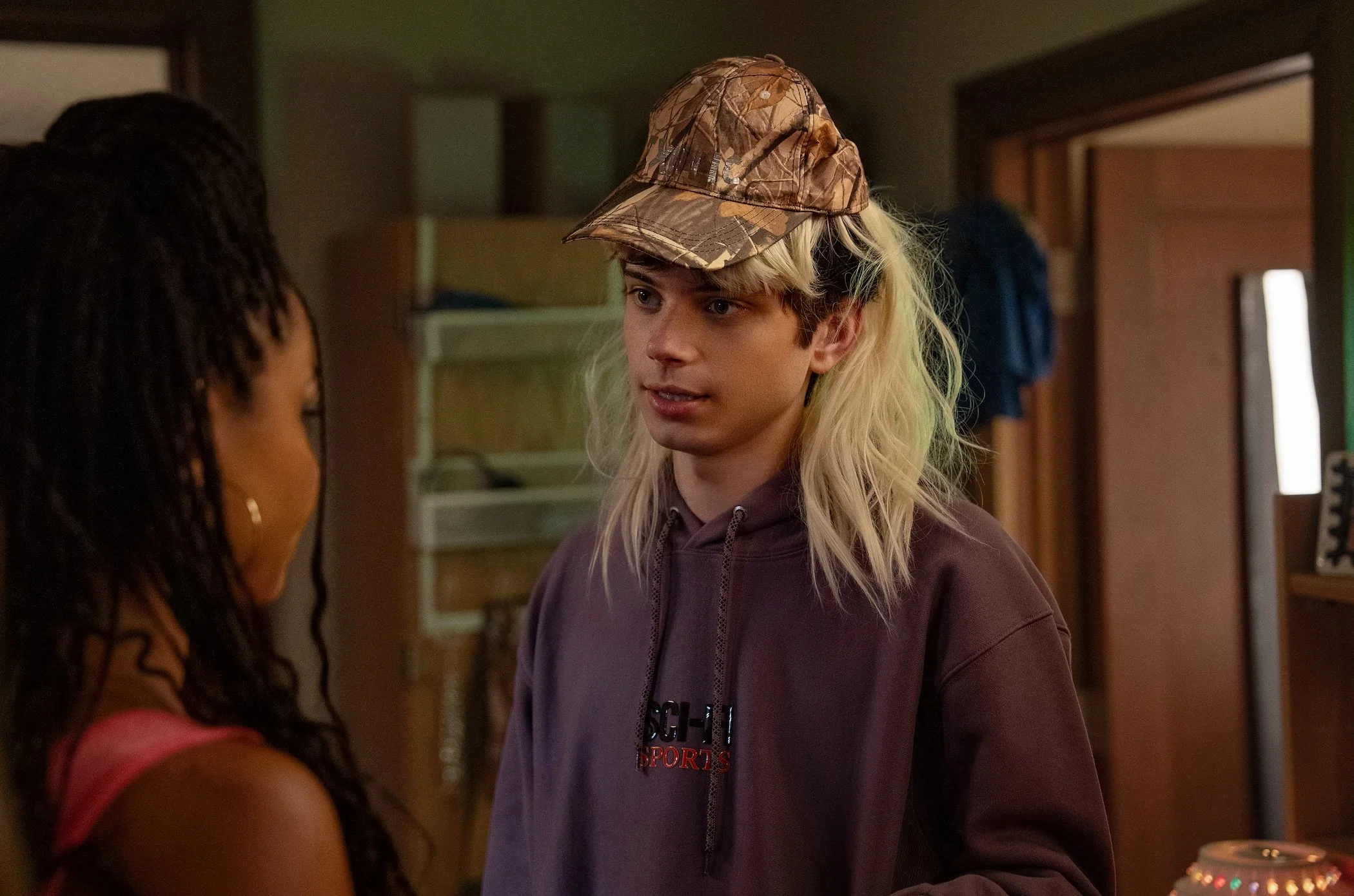
When Roommates came along, the timing felt right. There was anxiety, of course, but it didn’t last. Seeing how the film has resonated made it worth it. Looking ahead, Langford is open to challenges but more intentional. “I don’t want to do something that is flat or not complex,” he said. Resonance, both personal and communal, matters now more than ever.
As someone passionate about LGBTQ rights, Langford is acutely aware of the climate his work enters into. “Especially right now it’s a little bit scary for a lot of queer individuals,” he said. Representation, even subtle representation, can be a refuge and a form of resistance. It does not have to be loud to matter.
Langford spoke candidly about growing up queer in Texas and the isolation that came with not seeing himself reflected anywhere. Community changed everything once he moved to Los Angeles, and it is something he hopes younger viewers find sooner than he did. “Finding your community is so important,” he said.
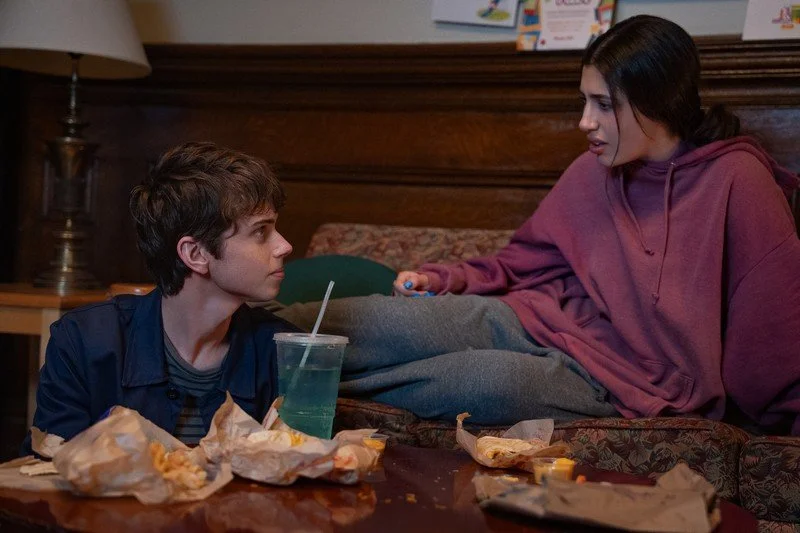
Roommates marks a reintroduction, but it also feels like a recalibration. Langford hopes audiences see where he is now, shaped by experience, time, and a deeper understanding of life. There is a maturity in this performance that feels earned, not forced.
On a personal note, the conversation itself felt easy in the way the best interviews do. Talking Texas roots, art, music, and movies, it became clear that, beyond the performance, Aidan Langford is simply a good person. Kind, thoughtful, and quietly intentional. Roommates may be the role that brings new eyes his way, but it is the integrity behind it that makes his rise feel inevitable.
Jessie Hobson