
There is something quietly satisfying about seeing the right actor catch the right role at exactly the right moment. Not because it is flashy or loud, but because it feels earned. Watching All Saints Day, and then talking with Don Swayze about it, confirms that this film is not just another credit on a long IMDb list. It feels like a turning point.
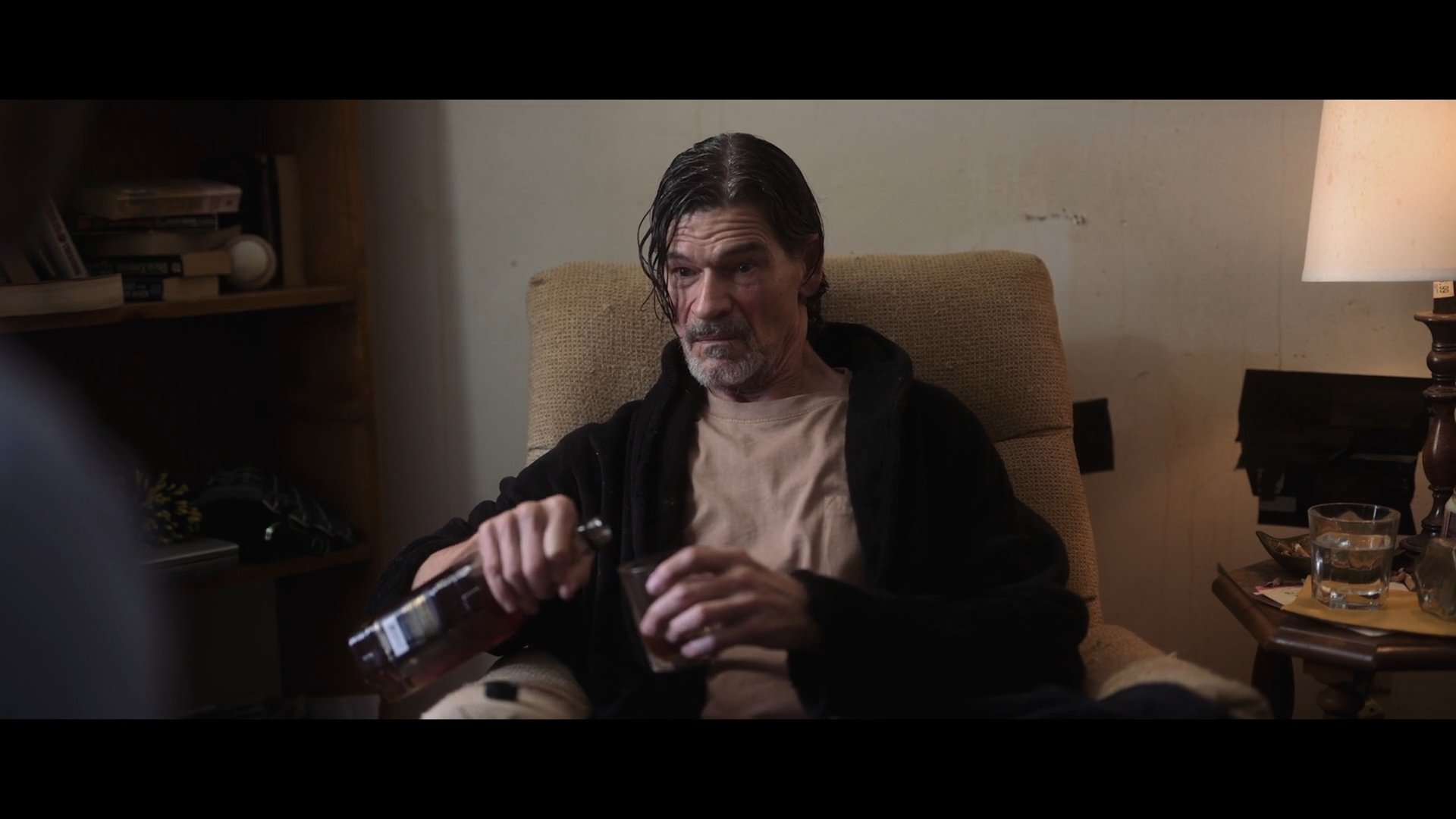
Swayze plays Kier Connolly, a man shut in by addiction, declining health, and years of unresolved family trauma. Kier is not easy to sit with. He is destructive. He is frustrating. He is also deeply human. What makes the performance land is the fact that Swayze approaches it from a place that is painfully personal.
When asked about his emotional entry point into Kier, Swayze explained that the script hit close to home in ways he could not ignore. He spoke openly about losing family members to alcoholism, about his mother’s battle with dementia, and about carrying those experiences into the role. Reading the script, he said he felt like the universe was handing him something meant specifically for him, adding that when he realized how much of his own life flowed through the themes, he knew he had to say yes, even though it was going to hurt.
That honesty comes through on screen. Kier is slipping, but he is never played for pity. Instead, Swayze finds a strange innocence inside the character. He described how playing someone dealing with dementia actually “frees you up” as an actor, allowing moments of wide-eyed confusion and vulnerability that might otherwise feel indulgent. That looseness keeps Kier from becoming a symbol. He is just a man, stuck.
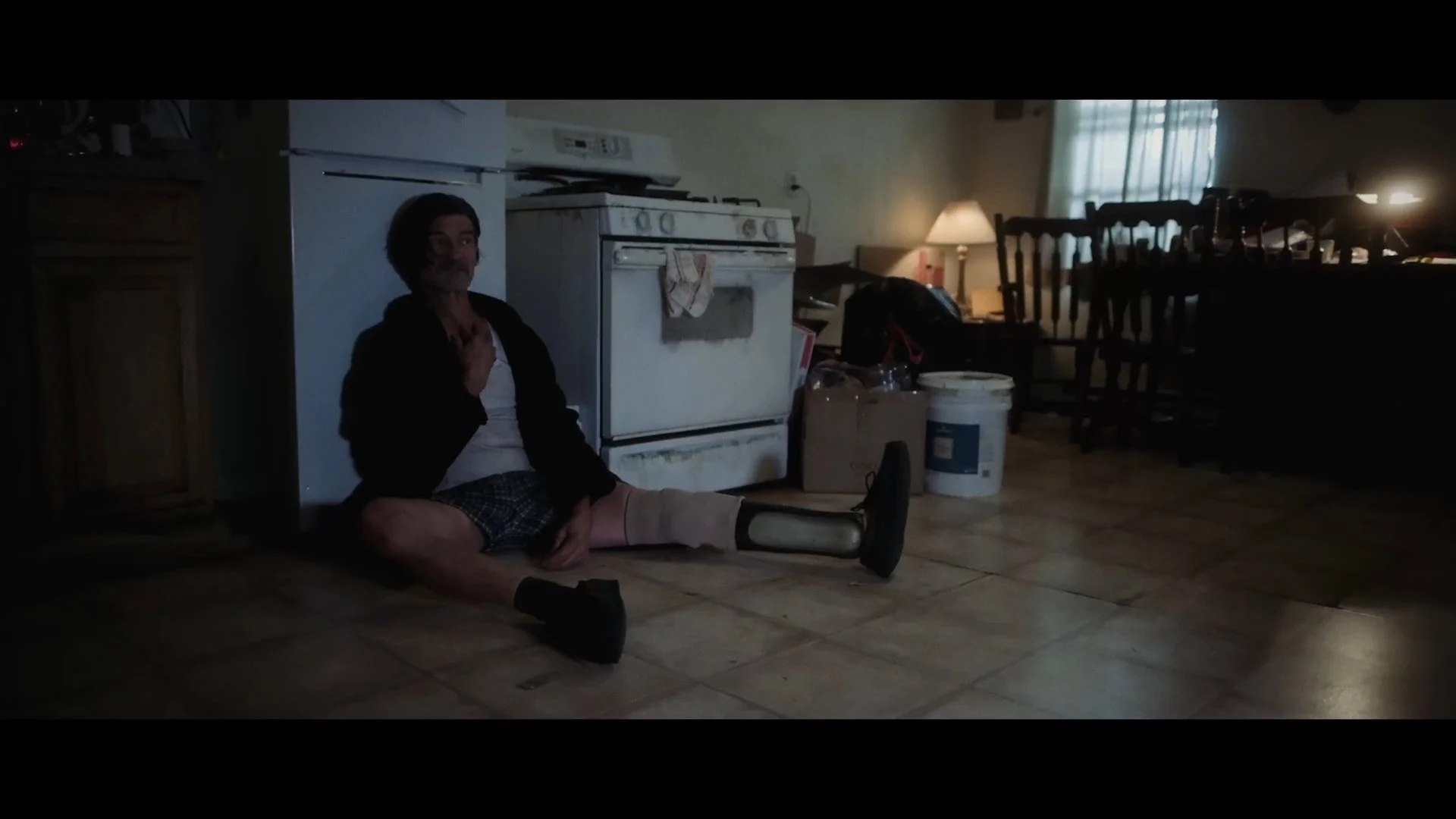
What helps All Saints Day work as well as it does is how it balances its heaviness with humor. This is a dark comedy in the truest sense. The laughs do not erase the pain; they sit right next to it. Swayze credits the writing and the ensemble for making that juggling act possible, noting how characters talk over one another, arguments overlap, and humor slides in sideways while deeper wounds are still bleeding underneath.
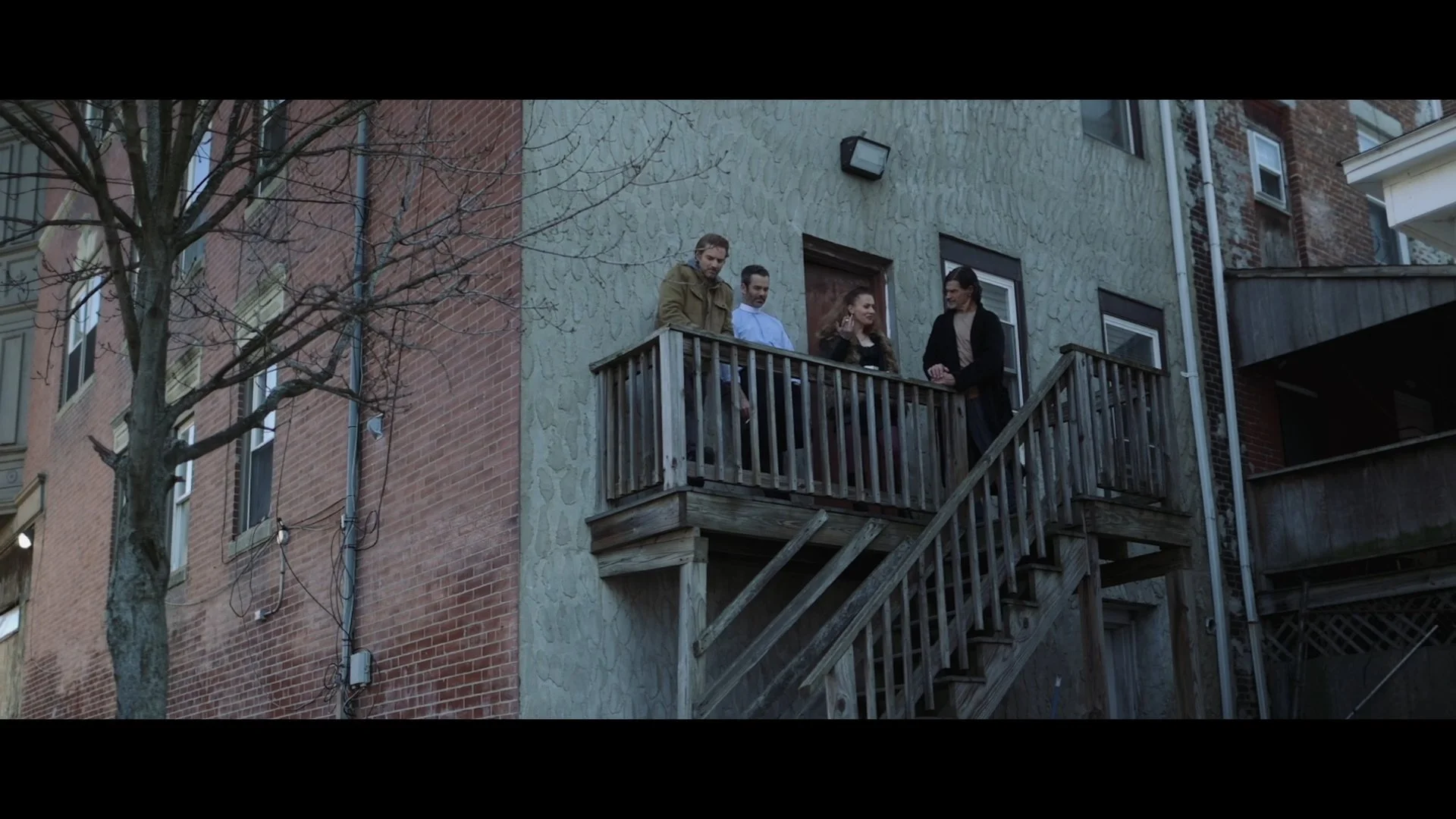
He also praised first-time feature director Matt Aaron Krinsky, calling him “amazing to work with” and pointing out how smart it was to ground the film almost entirely in one location. The apartment becomes a pressure cooker. Nobody can escape. As Swayze put it, “life isn’t always just so heavy. Gallows humor is a thing. It gets a lot of people through dark times.”
That intimacy extended beyond performance into the physical experience of filming. Once Swayze stepped onto the set, he said it immediately felt like Kier’s home. He sat in the La-Z-Boy when no one was watching, stayed in the same robe day after day, and lived inside the space as much as possible. Shooting the entire film in three weeks with massive amounts of overlapping dialogue meant there was no room to step out of it mentally, even between takes.
Despite also being credited as an executive producer, Swayze was quick to downplay that role. He referred to himself as a “producer in name only,” explaining that it was a deal his agent worked out and not something he ever used to assert authority on set. That said, he did admit that years of experience occasionally allowed him to offer suggestions, which Krinsky welcomed as part of a very collaborative, theater-like environment.
What makes this moment especially meaningful is where All Saints Day lands in Swayze’s career. He has worked steadily since the 1980s, often playing villains, outcasts, and offbeat supporting characters. He is self-aware about his place in the industry, joking that he does not get the girl unless it is without her permission. He also acknowledges that growing up alongside Patrick Swayze meant understanding early on that direct comparison was never the point.
Instead, this role feels like a reward for longevity. Swayze described being at retirement age in the real world and suddenly being offered the best role he has ever received. He called it “pennies from heaven” and described it as a character actor’s version of a lead. One he spent his whole life getting ready for.
That sense of recalibration extends beyond All Saints Day. In quick succession, Swayze followed the film with On Swift Horses and Ethan Coen’s Honey Don’t!, working alongside emerging stars and legendary filmmakers alike. What ties these recent projects together is not scale, but sensitivity. As Swayze put it, this new wave of characters has heart, and he is loving it.

Perhaps the most telling moment from the conversation came when Swayze talked about what he actually wants moving forward. He is not chasing fame. He is chasing respect. He wants producers and directors to know that he shows up on time, learns his lines, and takes the work seriously. That is it.
Talking with him, it is impossible not to root for him. Obviously, many of us grew up fans of his brother. But Don Swayze has spent decades quietly putting in the work, surviving the industry, and waiting for the right stories to meet him where he is. With All Saints Day, that meeting finally happens. And it feels like a win.
Jessie Hobson