Walking into SXSW this year, it did not take long before The Peril at Pincer Point started coming up in conversation. The black and white visuals. The off-kilter humor. The strange, deceptively simple premise that slowly unravels into something far more unhinged. You could feel the curiosity spreading from theater lobbies to sidewalk chatter, people leaning in and asking, what is that?
Sitting down with Noah Stratton-Twine and Jake Kuhn, that curiosity immediately made sense. Both filmmakers were riding high off the reception, clearly energized by the response yet completely grounded in how they got there. It was evident they were having fun with it, proud of the film without overselling it, excited to see audiences connect with something so intentionally strange.
At its core, The Peril at Pincer Point came from a place they knew well. Literally. Kuhn explained that he and Stratton-Twine had been writing together for about five years, repeatedly returning to the same small cottage on the coast of England. Every visit ended the same way. They would look around and think they should make a movie there. The town itself offered the final push. It was famous for two things: crabbing and a pint of beer called Ghost Ship. As Kuhn put it, once they decided the movie would involve both, they were basically set.
The film came together at an almost reckless pace. The outline was written in about three days, driven less by structure than by instinct and humor. They went to locations and imagined scenes right there on the spot. Then, weeks later, they returned with actors and leaned all the way into improvisation. Nearly the entire film was built around loose scenarios rather than a traditional script, allowing scenes to grow, mutate, and spiral in unexpected ways.
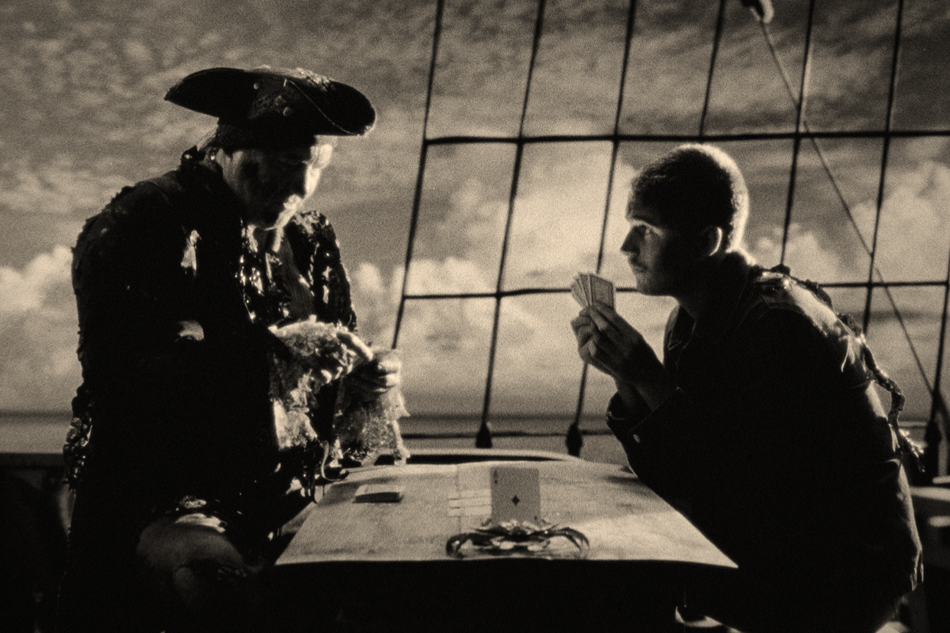
That unpredictability is key to the film’s rhythm. Stratton-Twine described it best when reflecting on how the story escalates. “You start at like 10 minutes in, you go to 30 minutes, and you go, how on earth could we possibly have gotten to this point?” That feeling of constantly being one step ahead of itself becomes the film’s defining feature, a sense that anything could happen because no one involved was too precious about where it needed to land.
Despite the looseness of the process, the filmmakers were clear that Pincer Point was always intended to be a feature. Having come up through shorts and microbudget projects, Stratton-Twine described a shift that happens once that first feature is behind you. “Once you’ve made that first feature, something toggles,” he said, explaining how features become the natural language for ideas moving forward. It is the form festivals respond to, audiences recognize, and filmmakers increasingly want to live inside.
Sound becomes the film’s unexpected anchor. Choosing a sound recordist as the protagonist was not the result of a long conceptual debate so much as a practical and comedic instinct. Stratton-Twine pointed out the built-in absurdity of the job when placed in a supernatural setting. “When a ghost materializes in front of him, there’s no question that it’s a ghost,” he said. What makes it funny is that the character’s response is not fear but curiosity. He keeps recording. This is, after all, exactly what he was sent there to do.
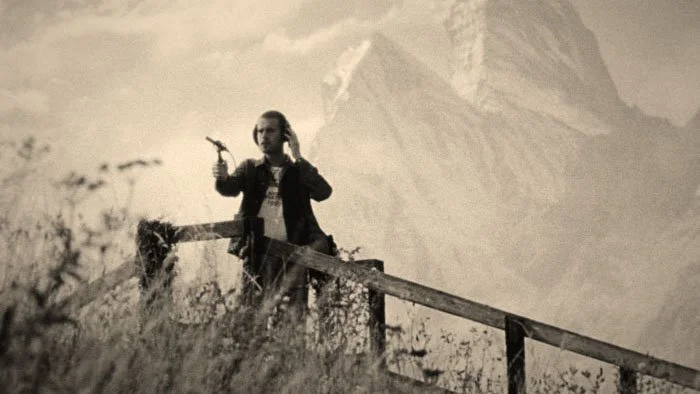
That choice paid off creatively and logistically. Sound allowed the film to feel larger than its budget, expanding the world through audio rather than spectacle. Both Stratton-Twine and Kuhn treated post-production as an extension of the improvisation itself, constantly reshaping scenes through sound design and music. It was not about locking the film once shooting wrapped, but continuing to find the joke, the rhythm, and the escalation all the way through.
Visually, the black and white 4:3 presentation gives The Peril at Pincer Point its unmistakable identity. For Stratton-Twine, that decision was never in question. Color simply did not belong in this world. Black and white helped unify visual effects, hide seams, and create a strange sense of timelessness. Palm trees exist on an English island. Modern recording equipment sits beside antique tape decks. No one ever checks a phone. Without color anchoring it to a specific era, the film floats somewhere between memory and dream. As Stratton-Twine put it plainly, ghost stories just work better in black and white.
SXSW proved to be the perfect stage for the film’s debut. Both filmmakers spoke with genuine awe about being there, particularly as one of the only fully British productions in the lineup. Stratton-Twine admitted they had joked about the film playing South by Southwest while writing it, never truly expecting it to happen. When it did, the response felt surreal. Kuhn emphasized how aligned the festival felt with their own sensibilities, pointing to its audience-first energy and cine-literate crowds who wanted to engage rather than simply consume.
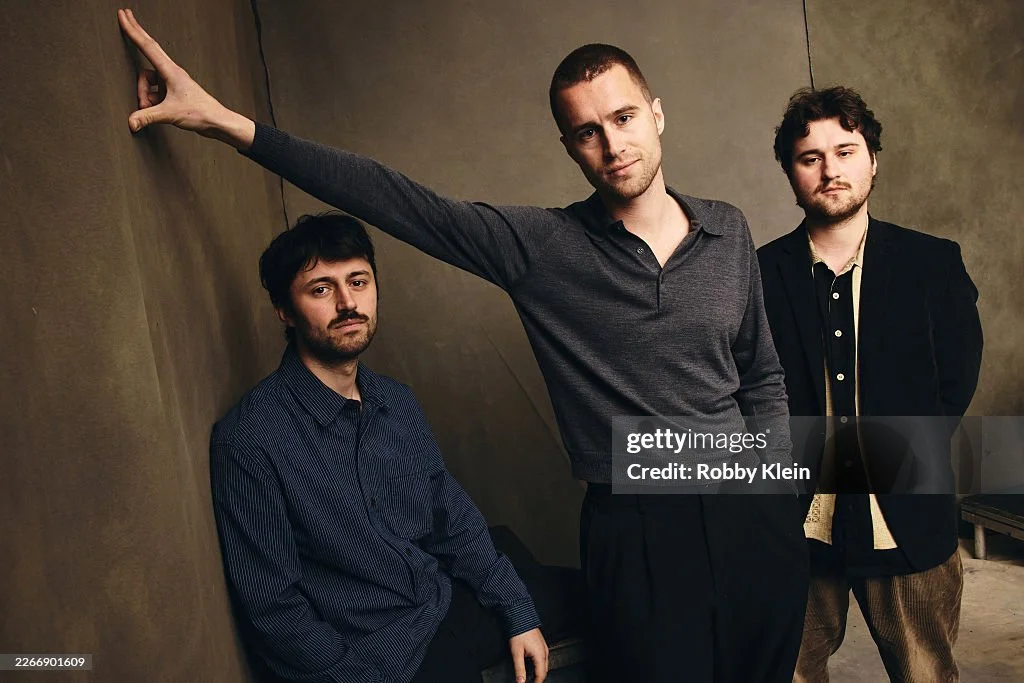
Now, with The Peril at Pincer Point firmly cemented as one of SXSW’s most talked-about discoveries, Stratton-Twine and Kuhn are already looking ahead. Bigger projects. Smaller projects. Genre experiments. And yes, half-joking but increasingly sincere discussions of returning to Pincer Point someday. The excitement surrounding the film does not feel like a fluke, but the result of filmmakers who understand their limitations and lean directly into them.
Watching how stoked they were about the reception was genuinely refreshing. Seeing a scrappy, personal film spark real festival buzz is rare. Seeing its creators fully aware of how lucky that is, while still hungry to keep going, is even rarer. If The Peril at Pincer Point is any indication, Noah Stratton-Twine and Jake Kuhn are just beginning to test how far that momentum can take them.
Jessie Hobson