
Some movies don’t just age. They change shape. They quietly gather history around them, waiting for the moment when people are finally ready to meet them where they are. That feels especially true of Randy and the Mob and The Accountant, two deeply personal, defiantly Southern films from Ray McKinnon that are now getting a new life thanks to meticulous restorations and their first-ever Blu-ray release.
Talking with McKinnon about these films feels less like a press interview and more like sitting with a storyteller who is still surprised he ever got to tell these stories at all. When asked what it feels like to come back to them decades later, he laughs a little and admits, “I’m still shocked that I’m even in this business.”
For McKinnon, revisiting these films opens up a complicated emotional time capsule. He describes it as reconnecting to “a time when my life was a different life than I have now,” one filled with joy, loss, camaraderie, and a group of people coming together to make something that felt honest. What stands out most for him is how much fun it was to make them and how much joy lived in that process. “Mostly it’s been revisiting how a lot of people came together to make these little films and how much fun we had,” he says.
That joy is still there on screen. Even now, McKinnon is gentler with his own work than he once was. He no longer tears it apart the way he used to. “They were two movies that I would have wanted to see back then,” he says, and importantly, “they’re two movies that I could see now.”
One of the most striking parts of McKinnon’s story is how little of it was driven by career strategy. These weren’t stepping stones designed to get him somewhere else. They were acts of survival. The short film The Accountant came out of frustration and fear. He couldn’t get a feature made and felt time closing in.
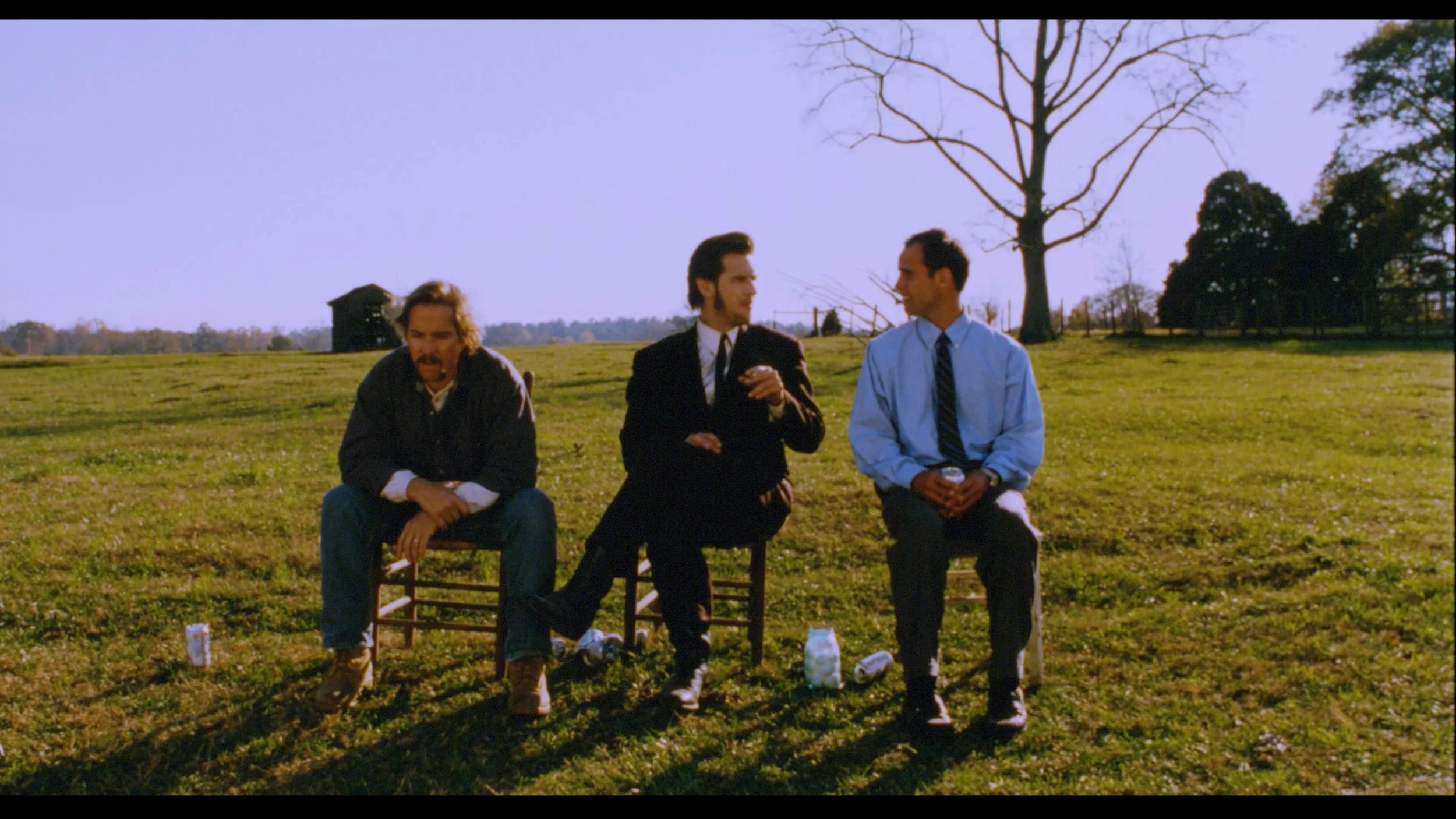
“I thought, well, I’m getting close to forty. Am I gonna never make a movie if I don’t make something?” he says. The conclusion he arrived at is as blunt as it is freeing. “I’m gonna die anyway. I might as well make a movie.”
That mantra became the backbone of The Accountant. Whether the movie was good, bad, or unseen, the outcome was the same. So the only real choice was to create something honest. “Your fear of failure can be so great that it paralyzes you,” he says, and this was how he pushed through it.
The result was a 38-minute short that famously skirted the Academy’s runtime rules without ever thinking about them. McKinnon wasn’t thinking about awards. “I was just thinking, God, I hope this doesn’t suck,” he admits. It didn’t just not suck. It went on to win the Academy Award for Best Live Action Short Film.
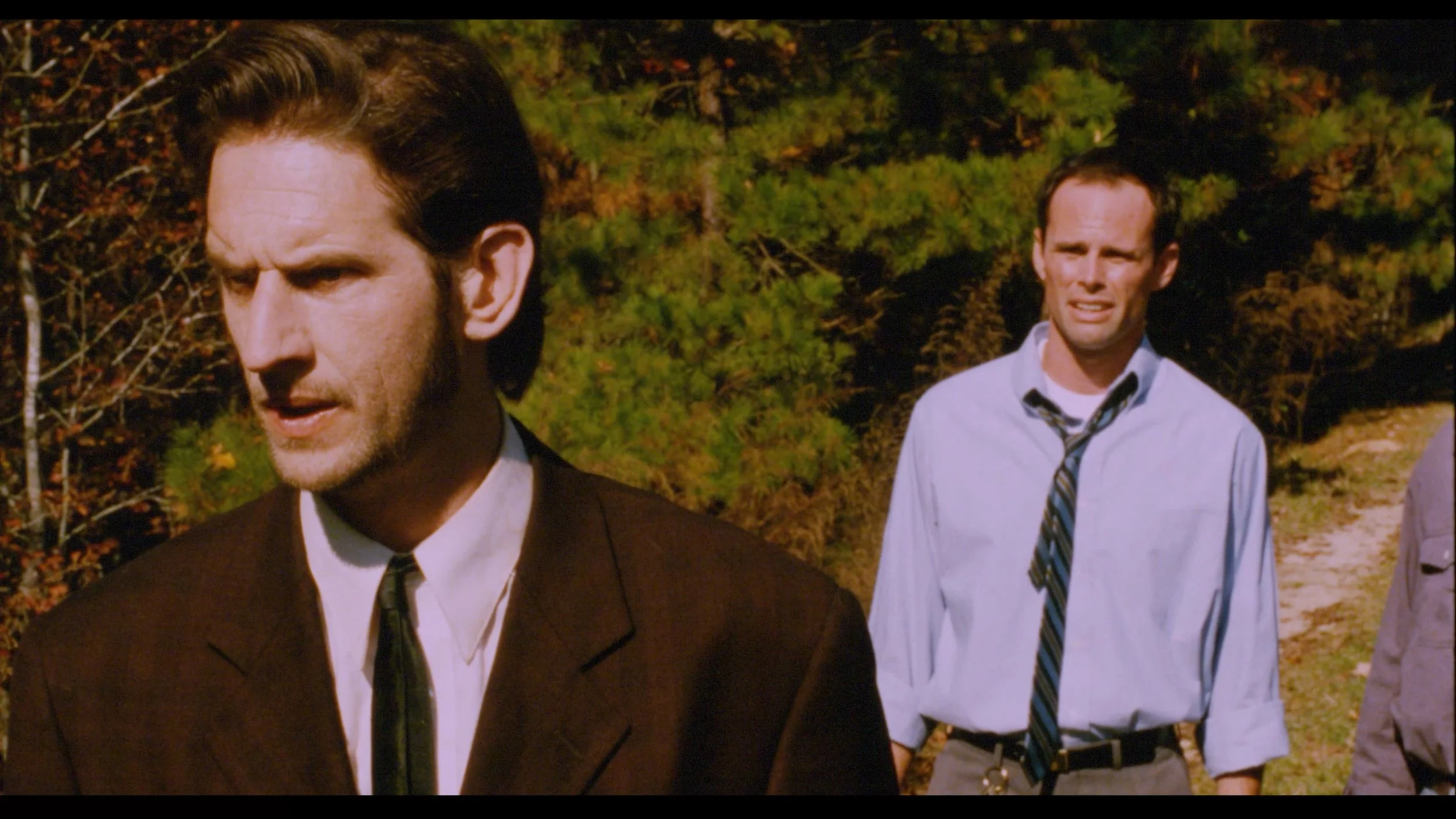
Still, McKinnon is quick to deflate any mythmaking about what that meant. Winning didn’t magically transform his career. “It really didn’t help my career that much because it was a short,” he says. What it did do was allow other artists to see him and his collaborators as storytellers worth trusting.
That trust would ripple outward into later work, including Sons of Anarchy, where creator Kurt Sutter had followed McKinnon’s earlier films closely. Opportunities came not because of trophies, but because of taste and belief in what he and Walton Goggins and Lisa Blount were making together.
If The Accountant is quiet, mythic, and eerie in its compassion, Randy and the Mob swings wider. McKinnon describes it as “an indie Doris Day movie,” one where bad things happen, people are in trouble, but it probably ends okay. That was the intention. Grace without sentimentality.

What connects both films is McKinnon’s refusal to turn Southern identity into a punchline. Growing up around farming communities and watching small farmers disappear shaped The Accountant, but it also shaped how he sees representation. He talks about how Southern characters have so often been reduced to the “last politically correct stereotype you can get away with.”
That disconnect bothered him because it didn’t match his lived experience. “The southern people, none of them had a sense of humor about themselves in those movies,” he says. That absence of self-awareness felt false. That is part of why Burt Reynolds mattered so much to him and why Reynolds’ appearance in Randy and the Mob feels so perfect. Reynolds was always the smartest guy in the room, never the joke.
McKinnon approaches writing from character outward, not plot inward. “I’m character-centric,” he explains. For Randy and the Mob, that meant thinking about Randy, his twin brother Cecil, Tino Armani, and Charlotte as fully lived-in people. They exist in a heightened, comedic world, but they are rooted in recognizable emotional truths. “I try to think of those people as real people,” he says, and let the tone wrap around them, not flatten them.
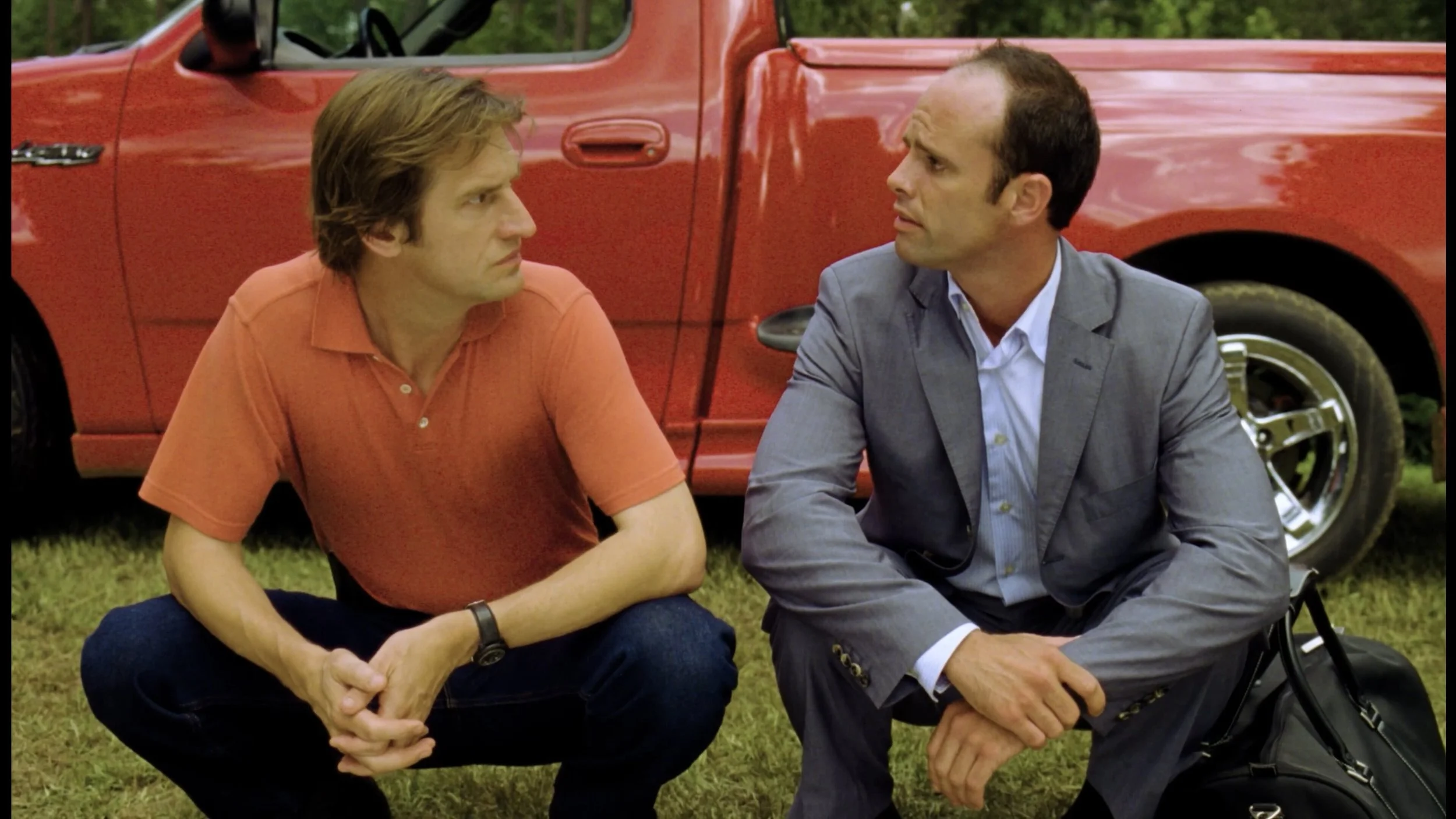
Neither film exists without the deep trust between McKinnon, Walton Goggins, and the late Lisa Blount. Their collaboration was built on shared taste, shared reference points, and shared sensibility. “You can’t really collaborate with somebody who doesn’t see things very similar to you,” McKinnon says. Without that alignment, collaboration turns into conflict.
Blount was especially crucial to McKinnon’s development as a writer. She pushed him toward voices like David Lynch and Jim Jarmusch. More importantly, she pushed him to keep writing when insecurity might have stopped him. “I don’t think I would have had the courage to write and put it out there to the public had it not been for her,” he says.
On set, that trust translated into real, tangible support. Goggins handled double duties during Randy and the Mob while McKinnon played both twins. Blount shaped the visual world. Everyone knew their lane and believed in the goal. Those are the kinds of conditions where strange, personal movies are allowed to exist.
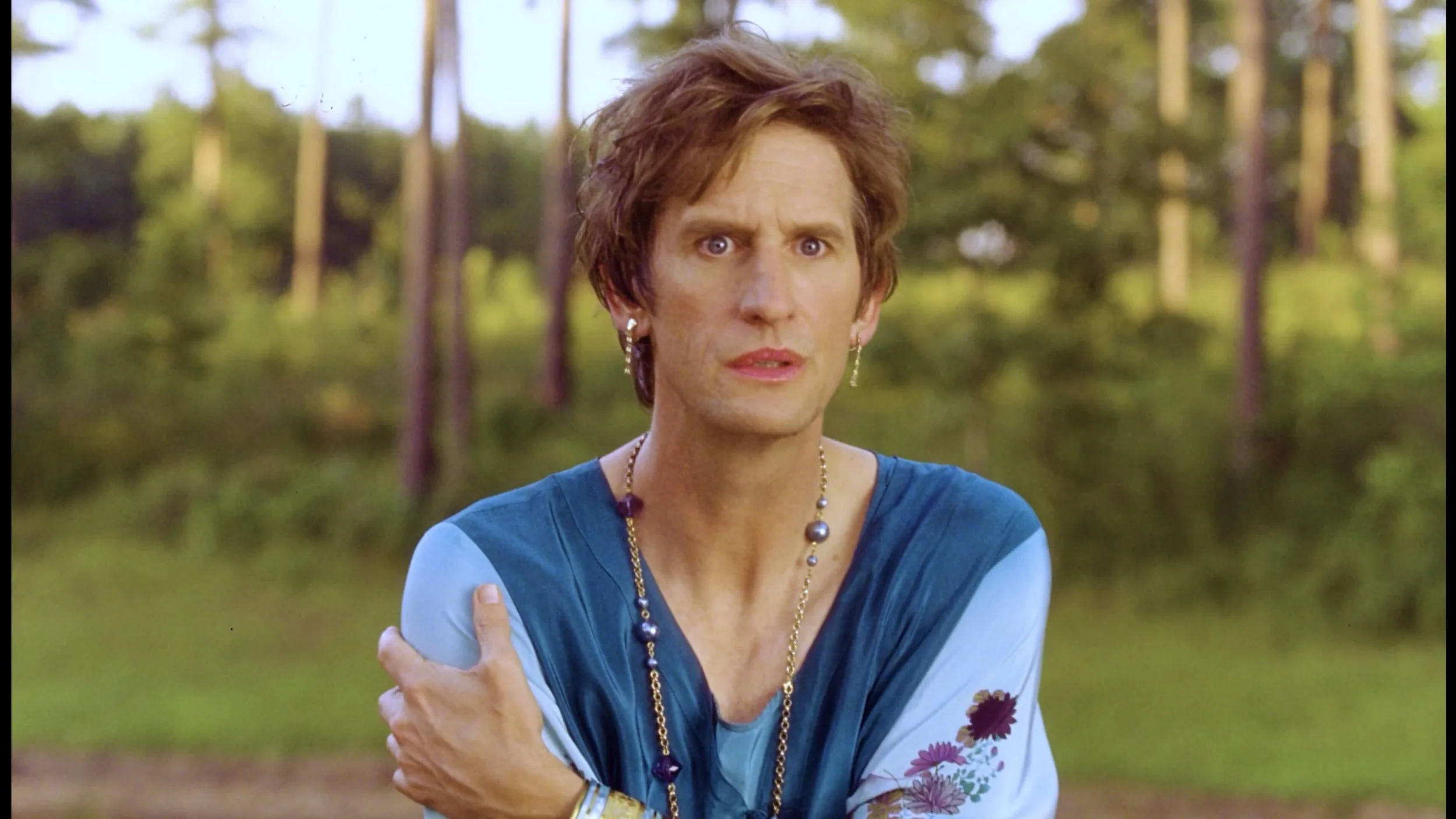
Over time, both films have grown cult followings, something McKinnon never takes for granted. What moves him most is not praise, but specificity. “People come to me not only to tell me they enjoyed it, but to tell me why,” he says. Those moments remind him that the films don’t belong to him anymore. They belong to the people who connected with them.
That connection is what makes these restorations feel meaningful instead of nostalgic. These films are not museum pieces. They are still alive, still weird, still funny, still searching. Seeing Randy and the Mob and The Accountant restored and reintroduced now feels less like a victory lap and more like a continuation.
Ray McKinnon made these films because he felt he had no choice. Because fear was worse than failure. Because, in his words, “might as well make a movie.” Decades later, that choice still echoes. And thankfully, we get to hear it again, clearer than ever.
Jessie Hobson