
There is something quietly radical about Gene Gallerano and William Pisciotta deciding that the world simply needed another Yeti movie and then actually going out and making one. Not a wink-wink creature feature. Not a cheap knockoff shoved into the woods pretending to be Bigfoot. A real Yeti movie. Cold. Isolated. Mythic. Handmade.
That impulse is at the heart of The Yeti, a survival horror film that positions itself as both a throwback and a reclamation project. As Pisciotta explains, the idea fully crystallized during lockdown, when he went searching for Yeti movies and came up painfully short.
“I had watched all of the Yeti movies I could find during COVID, and I was like, there should be more. I don’t understand why people aren’t making more Yeti movies. It’s so cool.”
The deeper he dug, the clearer the problem became. Yeti movies barely exist, and when people do offer suggestions, they tend to miss the point entirely. As Gene Gallerano recalls, “We got our fair share of, ‘Why don’t you guys just put it in the woods?’”
That suggestion, while common, ignores the Yeti’s entire identity. Gallerano himself spells it out plainly. “Because that’s Bigfoot or Sasquatch. It’s not the Yeti. This is the whole problem about the Yeti. It’s in the cold. It’s isolated. The tundra or the mountains.”
Rather than viewing that specificity as a hurdle, the filmmakers leaned into it completely. Gallerano points out that the lack of a fixed cinematic blueprint became one of the project’s biggest strengths. “There wasn’t like a singular version of the Yeti that everyone agreed on,” he says. “Which was really exciting and allowed for creativity. It was cool not to be contending with anyone else’s version.”
That creative freedom made the project easy to rally behind, even if Pisciotta jokes that he had to pitch it daily at first. In reality, Gallerano did not need much convincing. Their partnership has always been rooted in pushing for cinematic scale with whatever resources are on hand.
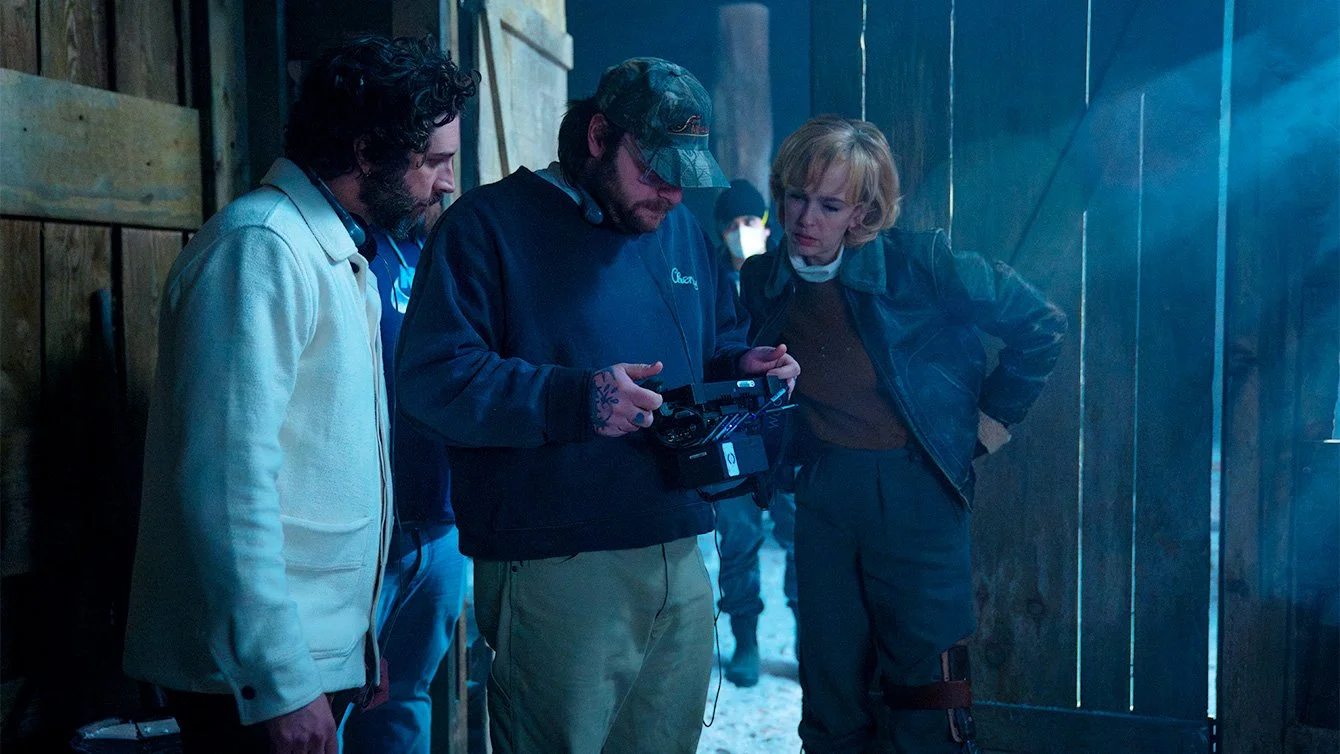
“We kind of call what we do the backyard JJ Abrams of filmmaking,” Gallerano says. “We’re looking for cinematic scope and big ideas with backyard budgets. We’ve built sets in our backyards, our friends’ backyards, family members’ attics, whatever it takes.”
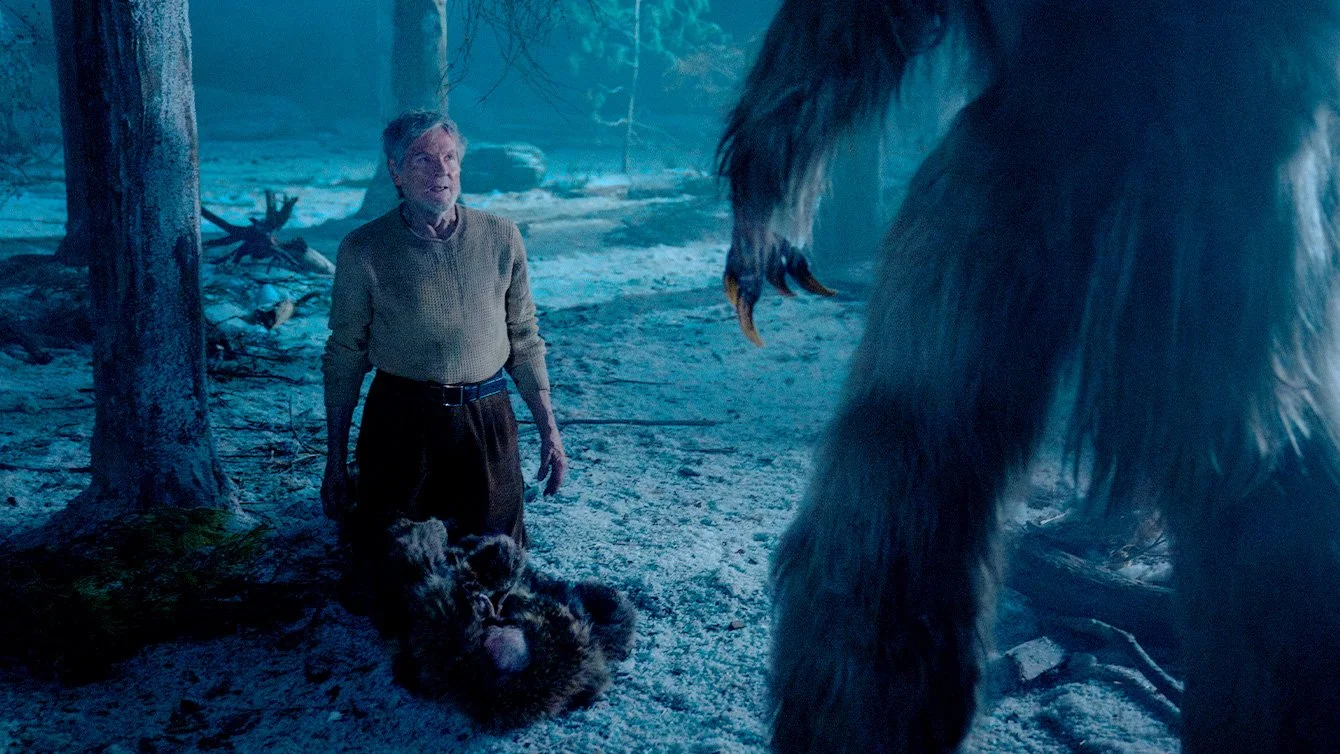
With The Yeti, that philosophy simply scaled up. Instead of an attic, they took their backyard mentality to a soundstage in Buffalo and built the Arctic themselves. Snow. Fog. Practical effects. A towering creature that actors could actually stand in front of and react to.
That physicality feeds directly into the film’s narrative choices. Rather than centering the story on a hunt or an expedition, The Yeti is framed around a rescue mission, a decision driven by character rather than convention.
“The main story is really about parents and children,” Pisciotta explains. “So it was very important to have that through line rather than just the story being the Yeti attacking people.”
Gallerano builds on that idea by focusing on what pushes people into danger in the first place. “The people that go to the edges of exploration and survival willingly,” he says, “and the people that have to go unwillingly.” That contrast creates tension rooted in responsibility rather than bravado.
In this framework, the Yeti becomes more than just a monster. “As badass as the Yeti is,” Gallerano notes, “it is the inflection point.” The creature forces every character to confront their fears, relationships, and assumptions about themselves.
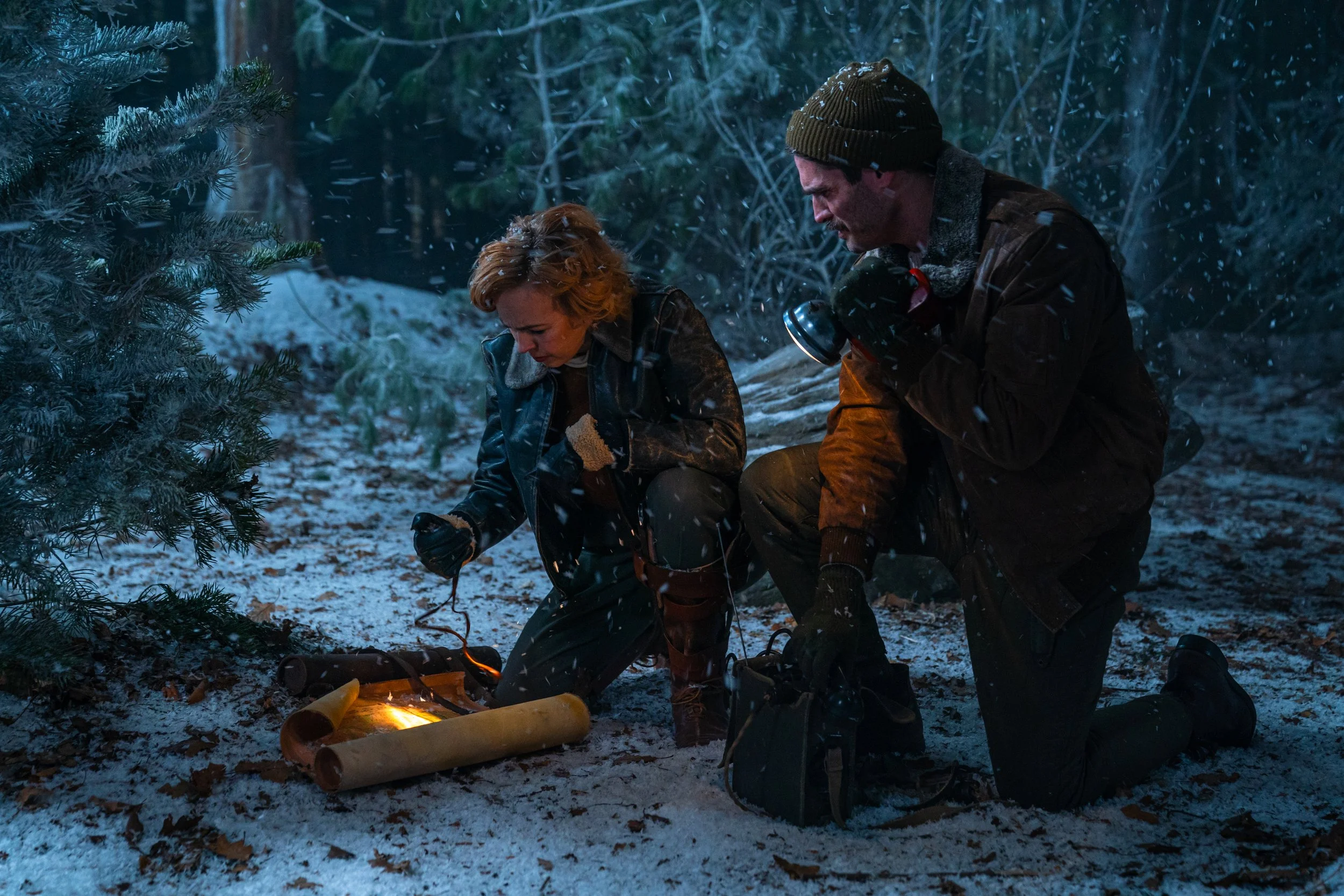
Dialing in the right tone took years. Pisciotta describes the final balance as Spielberg light, with Jaws serving as a major reference point.
“We wanted it to feel like adventure but also some horror and family drama, which is very Jaws,” he says.
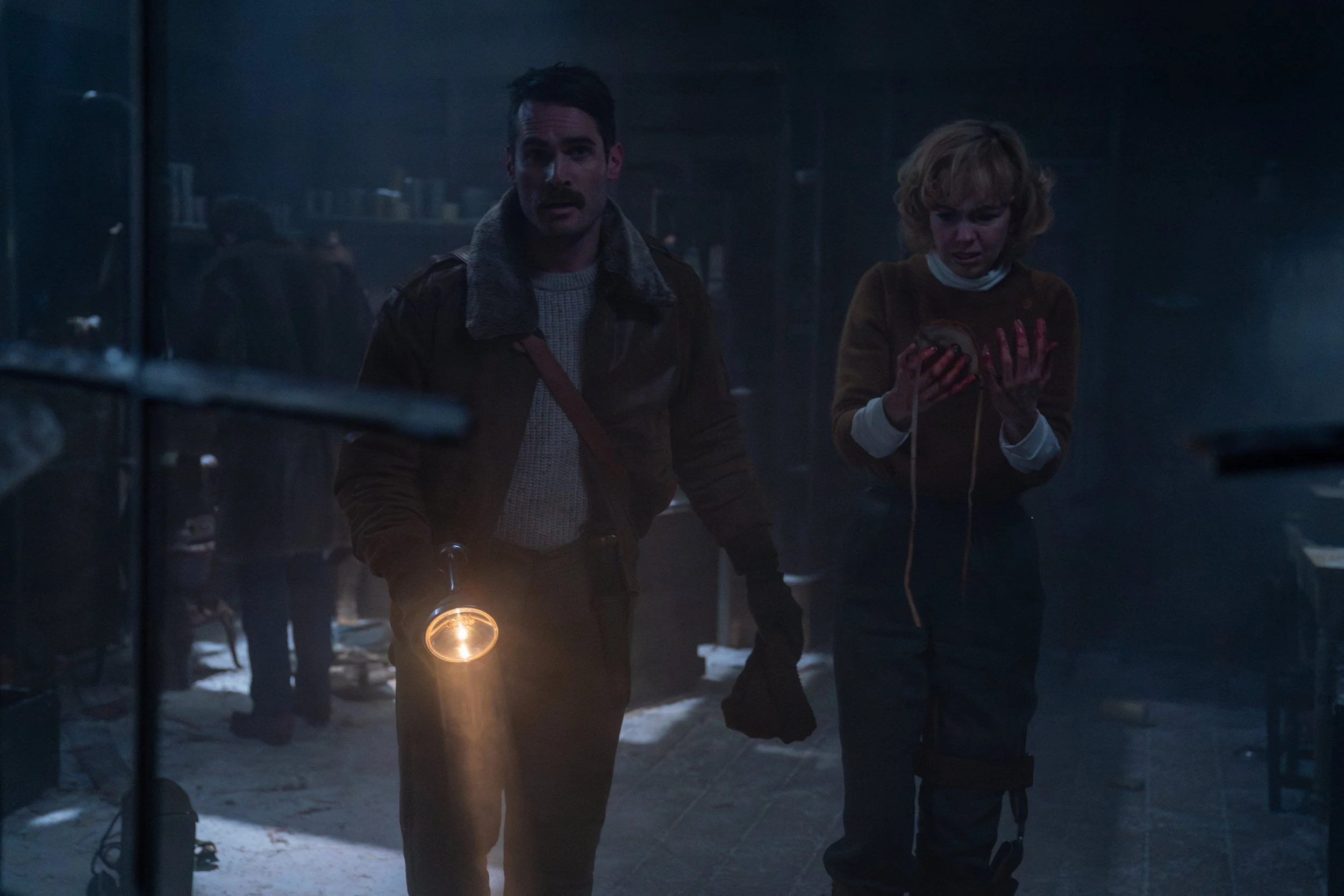
Atmosphere played a massive role in achieving that balance. Fog became an ever-present force. Pisciotta recalls multiple levels of fog on set, sometimes so thick the crew could not even be sure what the camera was capturing. In one of the most nerve-racking creative decisions of the shoot, Gallerano chose not to look at dailies.
“We never saw what it actually looked like until we relit all the footage and color,” he admits. “That was probably the scariest moment for me. Holy shit, what does this movie look like?”
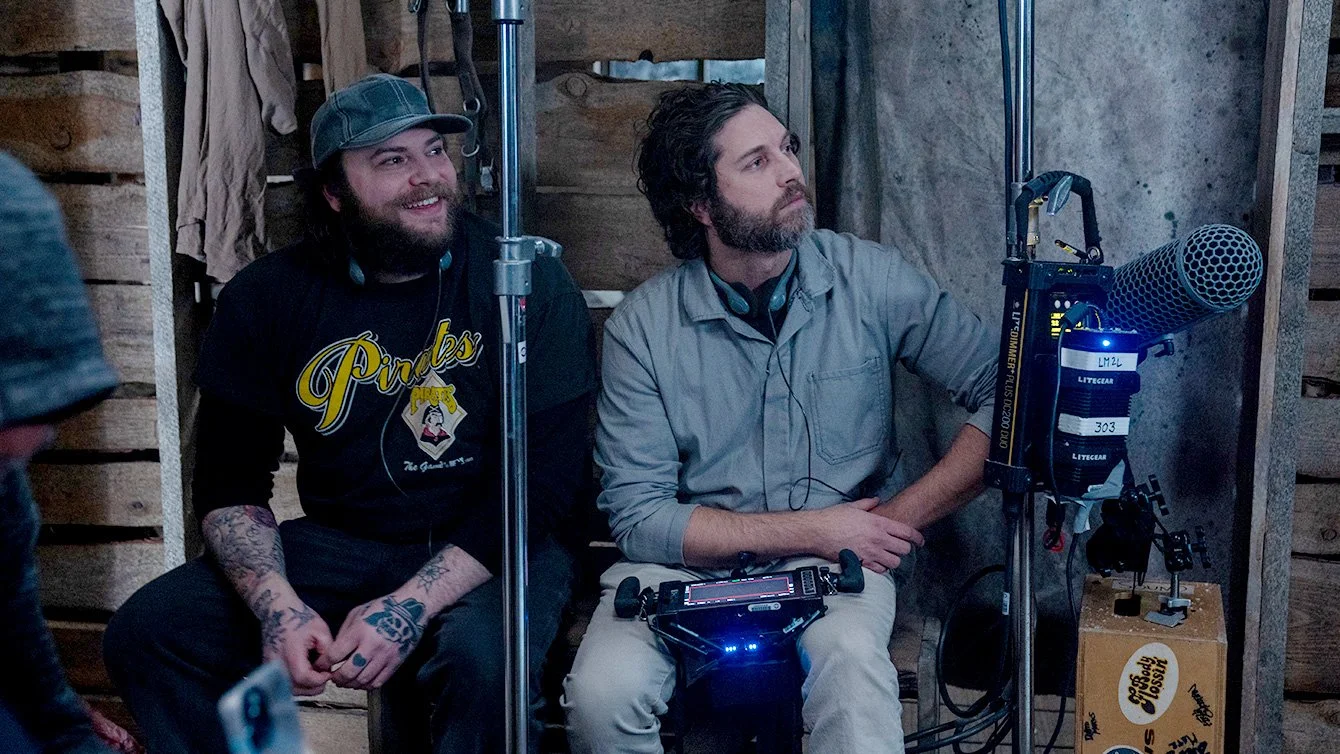
That leap of faith defines The Yeti. It is a monster movie built on trust, practical effects, and a sincere belief that physical filmmaking still matters. Pisciotta summarizes it simply.
“If you like monster movies, you should see this movie. We took the mythological creature very seriously and explored all the possibilities. We made something we would want to watch.”
For Gallerano, the film represents something personal. “This is about going back to something that feels a little bit lost right now, which is that physical, in-camera filmmaking,” he says. “You can feel the fingerprints of the making of the movie in it. It’s a handmade one of one.”
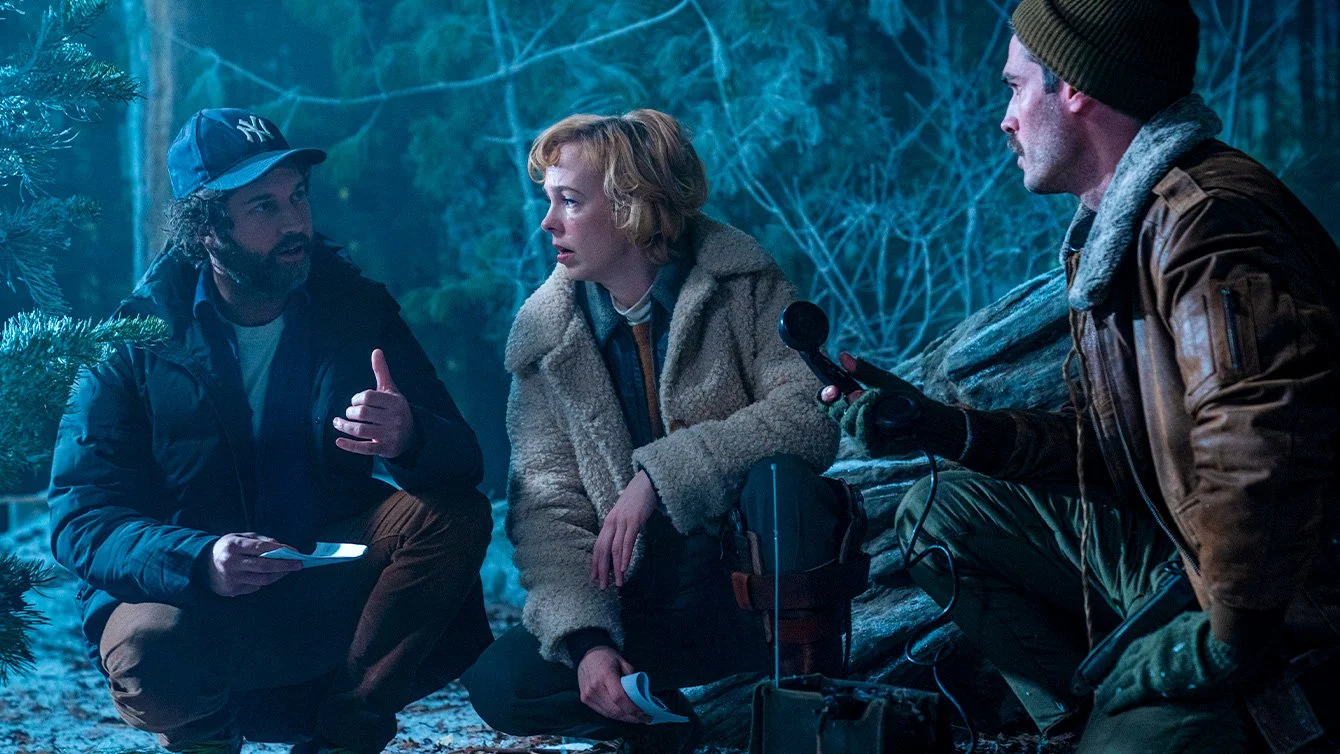
Spending time with Gallerano and Pisciotta makes it clear that The Yeti is not about chasing trends or cynically reviving old tropes. It is about honoring the films that made them fall in love with cinema in the first place. Gallerano’s producing work on Secret Mall Apartment already reflects his instinct for championing distinctive projects, while Pisciotta’s journey from short film to feature speaks to patience and commitment.
They are also simply a joy to talk to. Thoughtful. Passionate. Still excited by the process.
If The Yeti accomplishes anything beyond delivering a gnarly, myth-soaked survival horror ride, it is reminding audiences that monsters feel scarier when they are real, the cold feels cold, and the people behind the camera genuinely care. And yes. They are probably right. We still need more Yeti movies.
Jessie Hobson