
There is something quietly disarming about Anima. On paper, it is a retrofuturistic sci‑fi road movie about consciousness preservation and near‑future technology. In practice, it is a deeply human film that sneaks up on you, unspooling grief, longing, and connection with a patience that feels almost defiant in its restraint.
That grounding sensibility starts with director Brian Tetsuro Ivie, whose first narrative feature feels less like a debut and more like a filmmaker arriving fully formed. Ivie, who comes from a documentary background, described Anima as an extension of that instinct. When we spoke at SXSW, he explained that this film grew out of a desire to slow things down and foreground people over spectacle. As he put it, his background was “in making movies about other people telling their stories,” and when it came time to make his own narrative film, he wanted it to feel “slower, something that was sort of human.”
That approach shapes every creative choice in Anima, from its celluloid texture to its low‑fi sci‑fi conceit. Ivie referred to the Duplass‑coined idea of “sci‑feelings,” explaining that the goal was to go “as lo‑fi with something sci‑fi as possible and capture the humanity of the characters that are caught up in this strange technological innovation.” The future presented in the film never feels flashy or distant. Instead, it feels like something just around the corner, close enough to touch and heavy enough to sit with.
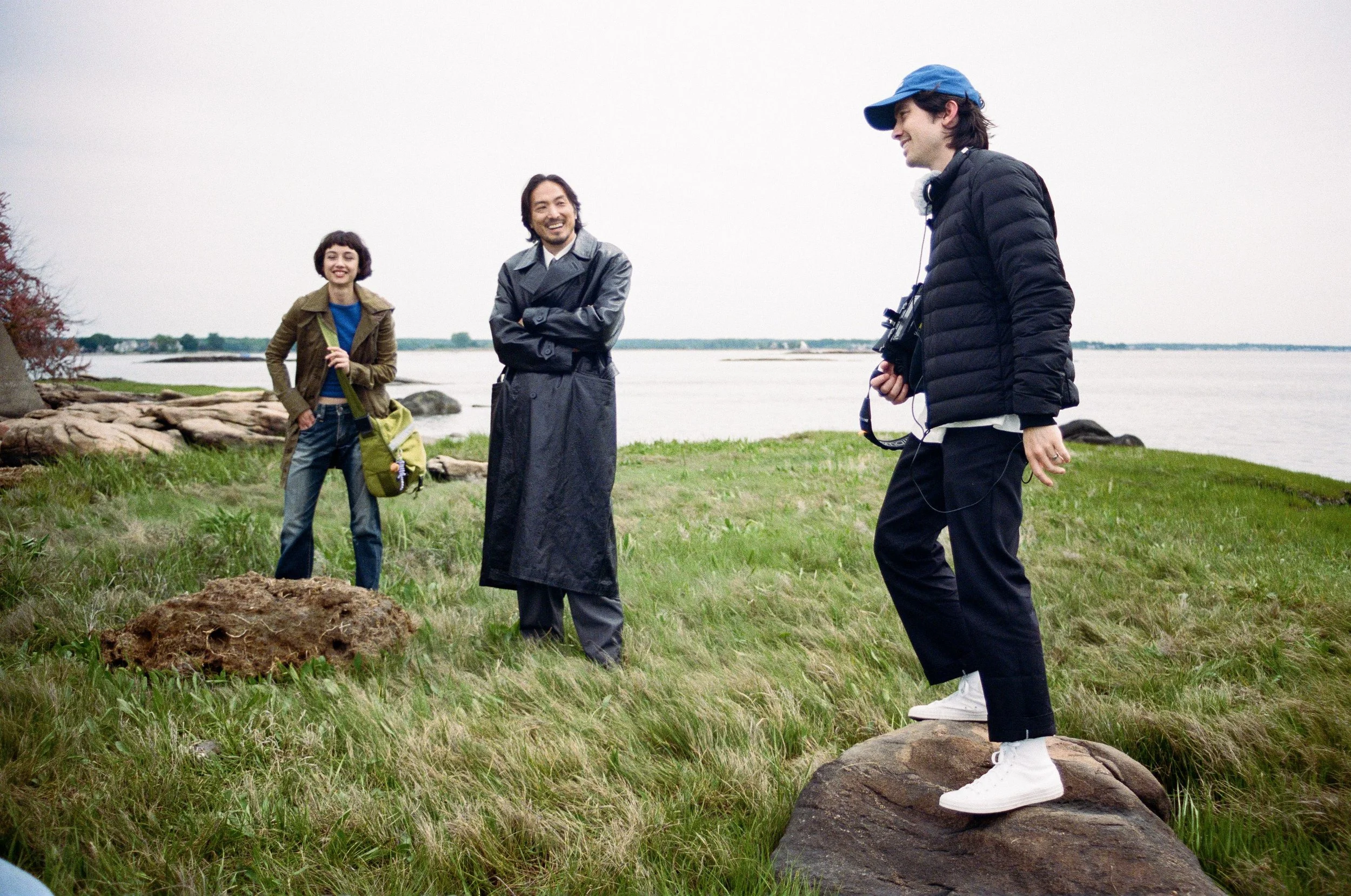
Shooting on film became more than an aesthetic decision. It directly influenced performance. Because they were shooting fewer takes, Ivie noted that everyone involved had to be more prepared and more present. “You talk about it more in advance,” he said, adding that the constraints of film helped create performances that felt fractured and searching, mirroring characters who are themselves lost and trying to find their way. At times, they even allowed imperfections in the film stock to remain, letting light leaks and breaks in the image bleed into the emotional fabric of the movie.
No performance embodies that rawness more than Maximilian Lee Piazza’s turn as Ryan. Piazza is remarkably self‑possessed and thoughtful for his age, and that carries directly into his work on screen. Ryan is a character defined by what he does not say, and Piazza leaned hard into that silence. He explained that his approach focused on “what Ryan doesn’t say rather than what he does say,” describing him as someone who “lives in the quieter moments.”
One of the most striking sequences in Anima comes when Ryan meets his father for the first time. The scene is emotionally loaded, but what makes it unforgettable is its unplanned authenticity. During the take, Piazza’s nose began bleeding unexpectedly. “It was like a very emotionally charged scene,” he recalled, describing the moment his body reacted before his mind could catch up. He initially thought he had ruined the take, but Ivie and actor Lili Taylor simply let the scene continue. “We didn’t cut,” Piazza said. “We just kept rolling.”
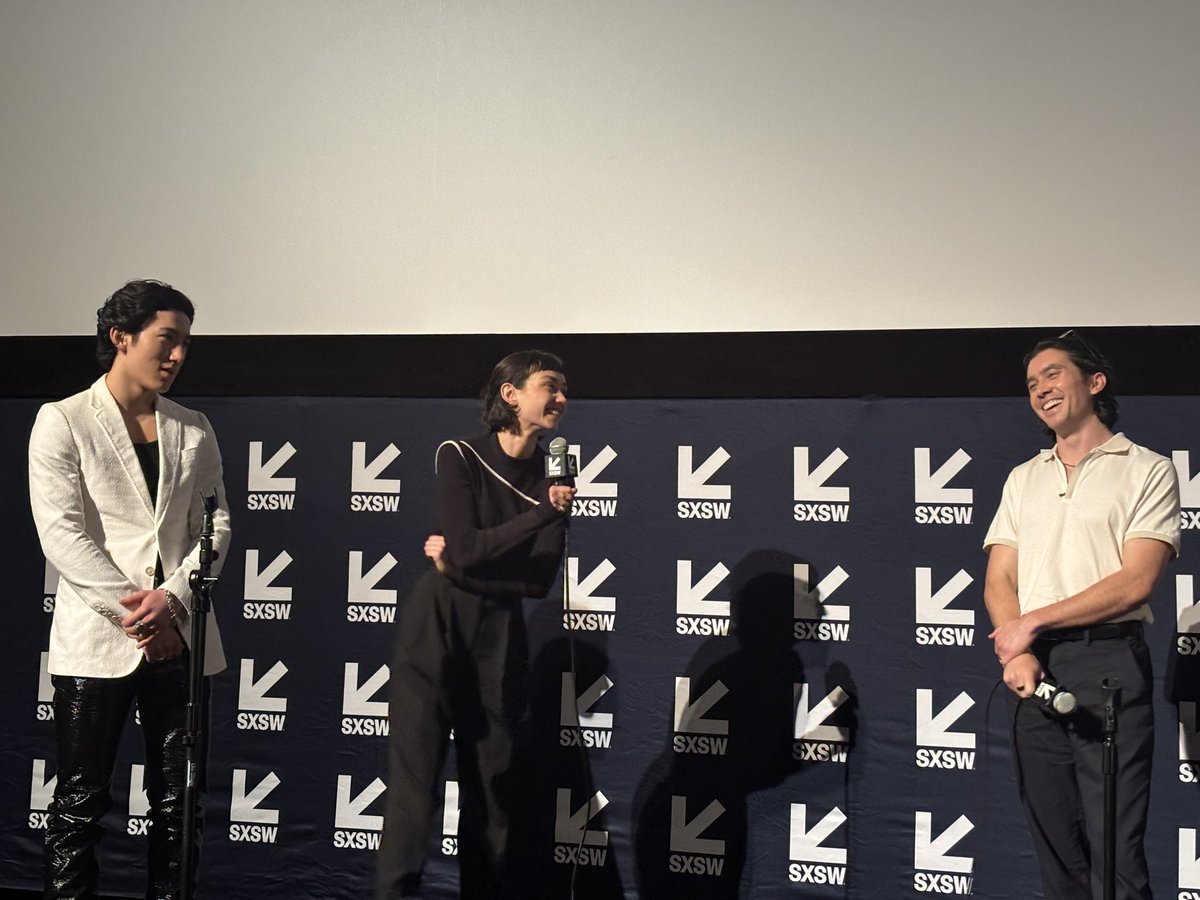
That decision turned an accident into an indelible moment. Ivie admitted that once they saw that level of intensity, there was no way to top it. The scene stayed in the film because, as he put it, “once you see that, there’s nothing you can do to overbeat that intensity level.” For Piazza, the experience became a lesson in trust. Cleaning the blood off his nose afterward, he remembers thinking it felt like a “Marlon Brando moment” because of how natural and real it was. The moment crystallized the film’s commitment to honesty over polish.
That honesty extends to the film’s emotional trajectory. While Anima may initially feel like a gentle, contemplative road movie, Ivie believes audiences may not realize “how hard the movie’s going to go.” He admitted that he did not fully anticipate how emotional Piazza’s performance would be, or how deeply audiences would respond to the way Ryan’s pain quietly radiates through small gestures and looks. “I didn’t realize how broken you felt,” Ivie said, singling out a moment where Ryan simply looks at another character in a doorway. That stillness becomes a turning point.
Piazza’s understanding of Ryan came from lived experience. Having been homeschooled for much of his life, he related to the character’s loneliness and internalization, though he was careful to distinguish his own supportive upbringing from Ryan’s lack of paternal presence. To prepare, he tried to imagine what it would feel like to grow up without that love over time, describing it as an exercise in emotional empathy rather than research or prescribed homework.

Despite sharing the screen with seasoned actors like Sydney Chandler, Takehiro Hira, and Lili Taylor, Piazza never feels overshadowed. He credited that confidence to the generosity of the ensemble and Ivie’s collaborative approach. “It felt very collaborative rather than intimidating,” he said, noting that being a minor on such a set could have gone very differently. Ivie, for his part, recognized early on that his job was to step back. From Piazza’s first audition tape, he knew the young actor would “break your heart,” and the best thing he could do was simply not get in the way.
Beyond performance, Anima wrestles openly with technology, mortality, and connection, but never in a preachy or dismissive way. Ivie was clear that the film is not about condemning technology outright. Instead, it asks viewers to consider how easily it can become a barrier to real human connection. Piazza echoed that sentiment, saying the experience reinforced for him that technology and AI cannot replace vulnerability and genuine relationships.
That theme feels especially fitting for a film that premiered at SXSW, a festival where tech, music, and film collide daily. Ivie reflected that the festival setting felt almost destined for Anima, even if it was never planned that way. He hopes the film encourages people to slow down and see those moving at a different pace, especially those who are struggling or suffering quietly. For him, the film is ultimately about learning how to love people better, not faster.
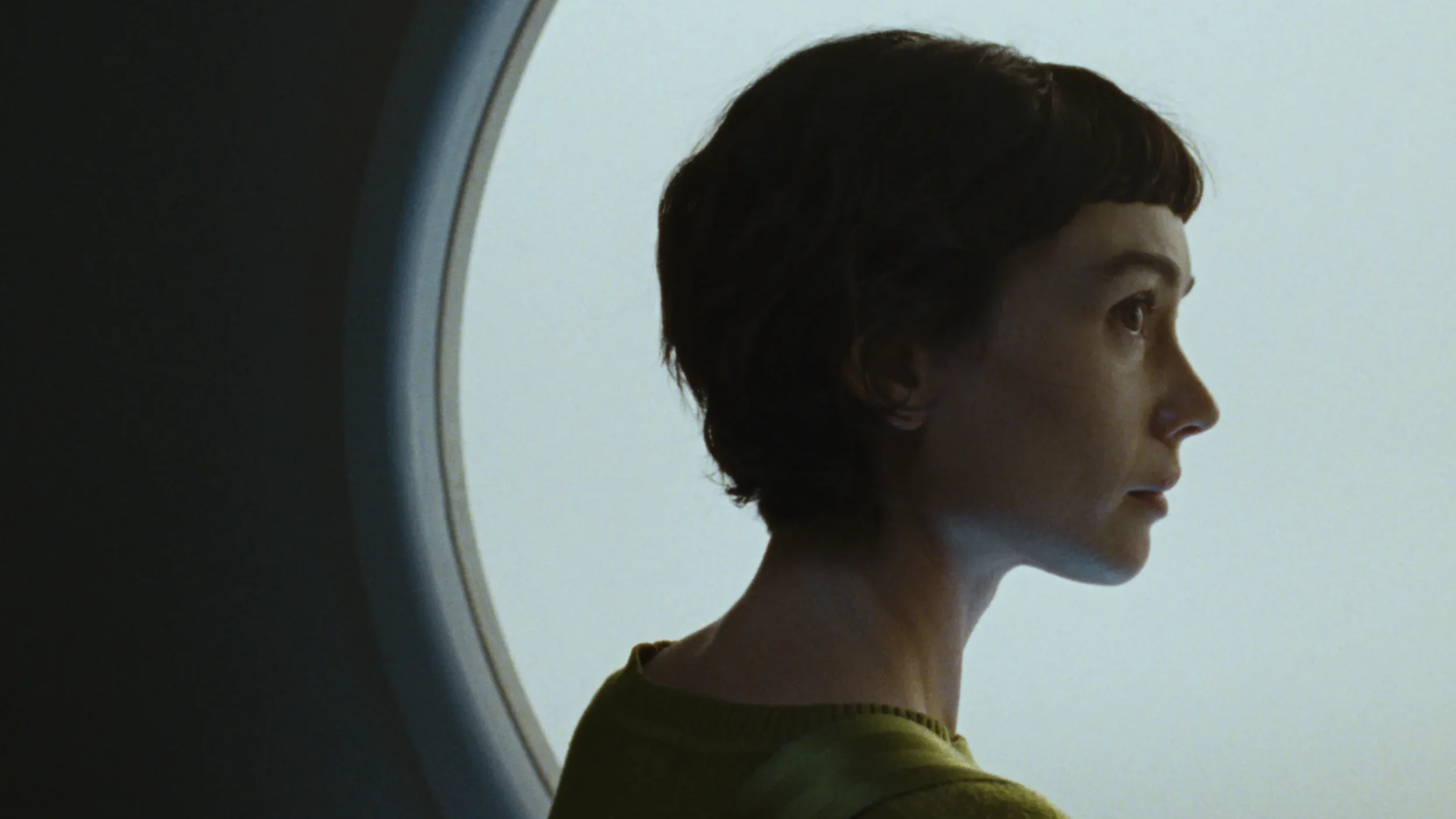
On a personal note, talking with Ivie and Piazza in person at SXSW only reinforced what comes across on screen. Ivie is the kind of filmmaker whose thoughtfulness feels inseparable from his work, and even as he spoke about the possibility of stepping back to prioritize family, it was hard not to hope this is only a pause, not a farewell. There is a steadiness and clarity in his voice that suggests a long future ahead whenever he chooses to return.
As for Piazza, his talent is matched by an uncommon eloquence and emotional intelligence. Whether navigating the quiet devastation of Anima or stepping in as Young Zoro in One Piece, he carries himself with a level of intention that feels rare at any age. Watching where he goes next will be half the fun.
Anima sticks with you. Not because it shouts its ideas, but because it trusts its audience enough to sit in the silence. That trust comes from a director unafraid of tenderness and a young actor brave enough to let us see what hurts. Together, they have made something that feels personal, generous, and quietly devastating.
Jessie Hobson