
The explosion of independent animation over the past several years has produced a number of breakout successes, but few projects illustrate the creative possibilities of the medium better than Soulbound and The Amazing Digital Circus. Created by Gooseworx, The Amazing Digital Circus became a global phenomenon after its pilot premiered in October 2023, while Soulbound launched around the same period as an ambitious independently produced animated web series from creator Jeff Stirling.
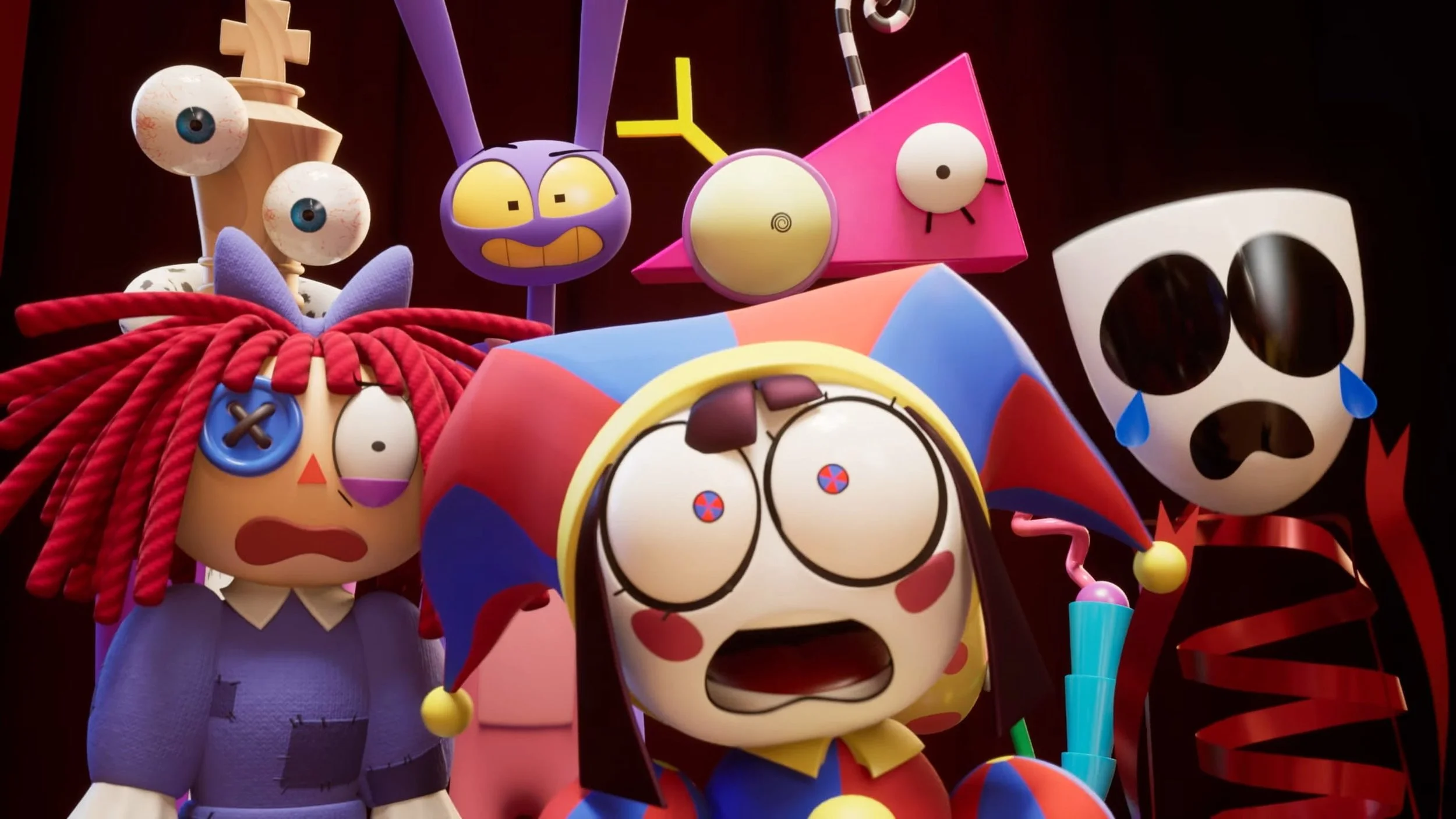
At first glance, it is surprisingly easy to see why viewers have occasionally compared the two. Both series center on characters trapped in worlds they do not fully understand. Both follow protagonists who arrive in strange environments and are immediately forced to grapple with questions of identity, purpose, and survival. Both balance colorful visuals with darker psychological themes. Even their central premises revolve around individuals searching for meaning while trying to navigate realities that operate by unfamiliar rules.
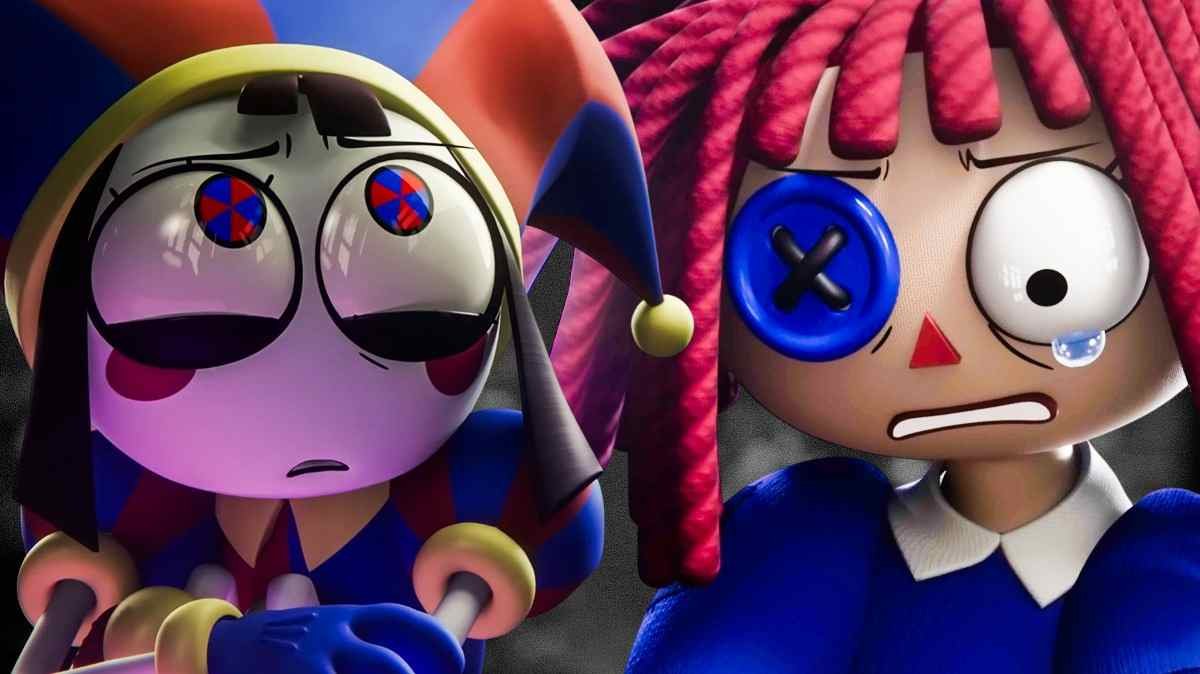
The similarities become even more apparent when comparing their protagonists. In The Amazing Digital Circus, Pomni is the newest arrival in a surreal digital world, desperately trying to understand what has happened to her and how she might escape. She is anxious, overwhelmed, and constantly searching for answers. In Soulbound, Lupe arrives in Astral Valley with many of the same uncertainties. Like Pomni, he enters an unfamiliar realm with limited knowledge of its rules and finds himself surrounded by strangers who understand the world better than he does. Both characters effectively serve as audience surrogates, allowing viewers to discover their respective worlds through fresh eyes.
Each series also places its protagonist under the watch of mysterious higher powers. Pomni's existence is overseen by the erratic AI ringmaster Caine, whose attempts to help often create new problems. Lupe, meanwhile, finds himself living under the influence of Nekrina and Nightshade, celestial beings whose true intentions remain deliberately unclear. In both cases, the audience is encouraged to question whether these figures are guardians, manipulators, or something in between.
Even the central themes occasionally appear to overlap. The Amazing Digital Circus explores existential anxiety, psychological deterioration, and the fear of losing oneself inside an artificial world. Soulbound similarly confronts issues of self-worth, trauma, memory, and personal redemption through the lens of an afterlife fantasy. Both stories ask what happens when people are placed in circumstances beyond their control and forced to confront the parts of themselves they would rather avoid. Yet despite those similarities, the two series quickly diverge once their stories begin unfolding.
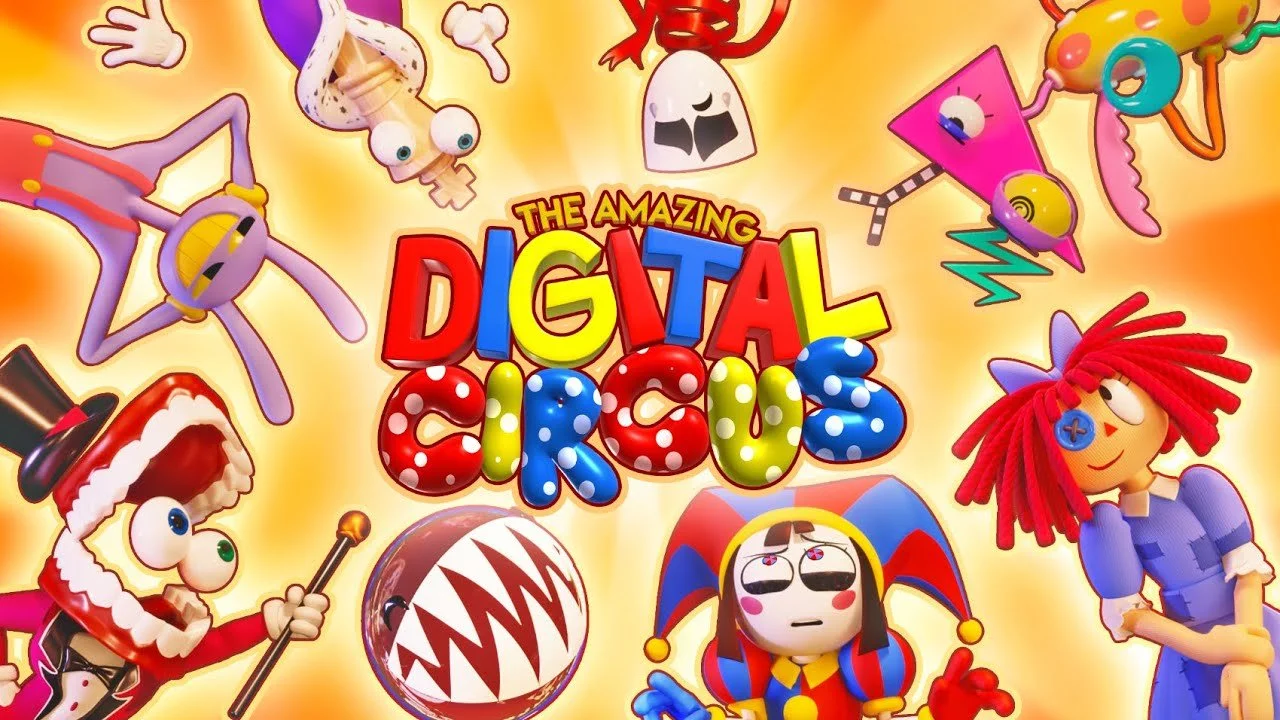
The most significant difference is their approach to the central mystery. The Amazing Digital Circus is fundamentally about captivity. The primary question hanging over every episode is whether its characters can escape the digital prison in which they are trapped and what their existence truly means. The show's conflicts are driven largely by existential dread and the psychological consequences of confinement.
Soulbound, on the other hand, is not primarily concerned with escape. While Astral Valley may function as a kind of spiritual holding place, the story is ultimately about growth, redemption, and understanding the emotional baggage that characters carry with them into the afterlife. Lupe's journey is less focused on finding a way out and more focused on discovering who he is, why he is there, and what it means to become a better version of himself.
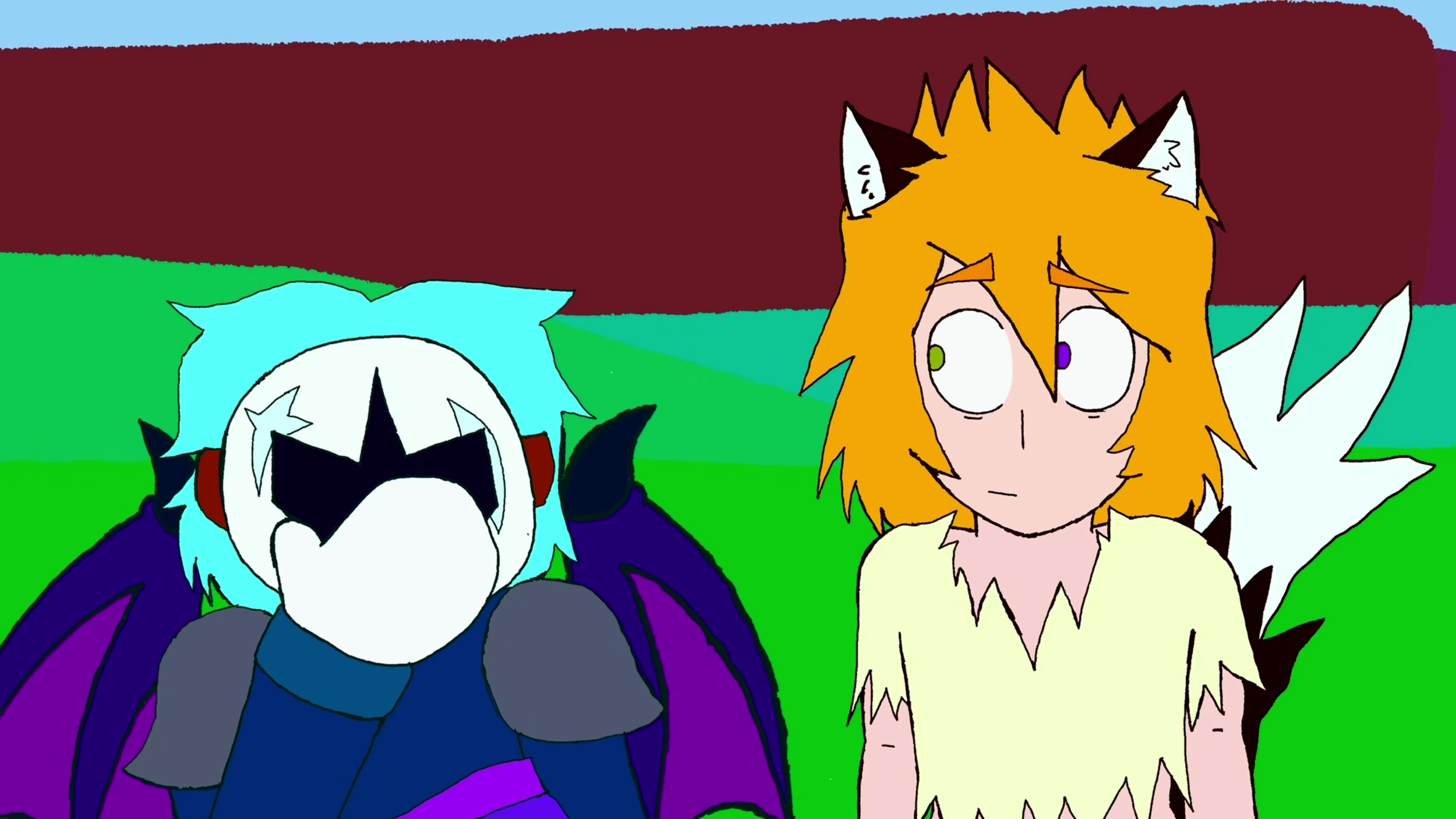
This distinction becomes especially clear when examining the protagonists themselves. Pomni is reactive by nature. Much of her story revolves around responding to increasingly bizarre situations and coping with the emotional stress they create. Lupe, by contrast, is often driven by empathy and curiosity. While both characters struggle with uncertainty, Lupe frequently acts as a bridge between conflicts, attempting to understand those around him rather than simply survive them.
The supporting casts highlight additional differences. In The Amazing Digital Circus, the ensemble functions as a collection of individuals coping with shared imprisonment. Characters such as Jax, Ragatha, Gangle, Kinger, and Zooble each process their circumstances in dramatically different ways, creating a portrait of people struggling to preserve their identities. In Soulbound, the relationships are often more emotionally interconnected. Much of the series revolves around the evolving dynamic between Lupe and Sonkeiro, whose friendship, conflicts, and growing understanding of one another form the emotional backbone of the story.
In many ways, Sonkeiro occupies a role opposite to several of Digital Circus' major characters. While Jax frequently masks his issues through sarcasm and antagonism, and Pomni wrestles with uncertainty about her situation, Sonkeiro's struggles stem from guilt, regret, and emotional self-destruction. Recent Soulbound teasers and the upcoming Silva Hound music video suggest that his relationship with Lupe may be rooted in painful events that occurred before the series began, adding yet another layer to the show's focus on redemption and forgiveness.
The visual philosophies of the two projects further separate them. The Amazing Digital Circus embraces the aesthetics of retro CGI, colorful toys, and surreal digital environments while intentionally contrasting those visuals against darker subject matter. Soulbound leans more heavily into fantasy worldbuilding, supernatural imagery, and character-driven storytelling rooted in an afterlife setting. Astral Valley feels less like a simulation and more like a mythological realm with its own spiritual rules and history.
Perhaps the most interesting comparison is that both shows have become examples of how independent animation can tackle mature emotional subjects without losing their sense of fun. Despite dealing with existential dread, trauma, identity crises, and psychological struggles, neither project is afraid to embrace humor. Whether it is Frostbite causing chaos in Astral Valley or Caine sending his inhabitants on increasingly absurd adventures, both series understand that comedy can often make dramatic moments hit even harder.
What began as two seemingly similar projects has ultimately resulted in two distinctly different creative identities. The Amazing Digital Circus became a landmark story about captivity, existence, and finding meaning inside an artificial reality. Soulbound has evolved into a meditation on redemption, friendship, and healing within a strange afterlife where every character is carrying wounds they must eventually confront.
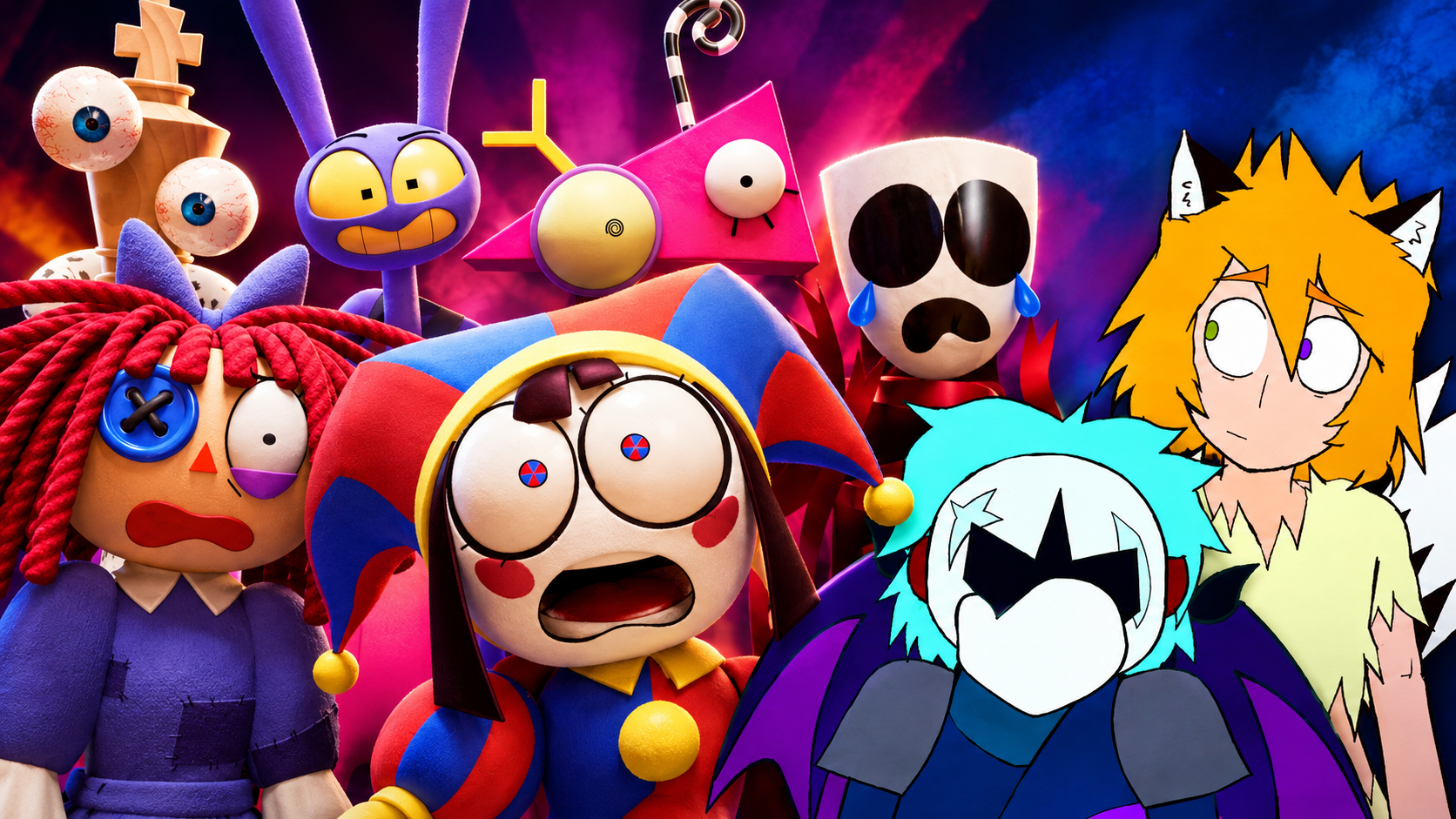
The comparison is understandable, especially considering that both pilots emerged during the same era of indie animation and featured newcomers thrown into extraordinary worlds. However, the longer both stories have continued, the clearer it has become that their similarities are largely coincidental. Today, The Amazing Digital Circus and Soulbound stand as complementary examples of what independent animation can achieve, each exploring questions of identity and humanity through entirely different lenses while carving out unique places within the growing indie animation landscape.