
Exuvia is a coming-of-age drama that finds its greatest strength in the profound relationship between ten-year-old Hunter, played by Rémi-Gaël Panon, and his nanny Melina, played by Katherine Alpen. From the opening moments, their connection feels lived-in and genuine. The ease between them suggests a bond that existed long before the cameras rolled, and watching their scenes together becomes the emotional core of the film. Regardless of the plot, their chemistry alone is worth the price of admission.
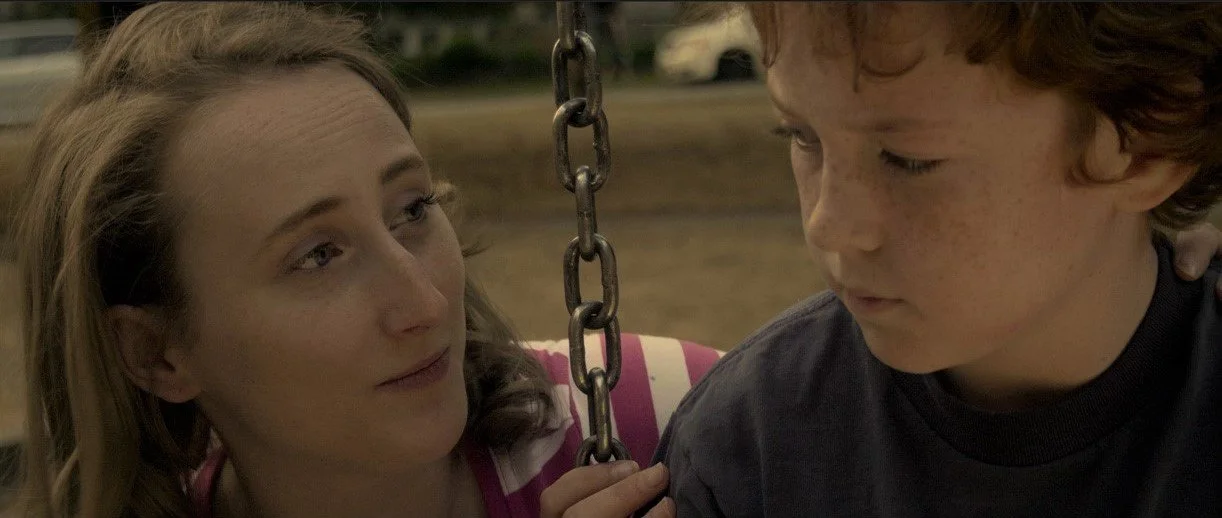
Rémi-Gaël Panon is the film’s most astonishing discovery. His performance has a simplicity that feels almost instinctual. He delivers complex dialogue with the natural confidence of someone far more experienced, making it easy to forget he is a child actor. It is no surprise he received award recognition, and it is exciting to imagine where his career may go in the next decade. Alpen also gives a committed performance, though some of her line delivery occasionally leans toward caricature, perhaps stemming from the character’s background or the film’s tone. Still, she handles the emotional demands of the role with sincerity.
The success of this central relationship would not land as powerfully without the foundation provided by writer and director Anthony Harrison. His script allows small moments to carry tremendous weight, and his skill with dialogue elevates even the simpler scenes. Harrison has a talent for weaving intimate stories that feel destined for cult appeal if they find the right audience. He may be one of cinema’s most overlooked voices.
The score by Andreu Jacob adds a rich emotional layer to the film. The orchestral arrangements, particularly the use of violins and piano, help smooth over some technical bumps. There are stretches with noticeable room noise and a heavy use of ADR early on, which can be distracting, but the editors cover much of it with the music. The film also lingers a bit too long in places, especially during the quieter contemplative moments, though this pacing may appeal to viewers who appreciate mood over momentum.
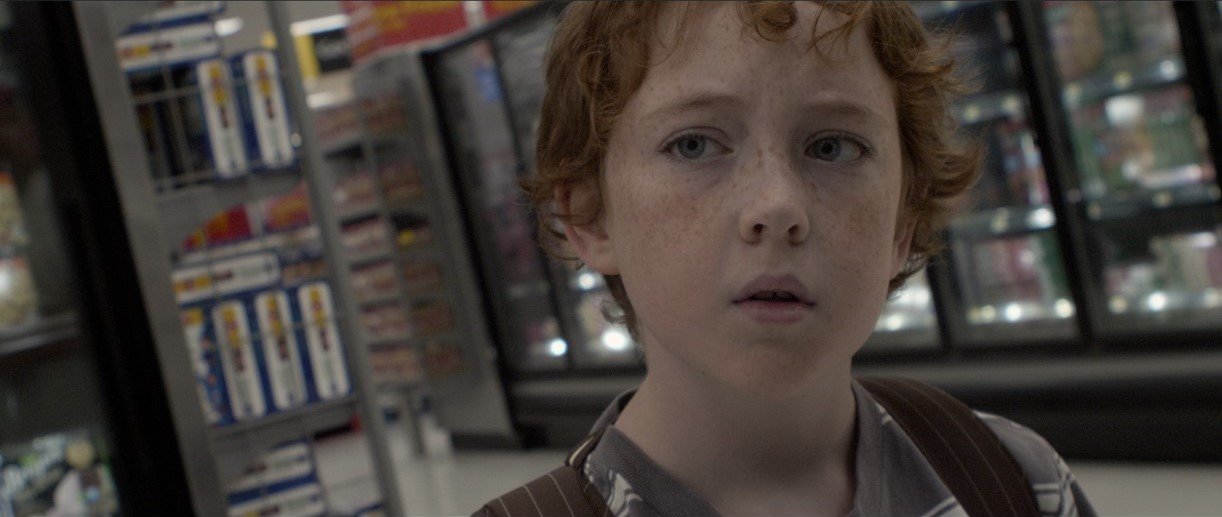
Visually, the film has clever touches. The subtle costume changes for Melina help indicate the progression of time, hinting at the routine nature of nannying while still marking each passing day. There are sweet, effortless scenes as well, such as a trip to the dollar store that captures innocence and nostalgia without ever forcing it.
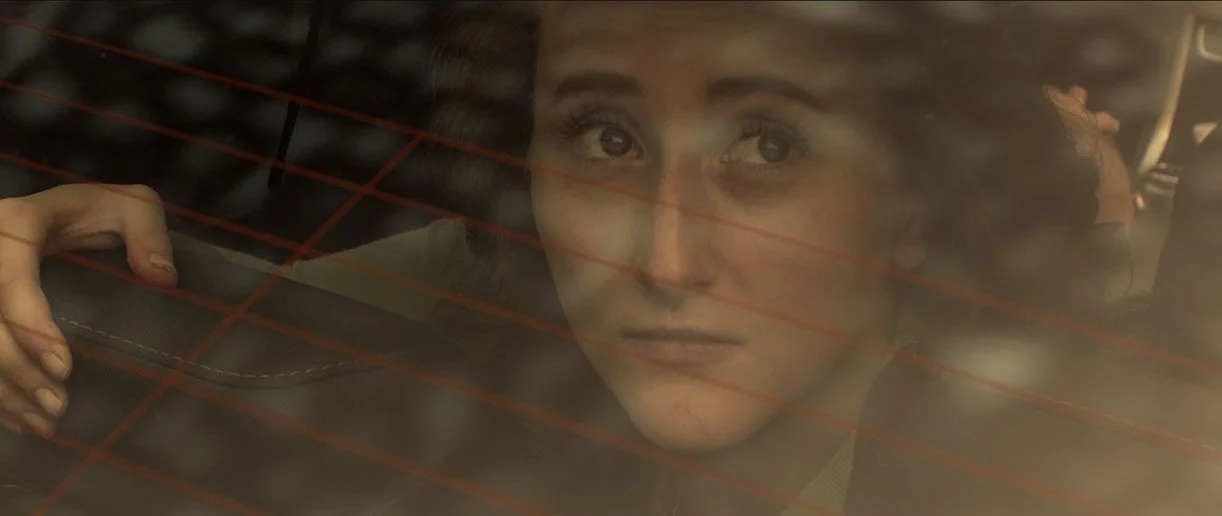
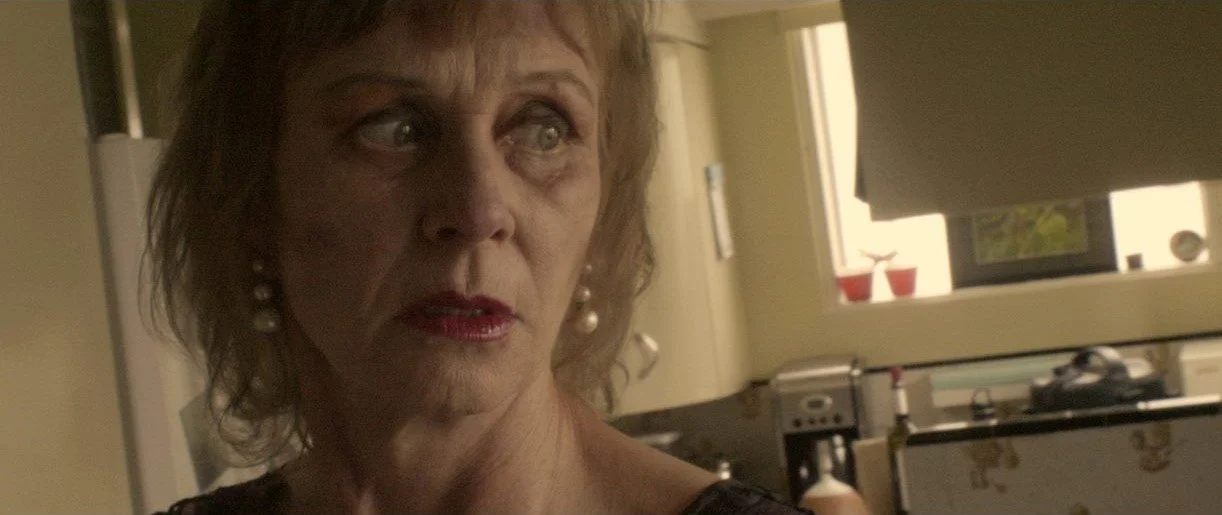
The story deepens as we learn more about Melina’s troubled past and her strained relationship with her mother. Her emotional volatility gives the film a sense of unease. At times, she overshares with Hunter, and certain moments may feel uncomfortable for parents, who might interpret some interactions as crossing boundaries. This discomfort appears intentional, especially as the tone shifts in the second half. When Melina’s mother enters the story, the film becomes more unsettling and unpredictable. Some scenes involving Melina lashing out are difficult to watch, particularly when Hunter tries to comfort her.
Despite these darker turns, the film remains engaging throughout. It explores bullying, generational trauma, and the shared struggle of shedding old wounds in order to grow. Hunter’s confession about being bullied for his weight is heartbreaking, and as a parent, it may resonate even more deeply. The film never sensationalizes these elements. Instead, it sits with the pain, allowing the characters to navigate it together.
Exuvia may not be everyone’s cup of tea, but it is executed with purpose and filled with affecting moments. The heartbreaking ending leaves a lasting impression, one that captures both sorrow and beauty. They truly do not make films like this anymore. It is well worth seeking out for its performances, its emotional honesty, and the unforgettable connection between Panon and Alpen.
Jessie Hobson