
Forever Young arrives at a moment when longevity science dominates headlines and public imagination. Director David Donnelly has spent three years assembling a globe-spanning look at the breakthroughs reshaping our understanding of aging, working alongside producers Dr. James B. Johnson and Dr. Thomas B. Lewis, who help ensure the film stays rooted in scientific integrity. The result is a documentary that is as ambitious in scope as it is welcoming in tone, offering viewers a guided tour through the most promising frontiers of modern geroscience.

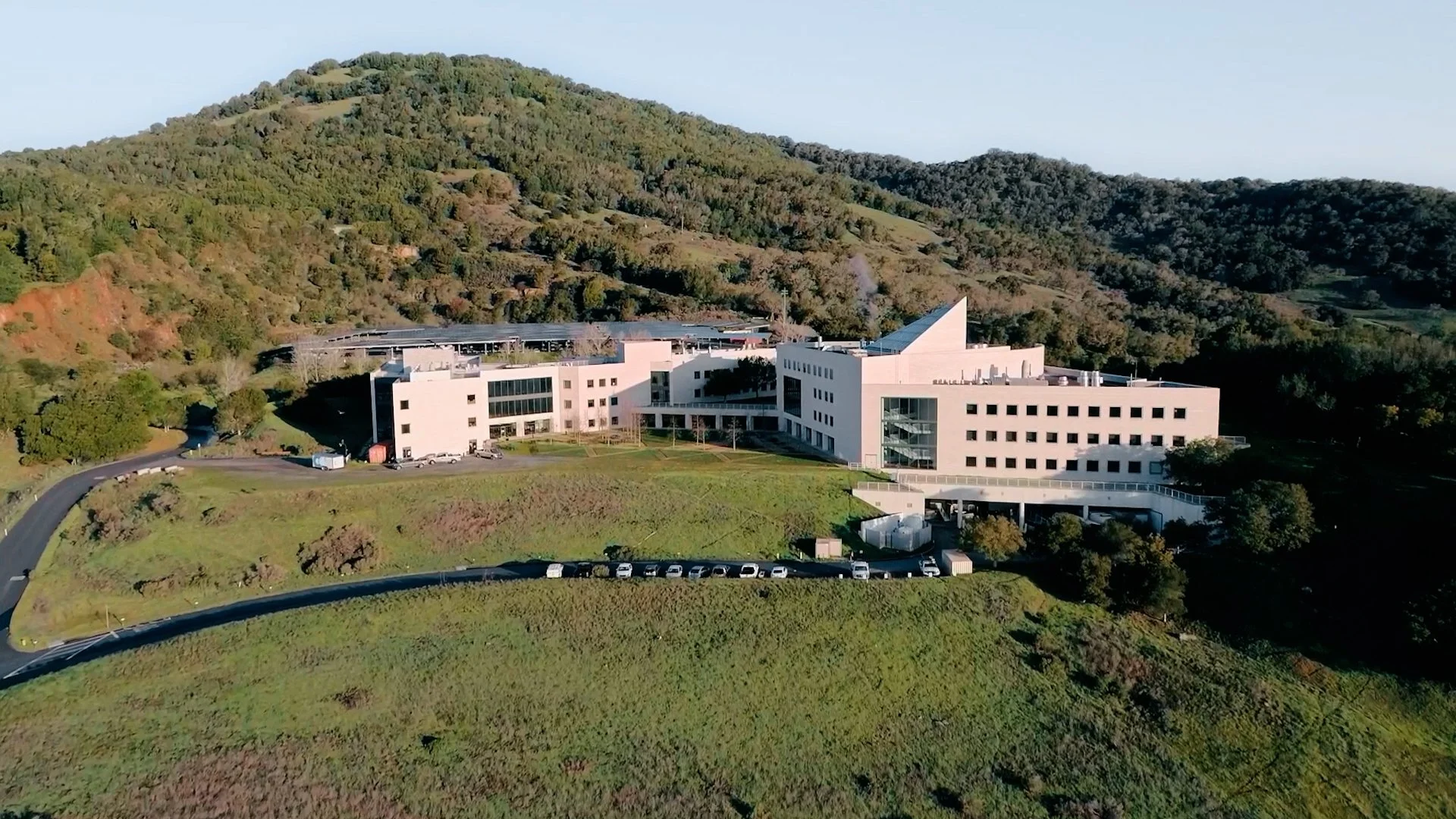
The film begins with a sweeping historical frame, tracing humanity’s obsession with extending life from ancient myth to modern laboratories. This early section grounds the viewer in the universal nature of the quest, then pivots into contemporary research with an optimism that borders on awe. Forever Young takes audiences inside leading institutions like the Buck Institute for Research on Aging, where prominent voices, including Dr. Nir Barzilai, Dr. Eric Verdin, Dr. Steve Horvath, Dr. Jennifer Garrison, and others, reflect on what it means to push past the traditional limits of health and lifespan.

Gene editing, epigenetic rejuvenation, pharmaceuticals, AI-driven diagnostics, and the evolving science of the mind-body connection all receive attention. These segments are often presented through talking heads, and while the information is compelling, the delivery can at times feel conventional. Viewers familiar with science documentaries may find the structure familiar, even predictable. That said, the caliber of experts on screen does elevate the material, and the film’s clarity makes complex concepts digestible for a general audience.
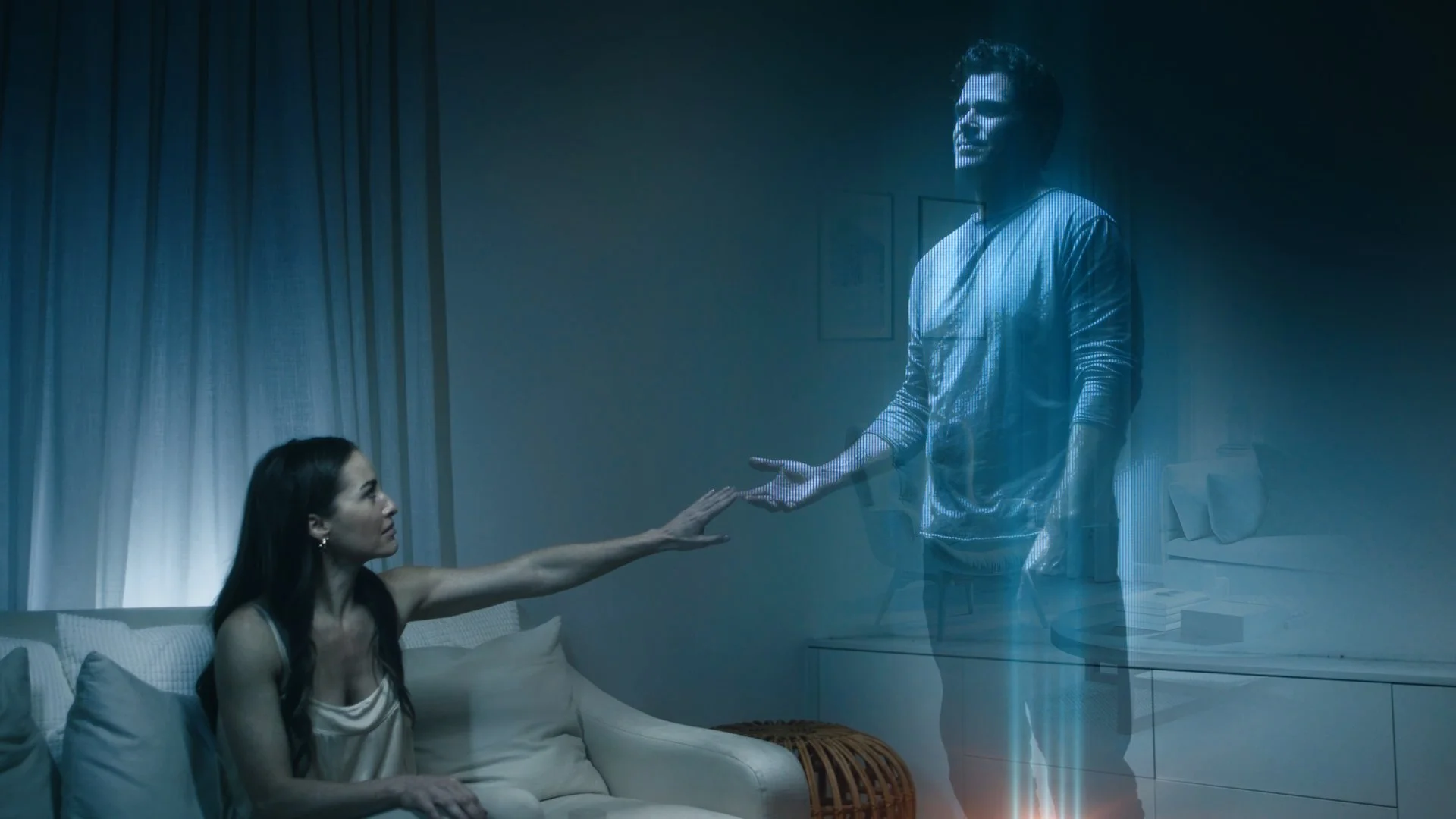
Donnelly weaves in a light sci-fi narrative thread, using it as an interpretive device rather than a literal storyline. This blend of speculative imagery and expert analysis results in a tone that straddles curiosity and caution. Forever Young frequently returns to the question of what it will mean to be human in a world where death from aging may become rare. Ethical dilemmas, rivalries within the field, and the challenge of distinguishing genuine breakthroughs from hype are all acknowledged. These moments add welcome nuance to a subject that can easily veer into techno-utopianism.

Visually, the film is polished, with a clean aesthetic that reflects its technological focus. The worldwide filming effort gives the documentary a sense of scale and legitimacy, reinforcing its message that the longevity revolution is global. Although its structure sometimes leans on familiar documentary conventions, the sheer volume of information presented and the passion of the contributors keep the film engaging.
Where Forever Young truly succeeds is in its emotional undercurrent. Testimonies from Johnson and Lewis, along with relatable guides like Taryn Southern, help the scientific material feel tethered to everyday life. In its closing moments, the film shifts from scientific explanation to personal reflection, inviting viewers to reconsider their own futures in light of what is now possible. It is here that the film lands most powerfully, leaving a sense of hope rather than fear.
Forever Young may be a fairly standard informational documentary in format, but it delivers its message with sincerity and an infectious belief in human potential. It offers a thoughtful introduction to longevity science for newcomers, a polished overview for enthusiasts, and an optimistic lens for anyone curious about what the next century of human life might hold. As the film prepares for a wider release in summer 2026, and with early streaming available through its website beginning December 9, it provides a timely and accessible entry point into one of the most transformative scientific revolutions of our time.
Jessie Hobson