
Bad Girl Office is a tightly focused, character‑driven drama that turns a single room into an emotional battleground. Directed by Jamie Grefe, the film follows Alisa, a young woman with a long history of shoplifting, as she is placed under the guidance of unorthodox counselor John Mahler. What unfolds is not just a series of therapy sessions but a layered, sometimes unsettling exploration of how two wounded people try to reach each other from opposite sides of a very complicated table.
The film’s structure is deceptively simple. Most of the story takes place in Mahler’s cluttered office, a space that feels half sanctuary and half interrogation chamber. This intimacy forces the viewer to concentrate on conversation, body language, and the psychological tug‑of‑war between Alisa and Mahler. Rather than leaning on flashy plot turns or large supporting cast, the film relies on the raw push and pull between these two characters as they slowly peel back each other’s defenses.
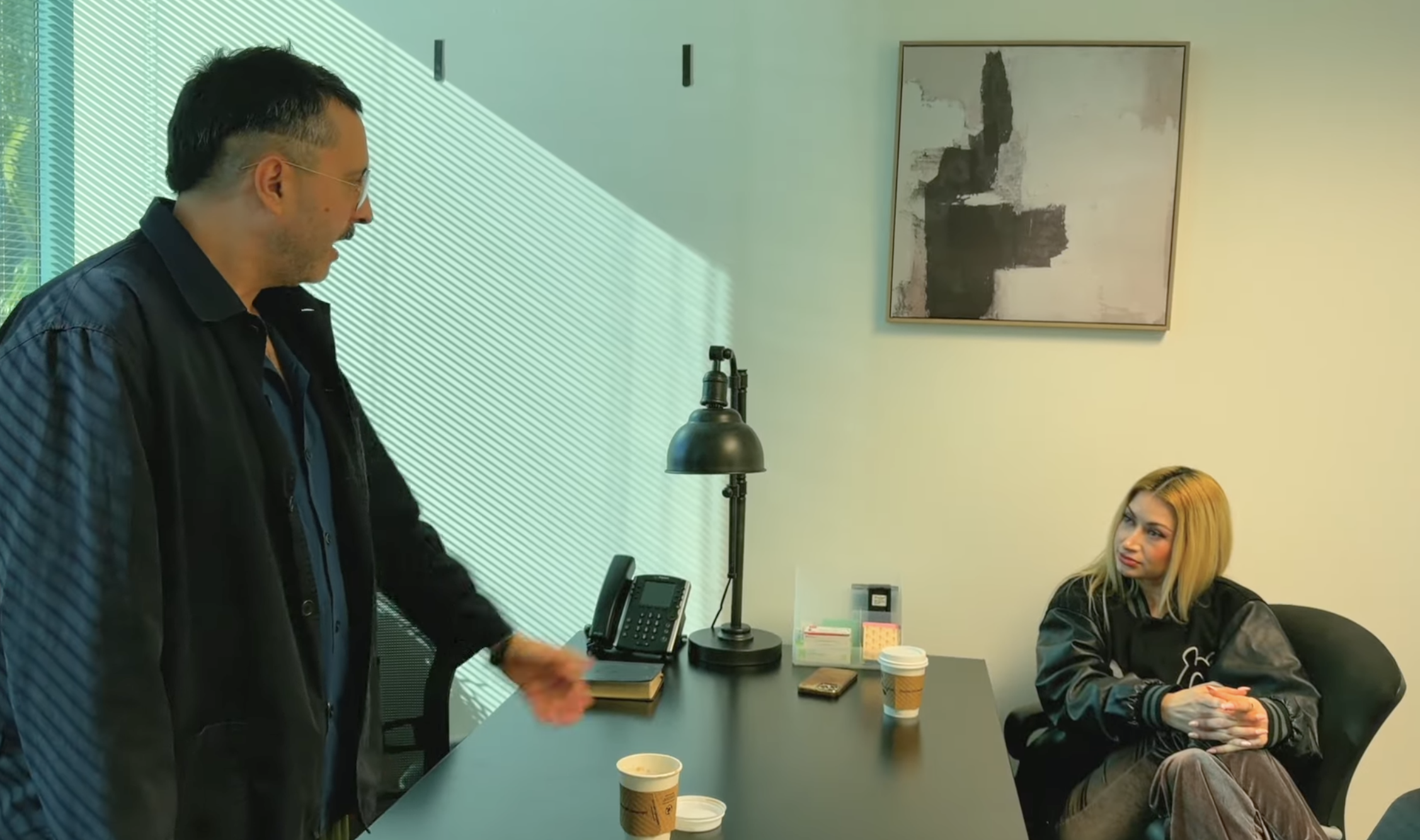
Tiffany Monica Klee Calderon delivers a performance that feels both guarded and explosive. Her Alisa is someone hardened by life, quick to lash out, yet clearly carrying old wounds beneath her quick sarcasm and blunted emotions. Jamie Grefe, stepping in front of the camera as Mahler, plays him with a blend of confidence, eccentricity, and deep personal loneliness. Their conversations swing from combative to confessional, highlighting the film’s central question: Can someone who refuses help be helped anyway?
As the sessions progress, the film shifts from confrontation into something more vulnerable. Alisa’s story of surviving childhood neglect adds weight to her present‑day defiance, and the film becomes less about punishing wrongdoing and more about understanding the roots of pain. Mahler, meanwhile, reveals cracks of his own. His methods blur the line between healing and ambition, yet his persistent belief in Alisa’s potential gives the film its emotional core. The dynamic is messy, human, and sometimes ambiguous, which is part of what makes it compelling.

Cinematographer Warren Hong keeps the visuals expressive despite the confined setting. The use of close‑ups, quiet pauses, and lingering shots on artworks in the office subtly reinforces the film’s themes of identity, transformation, and self‑perception. What could have been visually static becomes a study in tension and vulnerability.
By the end, Bad Girl Office positions itself as a story about the possibility of change, even when that possibility arrives through uncomfortable conversations and unconventional mentors. The film does not present transformation as clean or guaranteed. Instead, it shows how transformation can begin with small truths, painful memories, and a moment of genuine connection.
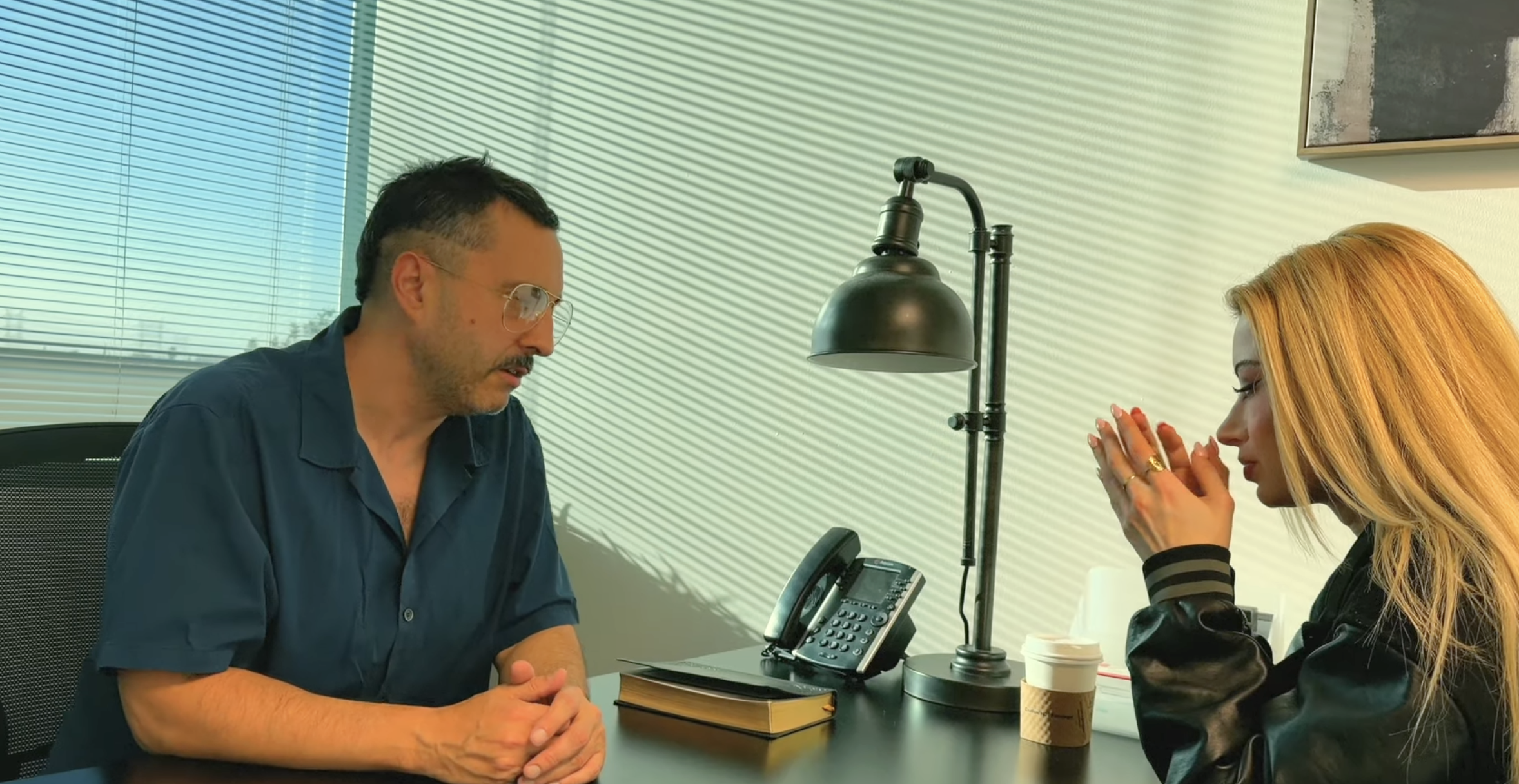
This is a film for viewers who appreciate slow‑burn psychological drama, character studies, and stories that treat personal growth as something imperfect and hard‑won. It’s a modest production with an intimate scope, but its emotional stakes feel large and sincere.
Jessie Hobson