
Dark Places begins as a familiar slow‑burn thriller, but by its final act the film pulls off a psychological rug‑pull that makes you reconsider everything you thought you understood. What seems at first like a story about satanic cults, campus murders, and a shy college student swept into danger becomes something much darker, more intimate, and far more unsettling.
The film follows Natalie Parker, a quiet theology major who feels out of place at college and even more out of place in her home life. Her father struggles with alcoholism. Her mother tries to hold everything together. Natalie herself floats through her days, lonely and unnoticed. So when she meets Jason Evans, a charming outsider with his own odd intensity, she finally feels seen. What starts as a friendship drifts toward something closer, and Natalie begins to anchor her hopes and anxieties to this one budding connection.
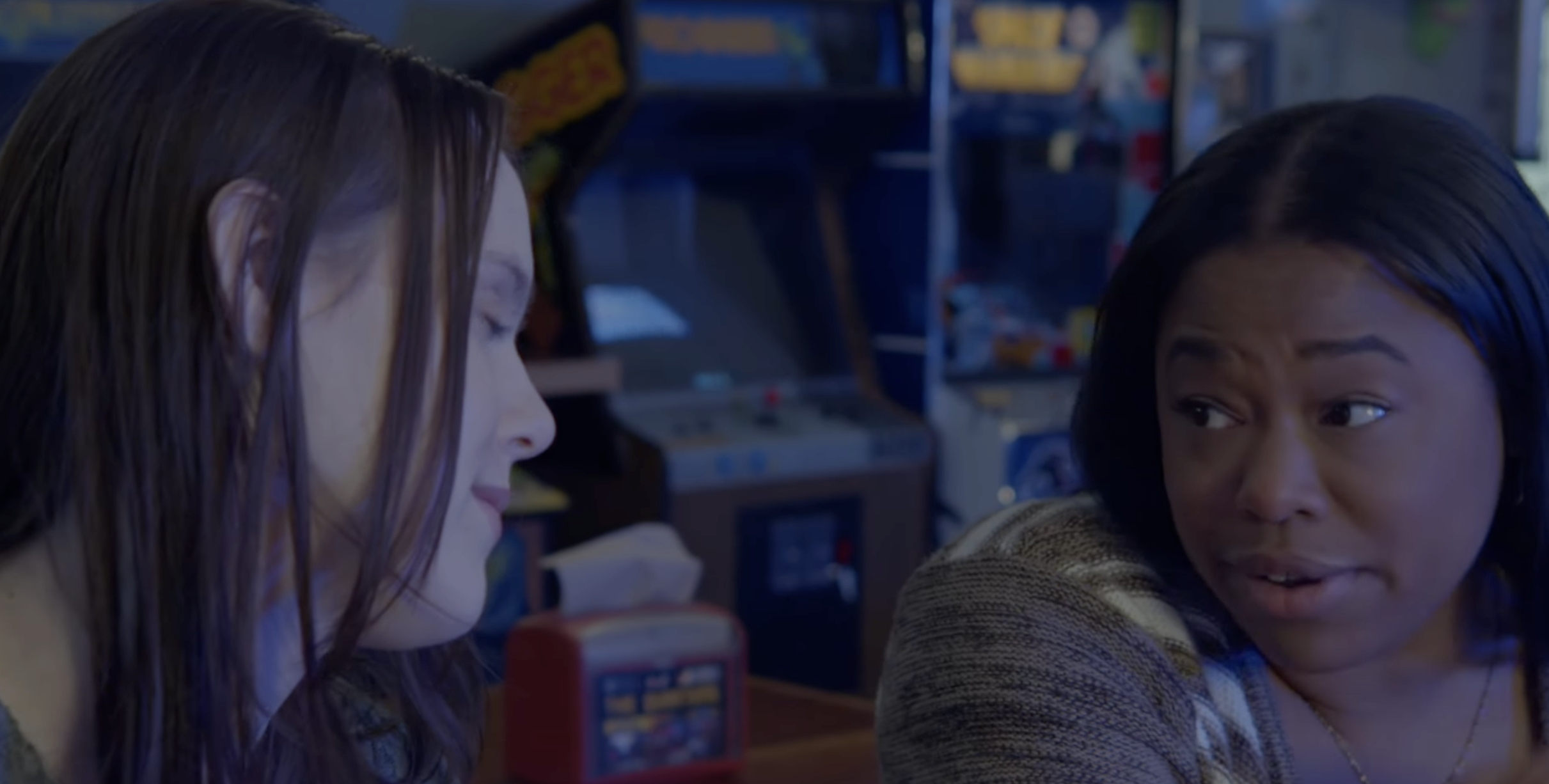
But strange things keep happening around her. Professors are turning up dead. Her father disappears without warning. Whispers of a cult surface, complete with goat‑headed figures and midnight rituals. Natalie sees things she can’t explain. She dreams of violence but believes she is awake. She tries to tell people, yet no one seems to believe her. The film leans heavily into this blurring of reality, showing us events through Natalie’s perspective as her world tilts in ways that are unnerving but always grounded in human emotion and trauma.
The dread escalates when Natalie becomes convinced that Jason and his family are tied to the cult. What unfolds in their home is intense, chaotic, and at times brutally violent. But the most disturbing moment comes after the dust settles, when investigators begin unraveling the truth. The cult wasn’t real. Jason wasn’t real. Even the family she thought she escaped wasn’t who she believed they were. Every terrifying encounter was the product of a mind under enormous strain, a young woman constructing a fantasy world vivid enough to justify the pain she couldn’t face in her real life.
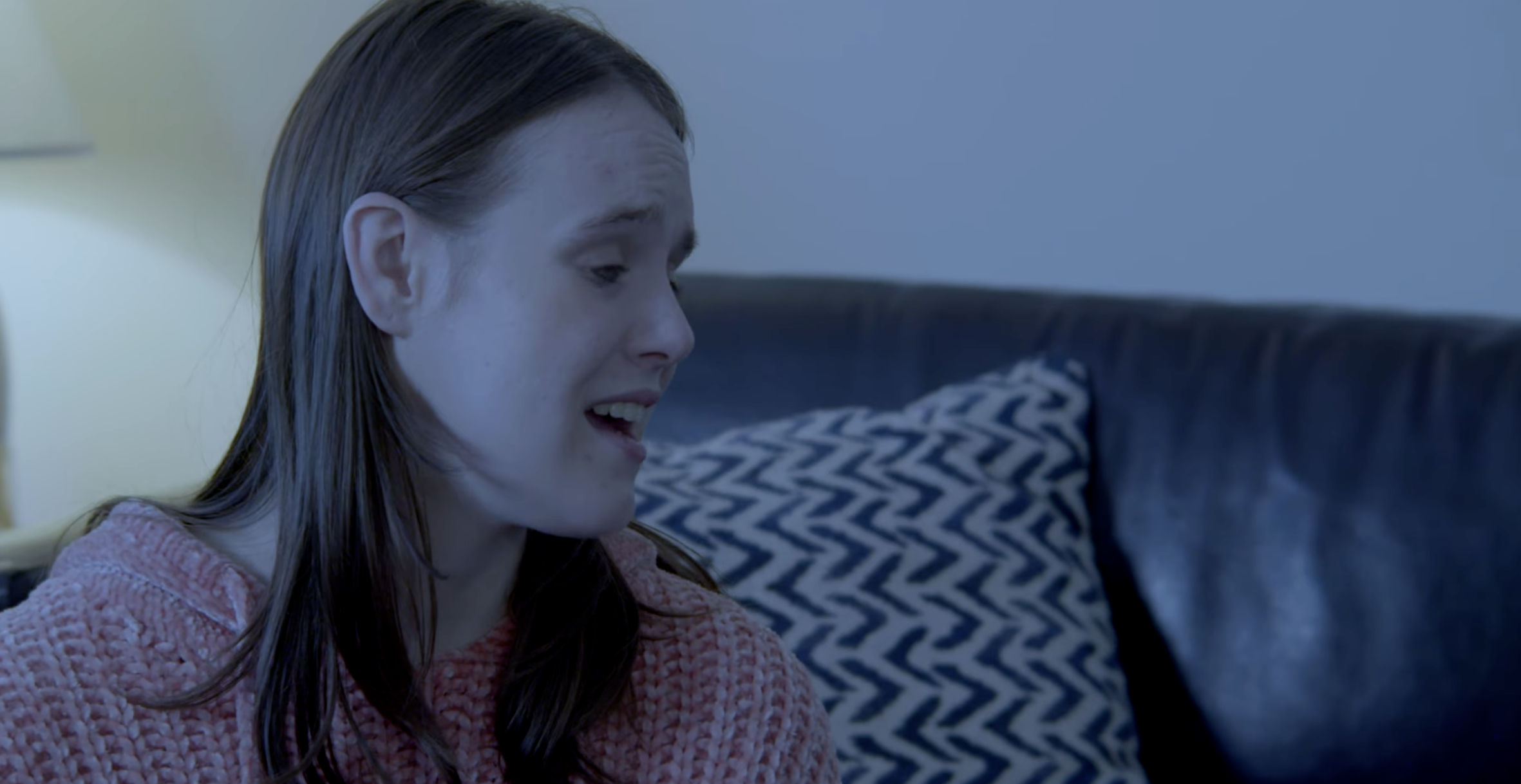
That final twist reframes the entire film. The murders, the rituals, the masked figures, the fear, all of it becomes a portrait of a person’s psyche imploding under the weight of loneliness, isolation, and trauma. It’s not just a horror film; it’s a character study about what happens when someone becomes desperate for meaning in a life that feels too small, too painful, and too ignored.
The performances give the movie its bite. Lindsey Deland carries the emotional weight of Natalie’s unraveling with a fragile intensity that makes her final breakdown both heartbreaking and haunting. Jake Tyler’s calm, almost tender version of Jason makes the later revelation even more chilling. And the supporting cast, especially those playing Natalie’s parents, adds depth to her inner conflicts.
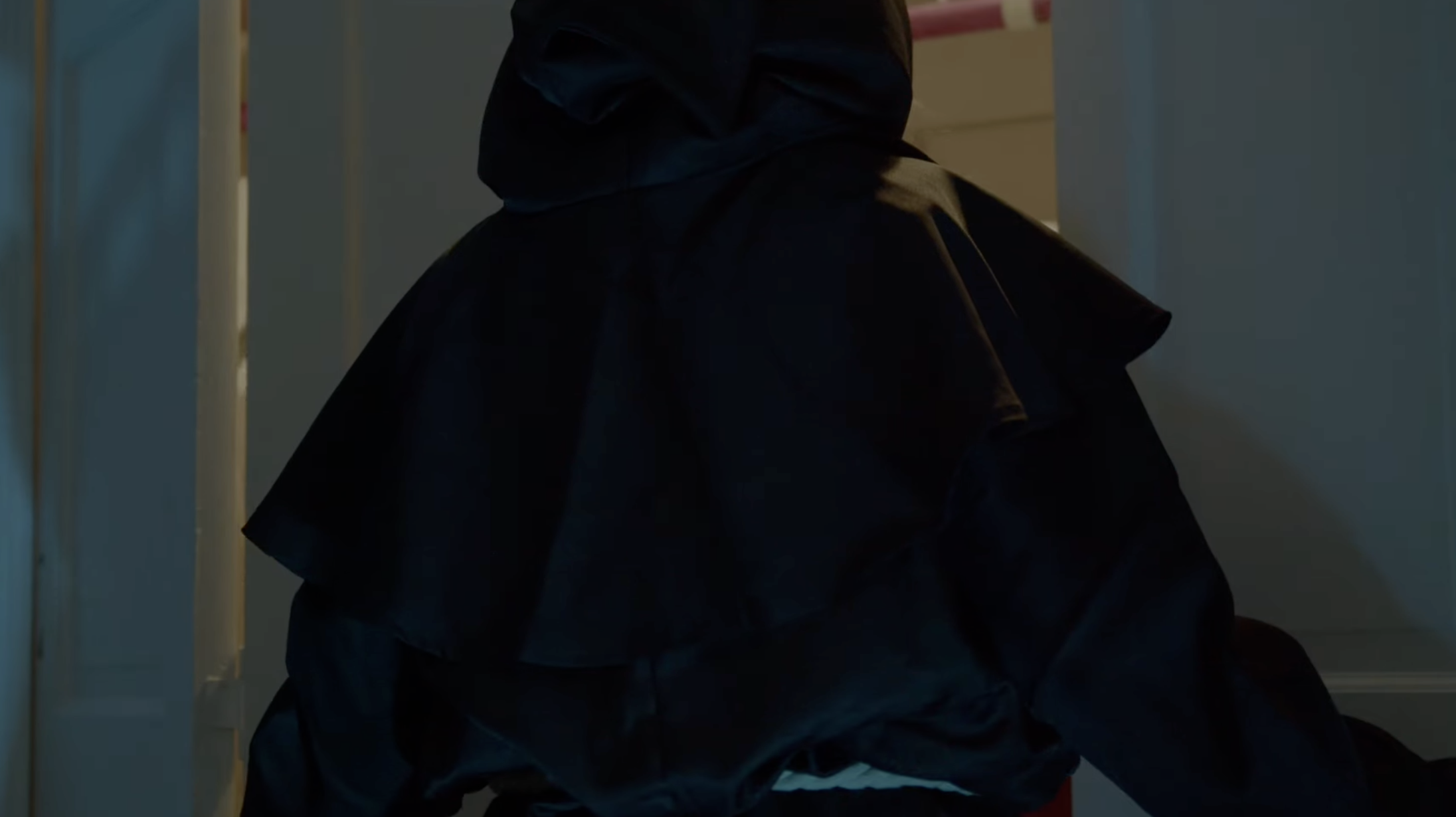
Stylistically, the film plays with contrast: warm family scenes flip abruptly into occult nightmares, and campus life becomes overshadowed by quiet, creeping paranoia. The saturation of cult imagery early on makes the truth hit even harder when the illusion cracks.
Dark Places takes its time. It simmers. It lingers. But its slow pace serves its ultimate goal: dragging the viewer into Natalie’s head until the line between reality and delusion snaps all at once. This isn’t a jump‑scare horror movie. It’s a descent into someone’s fractured mind, and the horror comes from recognizing that the scariest monsters can be the ones we invent ourselves.
Jessie Hobson