
Chupacabra vs. La Llorona sets out to merge two pillars of Latin American folklore into a single supernatural showdown. Jamie Grefe directs a film that leans heavily into atmosphere, isolation, and psychological panic more than monster‑on‑monster spectacle. Instead of a sprawling folklore epic, the story narrows in on a mother fighting to protect her daughters as two ancient threats converge on their secluded home.
Though the premise promises a mythic collision, the heart of the film lies in the slow unraveling of the family’s sanity as strange noises, shifting shadows, and whispered pleas build tension inside the house. The movie uses stillness and darkness to keep viewers off balance, giving even mundane moments a creeping sense of dread.
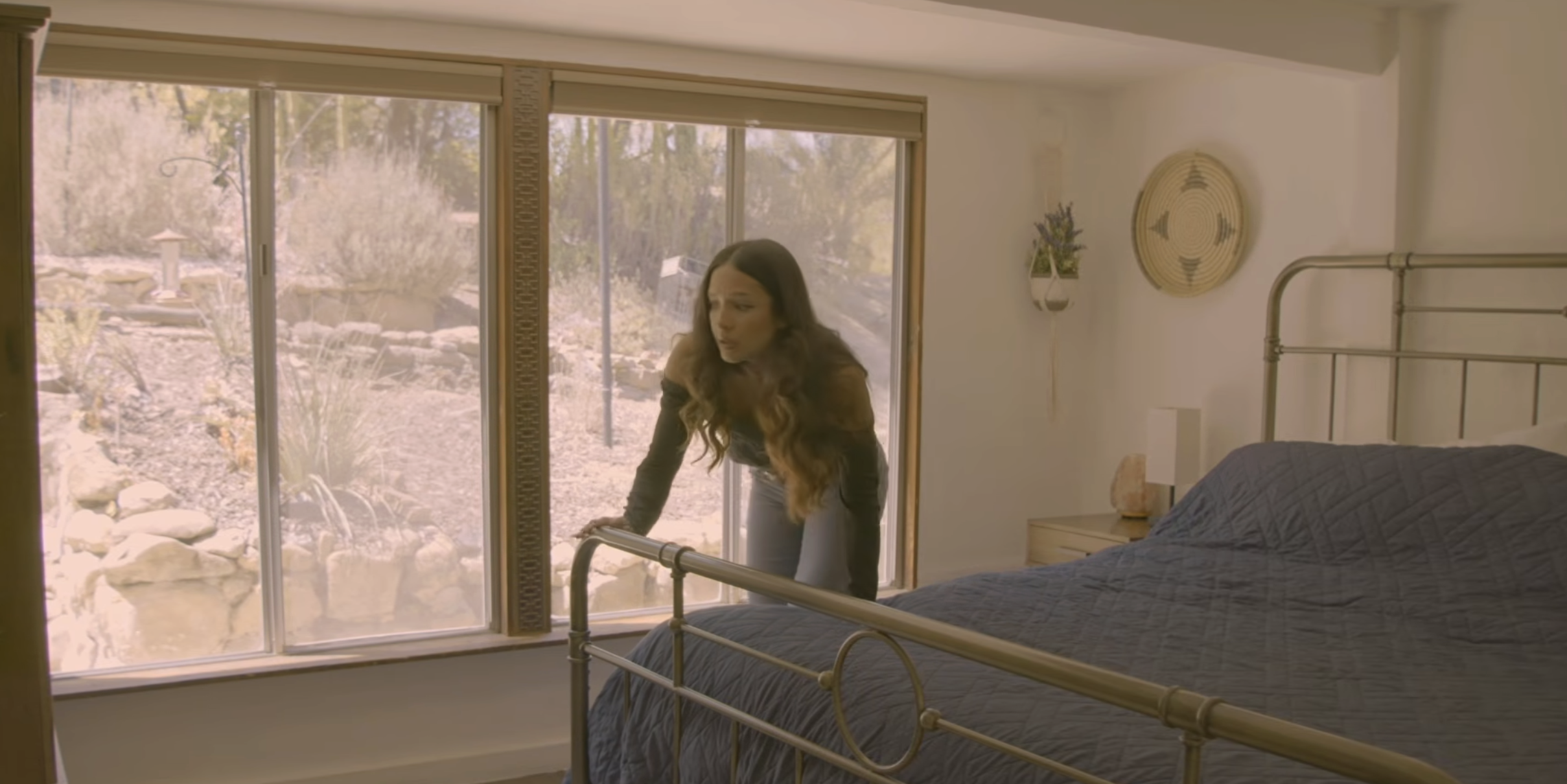
The cast brings a raw, intimate energy to the film. Giselle Garza’s portrayal of Lydia stands out with her frightened insistence that something unnatural is approaching. Her performance captures the terror of a child who feels the unseen long before adults admit something is wrong.
Michelle Colman Padron as Grace grounds the story with a mother’s desperate determination to protect her children. Much of the emotional tension comes from her attempts to maintain control while reality crumbles around them.
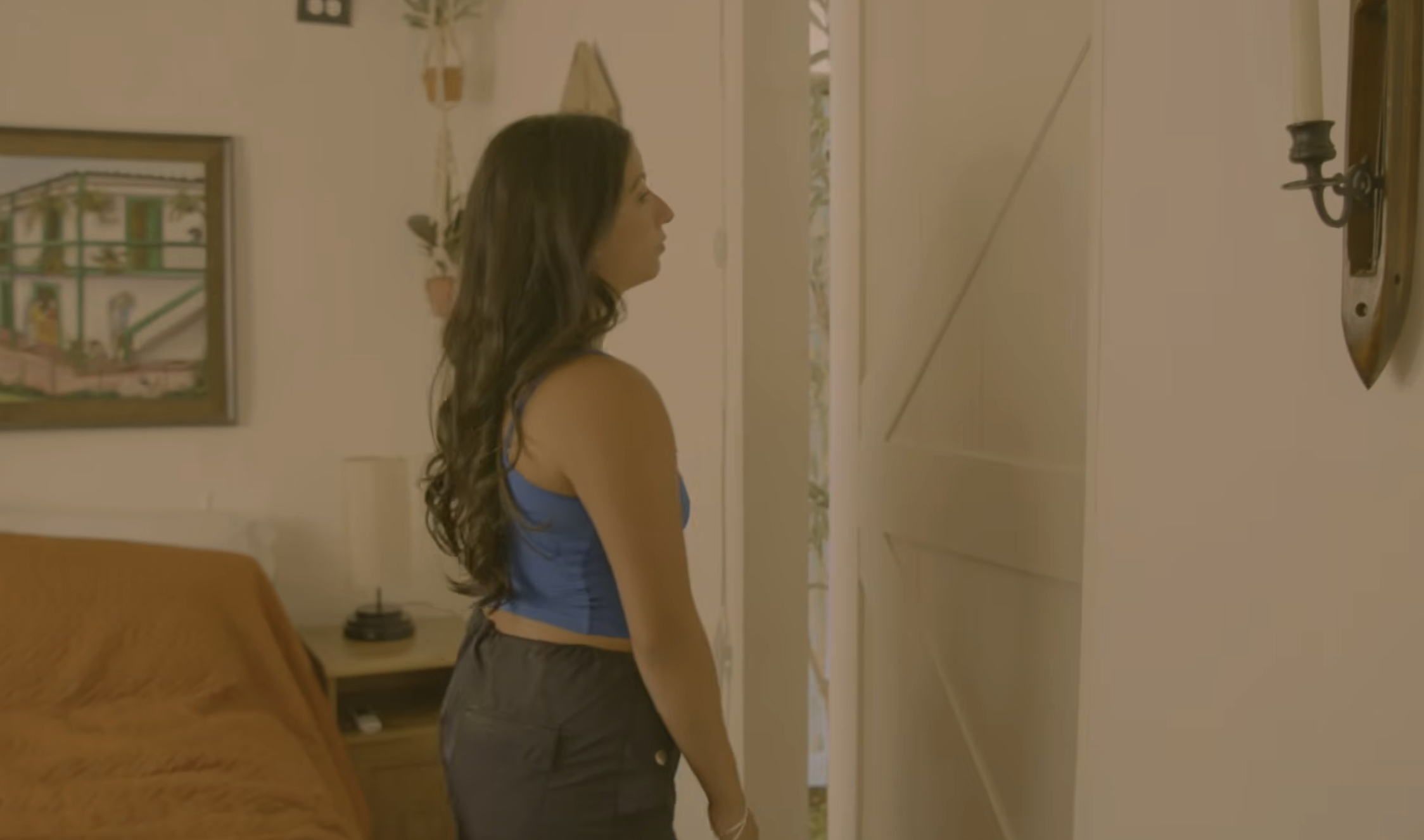
Jamie Grefe also steps in front of the camera as La Llorona. His interpretation leans more toward an eerie presence than a traditional depiction. Bryan Brewer’s Chupacabra, meanwhile, adds a feral, unpredictable danger that contrasts with La Llorona’s haunting sorrow.
One of the film’s most interesting angles is the ambiguity surrounding what is real and what might be imagined. The young girls frequently speak of dreams, voices, and visions, blurring the line between supernatural influence and psychological collapse. The constant pleading, panicked breathing, and fear of naming the creatures at all give the story a claustrophobic emotional tone.
The film’s folklore elements feel woven into the characters’ internal struggles rather than treated as distant legends. La Llorona becomes a figure of both terror and salvation. The Chupacabra is portrayed as an instinctual predator driven by hunger. When these forces finally intersect, the movie leans into chaos and fear rather than grand effects.

Cinematographer Louis DeStefano embraces darkness, literal and symbolic. The visuals make effective use of shadowy hallways, open doorways, and off‑screen threats. This helps the film compensate for limited creature effects by turning the audience’s imagination into the real danger.
While viewers seeking a traditional monster fight may find the film more restrained than expected, fans of atmospheric indie horror will appreciate its commitment to tension over spectacle.
Chupacabra vs. La Llorona is an ambitious mashup of folklore horror, family drama, and psychological unease. It succeeds most when it leans into intimate terror and emotional breakdowns rather than relying on literal monster moments. The performances, especially from the young cast, give the film surprising emotional weight.
If you enjoy indie horrors that mix mythology with mood and creeping dread, this one is worth watching.
Jessie Hobson