
There is something inherently unsettling about a horror film rooted in a real place people still avoid. Souls Chapel leans hard into that energy, drawing inspiration from a little Kentucky church wrapped in whispered legends, occult rumors, and local fear strong enough to survive a century. The result is a snowbound Southern Gothic horror tale that plays small, strange, and deliberately patient.
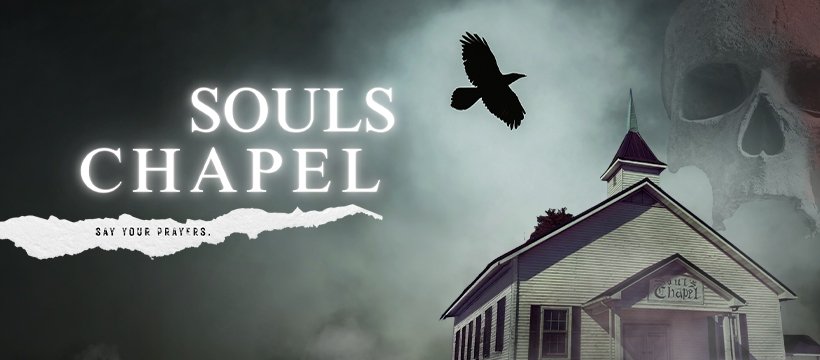
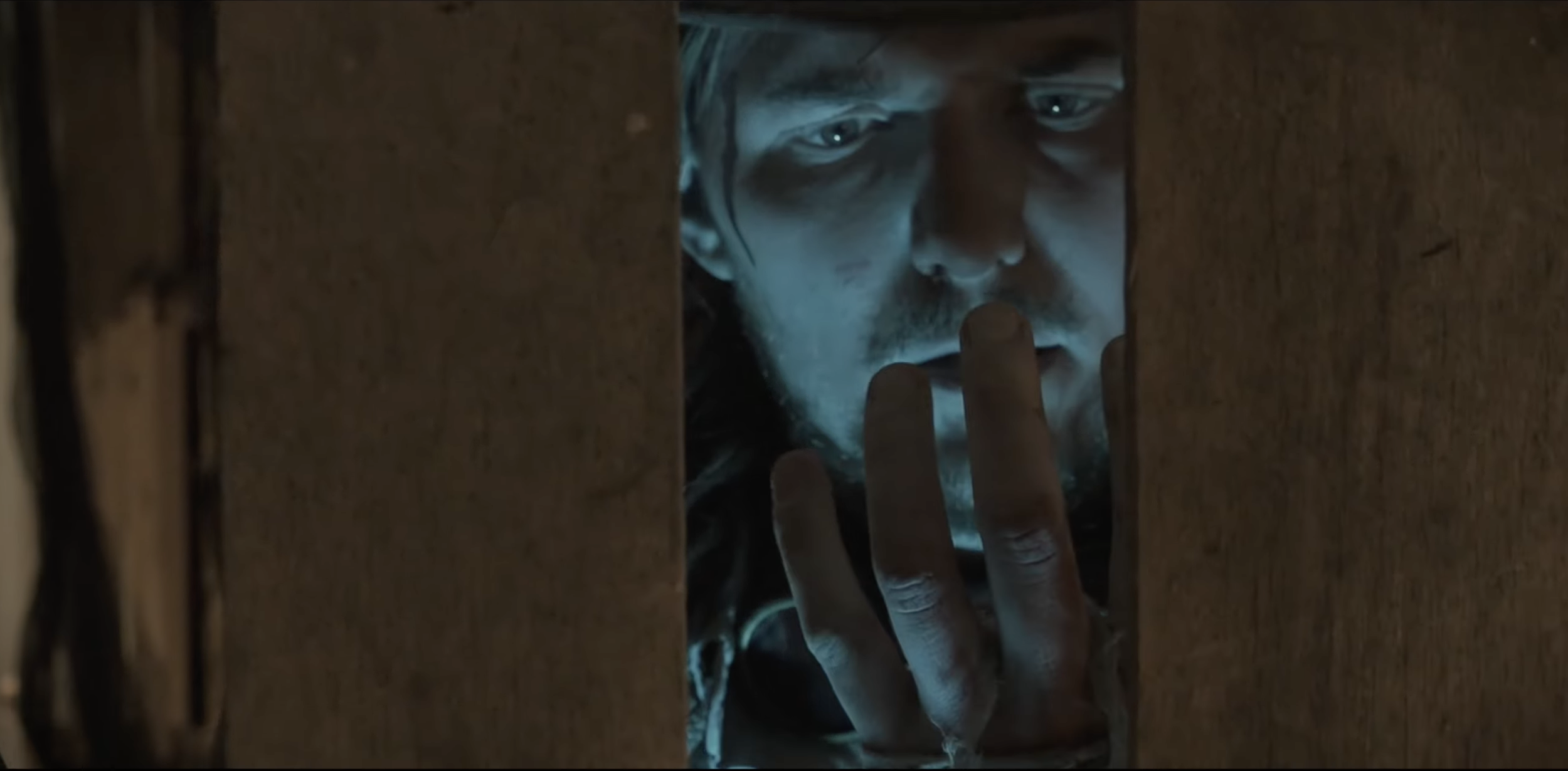
The setup is simple but effective. A drifter cuts through the Kentucky backwoods chasing rumors of lost gold, only to get swallowed by a brutal winter storm. With nowhere else to go, he seeks shelter in an isolated chapel that feels wrong the moment he steps inside. What follows is not a sprint toward jump scares but a slow tightening of the vise, as the chapel reveals itself piece by piece.
Director Jake C. Young understands restraint. The film relies heavily on dialogue for much of its runtime, but this does not turn into the dreaded exposition dump. Conversations arrive as interrogations, confessions, and veiled threats. Characters circle one another, testing boundaries, letting information leak naturally. Writer David Daring shows a strong grasp of economy here. Every exchange carries weight, and nearly every line pushes character and story forward at the same time. It is the kind of script that aspiring filmmakers should study for what it leaves out as much as what it includes.
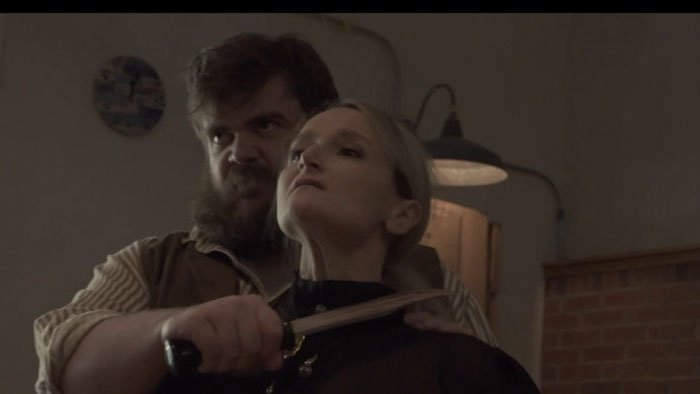
The pacing shifts noticeably after the midpoint, where the tension finally spills into spurts of violence and confrontation. These moments land harder because the film has earned them. By the time blood surfaces, the chapel already feels like a trap with no clean exits.
The performances are solid but uneven in tone. No one is outright bad, yet some line deliveries feel too modern for a story meant to exist outside of time. Fast pacing and occasional sarcasm chip away at the period illusion. Still, the cast is clearly committed, and nearly every actor gets at least one moment to shine. It just never fully settles into the kind of lived-in realism that would push the film to the next level.
Where Souls Chapel truly excels is in atmosphere. The cinematography bathes the setting in a hazy, almost dreamlike chill, capturing both the beauty and isolation of the snowbound landscape. That mood is elevated even further by the score from John Donavan and Rollin Jarrett, which is consistently excellent. The music does not just accompany the images; it deepens them. Every cue reinforces the creeping sense that something old and patient is watching.
As a whole, Souls Chapel feels like a passion project made by filmmakers who understand the pull of strange places and unfinished stories. The direction is confident, the writing sharp, and the music outstanding. Its oddness will not work for everyone, but genre fans who like their horror slow, moody, and rooted in folklore will find plenty to admire.
This is not a film trying to be the loudest voice in the room. It is a quiet warning whispered from an abandoned church in the woods. And sometimes, that is far more effective.
Jessie Hobson