
So yeah, the Before Sunrise comparisons? They’re doing a lot of the heavy lifting, getting you in the door. And fair enough, because Alterlove is absolutely chasing that same lightning-in-a-bottle, walk-and-talk, maybe-this-means-something energy. But here’s the thing. You don’t beat Before Sunrise. You just don’t. That’s a high bar, and the film knows it. Instead of trying to top it, Jonathan Taïeb’s low-budget indie takes a side step. Smaller, looser, a little messier. More “what if this doesn’t mean anything at all?” And honestly? That’s where it works.
This is a one-night story set in a version of Paris that feels deliberately stripped of its usual cinematic sheen. No postcard romance. No sweeping skyline shots begging you to fall in love with the city. Just side streets, empty stretches, and two people drifting through them like they’ve got nowhere better to be.
Kim Higelin and Victor Poirier play Elle and Lui, two strangers who collide over something as unromantic as spilled wine. That’s your meet-cute. No fate, no grand design, just coincidence and mild embarrassment. From there, they walk, talk, circle each other, open up, shut down, and occasionally say way too much.
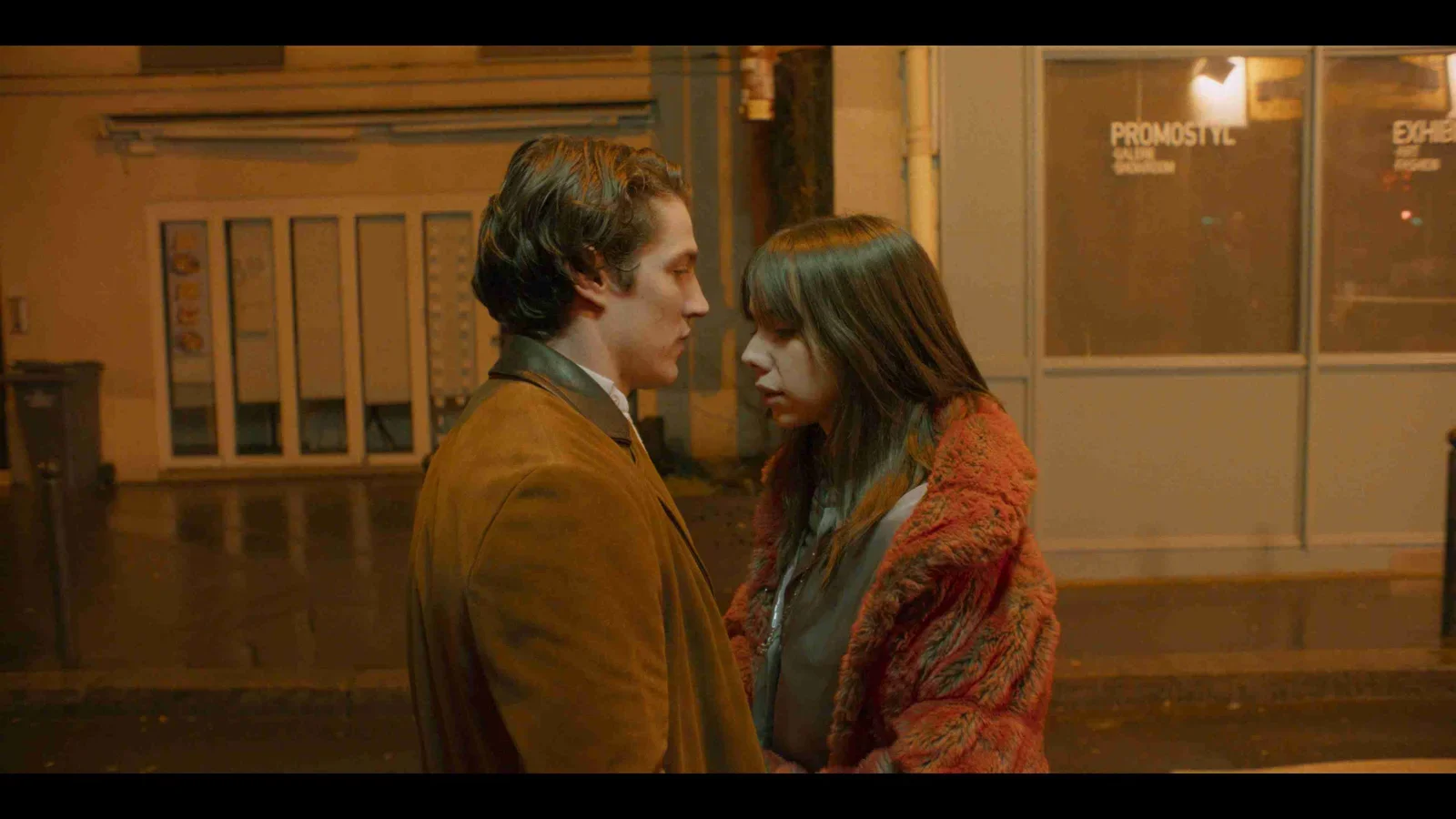
The film lives and dies on this dynamic, and it mostly works because the chemistry feels earned rather than performed. These aren’t characters delivering perfectly sculpted monologues about love. They ramble. They deflect. They contradict themselves. The dialogue often sounds like people thinking out loud rather than trying to impress each other, which gives it an authenticity that’s hard to fake.
You get moments like their early exchange about connection, where the conversation flips from casual flirting into something weirdly existential without warning. One minute they’re joking about dating profiles, the next they’re poking at what it actually means to connect with someone in a world built on swipes and short-term attention spans. That tonal shift is basically the entire movie in miniature. Because Alterlove isn’t interested in selling you romance. It’s more interested in questioning it.
There’s a recurring idea that runs through the film. What if a night is enough? What if fifteen years and one night of love carry the same emotional weight, just without the baggage? It’s a romantic thought, sure, but also kind of a defensive one. A way of justifying why things don’t have to last to matter. And that tension is where the film sits. Constantly.
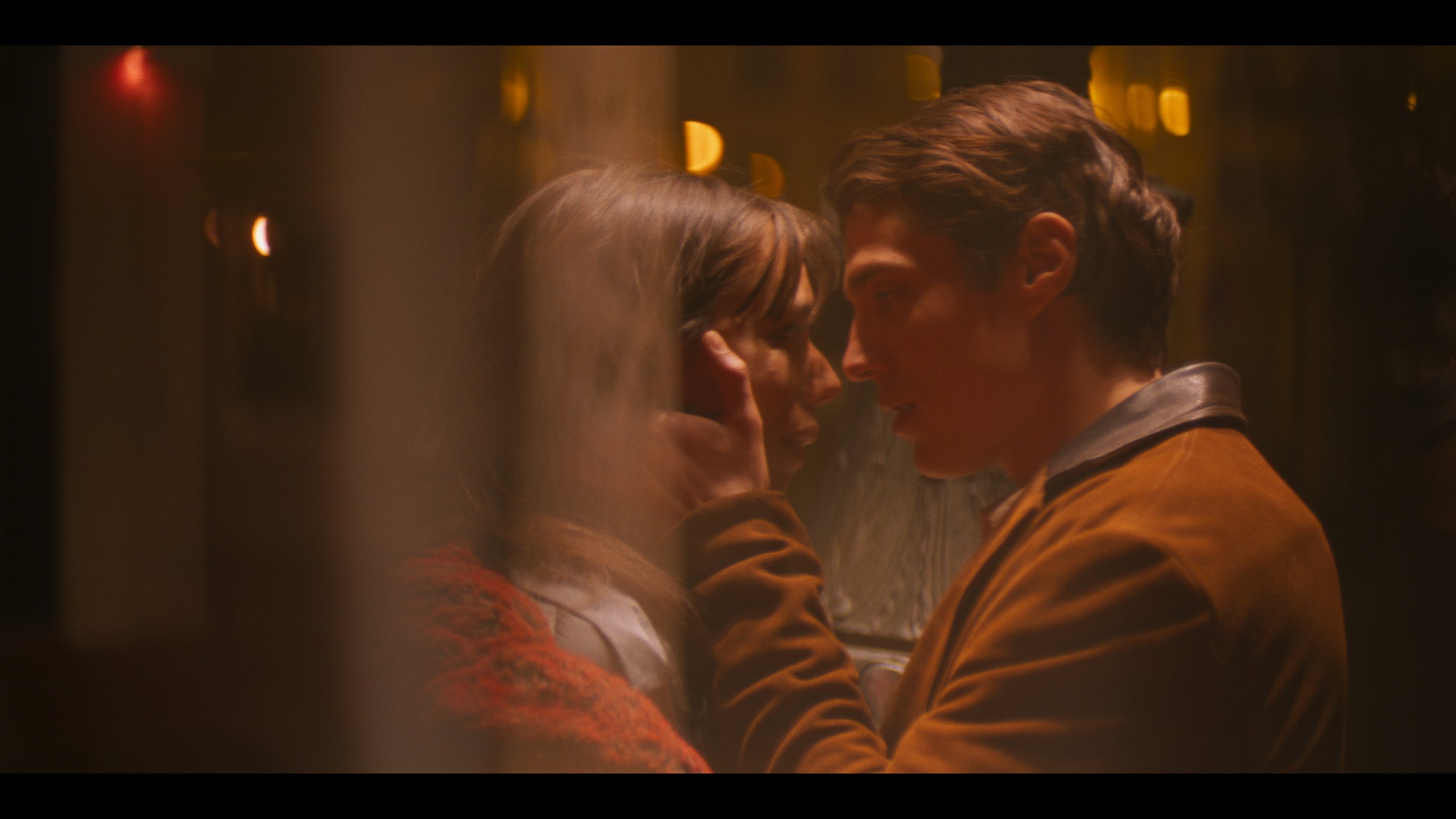
Visually, Taïeb leans into something closer to French New Wave looseness than modern polish. The pacing drifts. Scenes hang a little longer than expected. Conversations aren’t neatly structured. Sometimes it feels like the film is just following the characters rather than controlling them. That’s not always a strength. There are stretches where the film feels slightly unfocused, like it’s circling an idea instead of landing it. But when it hits, it hits in that quiet, lingering way.
A standout sequence has them eating in total darkness, a concept that turns into metaphor pretty quickly. Stripped of visuals, all that’s left is conversation and imagination. It’s here the film gets closest to articulating its thesis. Love isn’t a fixed thing. It’s projection. Timing. Circumstance. Sometimes it’s just two people trying to make sense of themselves through someone else.
Later, things get a little more traditionally “romantic,” but even then the film undercuts itself. When emotions finally crack through, they don’t arrive with clarity or resolution. They arrive messy. Uncertain. Slightly uncomfortable.
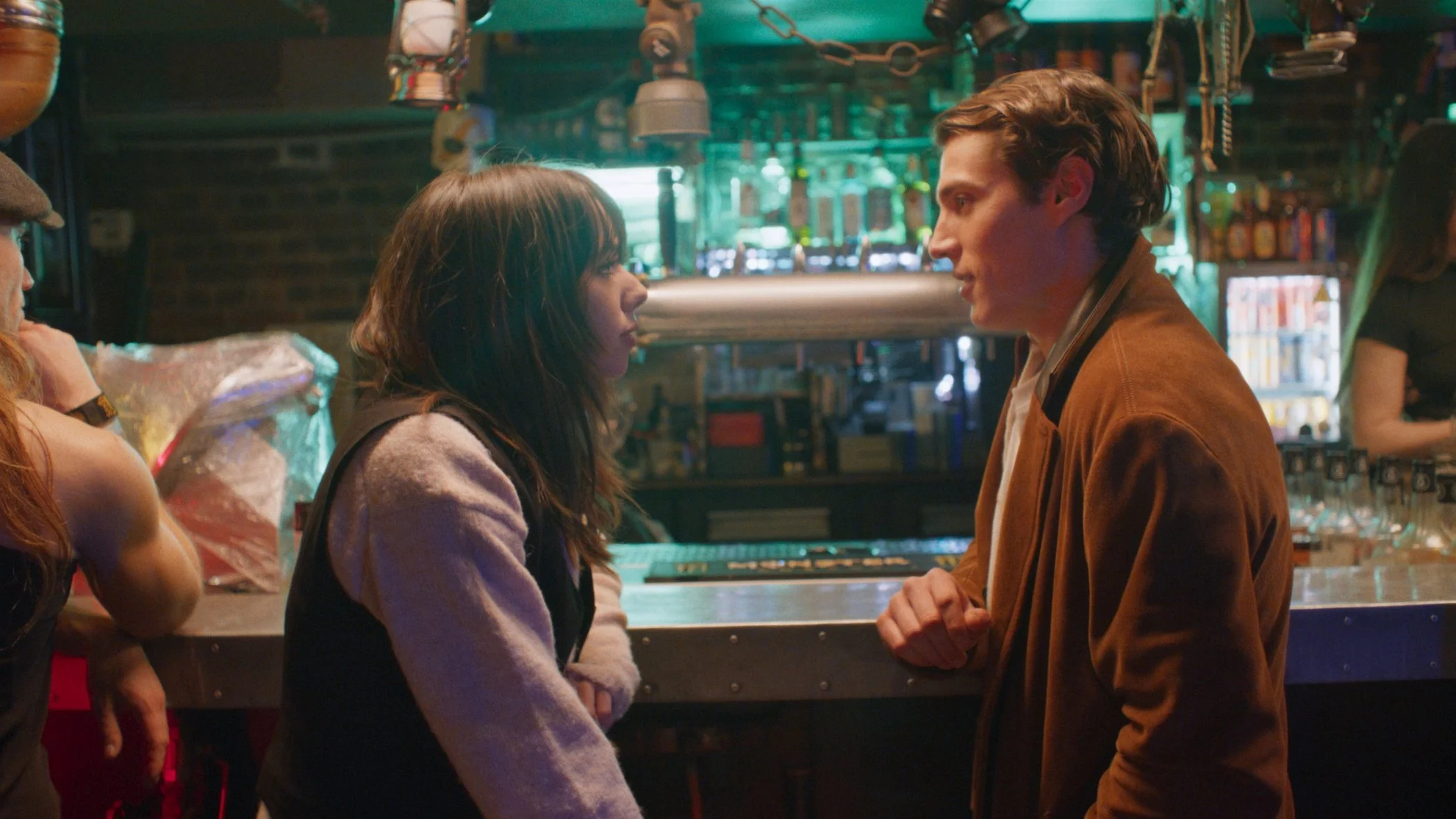
Even the big declarations feel hedged. At one point, the film lands on what could be its defining line: “I love you. But I love myself more.” That’s Alterlove in a sentence. Modern intimacy filtered through self-preservation.
And yeah, let’s talk about the Christopher Lambert factor for a second. The man shows up as a taxi driver, and there’s a weird meta thrill there if you know him from, well, Highlander. It’s a small role, but it fits the film’s vibe. A brief detour, a conversation that feels both disposable and weirdly meaningful, like everything else in the movie.
Production-wise, it’s impressive what they pulled off. Shot in about ten nights on a micro-budget, the film leans into its limitations instead of trying to hide them. That intimacy, that lack of scale, actually becomes the point. But all of this comes with a caveat.
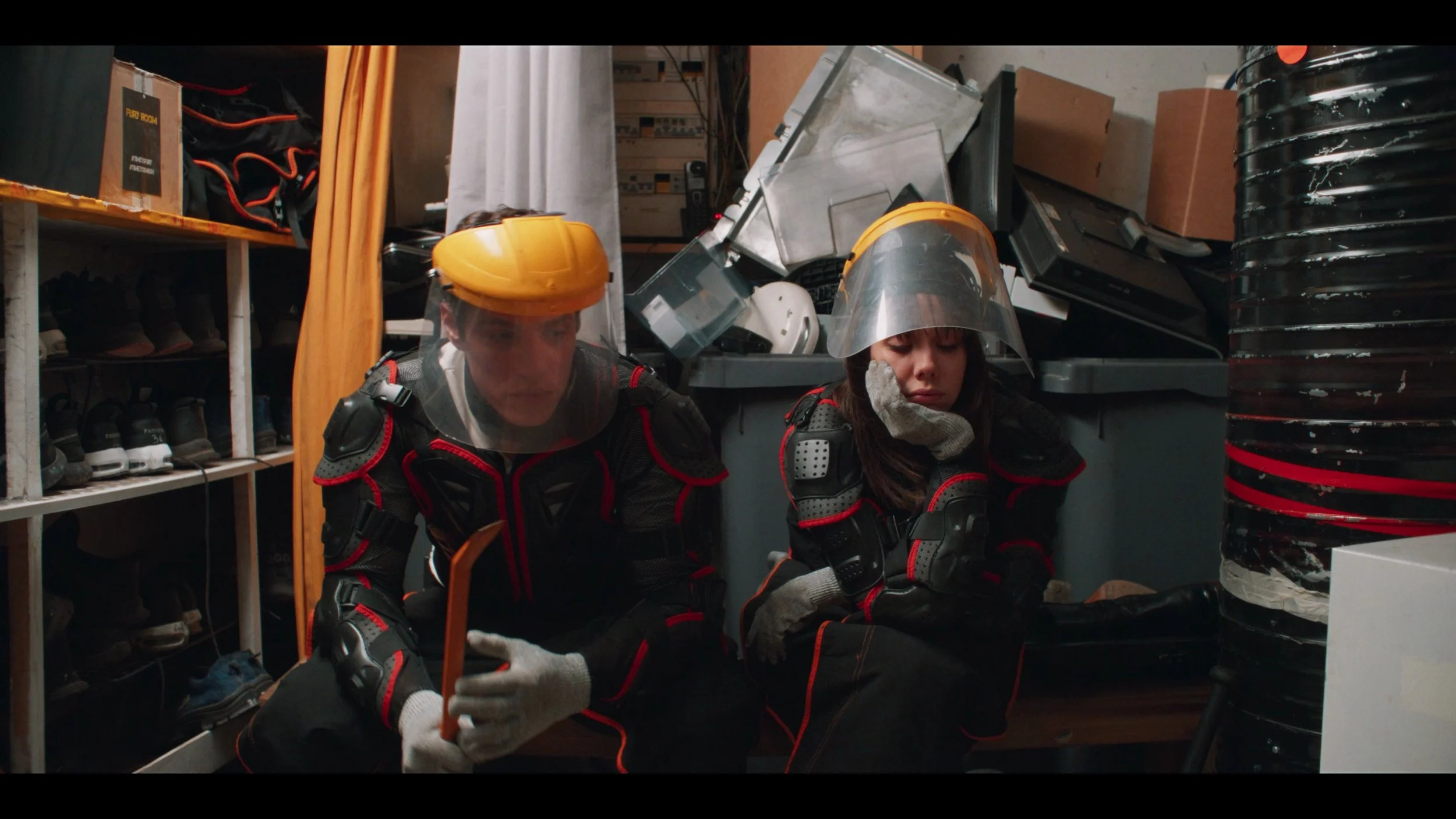
This is not a traditional romance. Not even close. There’s no clean arc, no emotional payoff that ties everything together. The film ends the same way the relationship exists: as a question mark. You either find that honest or frustrating, depending on what you want out of it.
The best way to describe Alterlove is this: it’s less about falling in love and more about circling the possibility of it. Testing it. Poking at it. Wondering if it even holds up under modern conditions. And that’s why it sticks.
Not because it delivers something definitive, but because it refuses to. It’s about the aftertaste. The feeling you’re left with when something almost mattered. Maybe did matter. But wasn’t meant to become anything more.
Recommended, with an asterisk. If you’re looking for a sweeping romance, look elsewhere. But if you’re okay with something quieter, more uncertain, and a little bit unresolved, Alterlove gets under your skin in ways bigger films don’t even try to. It doesn’t promise forever. Just one night that might be enough.
Jessie Hobson