
There’s a specific kind of film that doesn’t feel written so much as discovered in real time. Jamie Adams’ Only What We Carry is exactly that kind of film. Shot in just six days on the Normandy coast with a largely improvised structure, it walks a tightrope between chaotic and captivating and somehow sticks the landing by sheer emotional honesty alone.
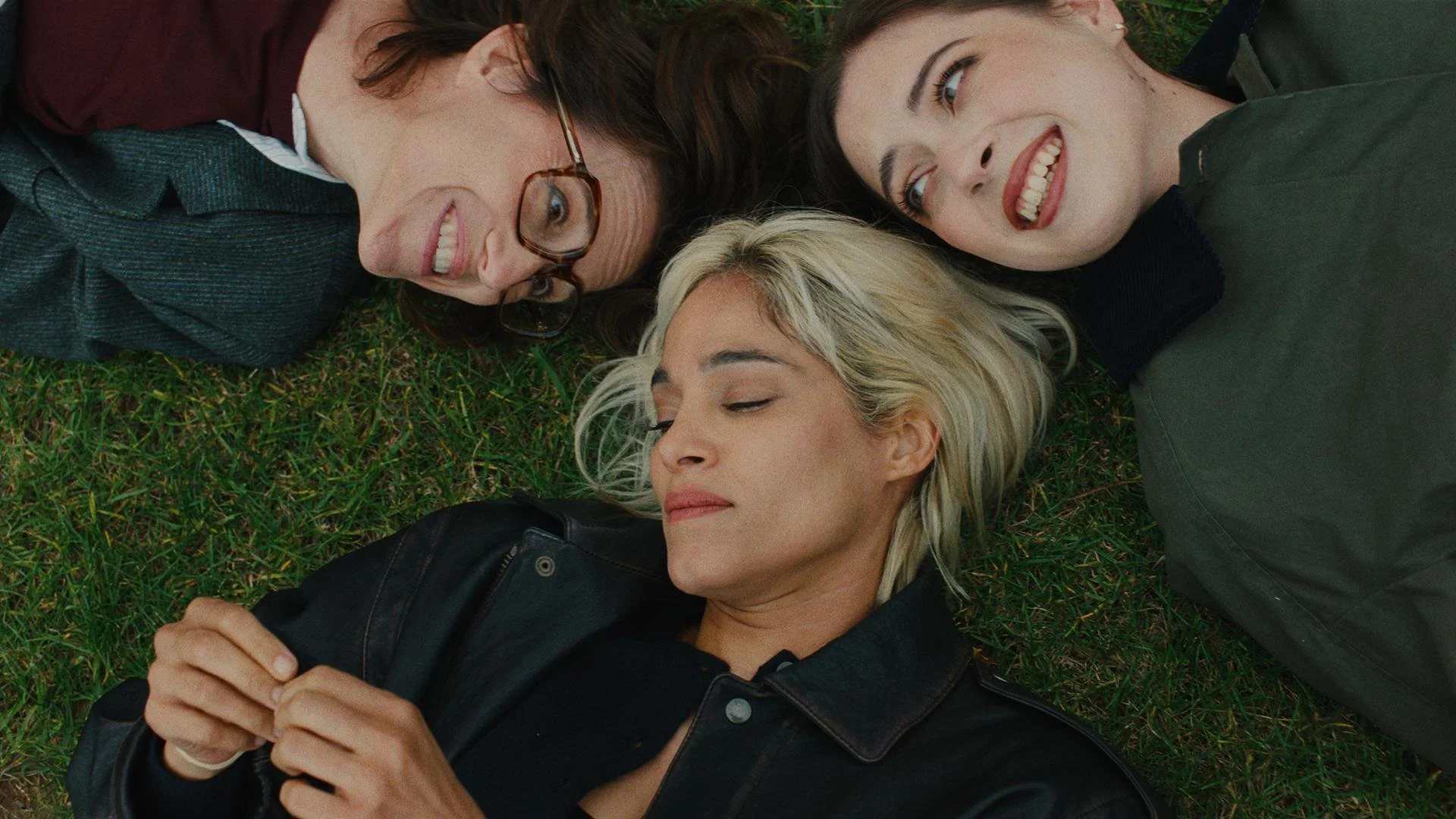
From the jump, the movie telegraphs its intentions. We open on Simon Pegg’s Julian Johns, a choreographer agonizing over words, discarding drafts until he lands on something that feels right. That creative tension bleeds into everything that follows. When we meet Sofia Boutella’s Charlotte Levant, soaking in a tub and stewing over the past, the film locks into its core rhythm: people circling each other, trying to articulate feelings they don’t fully understand.
At its heart, Only What We Carry is about artistic relationships and the scars they leave behind. Charlotte is a former muse still haunted by a cutting remark from Julian: “I can create a dancer out of no one.” It’s the kind of line that festers, and the film understands how those offhand cruelties can shape entire lives. What unfolds in Deauville is less a plot than a slow emotional excavation.
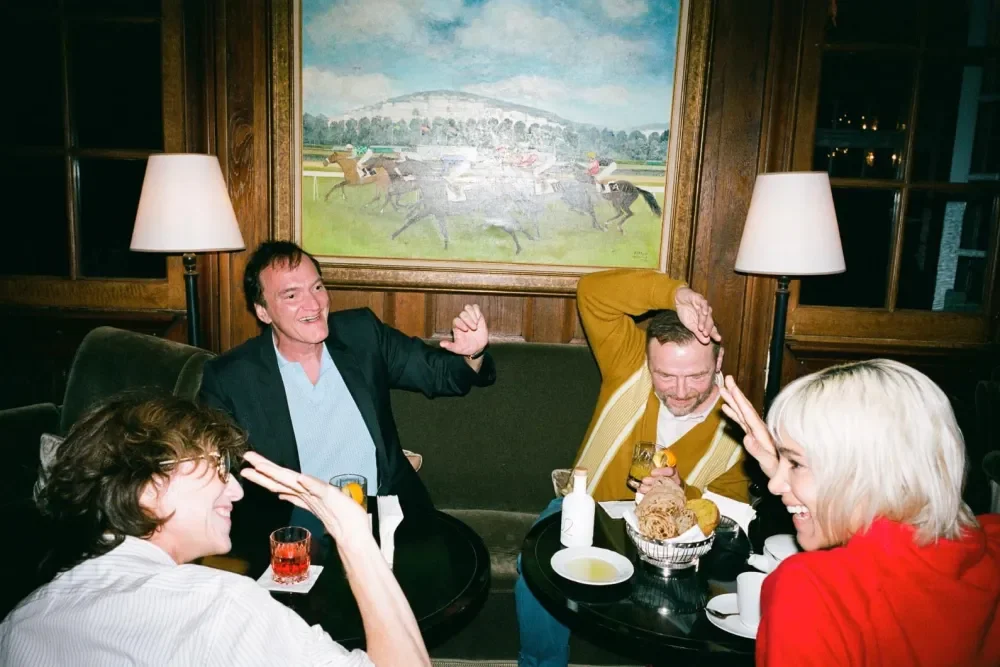
The “story,” if you want to call it that, brings together Charlotte, her sister Josephine (Charlotte Gainsbourg), Julian, his eccentric benefactor John Percy (Quentin Tarantino), and a younger couple (Lizzy McAlpine and Liam Hellmann). They drift from gas stations to hotels to a coastal inn, drinking, arguing, flirting, dancing, and occasionally imploding. It often feels like you’re watching six people hang out rather than perform, which is both the film’s greatest strength and its most noticeable limitation.
Boutella is magnetic, balancing vulnerability and volatility in a way that makes every glance feel loaded. Gainsbourg is the quiet MVP, bringing warmth and grounding energy that prevents the film from floating off into self-seriousness. Her chemistry with Tarantino, of all people, is shockingly effective. Their dynamic becomes a kind of counterweight to the heavier tensions elsewhere, and somehow, it works.
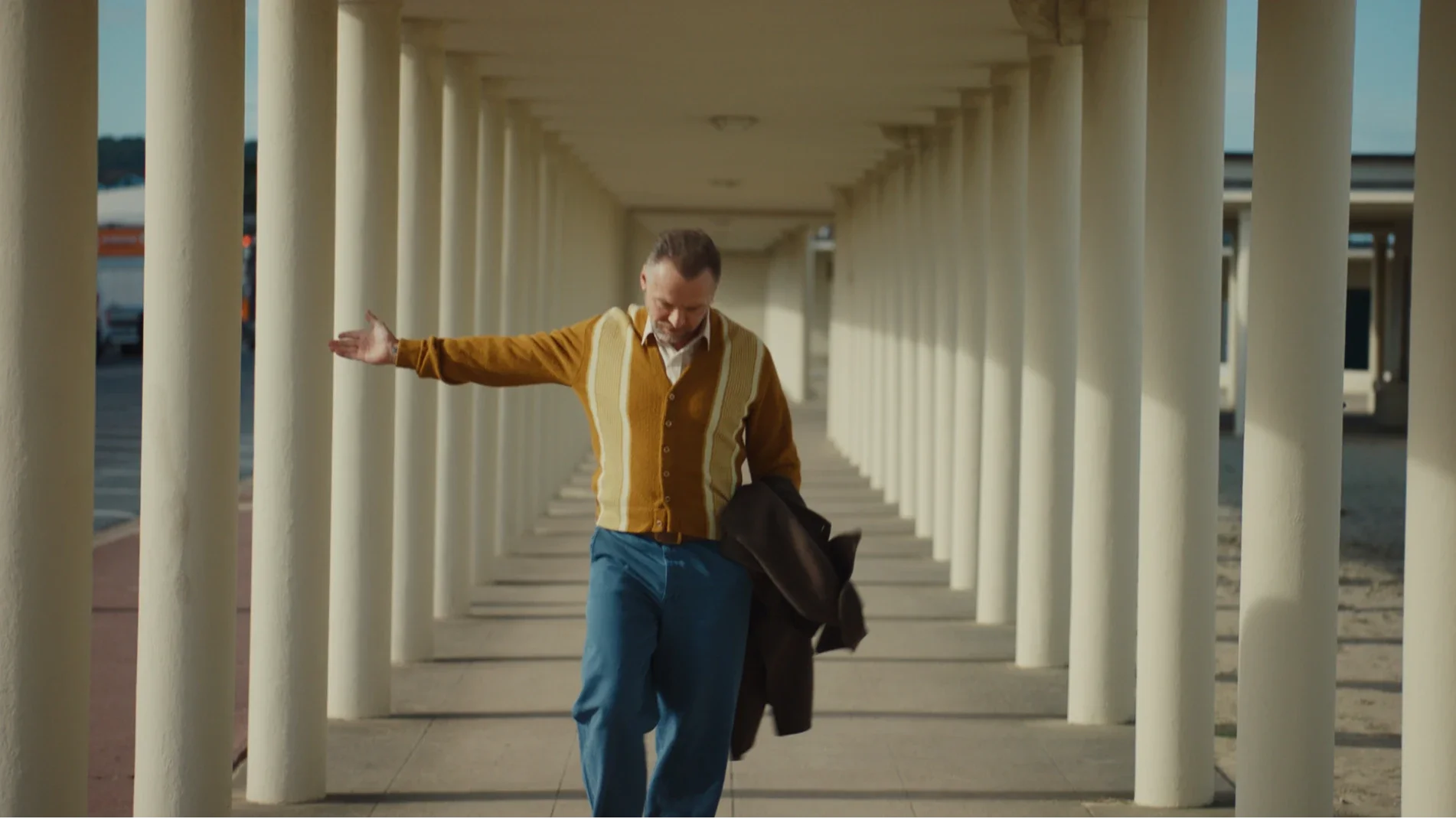
And then there’s Tarantino. Yes, that Tarantino. His John Percy is a jittery, neurotic, endlessly talkative presence who feels like he wandered in from a completely different movie. He drops bizarre references, argues about nothing, and at one point delivers a performance that feels like Woody Allen filtered through Tarantino’s own chaotic brain. It shouldn’t fit. And yet, it becomes one of the film’s most memorable elements.
Pegg, meanwhile, plays against type in a way that feels quietly impressive. There’s ego, regret, and a touch of desperation simmering under his composure. When he shares scenes with Boutella, the tension is palpable, not because of explosive dialogue, but because of everything left unsaid.
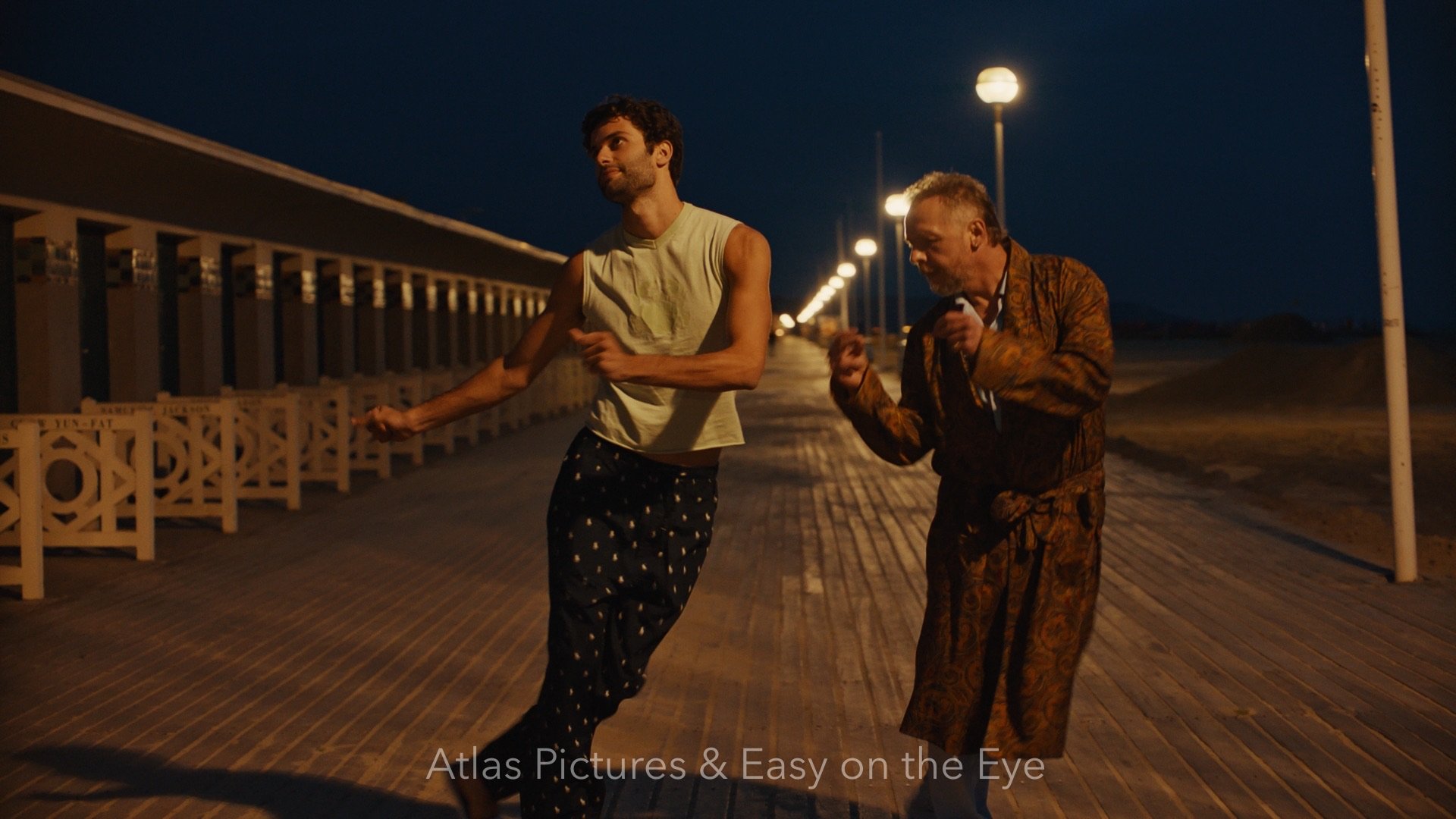
The improvisational nature of the film is impossible to ignore. Sometimes it results in astonishing authenticity. Conversations between Charlotte and Josephine feel lived-in and natural, like you’re eavesdropping rather than watching a performance. Other times, that same looseness leads to uneven pacing or characters who never fully materialize. The younger couple, in particular, feel underwritten, more like narrative accessories than fully realized people, even if McAlpine’s musical moments are undeniably strong.
Visually, the film is far more polished than its scrappy production might suggest. The handheld camerawork gives everything a voyeuristic edge, like you’re intruding on private moments. The color grading pops in a way that elevates the natural beauty of Normandy without ever feeling artificial. It’s a film that looks far more controlled than it actually is.
Tonally, Only What We Carry carries a strange, almost nostalgic energy. Despite its contemporary setting, it feels pulled from another era. There’s something distinctly ’90s about its rhythm and its willingness to just sit with people. It even recalls the spirit of films like Before Sunset, not in structure, but in the sense that you’re witnessing a fleeting convergence of lives that probably won’t intersect again.
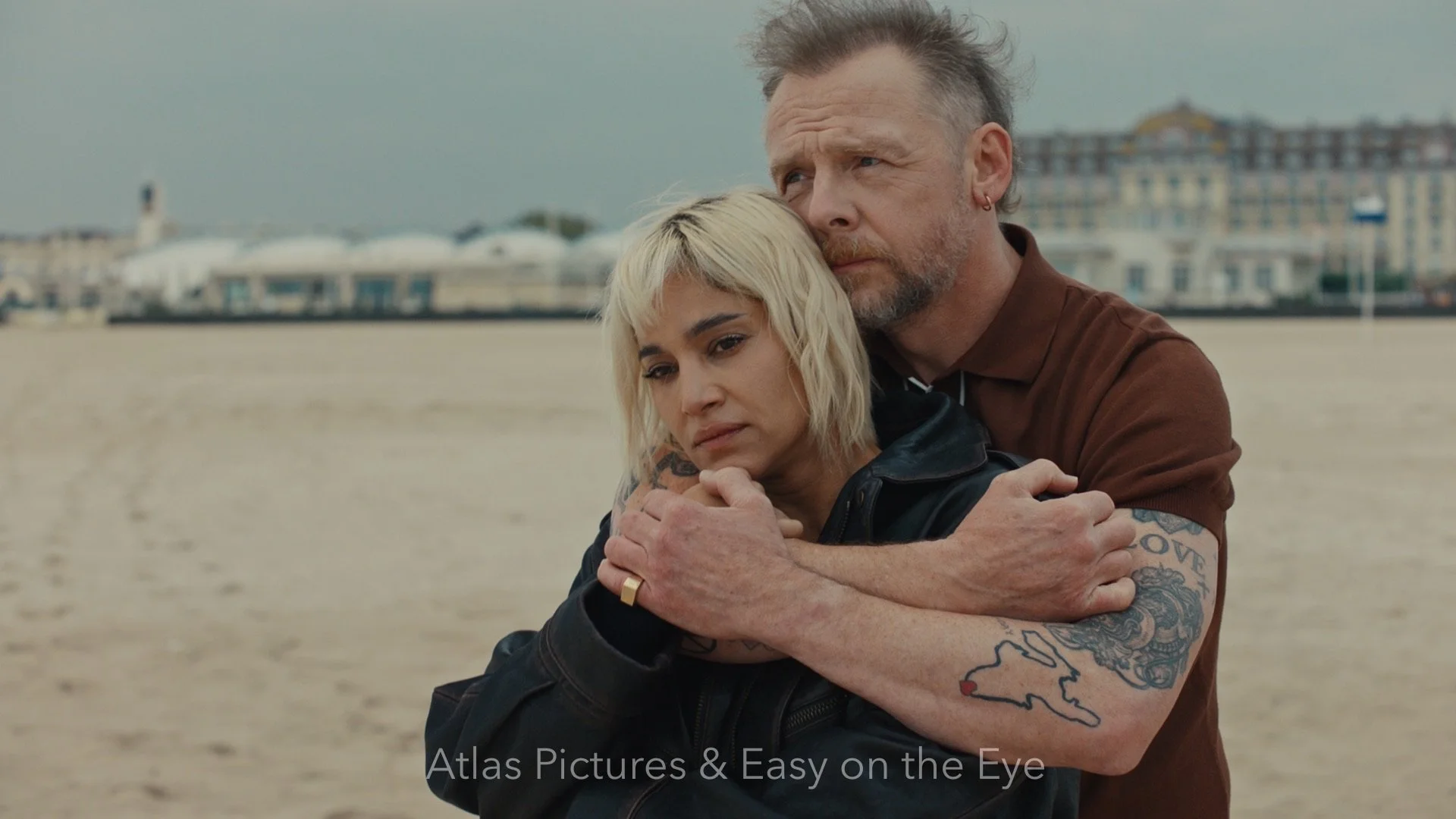
Infidelity looms. Resentments boil over. People make choices that are frustrating, uncomfortable, and deeply human. One character sleeps with someone they claim to hate. Another character edges toward betrayal. These aren’t plot twists designed to shock. They’re emotional missteps that feel painfully real. The film doesn’t judge its characters, and it doesn’t offer easy resolutions. It just lets them exist with the consequences.
That refusal to tidy things up is ultimately what makes the film linger. When “That’s Life” kicks in during the climax, it shouldn’t work as well as it does, but it lands like a gut punch. It reframes everything through a lens of acceptance. Not everything works out. Not every relationship can be saved. And maybe that’s okay.
Even the ending resists the urge to over-explain. It feels natural, earned, and refreshingly grounded. The film understands that sometimes closure isn’t about answers. It’s about letting go.
Is it perfect? Not even close. The improvisational approach occasionally exposes its seams. Some characters drift in and out without purpose. The tonal shifts can be jarring, especially when Tarantino’s heightened energy clashes with the film’s quieter moments. And yes, at times it feels like an acting exercise captured on camera. But that’s also kind of the point.
Only What We Carry thrives in that imperfect space. It’s messy and human and full of contradictions. It’s about the stories we tell ourselves, the people who shape us, and the quiet realization that we can’t hold onto everything we love.
Jessie Hobson