
There are plenty of horror films that survive on atmosphere alone, but few wear it as comfortably as Ghostkeeper. Restored in 4K and recently screened at FrightFest, Jim Makichuk's 1981 cult oddity remains a fascinating relic of Canadian horror, a film whose shortcomings somehow become part of its appeal.
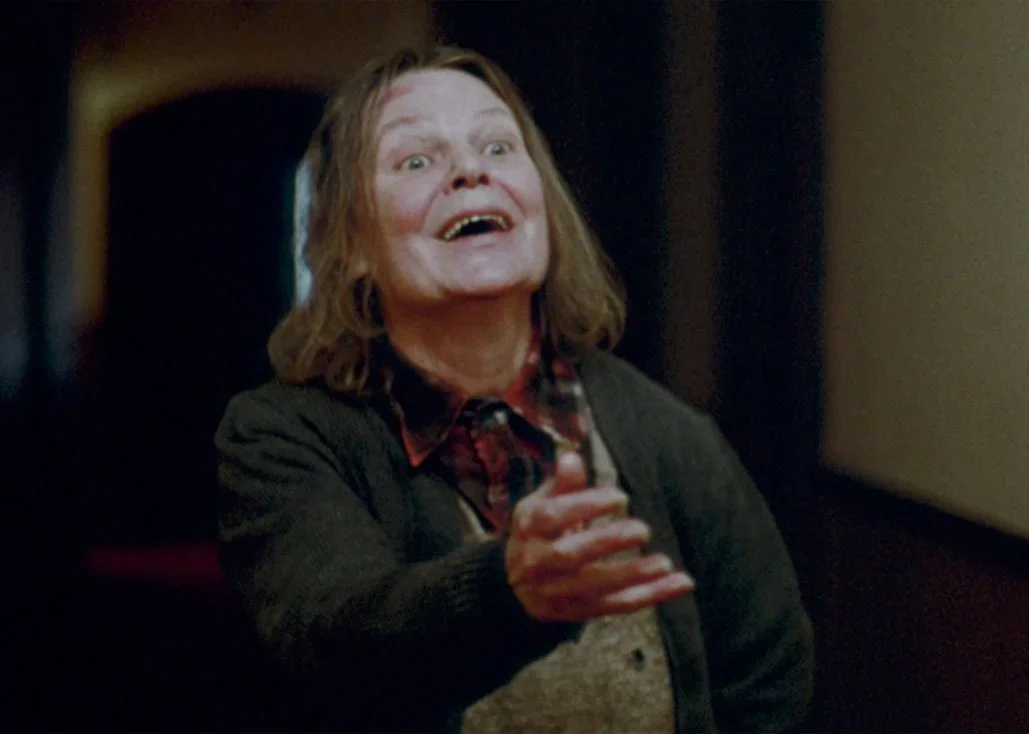
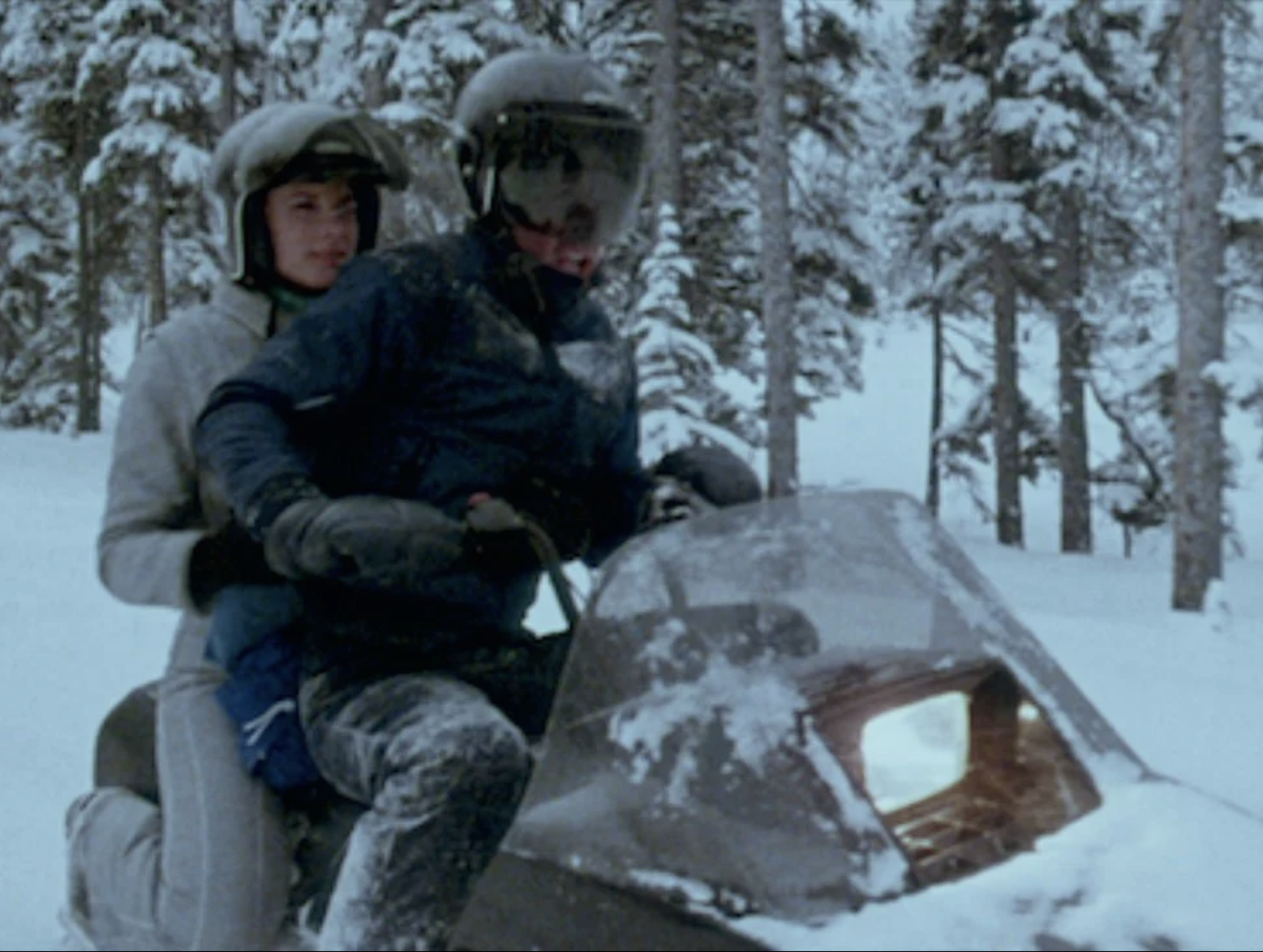
Set during a New Year's snowmobiling trip through the Rockies, Ghostkeeper follows three friends who become stranded in a blizzard and seek refuge in an isolated mountain lodge inhabited by a deeply unsettling older woman and her even more unsettling sons. Drawing on the Windigo legend, the film gradually transforms from survival thriller into supernatural nightmare, but it gets there at a deliberately measured pace.
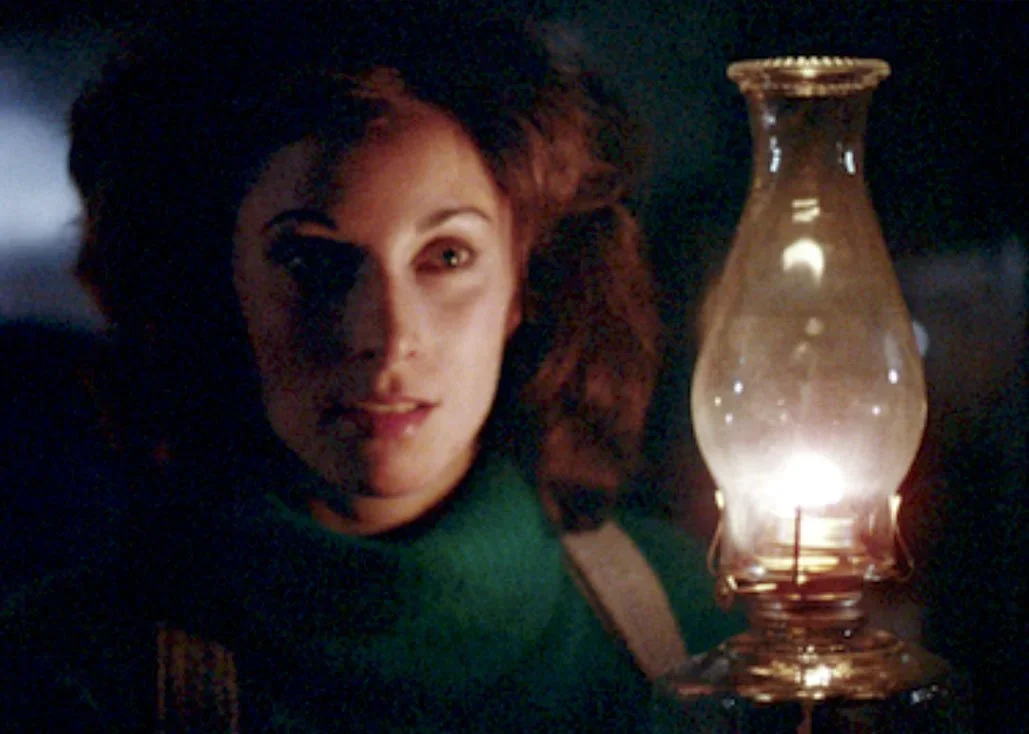
The comparison most often made is The Texas Chain Saw Massacre, with many referring to it as a Canadian equivalent, but honestly, that feels somewhat misleading. There is a chainsaw, yes, though it barely factors into the proceedings. Ghostkeeper feels much closer to The Shining than anything Tobe Hooper made. The snowbound setting, the cavernous lodge, the isolation and creeping sense of madness all evoke Kubrick's classic. At times the resemblance is impossible to ignore, though the film ultimately carves out its own identity through folklore and sheer wintry atmosphere.
And atmosphere is where Ghostkeeper truly excels. The Deer Lodge location is doing a lot of heavy lifting, but what a magnificent burden to carry. Nearly every frame is soaked in cold. You can see the actors' breath hanging in the air throughout much of the film, a happy accident of production that adds authenticity no amount of modern effects could replicate. Knowing the cast and crew were actually filming in a largely unheated hotel only makes the experience more effective. The cold doesn't feel manufactured. It feels lived in.
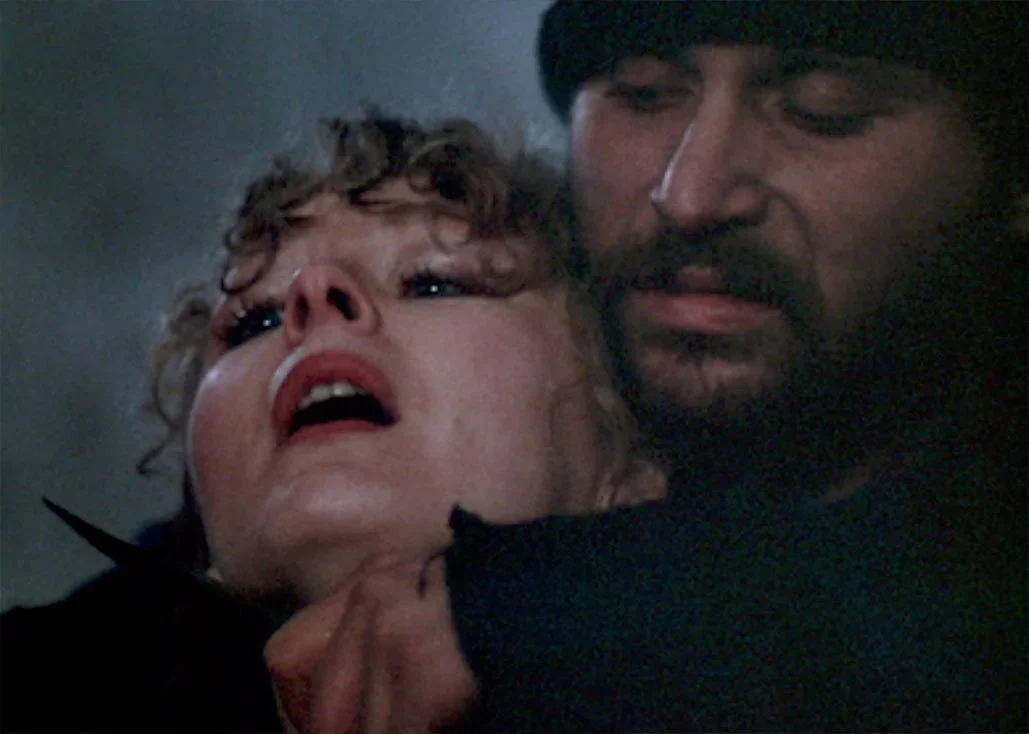
As someone who has always had a soft spot for horror movies set in snow and ice, it's impossible not to get swept up in what Ghostkeeper is doing. The frozen wilderness surrounding the lodge creates a sense of entrapment that becomes almost as threatening as the horrors waiting inside. Much like The Shining, the environment itself becomes a character. The Rockies look stunning, but they also feel completely indifferent to human survival.
Makichuk wisely leans into a slow-burn approach reminiscent of many 1970s horror films. Rather than throwing kills and monsters at the audience every ten minutes, he allows tension to simmer. Characters wander dim hallways, sit beside fireplaces, and cautiously explore the lodge's shadowy corners. The result is often more creepy than outright scary, but it creates a mood that lingers.
That mood extends to Paul Zaza's score, which is as unusual as the film itself. At times it feels like an eerie cousin to a Goosebumps soundtrack, filled with delicate harp plucks and wandering string arrangements. There are even moments that recall the playful orchestral textures of Disney's The Jungle Book. It is never intrusive, but it can become repetitive. Still, the music contributes significantly to the dreamlike quality that makes Ghostkeeper memorable.
The film's flaws are equally apparent. The performances can be uneven, while the script occasionally struggles to connect its ideas in a satisfying way. The Windigo mythology, arguably the most interesting element in the entire story, often feels underdeveloped. Some viewers may find the ending abrupt or frustrating.
Ironically, many of those rough edges can be traced back to the production itself. Makichuk has openly discussed how the movie ran out of money during filming, forcing him to abandon portions of the script and invent material as production continued. On paper, that sounds like a recipe for disaster. Yet the limitations pushed the film away from becoming another straightforward monster movie and toward something stranger and more atmospheric. The Windigo is used sparingly, and the mystery surrounding the lodge becomes far more compelling than any elaborate creature effects could have been.
That restraint is ultimately what gives Ghostkeeper its enduring power. It is a film more interested in dread than spectacle, more invested in isolation than body count. The kills are modest and occasionally cheap-looking, but that hardly matters when the setting is this evocative. You start to understand why the film has built such a loyal cult following despite critical indifference and an oddly low Rotten Tomatoes score.
Ghostkeeper is not a perfect film. It is uneven, occasionally incoherent, and undeniably rough around the edges. But it is also one of those rare low-budget horror movies where every limitation somehow strengthens its personality. The result is a cozy nightmare, a snow-covered folk horror slasher hybrid that feels like discovering an old ghost story while trapped inside during a winter storm.
Some horror films are carried by monsters. Ghostkeeper is carried by cold.
Jessie Hobson