
Horror fans of a certain age will immediately understand what The Boy from Below is trying to do. Set largely on Halloween night in 1997, the film follows video store clerk Quinn Curtis as a masked killer begins turning slasher movies into reality. Director Tory Jones has described the project as a tribute to the video store era and the classic slashers that shaped his love of filmmaking, and that passion is evident from the opening frame.
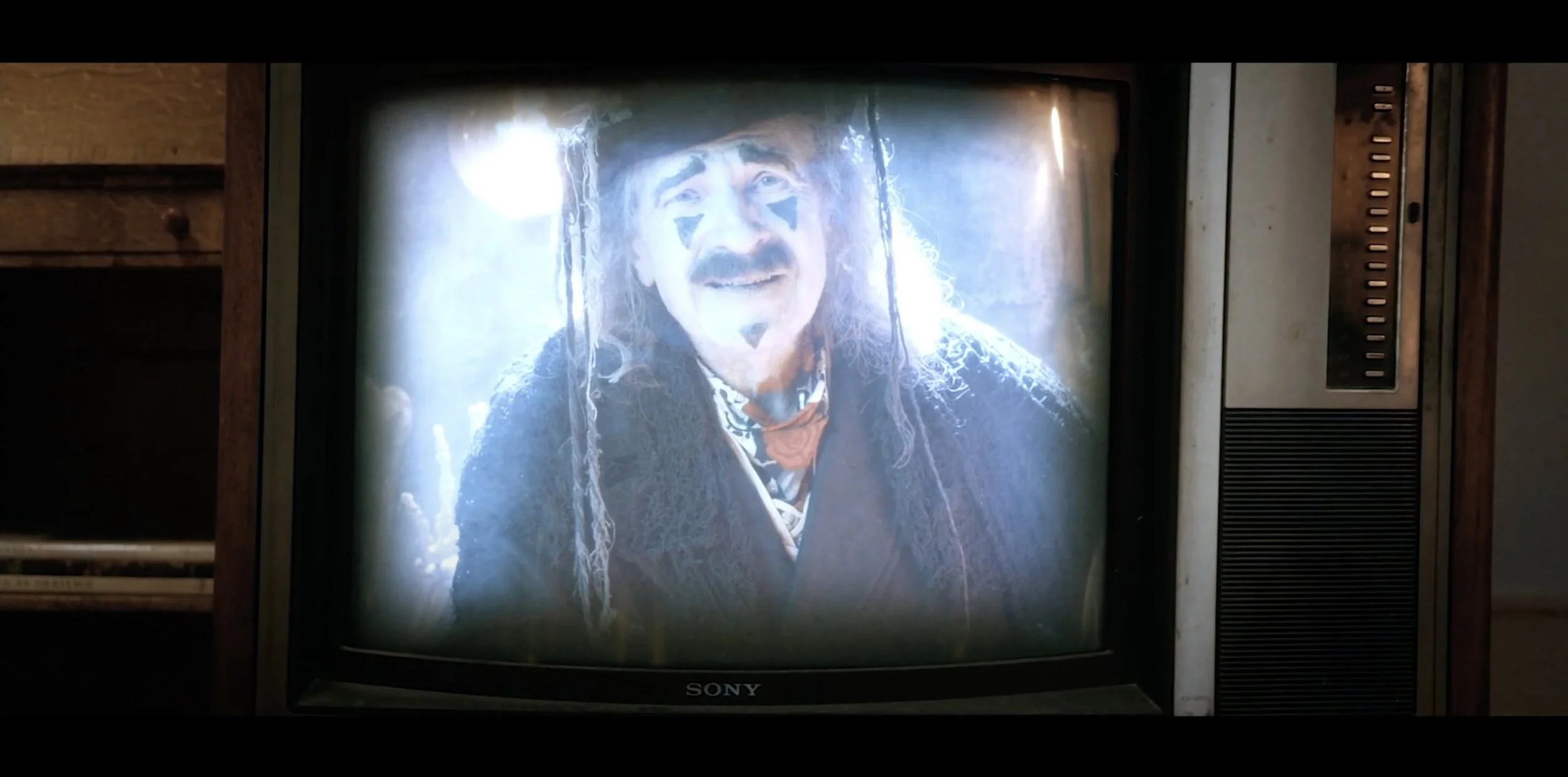
The movie actually begins decades earlier with its strongest sequence. Set in the 1970s, we're introduced to a troubled young boy whose obsession with horror movies, combined with a traumatic home life, leads to a horrific family massacre. It's a surprisingly effective opener that wastes no time establishing the violence audiences are in for. Considering the film's modest budget, the practical gore effects are impressive, the body count is high, and several kills land with more impact than expected. The production team also does an admirable job recreating the era. Between the wardrobe, hairstyles, furniture, and kitchen décor, the film captures the look of the 1970s remarkably well. The cinematography helps sell the illusion, bathing scenes in warm yellows and muted colors that give everything a worn, nostalgic quality. Combined with a synth-heavy score clearly inspired by John Carpenter's work, the opening stretch creates an atmosphere that feels authentic rather than forced.
When the story jumps ahead to 1997, The Boy from Below continues to impress with its production design. The video store setting is packed with movie posters and VHS-era details that help transport viewers back to a time when horror fans discovered their favorite films by browsing shelves on a Friday night. It's the kind of setting that immediately appeals to genre fans, and it's easy to see why the filmmakers built so much of the movie around it. The problem is that while the video store looks great, the film never fully capitalizes on what should have been its biggest advantage. Quinn's upbringing around horror movies and video store culture feels like it should make her uniquely equipped to battle a killer inspired by slashers, yet the concept never becomes as important to the story as it should. The movie constantly reminds us that it loves horror films, but it rarely finds an interesting way to use that love beyond references and nostalgia.
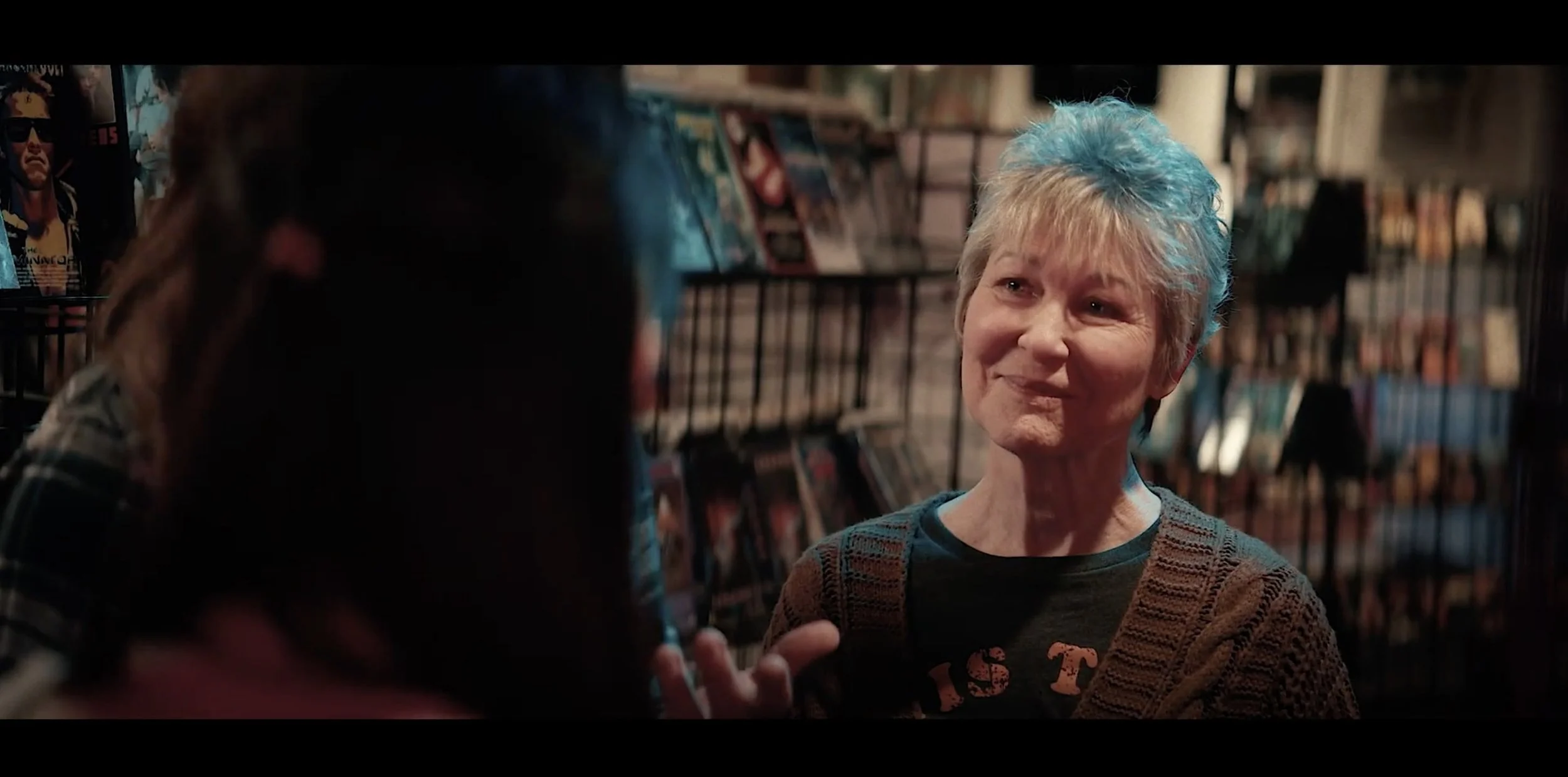
That ultimately becomes the film's biggest weakness. Nearly every character seems obsessed with horror movies. Conversations are packed with references to genre tropes, final girls, and classic slashers. At first it's fun, but eventually it starts to feel like the movie is repeatedly stopping to point at its influences instead of building its own identity. There's a difference between celebrating horror history and constantly reminding the audience that you're celebrating horror history. The Boy from Below often crosses that line.
The supporting cast delivers mixed results. Tommy Lee Wallace pops up as a horror host in a fun cameo that genre fans will appreciate, while Dee Wallace serves a much larger role than expected and actually contributes to the narrative rather than simply appearing for recognition points. That's refreshing in a genre where veteran horror actors are often reduced to brief cameos for marketing purposes. Felissa Rose, on the other hand, feels far less effective. Her appearance is exaggerated to the point of distraction and comes off awkward rather than entertaining before disappearing almost as quickly as it begins.
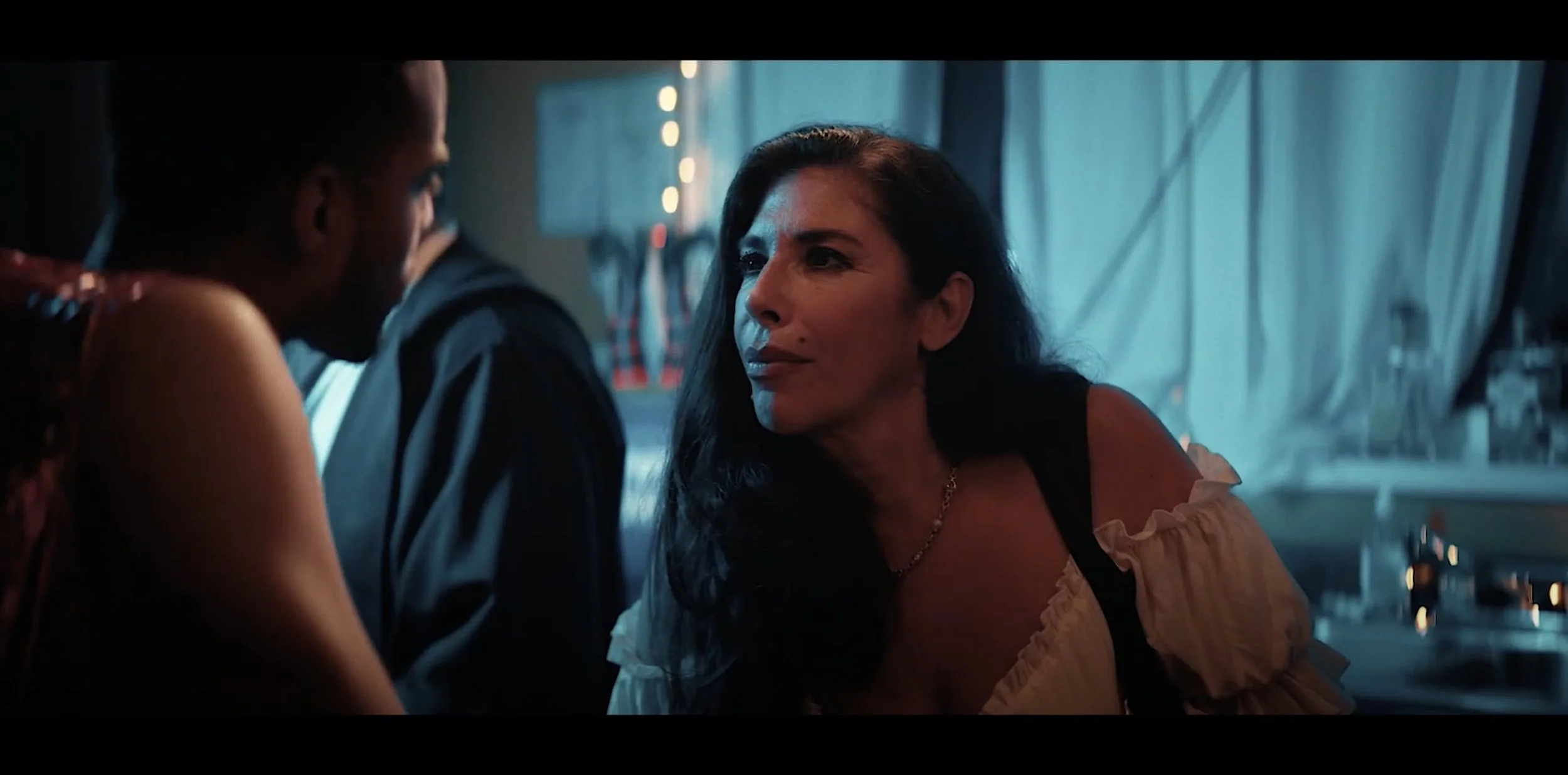
To the film's credit, it avoids falling into one of indie horror's most common traps. Many low-budget productions stack their casts with horror icons, crowdfunding perks, and inexperienced performers simply to boost visibility. You can still see traces of that approach here, but The Boy from Below integrates those elements better than most. The seams are visible, but they don't completely derail the film. Chaney Morrow is particularly strong as Logan Miller, a survivor connected to the opening massacre, bringing a level of credibility that several scenes desperately need. Anthony Dain also continues to prove himself a memorable supporting presence whenever he appears.
The performances overall are serviceable but inconsistent. Most of the cast falls somewhere between acceptable and forgettable, which is enough for a slasher. No one expects Shakespeare from a movie about a masked killer stalking victims on Halloween night. However, some exchanges are so awkward and unnatural that it's genuinely surprising they survived the editing process. The film also spends a surprising amount of time on subplots that add very little to the story, including one storyline that unnecessarily pulls focus away from the central conflict. Considering how much stronger the film is when it's delivering suspense, kills, and atmosphere, those detours feel like missed opportunities.
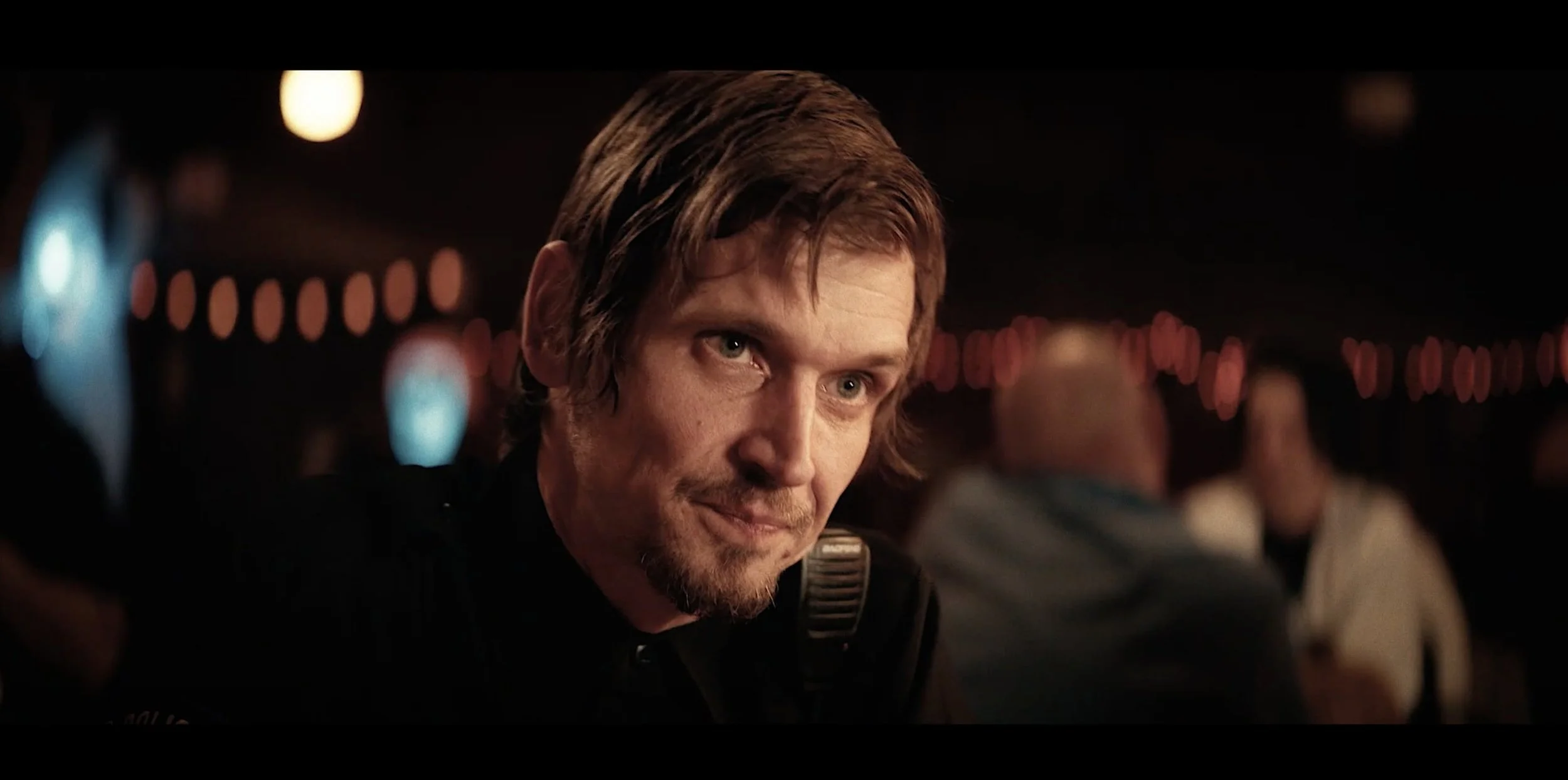
Fortunately, the slasher elements are where the movie performs best. The makeup effects are solid, the violence is frequent, and a handful of the later kills stand out as genuine highlights. Nothing here reinvents the slasher formula, but it doesn't need to. This movie knows exactly what kind of film it wants to be, and for most of its runtime it executes that formula competently. That's enough to make it an enjoyable watch for viewers who simply want a bloody throwback loaded with nostalgia and practical effects.
What prevents The Boy from Below from rising above the crowded pack of indie slashers is its ending. After spending so much time building mythology around the killer and teasing lore surrounding the boy's disappearance after the original murders, the payoff feels surprisingly underwhelming. Without spoiling anything, the final act lacks the kind of memorable twist, reveal, or emotional punch needed to elevate everything that came before it. The movie builds momentum as the body count rises, only for the conclusion to leave things feeling oddly flat.
In the end, The Boy from Below is a mediocre but watchable slasher that succeeds in recreating the eras it loves and delivers enough bloodshed to keep horror fans entertained. The practical effects exceed expectations, the atmosphere is often strong, and the video store aesthetic is genuinely charming. Unfortunately, its obsession with reminding viewers how much it loves horror movies eventually becomes exhausting; several side plots drag the pacing down, and the disappointing ending prevents it from leaving much of a lasting impression. It's the kind of movie that's easy to enjoy with friends on a Halloween night, but equally easy to forget once the party is over.
Jessie Hobson