
THIS IS THE SPOILER REVIEW OF CRYSTAL LAKE. IF YOU’D PREFER TO READ THE SPOILER-FREE REVIEW, CLICK HERE.
There was probably no television series I was more excited for than Crystal Lake. After seventeen years without a new film, false starts, lawsuits, canceled projects, and endless speculation, Friday the 13th was finally back. More importantly, it wasn't returning with another masked slasher sequel. Creator Brad Caleb Kane chose a far riskier path by building an entire series around Pamela Voorhees and asking viewers to care about the woman behind one of horror's most infamous legends. As a concept, it sounded ambitious. As a finished season, it remains one of the most fascinating, frustrating, emotional, and divisive entries in franchise history.
The biggest surprise is just how emotionally invested the show wants audiences to become in Jason. Before there are bodies scattered through the woods, before Pamela begins her spiral into increasingly desperate acts of violence, and before Bellflower's secrets begin unfolding, Crystal Lake spends significant time presenting Jason as what he truly was before becoming a horror icon: a lonely child. The series repeatedly emphasizes his innocence through his friendship with fellow camper Grace, his struggles fitting in with the other children, and his mother's endless attempts to comfort him. Kids can be cruel, and the show never shies away from that reality. Many of the season's most heartbreaking moments involve nothing more than Jason trying to exist in a world that constantly rejects him. Those sequences become the emotional foundation of the season and give real weight to everything that follows.
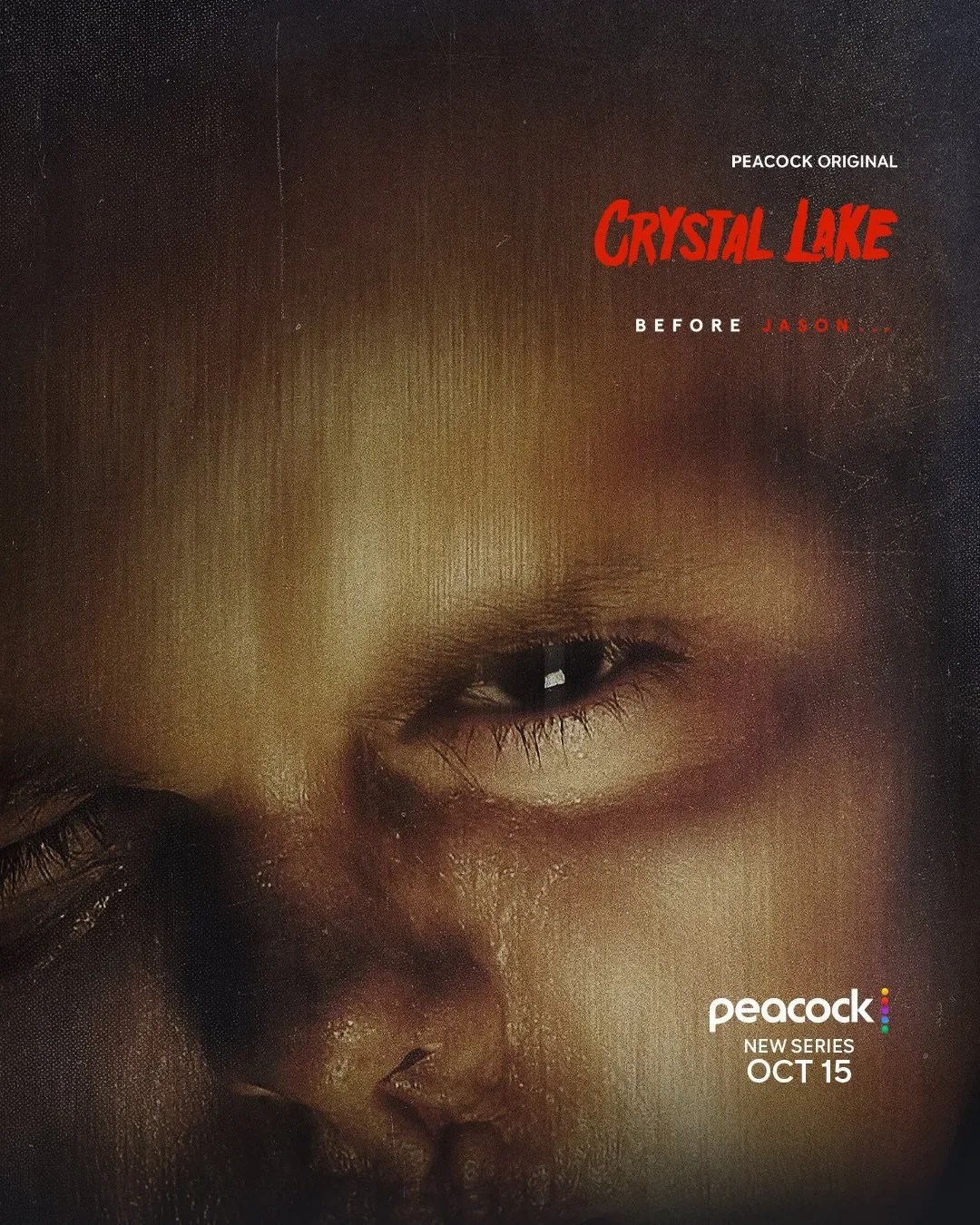
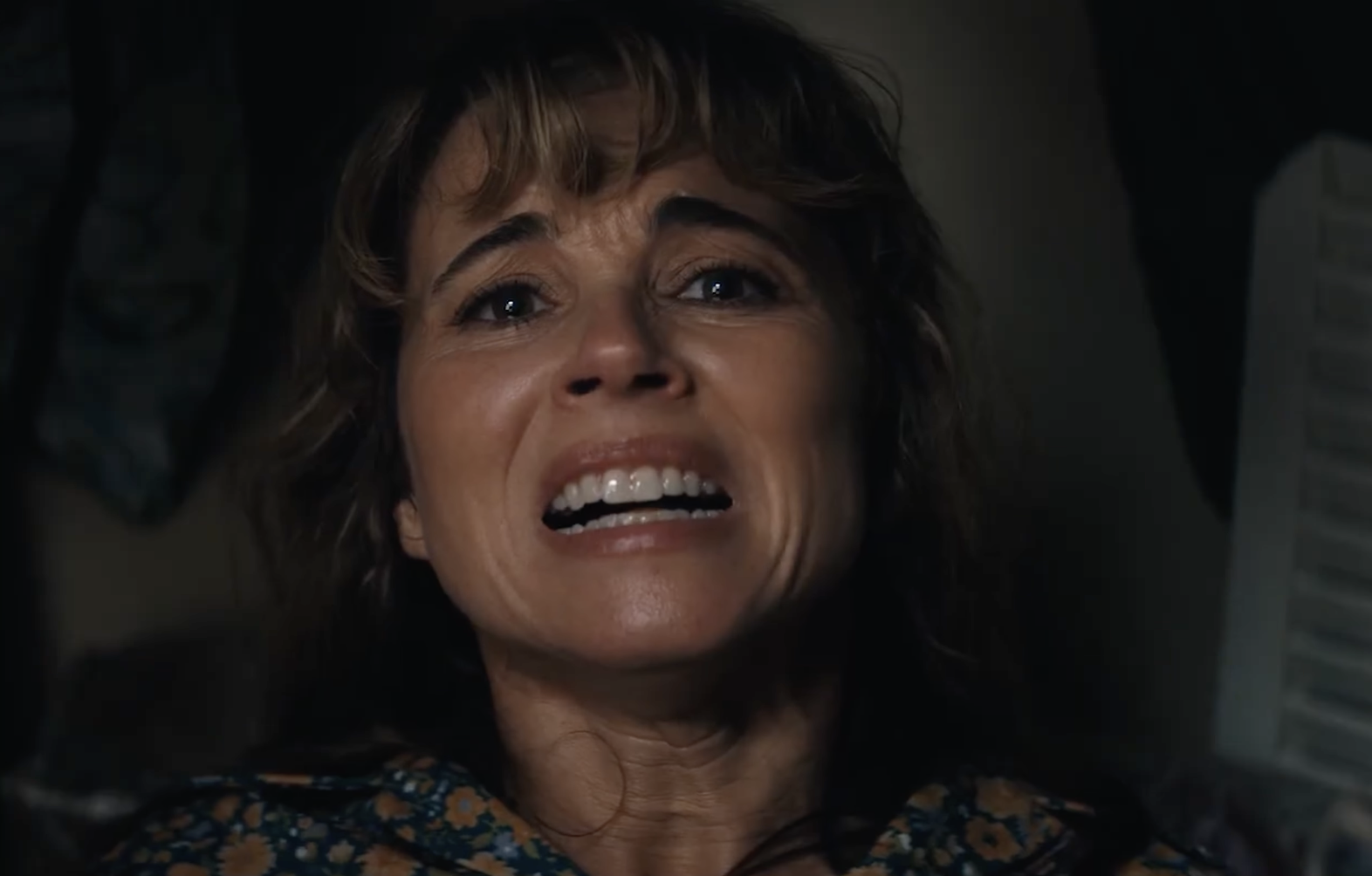
That emotional core works largely because Linda Cardellini delivers a phenomenal performance as Pamela Voorhees. This version of Pamela is not simply a future killer waiting for her turn to snap. She is a grieving mother first, a woman trying to navigate impossible circumstances while desperately protecting the only person who matters to her. Cardellini plays every stage of Pamela's transformation beautifully. She can be warm and nurturing in one scene, socially awkward in another, and terrifying in the next. Even when Pamela commits horrific acts, the performance never allows her to become a cartoon. The audience understands her motivations even when they can no longer justify her actions. By the time the season reaches its most violent moments, Cardellini has done such an effective job humanizing Pamela that several of the kills feel tragic rather than triumphant.
The supporting cast proves equally important to the success of the season. William Catlett's Levon Brooks quickly emerges as one of the strongest original characters the franchise has ever introduced. Levon is investigating Pamela while simultaneously developing empathy for her situation, creating a compelling conflict that drives much of the narrative. His scenes with Pamela become increasingly tense because viewers understand that both characters are slowly moving toward an inevitable confrontation. Devin Kessler also impresses as Levon's sister, whose determination and investigative instincts help uncover many of the mysteries surrounding Bellflower and Pamela's past. Meanwhile, Gwendolyn Sundstrom brings remarkable sincerity to Grace, whose friendship with Jason provides some much-needed warmth amid all the darkness.
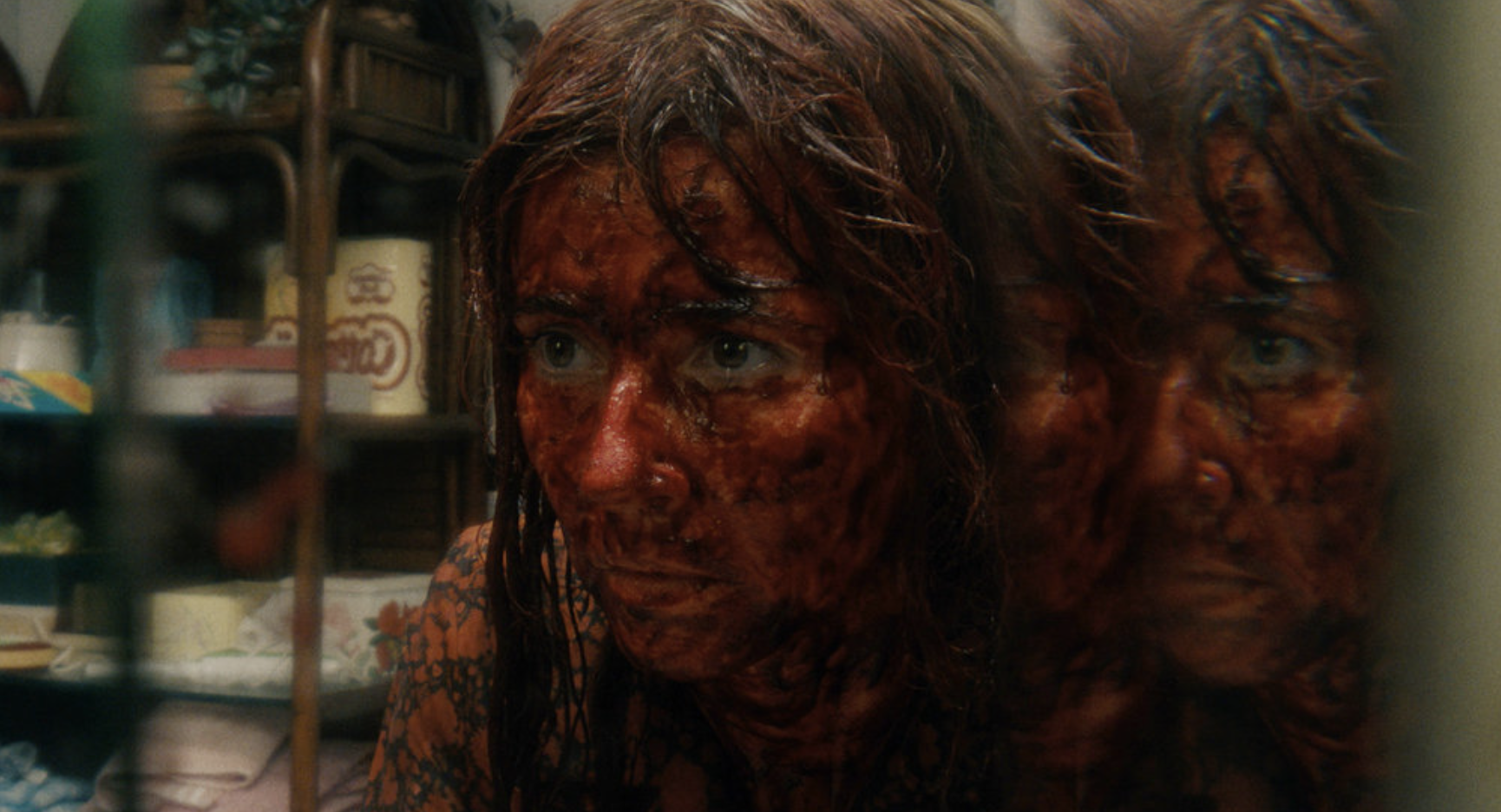
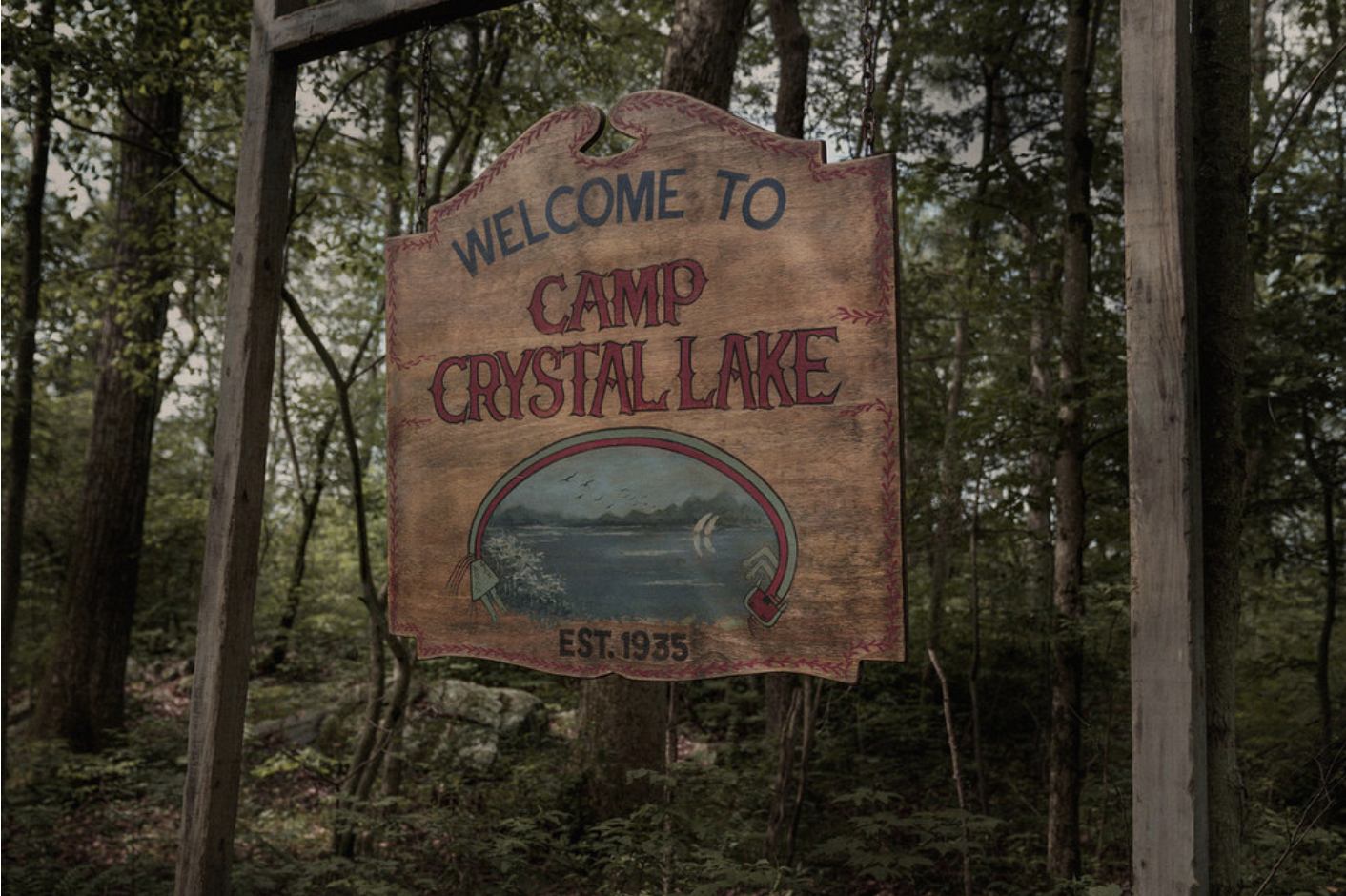
One area where Crystal Lake never disappoints is presentation. The production team does an incredible job recreating the era. Every location feels authentic, whether it's the camp itself, the bowling alley, local fairs, diners, or the countless stretches of forest surrounding Crystal Lake. The woods feel particularly alive thanks to exceptional sound design. Throughout the season, birds, insects, wildlife, and rustling leaves create an atmosphere that often reminds viewers that nature itself is an active participant in the story. Combined with an excellent soundtrack featuring artists like Jeff Beck and Funkadelic, the series develops a strong identity while remaining faithful to the spirit of the franchise.
Fans will also find plenty of references to appreciate. The title sequences echo the original films, familiar characters receive expanded backstories, and recurring visual nods are scattered throughout the season. Barry, Claudette, Crazy Ralph, Dorf, and other figures from franchise lore receive significantly more development than they ever received in the films. Some of this fan service lands perfectly, while other moments feel a little too eager to remind viewers they are watching a Friday the 13th prequel. When the references emerge naturally, they enrich the experience. When they become too obvious, they occasionally pull attention away from the story being told.
Thankfully, the series never forgets that it's still Friday the 13th. The blood starts flowing early and rarely slows down. While some kills are more effective than others, the practical effects remain impressive throughout. Several deaths rank among the nastiest and most memorable moments in franchise history. What makes the violence especially effective is that it usually stems from character motivations rather than existing simply to inflate the body count. Pamela's actions become extensions of her paranoia, grief, desperation, and need for survival. The violence is rarely random, even when it becomes excessive.
Unfortunately, the season's biggest weakness is also one of its biggest strengths: the mystery. During the early episodes, the questions surrounding Pamela, Jason, Bellflower, and the strange visions create genuine intrigue. Each episode reveals another piece of the puzzle while encouraging viewers to continue digging deeper. The problem is that the story sometimes becomes so focused on introducing new questions that it forgets to answer the ones already on the table. By the middle of the season, curiosity is doing much of the heavy lifting. I remained invested because I wanted answers, but there were stretches where I wasn't necessarily enjoying the journey itself. The pacing becomes uneven, side characters come and go with surprising frequency, and several subplots feel like detours from the far more compelling story involving Pamela and Jason.
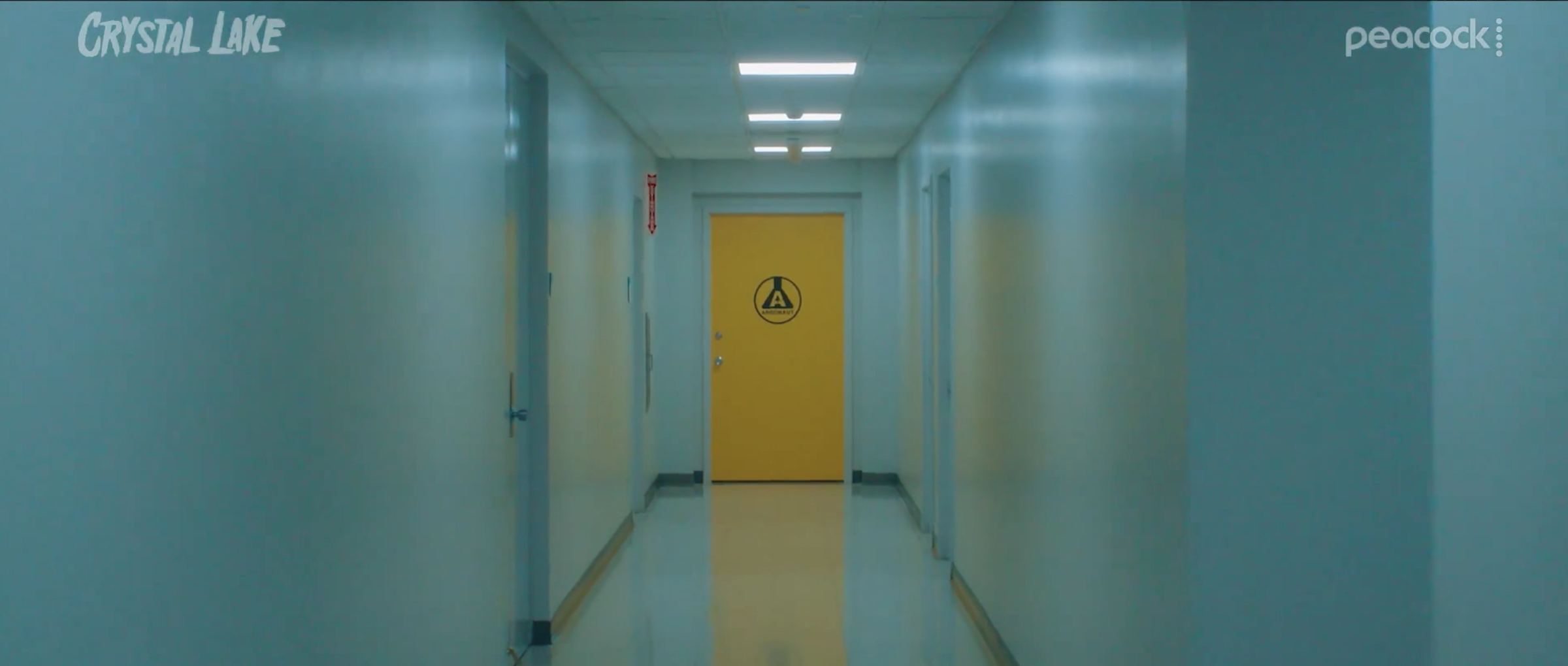
The mythology expansion is where Crystal Lake will truly divide audiences. The seventh episode finally pulls back the curtain, revealing that many of the strange occurrences throughout the season connect directly to Bellflower and years of experimentation involving Jason. Rather than preserving the mystery that has surrounded the character for decades, the series attempts to explain it. Jason's condition, his development, and the extraordinary abilities hinted at throughout franchise history are all tied to a larger scientific agenda. What begins as a tragic family story suddenly expands into a conspiracy involving experimentation, corporate ambition, and attempts to create individuals capable of surviving conditions that normal humans could not.
I admire the ambition, but I remain conflicted about the execution. On one hand, the series finally answers questions that fans have asked for years. On the other hand, part of Jason's appeal has always been the mystery. There is something inherently frightening about not fully understanding him. By providing concrete explanations, Crystal Lake occasionally risks replacing fear with exposition. The ideas are certainly interesting, but they are not always more compelling than the unknown.
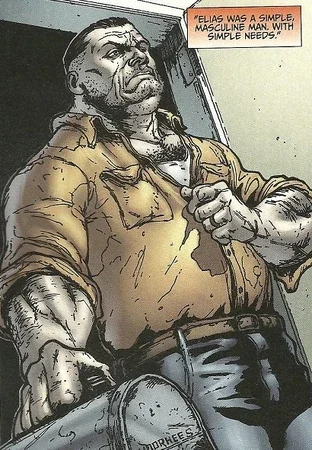
The revelations surrounding Elias Voorhees become equally important. Long relegated to the margins of franchise lore, Elias becomes a major player in the tragedy of the Voorhees family. The show presents him as a man whose ambition and willingness to compromise his morals repeatedly place both Pamela and Jason in danger. Rather than depicting him as a one-dimensional villain, the series portrays him as someone who constantly convinces himself that his actions are necessary, regardless of the damage they cause. The deeper the story explores his relationship with Bellflower, the clearer it becomes that many of the season's tragedies stem from choices he actively made. His role transforms him from an afterthought in franchise mythology into one of its most consequential figures.
Episode seven also provides crucial context for Pamela's psychological state throughout the season. The audience finally learns exactly what she endured while trying to protect Jason. Years of manipulation, isolation, medical intervention, and psychological conditioning left lasting scars that help explain her increasingly unstable behavior. The revelation that Pamela spent years relying on experimental mood stabilizers reframes many of the visions and episodes audiences have witnessed throughout the season. Suddenly, what appeared to be simple madness becomes something far more tragic. Pamela isn't merely losing touch with reality. She's a woman trying desperately to reclaim control over her own life after years of having that control stripped away.
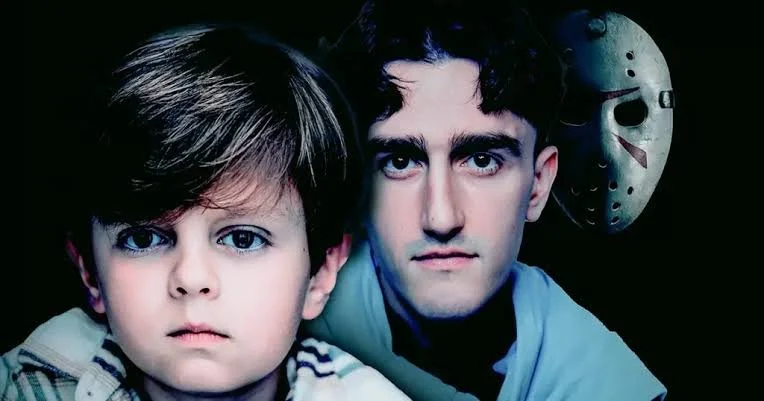
The season's final episodes finally bring the older Jason into the spotlight. After spending most of the season functioning as a distant presence seen through flashbacks, blurry appearances, stories, and visions, Jason eventually emerges as a physical force within the narrative. The reveal works because the show exercises restraint. Rather than introducing him too early, the series allows anticipation to build until his appearance feels meaningful. More importantly, this older Jason feels like a believable evolution of the child audiences have spent the season sympathizing with. He is recognizable as the future legend while still retaining traces of the tragedy that made viewers care about him in the first place.
His eventual confrontation with Elias provides one of the season's most satisfying payoffs. The kill itself is brutal, but what gives the sequence power is the emotional context surrounding it. This isn't simply another slasher moment. It is the culmination of years of pain, betrayal, manipulation, and suffering. Yet even that confrontation is overshadowed by the reunion between Pamela and Jason. For all the bloodshed, mythology, conspiracies, and mysteries, Crystal Lake ultimately succeeds because it never forgets that its story revolves around a mother and son. The emotional reconciliation between them lands because the series invested so much time into their relationship. By the time Jason forgives Pamela, the moment carries significantly more weight than any explanation about Bellflower ever could.
That emotional core is ultimately what keeps Crystal Lake afloat whenever its larger ambitions threaten to sink it. The mythology often becomes too complicated for its own good. The pacing regularly struggles. Certain supporting characters feel underdeveloped, and some narrative detours seem unnecessary in hindsight. There were episodes when I found myself more curious than entertained, and there were moments where the show felt determined to answer questions that were more effective as mysteries. Even so, I never completely disengaged because I remained invested in Pamela and Jason.
In the end, Crystal Lake is not the Friday the 13th equivalent of Welcome to Derry. That series enriches the mythology surrounding It and adds context to stories audiences already know. Crystal Lake pursues a completely different goal. Rather than enhancing the mythology, it reinvents it. Sometimes that reinvention works brilliantly. Sometimes it doesn't. Nevertheless, the series deserves credit for attempting something ambitious instead of settling for nostalgia. Brad Caleb Kane and his creative team could have easily delivered a familiar slasher story. Instead, they built an emotionally driven family tragedy wrapped inside a conspiracy thriller, period drama, mystery series, and horror show.
I didn't love every decision Crystal Lake makes. I think some of the mythology explanations are less effective than the questions they answer. I think the pacing frequently works against the story. I think there are episodes where curiosity is carrying the show more than entertainment. At the same time, Linda Cardellini delivers a franchise-defining performance, William Catlett introduces one of the best new characters in franchise history, the production design is outstanding, and the emotional relationship between Pamela and Jason elevates the material far beyond what many viewers will expect.
Crystal Lake is messy. It's overstuffed. It's ambitious. It's frustrating. It's occasionally brilliant. Most importantly, it's memorable. Whether fans ultimately embrace its changes or reject them outright, they will absolutely be talking about this series for years to come.
Jessie Hobson