
There's a version of reality where Lockjaw becomes one of those beloved cult indies everyone swears they discovered first. The kind of movie that would have had its trailer playing before every Miramax release in the late '90s until it slowly wormed its way into the consciousness of a certain type of film fan. Watching Sabrina Greco's debut feature, it's hard not to imagine it existing in that timeline.
The film follows Rayna (Blu Hunt), a young woman whose jaw is wired shut six weeks after a drunk-driving accident she caused. Determined to reclaim some sense of normalcy, she joins friends for a night out at a magician's show that quickly spirals into an increasingly awkward chain of interactions, confrontations, and emotional detours. As the night unfolds, relationships are tested, insecurities bubble to the surface, and everyone seems trapped in their own self-created social nightmare.
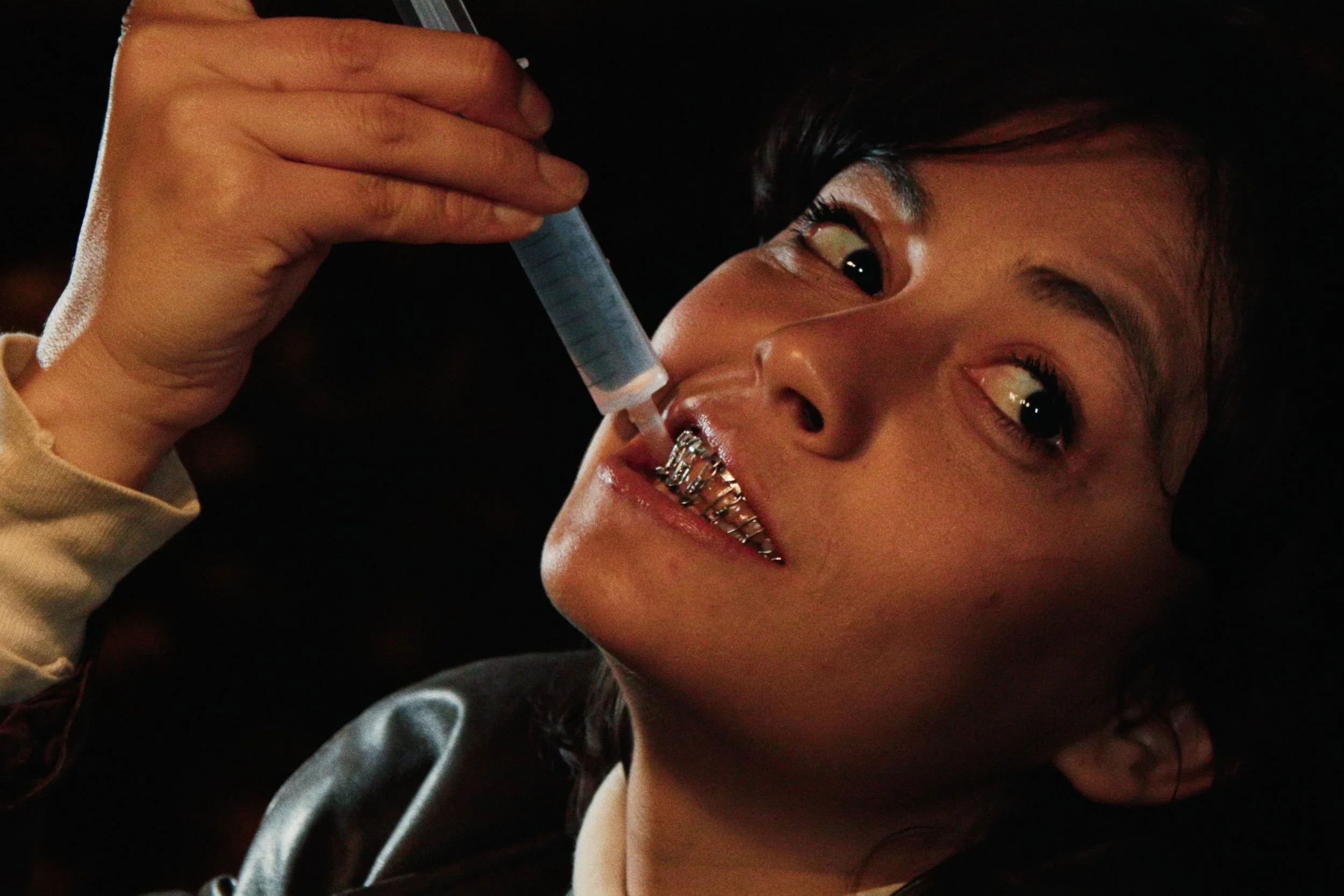
What makes Lockjaw immediately appealing is how effortless the dialogue feels. Conversations rarely sound scripted, often landing somewhere between naturalistic mumblecore and full-blown improvisation. The cast bounces off one another with the kind of casual chemistry that makes it feel like you're watching actual friends stumble through an unusually disastrous evening.
The film's energy calls to mind the Duplass brothers, while its social discomfort often feels like Curb Your Enthusiasm filtered through the lens of a scrappy indie comedy. There's even a little Kevin Smith DNA in the mix. Not necessarily because the characters are firing off clever monologues, but because the movie feels deeply rooted in people hanging around, talking, oversharing, and making things worse for themselves.
It's also an incredibly Los Angeles movie. Not the glamorous version of LA, but the strange ecosystem of artists, performers, aspiring creatives, and emotionally complicated twenty- and thirty-somethings trying to navigate friendships, relationships, and self-worth. Greco, who lives and works in Los Angeles, clearly has affection for these characters even when they're behaving terribly. The result feels less like a satire and more like a love letter to the city's uniquely awkward social circles.
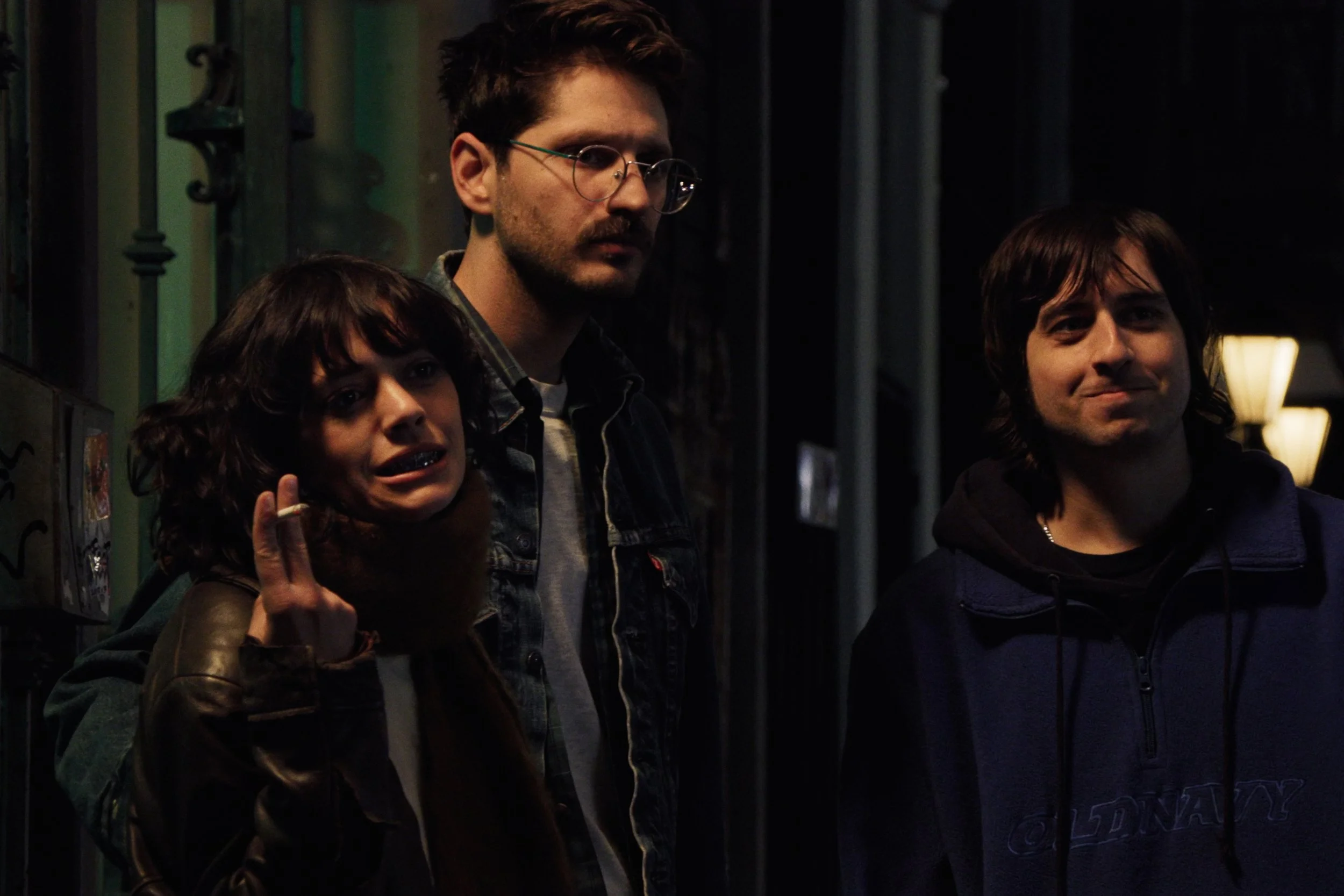
A lot of that charm comes from the supporting cast, particularly Nick Corirossi as Robert, a magician who somehow manages to be both charismatic and completely insufferable. Corirossi has become one of those performers who elevates everything he touches, and Lockjaw is no exception. His constant needling of Rayna and his delightfully obnoxious presence make him one of the film's most memorable ingredients. As written, Robert is provoking, charming, and perpetually stirring the pot, and Corirossi attacks the role with obvious relish.
Equally effective is the film's sense of humor. Some conversations become so bizarre and uncomfortable that the only possible response is laughter. The comedy rarely comes from punchlines. Instead, it emerges from watching people repeatedly make poor social choices and then double down on them. Lockjaw understands that awkwardness, when pushed far enough, can become genuinely hilarious.
Will August Park's score deserves a mention as well. It's whimsical, poppy, and occasionally intrusive in a way that somehow works for the film's heightened tone. At times it feels like a Wes Anderson soundtrack filtered through an indie-pop sensibility, giving the movie an off-kilter rhythm that complements its collection of eccentric personalities.
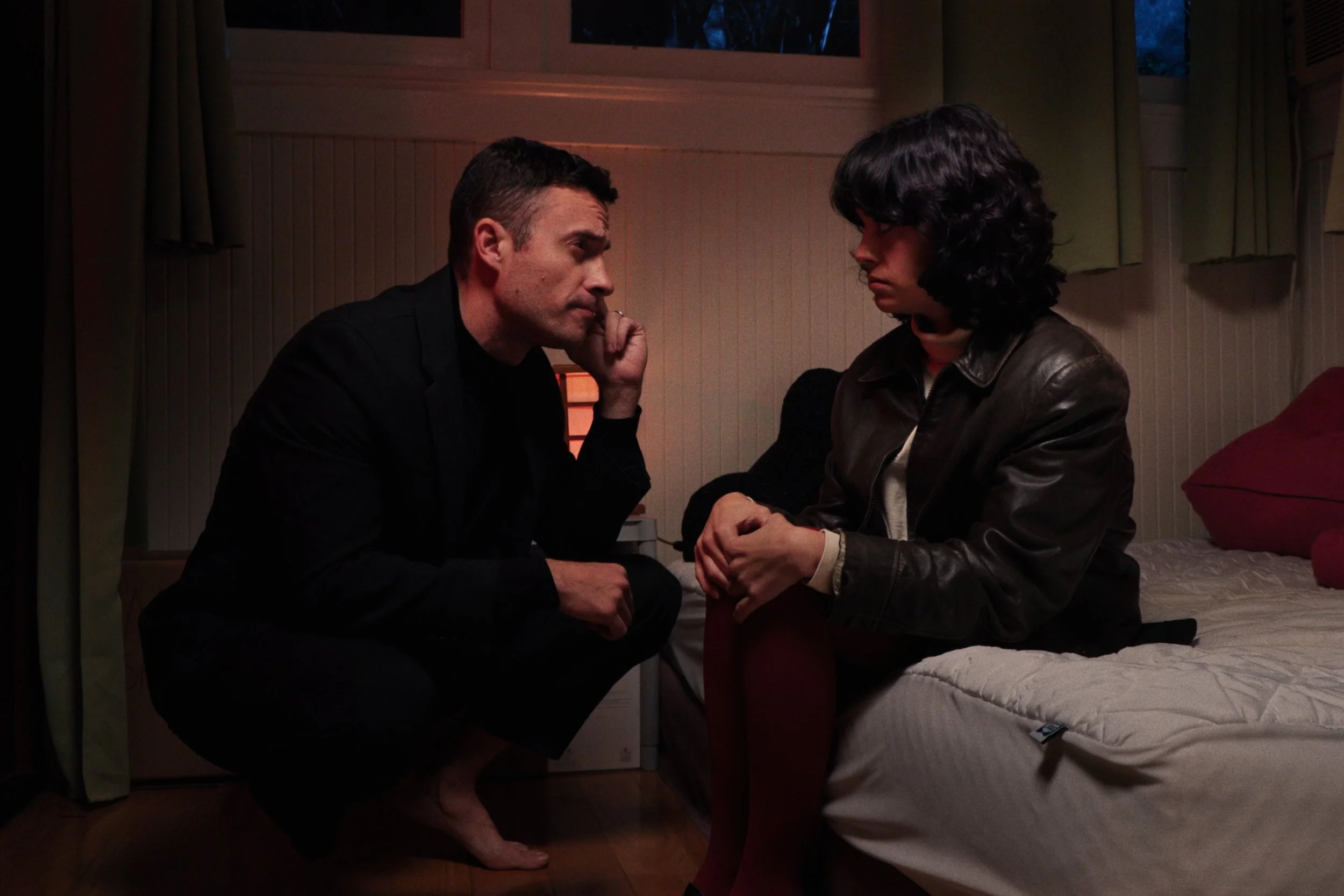
The biggest challenge is pacing. At just 80 minutes, Lockjaw isn't overly long, but it often feels like it's wandering in circles before arriving at its larger emotional destination. The melancholy lurking beneath the comedy is more substantial than expected, particularly through Rayna's unresolved guilt and self-destructive behavior. Greco's goal is clearly to explore the anger, shame, and isolation that can emerge after a personal crisis, and that thematic ambition is admirable.
The problem is that the film takes so long to fully articulate what it's trying to say that, by the time its central ideas come into focus, some of the impact has faded. There are stretches where the narrative meanders enough to leave you wondering whether it's building toward a point at all. Eventually it gets there, but the journey occasionally feels longer than it needs to.
Still, even when Lockjaw drifts, it's rarely uninteresting. The performances remain engaging, the dialogue stays sharp, and Greco demonstrates a knack for capturing the messy reality of people who are simultaneously trying to heal and sabotaging themselves at every opportunity.
Like its protagonist, Lockjaw is loud, chaotic, frequently self-destructive, and often more vulnerable than it initially appears. It doesn't always know exactly where it's going, but spending time with these characters is entertaining enough that you're willing to follow along anyway.
Jessie Hobson