
From the moment Pure Scum begins, it wraps you in a cloud of dread. There is an immediate sense of discomfort and uncertainty hanging over every scene, as though something terrible is always waiting just around the corner. That feeling never really lets up. Instead, writer-director Gideon Aroni's debut feature keeps tightening the screws, building constant rising action that leaves you wondering not if things will get worse, but how much worse they possibly can.
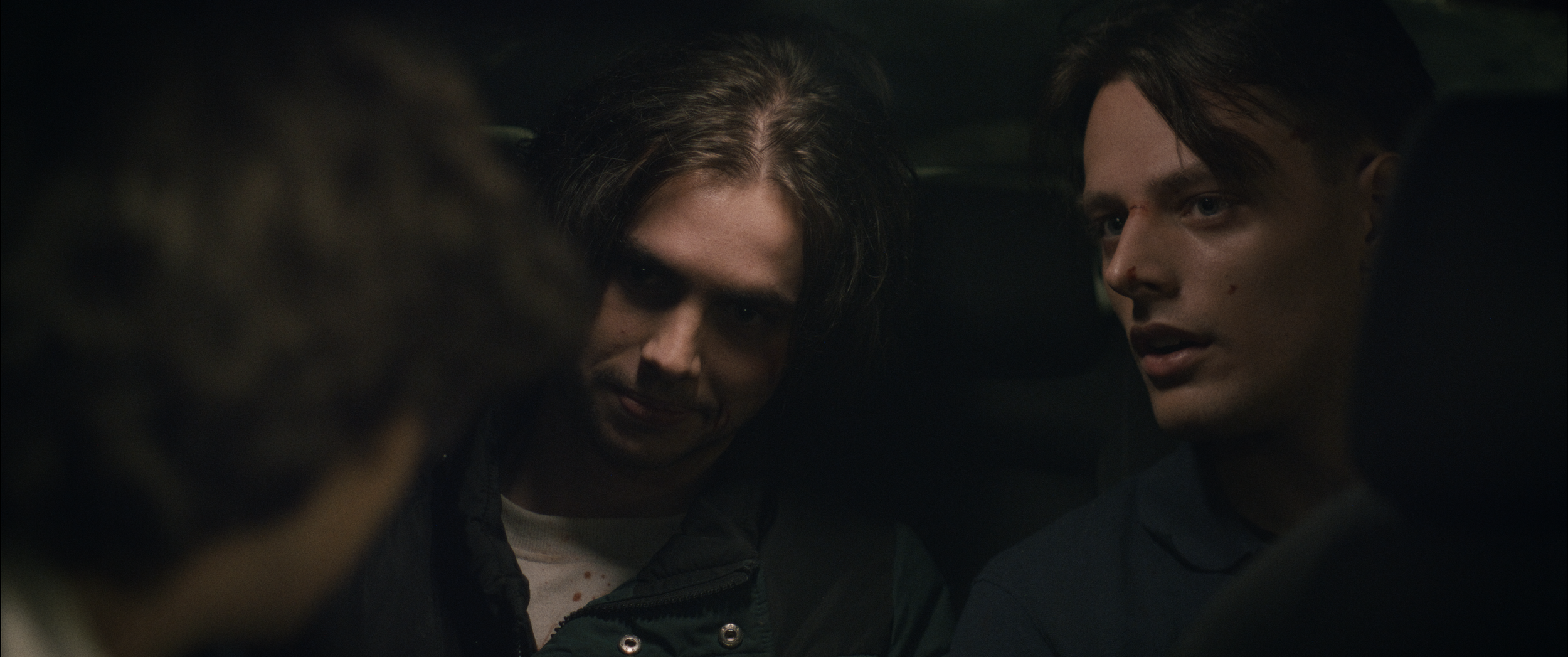
Set over the course of a single chaotic night in Melbourne, Pure Scum follows Ayden and Jesse, two privileged private-school graduates fleeing the scene of a drug-fueled car crash and desperately trying to outrun responsibility. It is a premise rooted in a real-life incident that fascinated Aroni and ultimately became the foundation for a thriller that explores entitlement, privilege, and self-destruction.
The film's greatest strength is its central performances. Will Hutchins and Nikita Chronis are nothing short of phenomenal. Their work elevates every scene, making even the most outrageous moments feel grounded in something recognizable and painfully human. You believe every second they are on screen. Whether the characters are spiraling into paranoia, lashing out in anger, or desperately clinging to control, the performances never feel artificial.
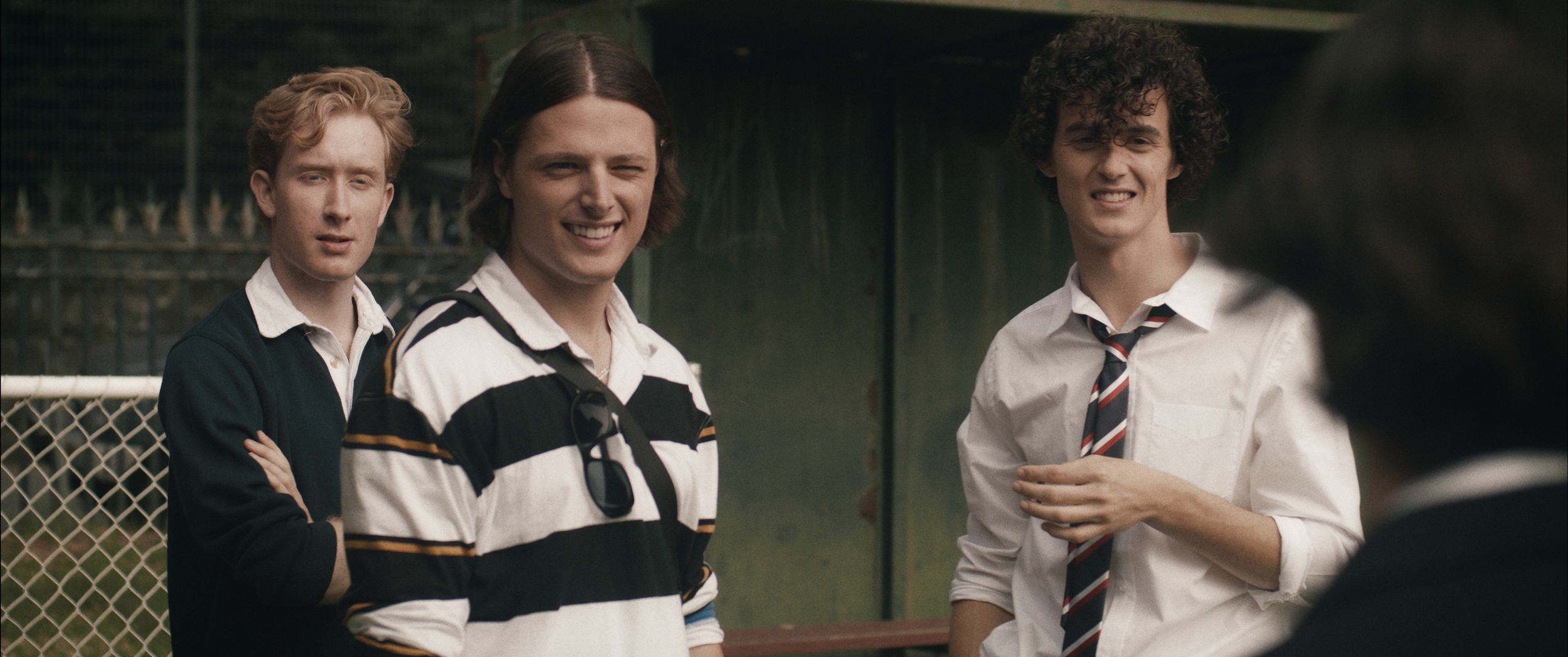
Chronis, in particular, delivers some of the film's most memorable moments. Ayden's increasingly drug-addled state brought to mind the infamous Quaalude sequence from The Wolf of Wall Street. There is a physicality and commitment to the performance that feels completely uninhibited. It is the kind of performance that could easily fall apart in lesser hands but instead becomes one of the film's highlights.
What makes Pure Scum so compelling is how often it forces you into an uncomfortable position as a viewer. The film constantly has you asking yourself what you would do in these situations, only to realize that most people would never end up in these situations in the first place. These are deeply unlikable characters, and the film knows it. Rather than trying to make them sympathetic, Aroni frames them as subjects under examination. Through its pseudo-Netflix documentary format, complete with interviews woven throughout the narrative, the film creates a fascinating distance between audience and protagonist. We are not asked to root for them. We are asked to watch them.
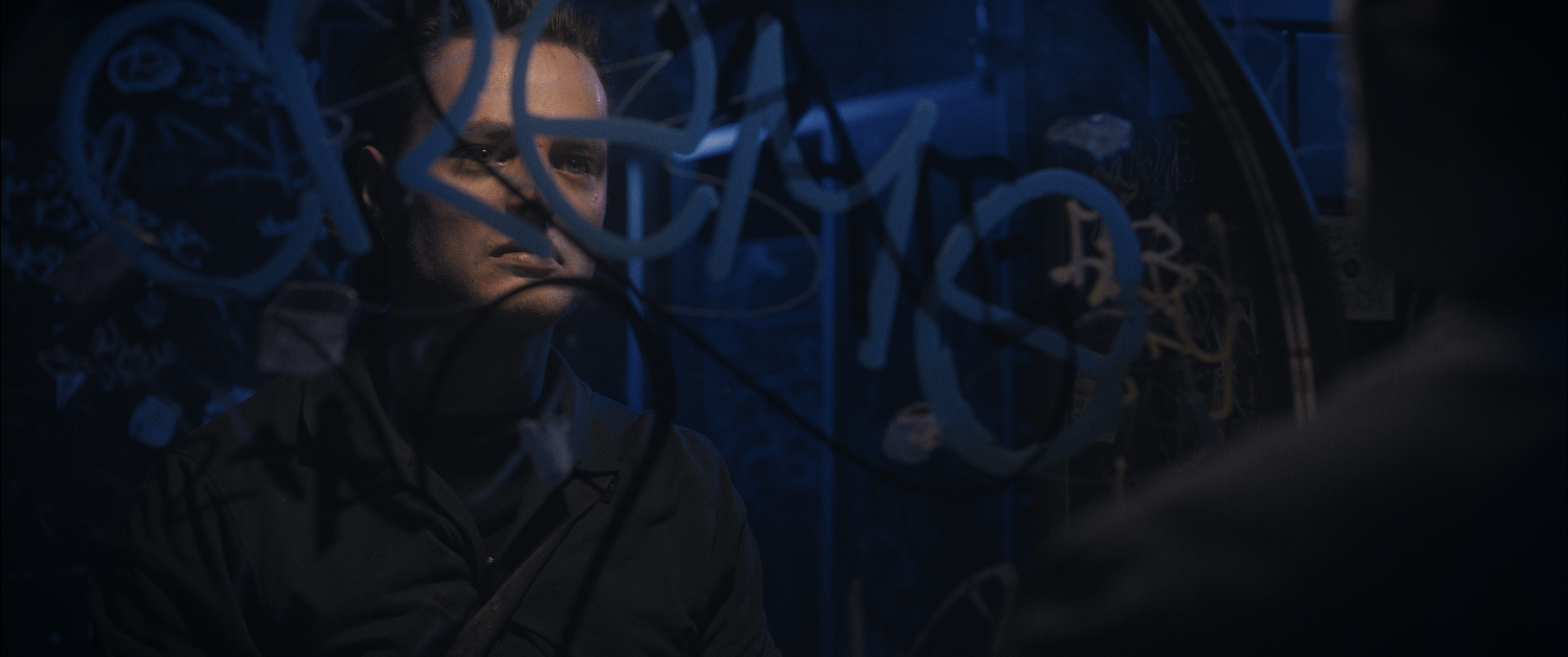
That structure proves surprisingly effective. The documentary framing helps transform what could have been a straightforward crime thriller into something that feels more reflective and analytical. It gradually reveals the social systems that shaped these young men while never excusing their actions. It is both horrifying and strangely cathartic to see these characters realized with such specificity.
Visually, the film is consistently impressive. The camerawork, particularly in public locations throughout Melbourne's nightlife, feels authentic and immersive. There is an energy to the way the film moves through clubs, bars, and city streets that gives the entire experience a documentary-like realism. Combined with outstanding performances across the board, Pure Scum captures a very specific slice of contemporary youth culture and makes it feel startlingly authentic.
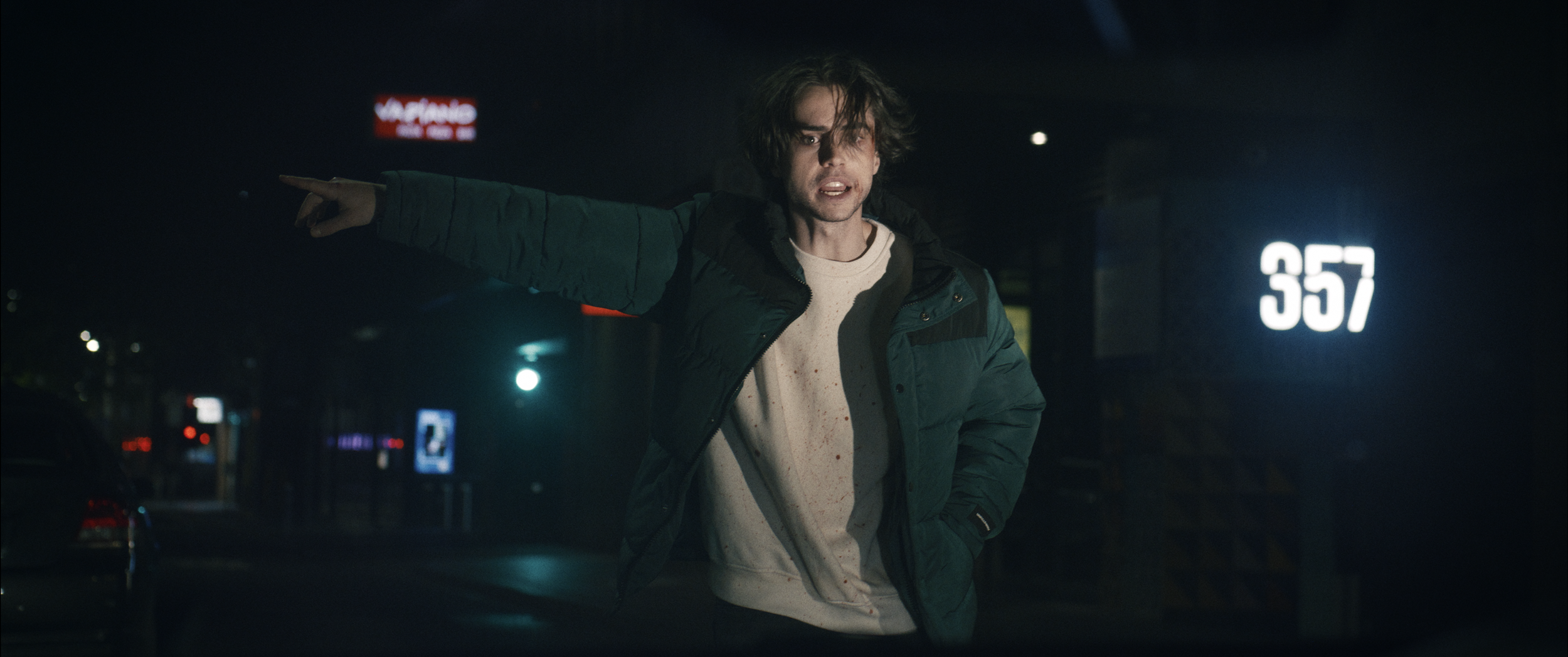
For much of its runtime, the film maintains a believable momentum despite the escalating chaos. Eventually, it does push beyond realism and into territory that feels slightly over the top. Some viewers may find the final stretch a little excessive compared to the grounded tension that comes before it. Still, the film remains entertaining enough that it is easy to forgive. The sheer momentum carries you through.
And then comes the ending. Without spoiling anything, Pure Scum delivers a genuinely intense late-game twist that completely changes the temperature of the film. It is the kind of escalation that leaves a lasting impression, and it leads into an ending that feels both bleak and satisfying. When everything is said and done, you are left reflecting on everything that came before while appreciating just how confidently the film stuck its landing.
At only 93 minutes, Pure Scum wastes very little time. It is bleak, cautionary, and occasionally frustrating by design. Its characters are often reprehensible, and some of its choices may leave audiences unsatisfied. Yet it remains undeniably watchable from start to finish. More importantly, it announces Gideon Aroni as a filmmaker worth paying attention to. For a debut feature, this is remarkably assured work.
Thrilling, uncomfortable, and fueled by pure adrenaline, Pure Scum feels like the kind of film destined to find a devoted audience. It has instant cult classic energy, anchored by fearless performances and a willingness to stare directly into the ugliest corners of privilege and masculinity. It may not be an easy watch, but it is an unforgettable one.
Jessie Hobson