
I'll be honest: The Benefactress is not the kind of film I would normally gravitate toward. Had director Guerrilla Metropolitana not personally reached out and asked for an honest, open-minded opinion, it's likely this would have remained outside my radar. After watching it, however, I found myself unable to dismiss it. My immediate reaction was that I needed a shower. Then a second one. Not because the film simply aims to shock, but because it leaves you with a lingering sense of contamination that extends beyond anything happening on screen. It gets under your skin, settles into your thoughts, and remains there long after you’ve finished the experience.
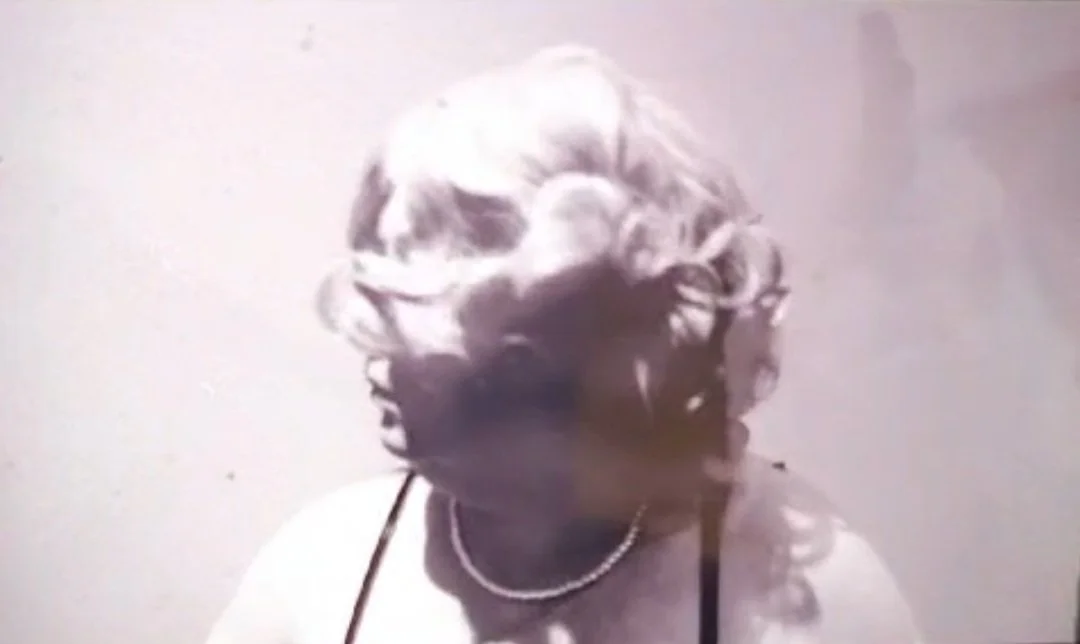
Marketed as The Benefactress: An Exposure of Cinematic Freedom, the film presents itself as a challenge to conventional filmmaking from the outset. The story revolves around a mysterious wealthy patron whose influence over a film production gradually transforms the project into something darker, stranger, and increasingly difficult to separate from reality. What begins as an exercise in control evolves into a study of manipulation, voyeurism, performance, and power. The narrative often feels less interested in delivering a traditional story than in forcing the audience into a state of sustained discomfort, and that approach will be the dividing line between viewers who appreciate the film and those who reject it outright.
There is no denying that The Benefactress is an extreme work. The degradation, humiliation, and psychological cruelty on display can be genuinely difficult to sit through at times. Yet what struck me most is that the film never feels like it is pursuing provocation for its own sake. Many transgressive films confuse boundary-pushing with artistic depth, believing that if something is shocking enough it must automatically be meaningful. Metropolitana's film flirts with that danger constantly, but I came away believing there is a deliberate purpose behind the ugliness. The discomfort is not a byproduct of the film. It is the film. Every abrasive decision appears specifically designed to create an emotional reaction that audiences are not accustomed to experiencing in an era where entertainment is often packaged to be easily consumable.

The film's strongest ideas emerge through its fascination with spectatorship. Again and again, The Benefactress asks what it means to observe suffering from a position of safety. It interrogates the relationship between performer, filmmaker, and audience while examining how easily people can become detached from the experiences of others. One particular scene crystallized this idea perfectly for me. As one figure is subjected to obvious suffering, another remains completely disengaged, distracted by a phone and seemingly indifferent to what is happening nearby. It is a simple image, but an incredibly effective one. In that moment, the film transforms into a bleak reflection of modern existence, where genuine human experience is increasingly filtered through screens and endless streams of digital noise. The sequence is almost unbearable to watch, yet it may also be the clearest expression of what Metropolitana is attempting to communicate.
The performances play a significant role in elevating the material beyond mere provocation. Juicy X serves as the film's anchor, navigating the chaos with a strangely hypnotic calmness that makes her impossible to look away from. Opposite her, the performer credited as Mystery Woman delivers a physically and emotionally demanding performance that gives much of the film its disturbing authenticity. Whether viewers embrace or reject the finished product, the commitment on display cannot be denied. Both actresses fully surrender themselves to Metropolitana's experiment, and their willingness to inhabit such an uncomfortable space grants the film a level of conviction that many larger productions never achieve.
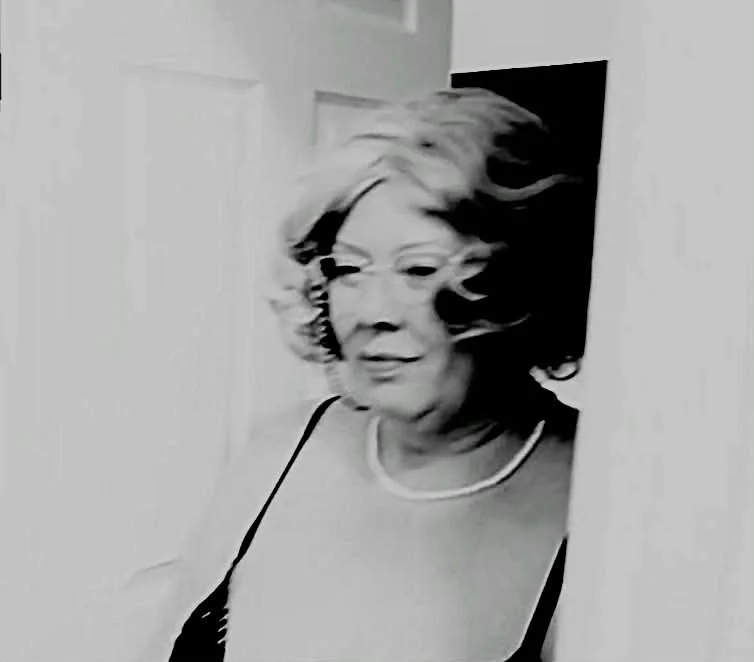
Technically, the film embraces an aggressively raw aesthetic that feels intentionally hostile to polish. The imagery is dirty, degraded, and often claustrophobic, creating the sensation that viewers have stumbled upon something they were never meant to see. The photography frequently recalls the grime-covered textures of underground transgressive cinema, while the sound design proves equally effective in generating unease. Layers of muffled audio, environmental noise, and oppressive ambience work together to create a constant feeling of dread that lingers beneath every scene. The audio and visual elements complement one another exceptionally well, producing an atmosphere that feels both amateurish and meticulously constructed at the same time.
What ultimately makes The Benefactress such a fascinating film is how successfully it weaponizes its own unpleasantness. This is not a movie concerned with entertainment, accessibility, or broad appeal. It actively rejects those concepts. Instead, it confronts viewers with a barrage of uncomfortable imagery and ideas, then dares them to decide whether they are witnessing art, exploitation, social commentary, or some volatile combination of all three. The answer will vary from viewer to viewer, which is precisely why the film has generated such polarized reactions within underground film circles. Some audiences will see a fearless piece of experimental cinema. Others will see an exercise in self-indulgent excess. Neither interpretation is entirely wrong.
By the end, I couldn't say I enjoyed The Benefactress. Enjoyment feels like the wrong metric entirely. What I can say is that I admired its commitment, respected its artistic consistency, and found myself thinking about it far more than I wanted to. For a film built around discomfort, that may be the greatest achievement of all. Its images linger. Its themes linger. Its questions linger. Love it or hate it, The Benefactress refuses to leave quietly, and in a cinematic landscape overflowing with forgettable content, there is something undeniably powerful about a film that refuses to be forgotten.
The Benefactress is a repulsive, fascinating, and relentlessly confrontational piece of transgressive cinema that uses shock not as an endpoint, but as a vehicle for examining spectatorship, power, and desensitization. It is not for everyone, and it was never intended to be. But for viewers willing to engage with its uncompromising vision, Guerrilla Metropolitana has created an experience that is impossible to ignore and even harder to shake.
Jessie Hobson