
Historical dramas often succeed or fail based on whether they can make familiar events feel fresh. The Legend of Van Dorn, directed by Shane Stanley, takes a different route by focusing on a fascinating Civil War figure who remains largely unknown outside history circles. The result is an engaging period drama that blends military strategy, romance, ambition, and tragedy into a story that feels both intimate and consequential.
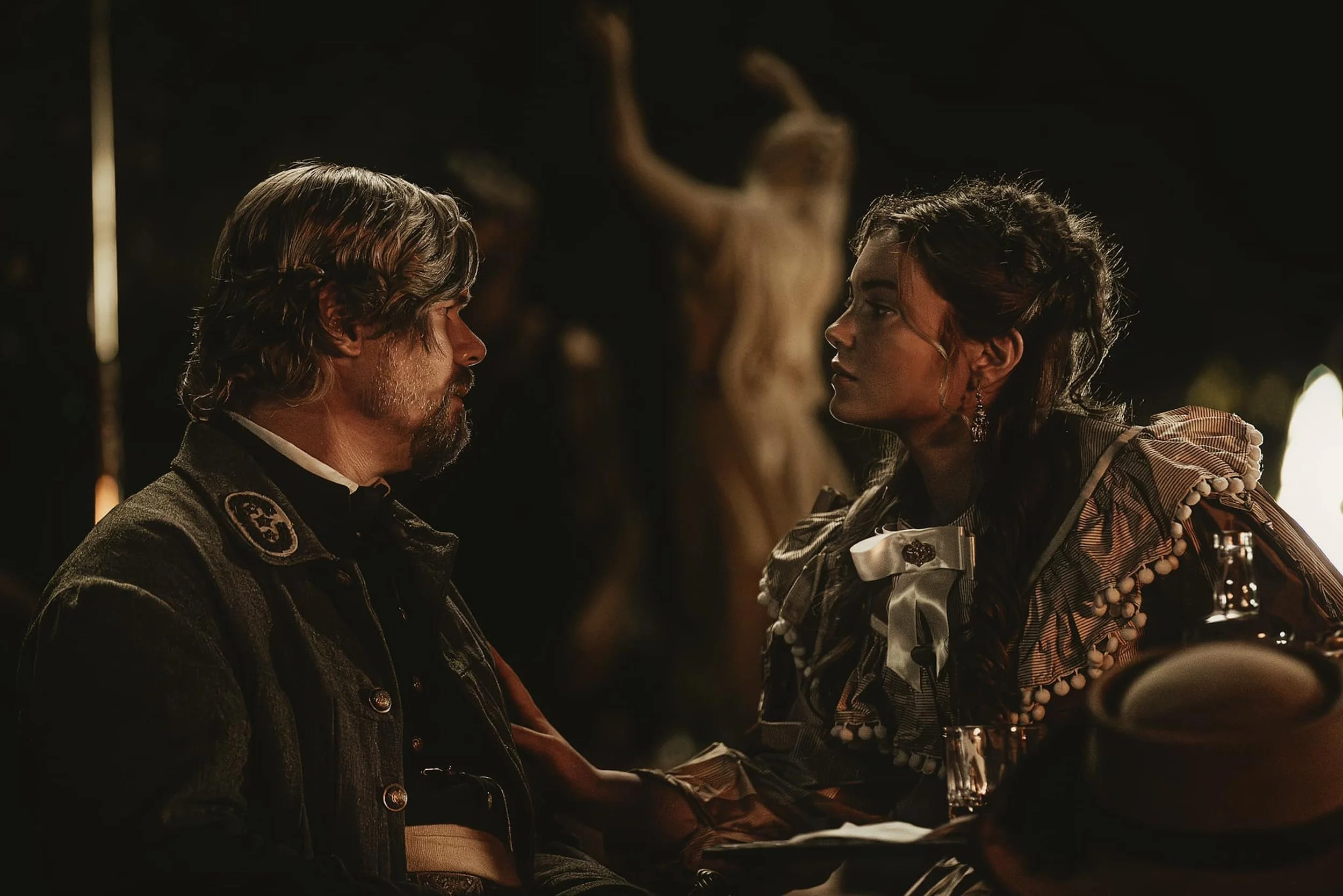
Written by and starring Lee Wilson as Confederate General Earl Van Dorn, the film follows the controversial military leader as he attempts to redeem his reputation through a series of bold battlefield decisions, only to find his personal life becoming the catalyst for his downfall. Rather than presenting a straightforward war story, the film is equally interested in the man behind the uniform, exploring how confidence, charisma, and recklessness can be both a leader's greatest strengths and most destructive weaknesses.
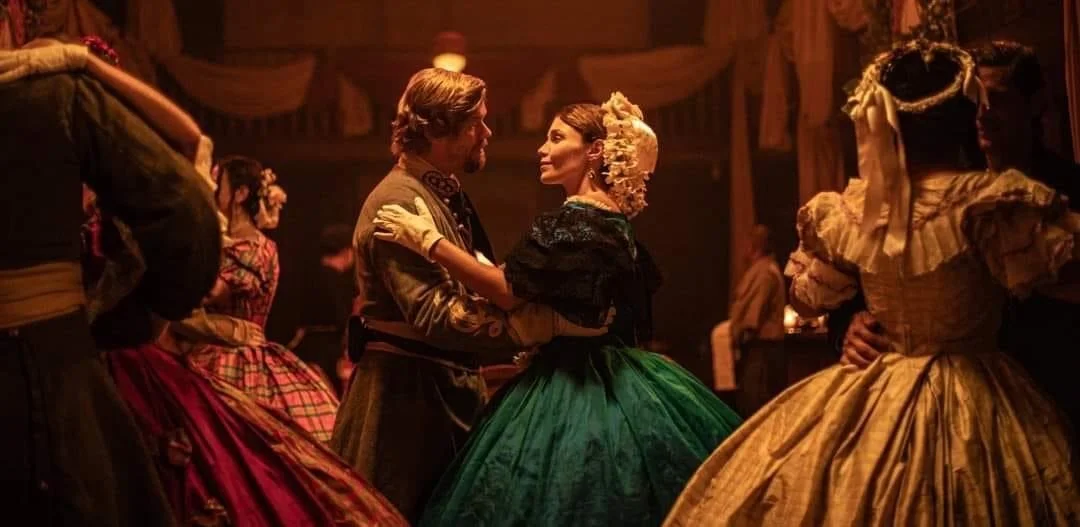
One of the film's greatest strengths is its atmosphere. From the opening scenes, the cinematography impresses with warm, carefully crafted lighting that immediately immerses viewers in the period. The production design and costume work are equally noteworthy, recreating the Civil War era with a level of detail that consistently enhances the authenticity of the experience. The filmmakers clearly invested significant effort into bringing the era's battles, uniforms, and environments to life, and that attention to detail pays off throughout.
What makes The Legend of Van Dorn stand out from many historical dramas is its restraint. The dialogue feels natural and measured, allowing scenes to breathe rather than relying on melodrama. Even when the story's tragic trajectory becomes apparent, the script maintains an easy flow that keeps audiences invested in both the historical events and the personal relationships driving them forward.
While Wilson capably anchors the film, some moments could benefit from a bit more energy and urgency from the central performance. Fortunately, the supporting cast consistently elevates the material. Ellie Patrikios is a standout as Jessie Peters, bringing warmth, complexity, and presence to a role that could have easily been reduced to a simple romantic subplot. Instead, Jessie becomes one of the film's most memorable characters, adding emotional weight to the story and helping illustrate the personal choices that ultimately shape Van Dorn's destiny.
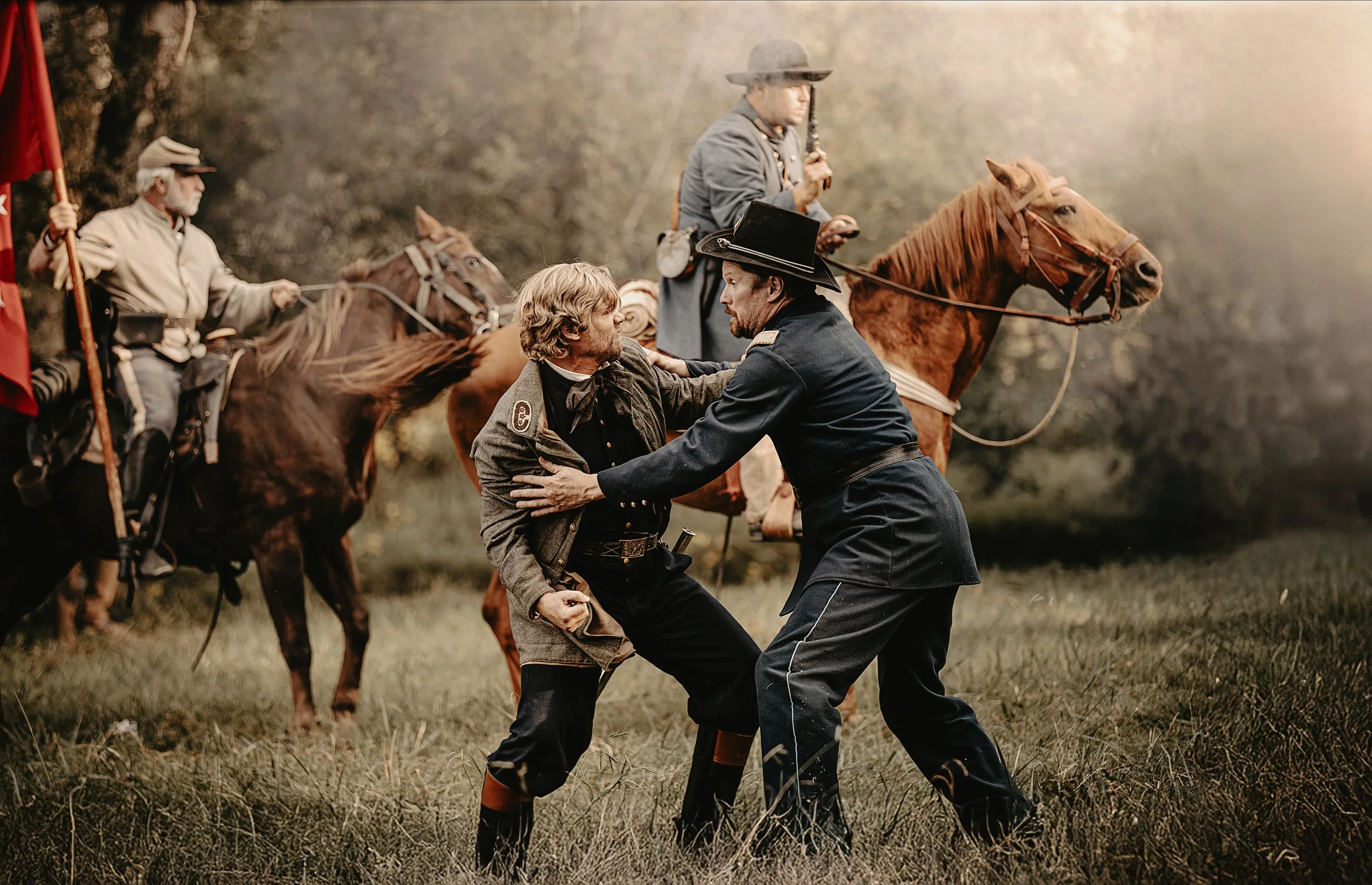
David Meadows is equally impressive as General Nathan Bedford Forrest. The dynamic between Forrest and Van Dorn provides some of the film's strongest scenes, highlighting differing leadership styles and strategic approaches during a turbulent period of the war. Meadows brings confidence and gravitas to the role, creating a compelling counterbalance to Wilson's portrayal of the title character.
The film also benefits from an accomplished supporting ensemble that includes Joe Lando, D.B. Sweeney, and Andrew Reid, all of whom help populate the story's historical world with believable and engaging characters.
Perhaps the most surprising aspect of The Legend of Van Dorn is how effectively it balances genres. It is a military drama, certainly, but it is also a romance, a character study, and ultimately a tragedy. By focusing on the intersection of public achievement and private failure, the film avoids becoming just another Civil War movie. Instead, it becomes a portrait of a larger-than-life figure whose personal decisions prove just as consequential as his actions on the battlefield.
For viewers unfamiliar with Earl Van Dorn's story, the film offers a compelling introduction to a little-explored chapter of American history. For history enthusiasts, it provides a thoughtful dramatization that prioritizes character without losing sight of the broader historical context. Either way, The Legend of Van Dorn is an enjoyable and well-crafted period piece with impressive production values, strong supporting performances, and an engaging story about ambition, love, and the cost of one's choices.
Jessie Hobson