
There are stories from history so astonishing that they barely need embellishment. Nellie Bly's 1887 undercover investigation of New York's Women's Lunatic Asylum is one of them. At just 23 years old, Bly deliberately convinced authorities she was insane, allowing herself to be committed so she could expose the abuse, neglect, and inhumane conditions hidden behind the institution's locked doors. Once inside, there was no guarantee she would ever get back out. That remarkable act of courage forms the foundation of Inside the Madhouse (1887), a 25-minute historical drama from writer and creator James G. Maynard that combines traditional filmmaking techniques with generative AI imagery and animation.

The film follows Bly, operating under the name Nelly Brown, as she enters Blackwell's Island and begins documenting the conditions around her. Through secret journal entries, conversations with fellow patients, and her growing realization that many women have been institutionalized for reasons that have little to do with mental illness, Bly becomes determined to collect evidence and expose the truth. The women she encounters are cold, hungry, frightened, and forgotten by a society that has little interest in hearing their stories.
What immediately stands out about Inside the Madhouse (1887) is the progress of AI filmmaking itself. Compared to some of the earliest AI-generated films, the visual leap is undeniable. There are moments throughout the film that look genuinely impressive, with convincing period costumes, atmospheric environments, and compositions that effectively recreate nineteenth-century New York. The technology has clearly advanced at a remarkable pace, and it is easy to see why creators are excited about its possibilities.
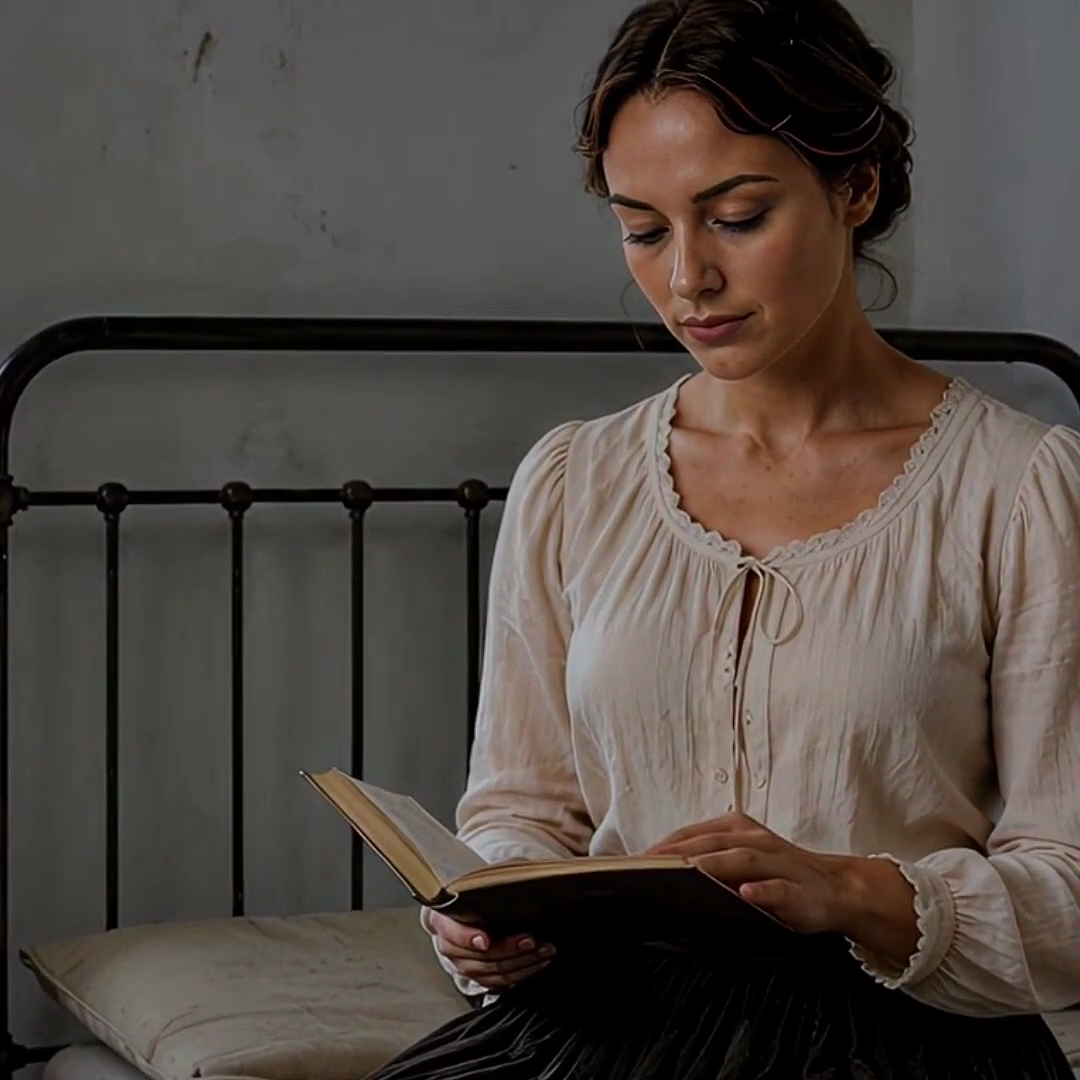
At the same time, the film highlights why AI filmmaking still has a long way to go. For all of the visual improvements on display, there remains a noticeable absence of the human element that makes traditional filmmaking so effective. Characters often feel more like representations than fully realized people. Expressions can seem limited, dialogue exchanges occasionally feel mechanical, and scenes that should carry emotional weight sometimes struggle to resonate. Rather than becoming invested in the characters themselves, viewers may find themselves studying the technology behind the images.
That disconnect makes the story harder to engage with than it should be. Nellie Bly's real-life investigation is naturally suspenseful. She willingly entered a system designed to silence women and placed her freedom in the hands of strangers. The stakes could not be clearer. Yet despite the strength of the source material, the film occasionally feels emotionally distant. It is a fascinating historical story filtered through a technology that still cannot fully replicate the nuance, spontaneity, and humanity that actors bring to the screen.
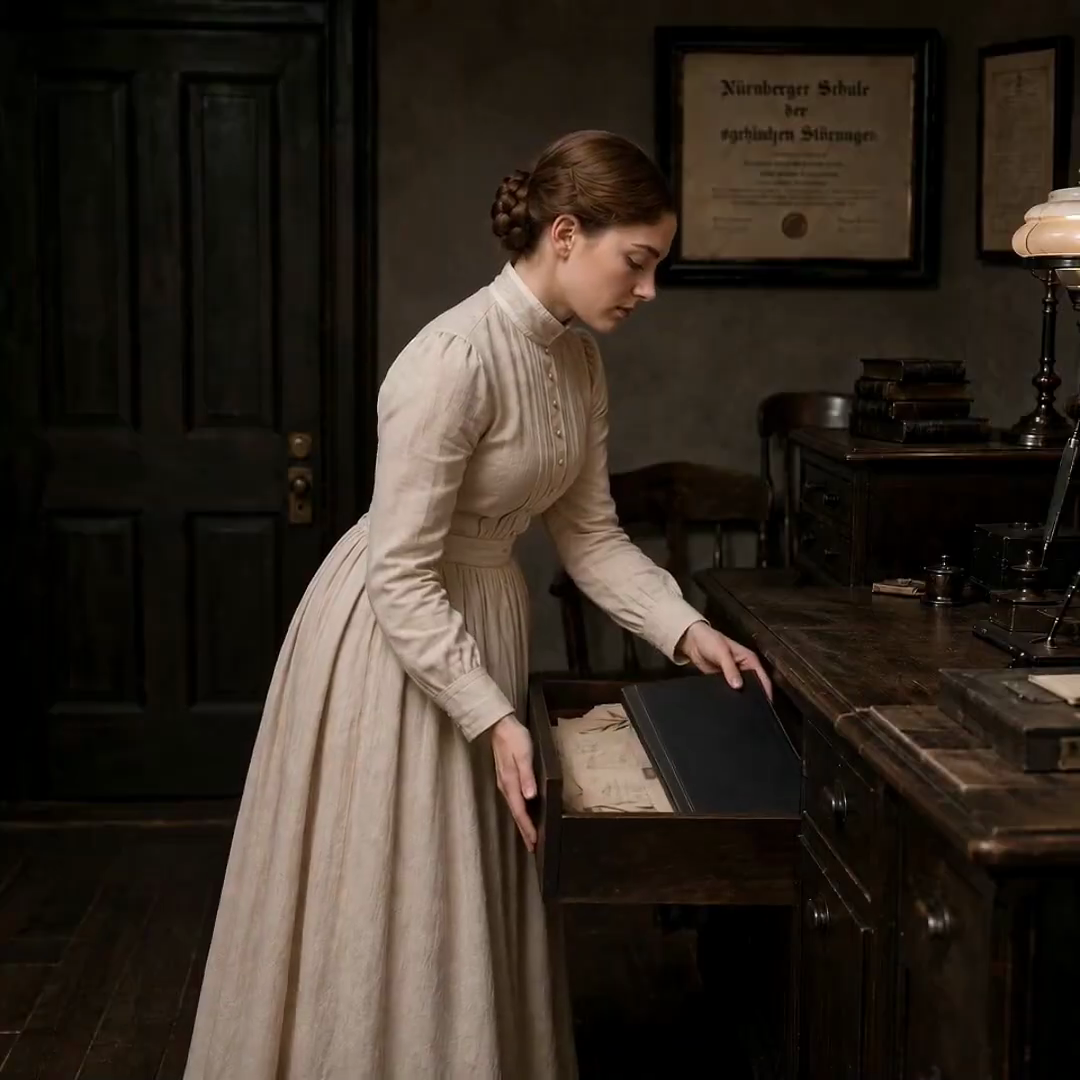
Ironically, the strongest part of the film has nothing to do with AI. The story itself remains compelling. The screenplay effectively illustrates the injustices Bly witnessed and the ways institutions could weaponize authority against vulnerable women. Some patients have been discarded by family members. Others are trapped because of poverty, illness, or language barriers. The film repeatedly emphasizes how difficult it was for women to prove their sanity once a doctor had decided otherwise. The result is a chilling portrait of a system where protest becomes evidence of madness and cruelty is rebranded as treatment.
The supporting characters help bring some humanity to the story. Bly's interactions with fellow patients, particularly Miriam, give the film its most memorable moments. Their conversations provide glimpses of hope, resilience, and dignity amid the bleak conditions around them. A musical sequence near the film's conclusion, in which the women place their trust in Bly to tell the world what happened behind the asylum walls, is among the film's most effective scenes.
Unfortunately, pacing issues often undermine the momentum. There are numerous close-ups, reaction shots, and lingering sequences that remain on screen longer than necessary. While some of these moments showcase the visual capabilities of AI generation, they frequently slow the narrative's pace. Given the film's brief 25-minute runtime, a tighter edit would have strengthened the tension and made Bly's investigation feel more urgent.

The film also raises an unavoidable question: why not simply shoot portions of this story traditionally? Much of Inside the Madhouse (1887) consists of conversations, close-ups, and interiors that could have been achieved through conventional filmmaking. While the AI-generated approach allows for ambitious visual recreation on a limited budget, there are moments where the technology feels less like a storytelling tool and more like the central attraction. The visuals are often impressive, but they rarely feel essential in ways that justify sacrificing the emotional authenticity that live performers naturally provide.
Still, dismissing the project outright would be unfair. As an experiment in AI-assisted filmmaking, it demonstrates just how far the technology has come in a relatively short period. More importantly, it introduces audiences to one of journalism's most fearless figures and reminds viewers that Bly's work changed public perception of institutional abuse at a time when few people were willing to challenge authority. The film's closing references to her future adventures suggest this is only the beginning of a larger series focused on her life and accomplishments.
Ultimately, Inside the Madhouse (1887) succeeds because Nellie Bly's story is almost impossible not to find compelling. The film may not completely overcome the limitations of AI-generated performance and storytelling, but it finds enough power in its subject matter to remain interesting throughout. It serves as both a tribute to a pioneering journalist and a snapshot of a rapidly evolving technology. While AI filmmaking has come a long way, Inside the Madhouse (1887) demonstrates that there is still a significant gap between generating convincing images and creating the kind of human connection that makes great cinema endure. The technology continues to improve, but the emotional authenticity of traditional filmmaking remains difficult to replicate.
Jessie Hobson