
The opening stinger hits immediately, not with a jump scare but with intention. From the first seconds, Leviticus makes it clear this is not a normal horror story. It is patient, confident, and deeply uncomfortable in a way that feels deliberate rather than indulgent. Watching it at SXSW, you could feel the room slowly tighten as the movie settles into your bones.
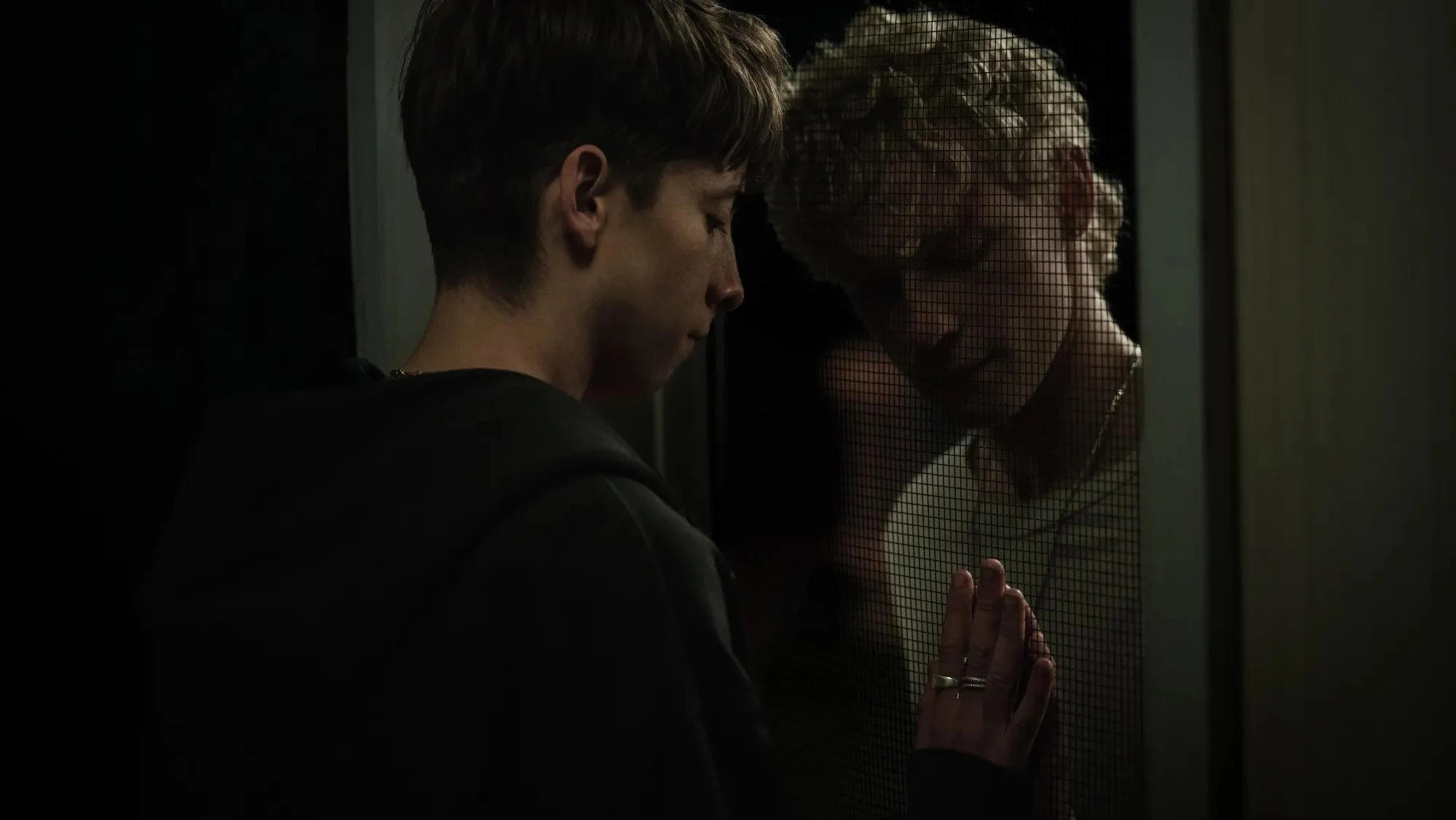
Director Adrian Chiarella does something smart right away with the framing. The camera is always working, finding ways to add texture and tension through space. Shots are frequently obstructed by glass bottles, doorways, windows, reflections, anything that can make you feel like you are peeking at something you are not supposed to see. It creates a sense of constant surveillance and repression that mirrors the story’s emotional core. At times, the blocking even feels almost Wes Anderson–like in its symmetry and spacing, only drained of whimsy and replaced with dread.
There is also an unmistakable visual language built around slow push-ins. The camera creeps forward constantly, sometimes so subtly you barely notice it happening until your shoulders are tight. That slow movement adds an oppressive unease that pays off when the film chooses restraint over spectacle.
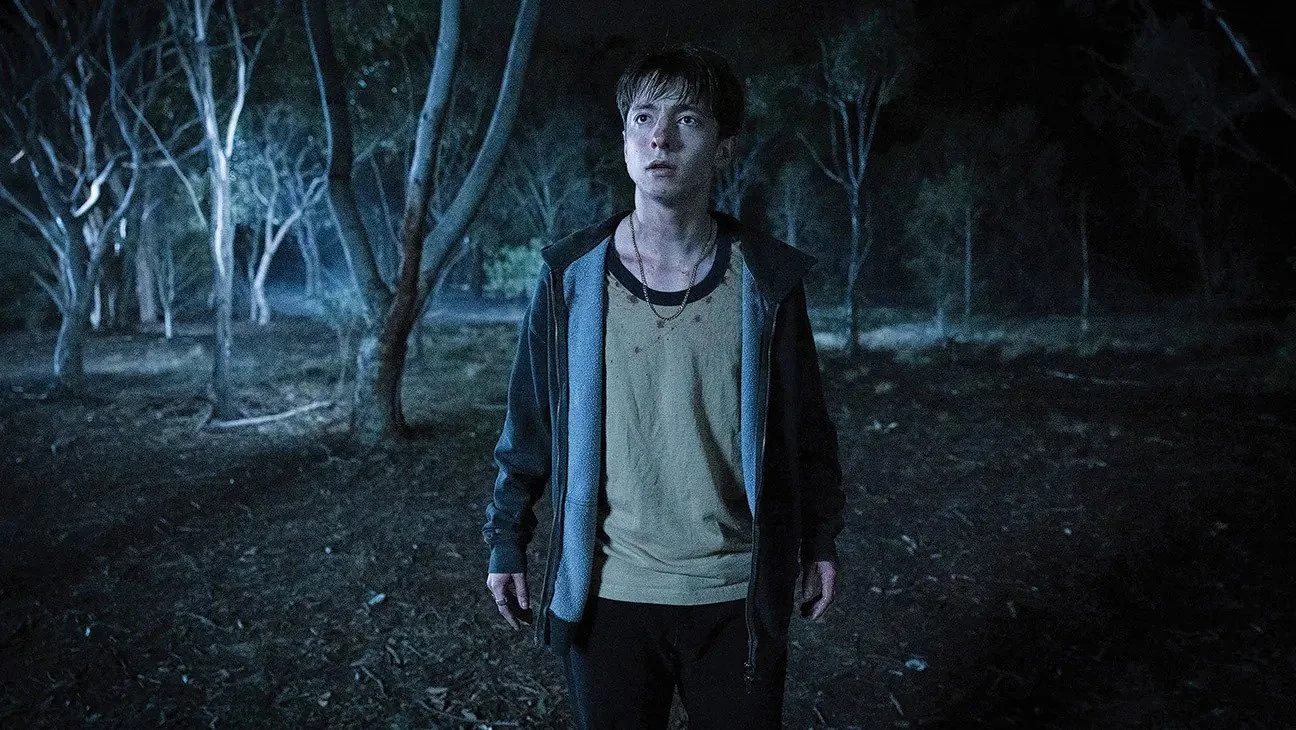
Joe Bird and Stacy Clausen anchor the film with two absolutely committed performances. Bird, in particular, recalls a young Barry Keoghan, not in imitation but in that same nervous, interiorized vulnerability. You believe every flicker of fear, longing, and confusion in his eyes. Clausen matches him perfectly, grounding the film with warmth and volatility. Their chemistry is undeniable, and without it, the entire metaphor would collapse. With it, the stakes feel devastatingly real. You believe the romance. You believe the grief. You believe the terror that comes from loving someone who might destroy you simply by existing.
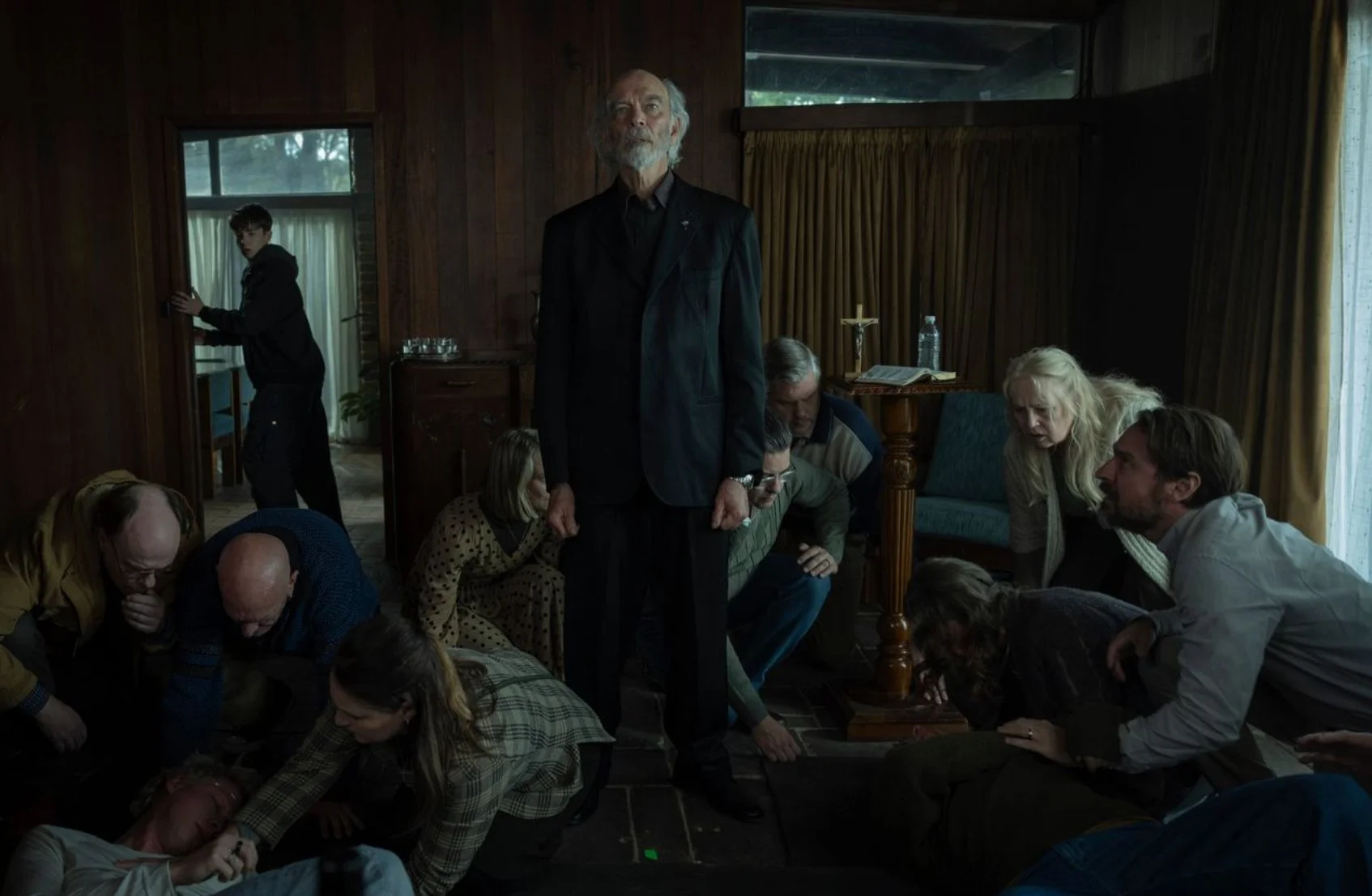
Mia Wasikowska showing up as a mother figure is genuinely jarring in the best way. There is something inherently strange about seeing Alice in a maternal role, and she weaponizes that discomfort. Her performance is cold, suffocating, and quietly monstrous. It is one of those “worst parent imaginable” turns that sinks deeper the longer you sit with it.
Not everything lands cleanly. There is a moment early on where a random puzzle happens to depict a black goat, and it feels a little too on-the-nose, bordering on eye-roll territory. Likewise, the film’s ultimate method of overcoming its central threat feels slightly too simple and convenient for something this emotionally complex. There is also very little explicit explanation for the rules of what is happening. You either accept it or you do not. Personally, it worked for me, but your mileage may vary.
Where the film truly excels is in its scares. The gay exorcism sequence is genuinely horrifying. Violent, believable, and deeply upsetting in a way that goes beyond surface shock. The jump scares are earned and effective, strong enough to make the theater physically react, but never cheap. Reveals are handled through slow, creeping pushes rather than sudden cuts, which makes them hit harder.
The sound design deserves special recognition. It is absolutely peak. Every creak, breath, and low-frequency groan elevates the material and makes the threat feel omnipresent. The score, composed by Jed Kurzel, is phenomenal. It calls back to the opening of The Shining in spirit, not imitation, favoring atmosphere and dread over melody. There is even a moment where the score subtly shifts into something that feels like a chase theme, heightening panic without underlining it.
The visual effects are used sparingly and smartly. When they show up, they look solid and grounded. More importantly, the practical effects are just as strong. Despite the story’s supernatural elements, the film stays weirdly tactile and believable, pulling you inside and refusing to let you leave. Even when what you are seeing is unreal, it feels emotionally honest.
There is a late reveal that is absolutely brutal. Not shocking in a fun way, but upsetting in a way that makes your stomach drop. It reframes what you have been watching and leaves you feeling genuinely awful, which feels intentional.
The comparisons to It Follows are inevitable, and not entirely off base. But Leviticus is colder, sadder, and more fundamentally chilling. Here, being your authentic self is the thing that puts you in danger. Desire becomes a curse. Love becomes something you have to run from. There is a terror in this that extends far beyond queerness and taps into that universal fear of being caught by parents, teachers, or classmates. Of having to turn the person you love into the enemy in order to survive.
It is a ruthless metaphor for homosexuality in a hostile environment, and honestly, it is exhausting just to watch. The film makes queer love feel risky, terrifying, and constantly on the defensive, which is exactly the point. Sexy, cute, terrifying, hysterical, tragic, and deeply romantic, sometimes all at once.
When it finally lets you go, it is clear that Leviticus is not just a great queer horror film. It is a great horror film, period. A simple idea executed with confidence, restraint, and emotional intelligence. One of the scariest movies I have seen in years. Tailor-made for A24 vibes, even though it landed elsewhere.
Jessie Hobson