
Rock Springs is one of those SXSW discoveries that feels like it crawled out of the woods behind the theater and followed you home. It is quiet, strange, often uncomfortable, and soaked in grief. It is also deeply ambitious. Writer-director Vera Miao makes a bold first impression with a fractured, three-chapter horror film that blends generational trauma, historical atrocity, and deeply personal loss into something that refuses to play like a typical ghost story.
The film opens in a deeply unsettling place, not because of jump scares or overt horror, but because of atmosphere. The environments feel cursed, almost hostile, and Miao proves immediately that she understands how to utilize space. Empty rooms feel watched. The woods feel alive. The framing is always thoughtful and sometimes almost mischievous, constantly putting your eyes where you least want them. The score, full of plucks, droning strings, and hollow tones, does much of the haunting work here. It never overwhelms, but it never lets go either. There is a strong Silent Hill energy running through this first section, mixed with something more folkloric and restrained.
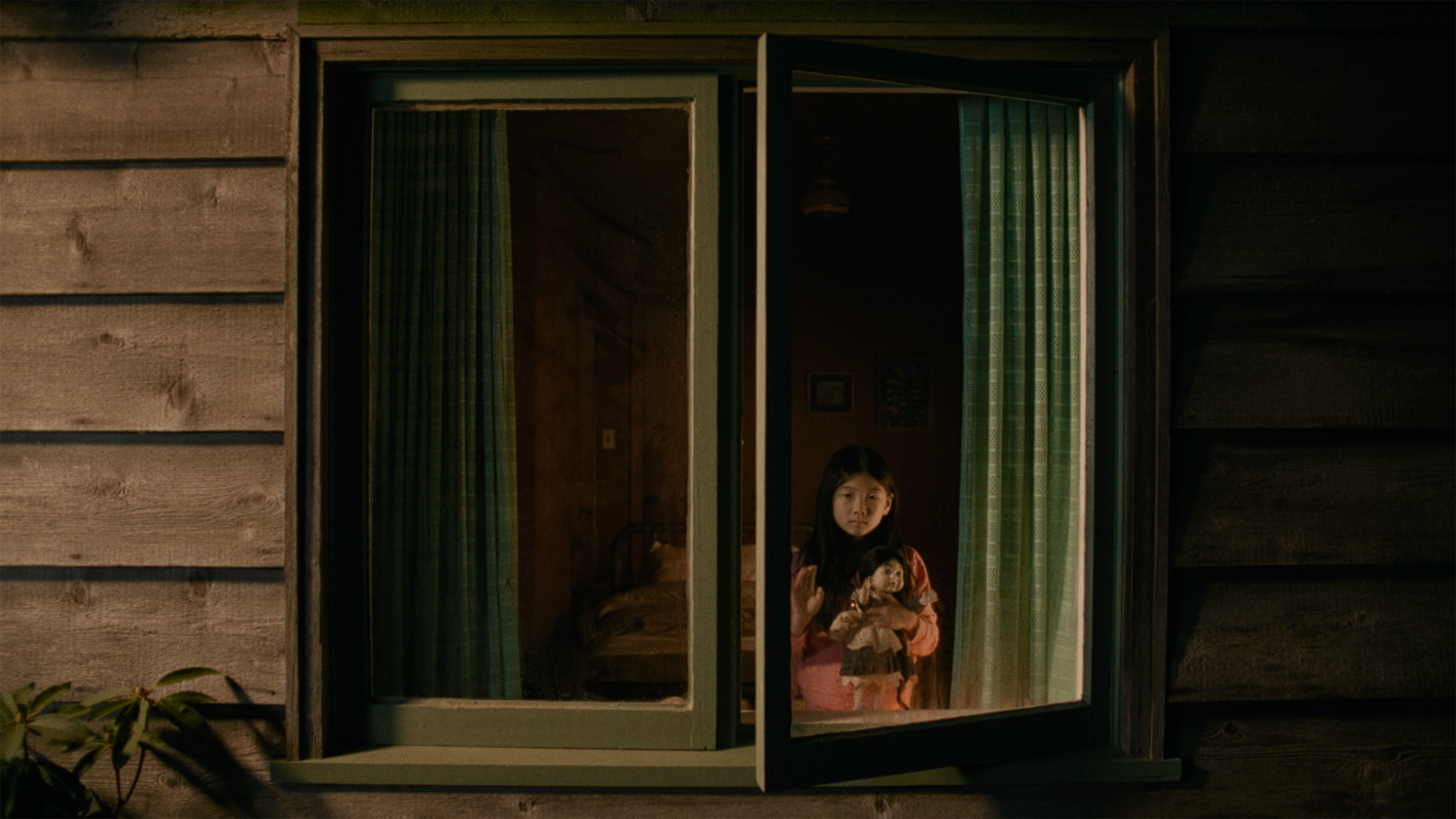
The child at the center of this opening chapter barely speaks, and that silence is far more effective than screaming ever could be. Quiet kids are always scarier, especially when paired with unsettling imagery like a doll that never feels quite right. The vibe recalls something like an Asian Babadook, but filtered through patience instead of panic. The horror here simmers, and Miao trusts the audience to feel it without explanation.
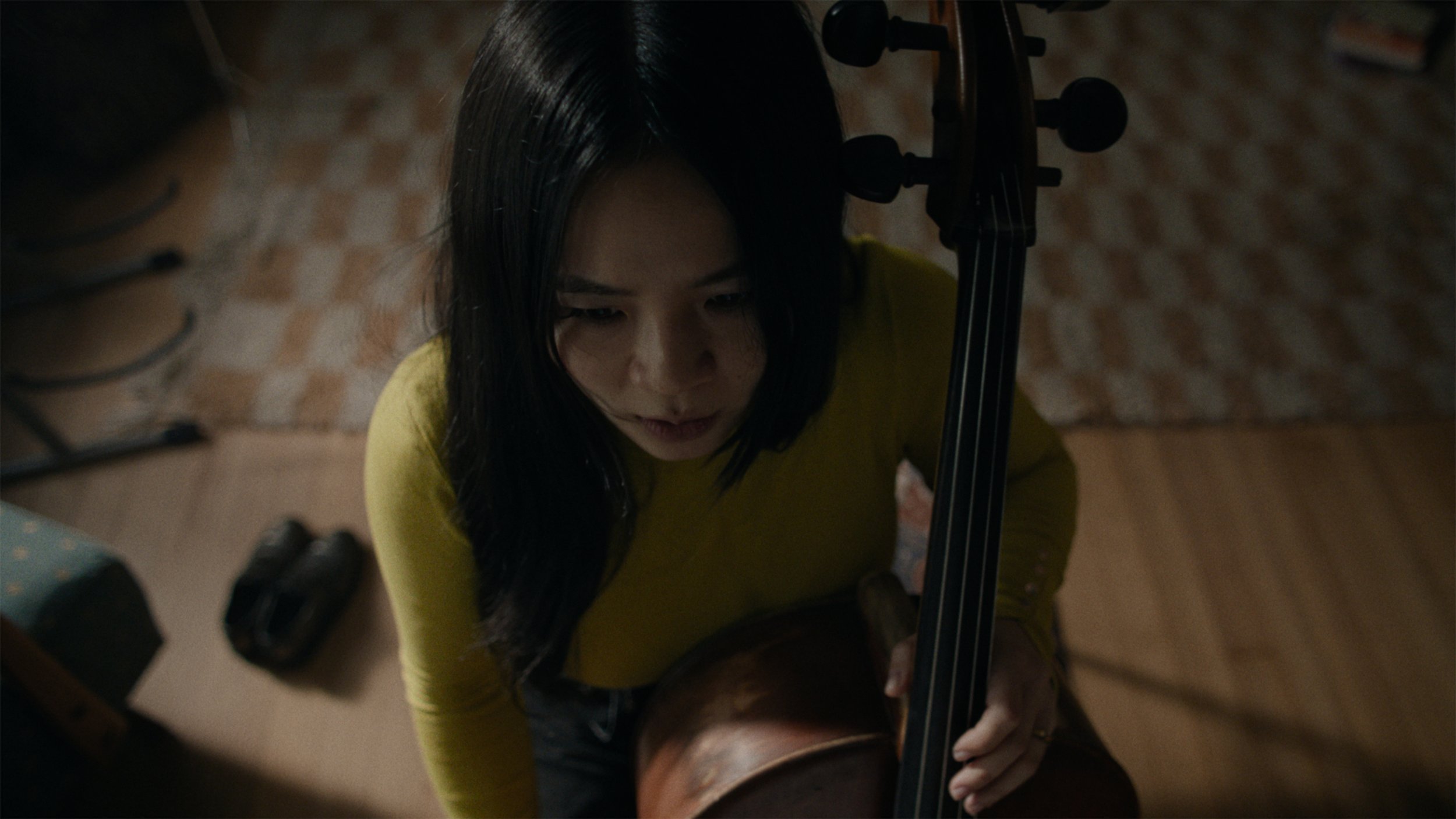
Just when the film settles into a rhythm, it pivots. The second chapter shifts focus to uncles and nephews and connects back to the opening in a way that slowly starts to reveal what this story is actually about. Without spoiling anything, this section digs directly into the history of the land and the real-world trauma buried underneath it. It starts calmly and almost feels deceptively gentle before spiraling into something deeply disturbing. What makes it so frightening is not the supernatural, but the reminder that humans have always been capable of horrors far worse than any monster.
This chapter is genuinely hard to watch. It is tragic, brutal, and emotionally exhausting in the best way. The depiction of historical violence is handled with weight and care, and the period-set raid is devastating. The editing during those moments is incredible, cutting together chaos and terror in a way that makes it impossible to disengage.
Jimmy O. Yang delivers a standout performance here, showing a level of dramatic depth that many people may not associate with him. Benedict Wong is just as strong, playing a role that feels different from what we normally see from him. There is real chemistry within the family, and you feel the fear, sadness, and love in every scene. Anchored by powerful performances and unflinching subject matter, this segment stands as arguably the strongest part of the film.
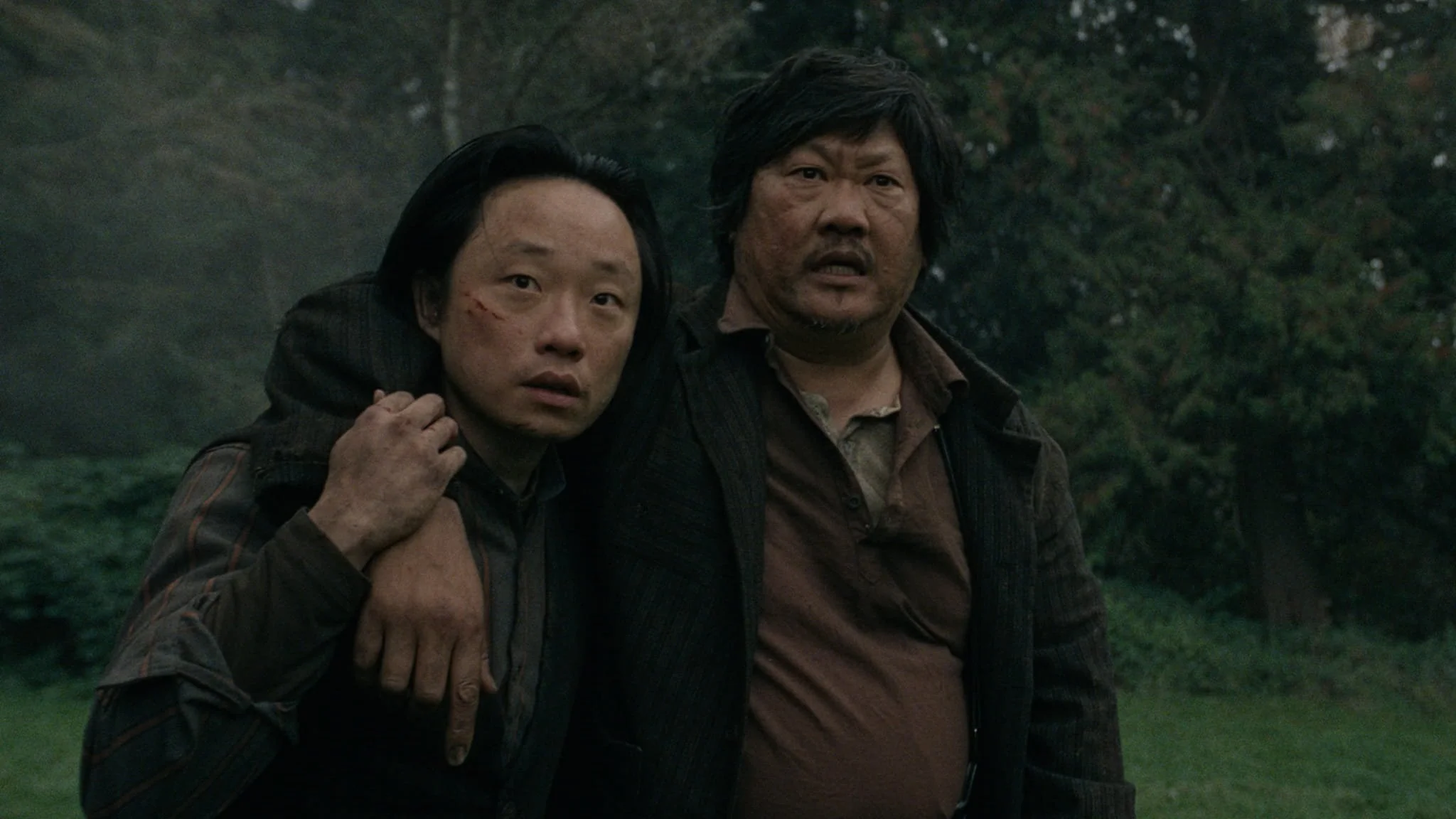
The third chapter circles back to the present and reframes much of what came before through the mother’s perspective, specifically her unresolved grief over the death of her husband. In many ways, it feels like a rehash of the opening chapter, but that familiarity becomes purposeful. We are now seeing the haunting from a different emotional angle, and it changes everything.
Kelly Marie Tran is phenomenal here. This is the kind of role she was clearly meant to play. She feels completely at home leaning into grief and horror, and it is striking to see a range that blockbuster franchises never really allowed her to show. As the music grows more chaotic, so do the scares. The afterlife world Miao creates is genuinely unsettling, like another planet formed entirely out of nightmares. It is imaginative, ugly, and fascinating all at once.
Eventually, all of the grief, history, and trauma that have been building throughout the film collide into something monstrous. A literal manifestation of pain takes shape, leading to moments of wild body horror that are shocking without overstaying their welcome. The flashes are brief, just long enough to make you feel uncomfortable and disoriented. Some of it recalls films like Society or The Substance, where the horror feels physical and wrong in ways that are hard to shake.
When all three chapters finally converge, it is strange and slightly out of left field, but it works. Questions are answered, though not neatly, and the film is better for those uneasy resolutions. This is a movie where nothing is accidental. Everything is placed deliberately, and it rewards close attention.
Rock Springs is not a traditional ghost story. It is something more personal and more challenging. At times, it feels like Hayao Miyazaki filtered through nightmare logic, as if My Neighbor Totoro collided headfirst with The Babadook. It also strongly reminded me of the game Yomawari, where a child explores a town twisted by trauma, evading monsters while searching for lost family. That same feeling of loneliness and dread hangs over this film.
As a parent, I expected to be more emotionally destroyed than I was. The film is intentionally weird and stylized, and at times, that distance kept me from fully connecting. Still, I admired it immensely. I found myself thinking about it long after the screening, especially how it takes a real historical tragedy and builds something deeply haunting around it.
The creature work is exceptional and would absolutely make Guillermo del Toro proud. The performances from Kelly Marie Tran, Benedict Wong, and Jimmy O. Yang are all strong, with Yang delivering particularly impressive range. For a first feature, Rock Springs is ambitious, occasionally disjointed, educational, sad, and undeniably effective.
It may not be for everyone, and it certainly was not my favorite film of SXSW, but if you stick with it even when it feels unfamiliar or uncomfortable, the payoff is real. This is the kind of horror that lingers quietly and gives you something to think about during the drive home.
Jessie Hobson