
I've been a fan of Steve Oram ever since Sightseers. His knack for balancing humor, discomfort, and genuine humanity made him one of the most compelling screen presences working in independent film. So when the opportunity came to sit down and discuss Simon Rumley's Crushed, it was an easy yes. What followed was not only an insightful conversation about one of the year's most challenging films, but also a genuinely enjoyable one.
Crushed finds Oram stepping into dramatically different territory as Daniel, an English vicar living in Bangkok, whose faith and morality are put to the ultimate test after his daughter is abducted. Directed by Simon Rumley, the film explores themes of revenge, forgiveness, faith, and humanity's capacity for cruelty, delivering a tense and emotionally exhausting experience that has left many festival audiences shaken.
For Oram, understanding Daniel started with research. Because he does not come from a religious background himself, he immersed himself in Bangkok's expatriate church communities, studying not only the culture surrounding them but also the music and hymns that help define Daniel's worldview. As he explained, he spent time learning the songs performed in the film and found that "thinking about the words and thinking about what he was saying" became an important entry point into the character. He also wanted Daniel to feel authentic and unassuming, describing him as "a very ordinary, unpretentious" man who is "utterly devoted to his faith and to his family."
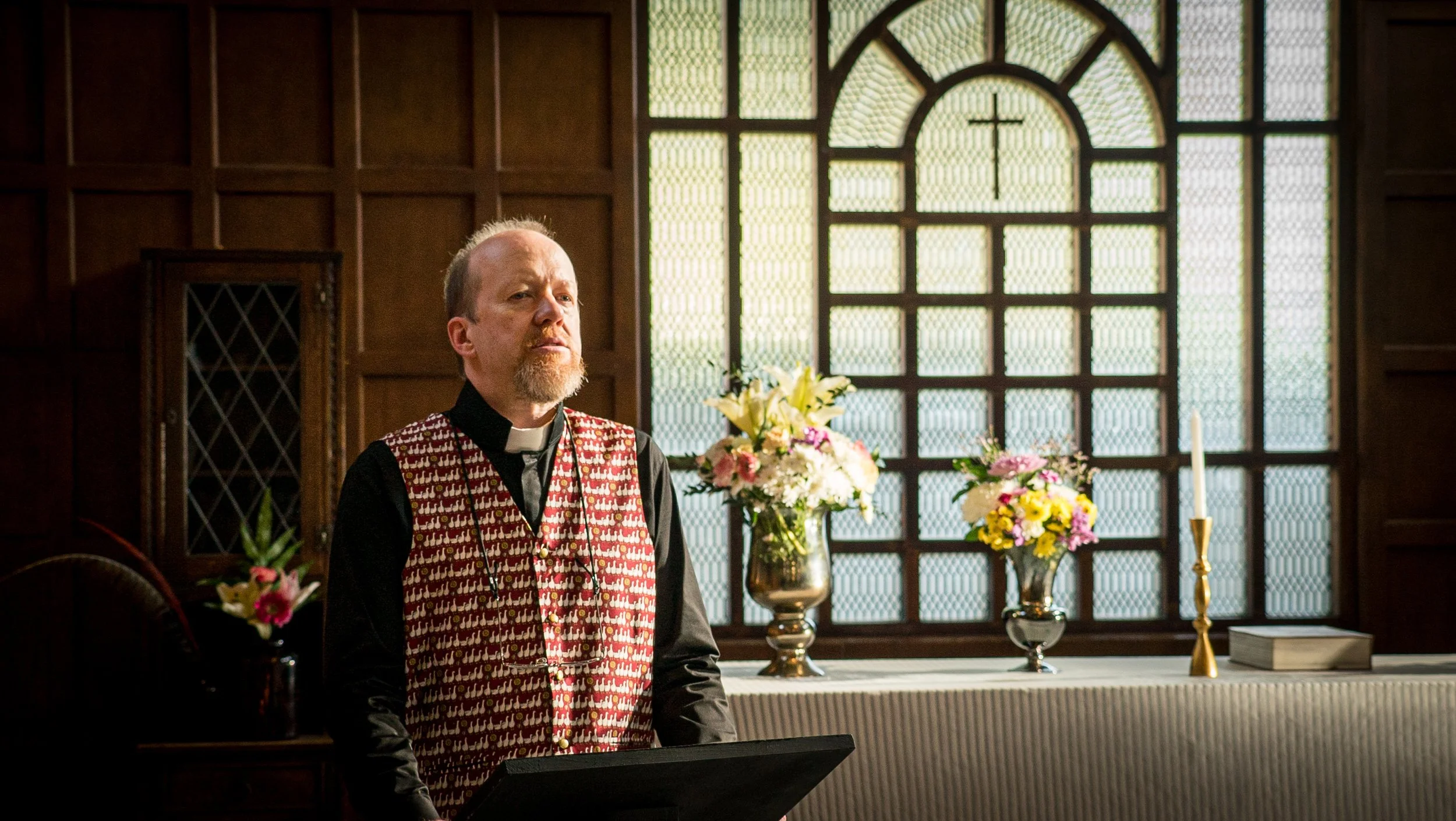
That commitment to portraying Daniel as a genuinely kind person gives the film much of its power. Rather than presenting a larger-than-life protagonist, Oram and Rumley created someone whose normalcy makes his descent into impossible moral territory all the more unsettling. Oram told me that many of the conversations he had with Rumley revolved around finding Daniel's warmth and sense of humor before tragedy strikes. Together they adjusted dialogue and added small touches that highlighted the character's sweetness, helping establish a man audiences could easily recognize in their own communities.
One of the reasons Crushed resonates so strongly is its refusal to offer easy answers. Rumley has long been interested in placing audiences in uncomfortable moral situations, and Oram was drawn to precisely that aspect of the project. He described Daniel as someone living in a carefully ordered world until a catastrophic event shatters every assumption he has about himself and humanity. What interested him most was watching a person forced to question "not just his faith, but his own morality, his own humanity, really."
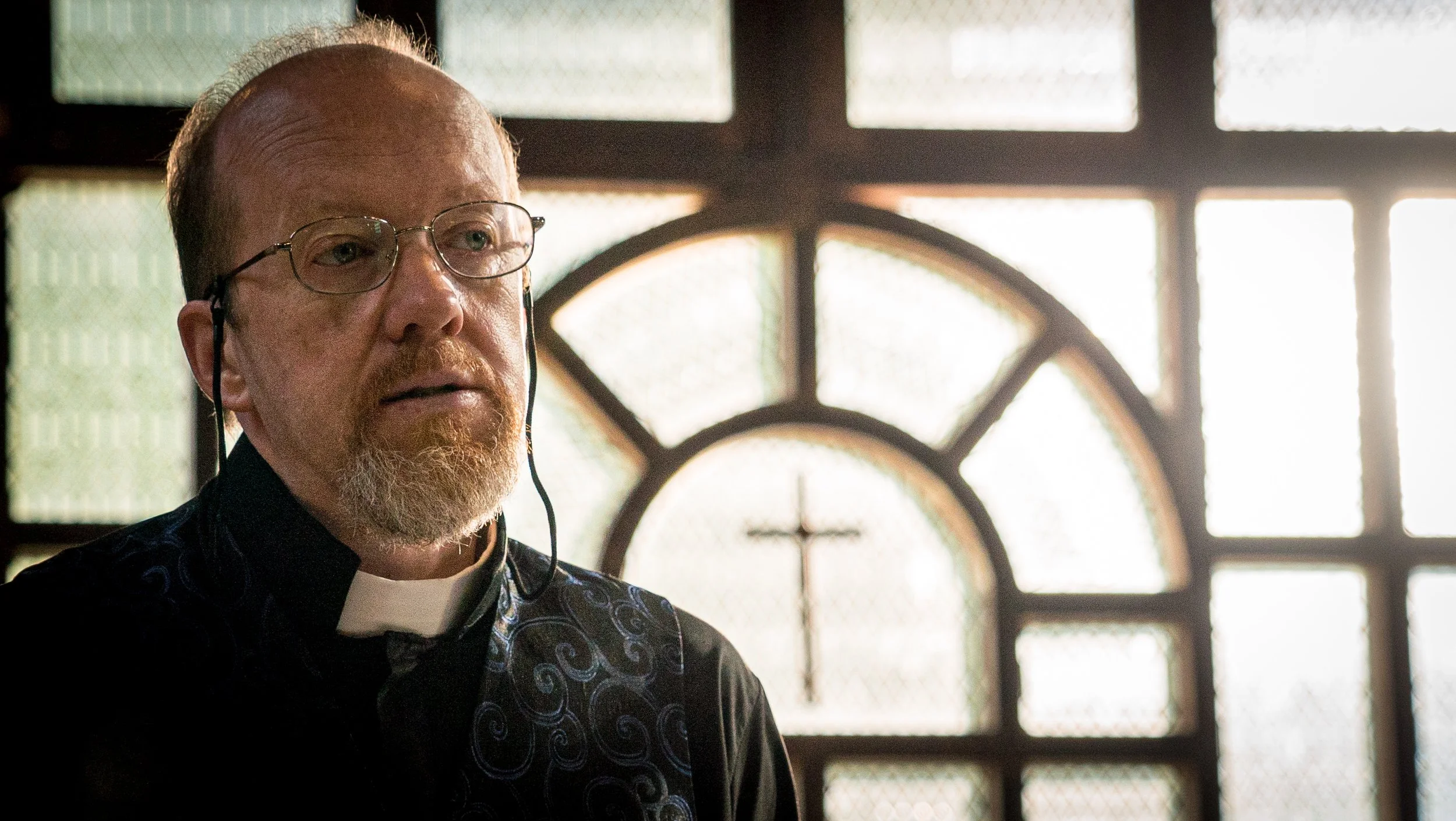
That exploration of the human condition is what elevates Crushed beyond a simple thriller. Throughout our conversation, Oram repeatedly returned to the ways people construct narratives about themselves and society. We like to believe we are civilized and moral, but Crushed asks what remains when everything we love is suddenly threatened. The questions hanging over Daniel's journey are uncomfortable because they feel so plausible.
What impressed me most about Oram's performance is how restrained it is. Audiences familiar with his work in Sightseers or other dark comedies may be surprised by how much he accomplishes through silence and subtlety. Yet Oram views those projects as less different than they may initially appear. While Sightseers contained overt comedic elements, he still considers it a serious film grounded in truthful characters. He explained that he has always been most interested in work that exists between genres, finding himself particularly comfortable in stories that combine comedy, drama, horror, and emotional realism.
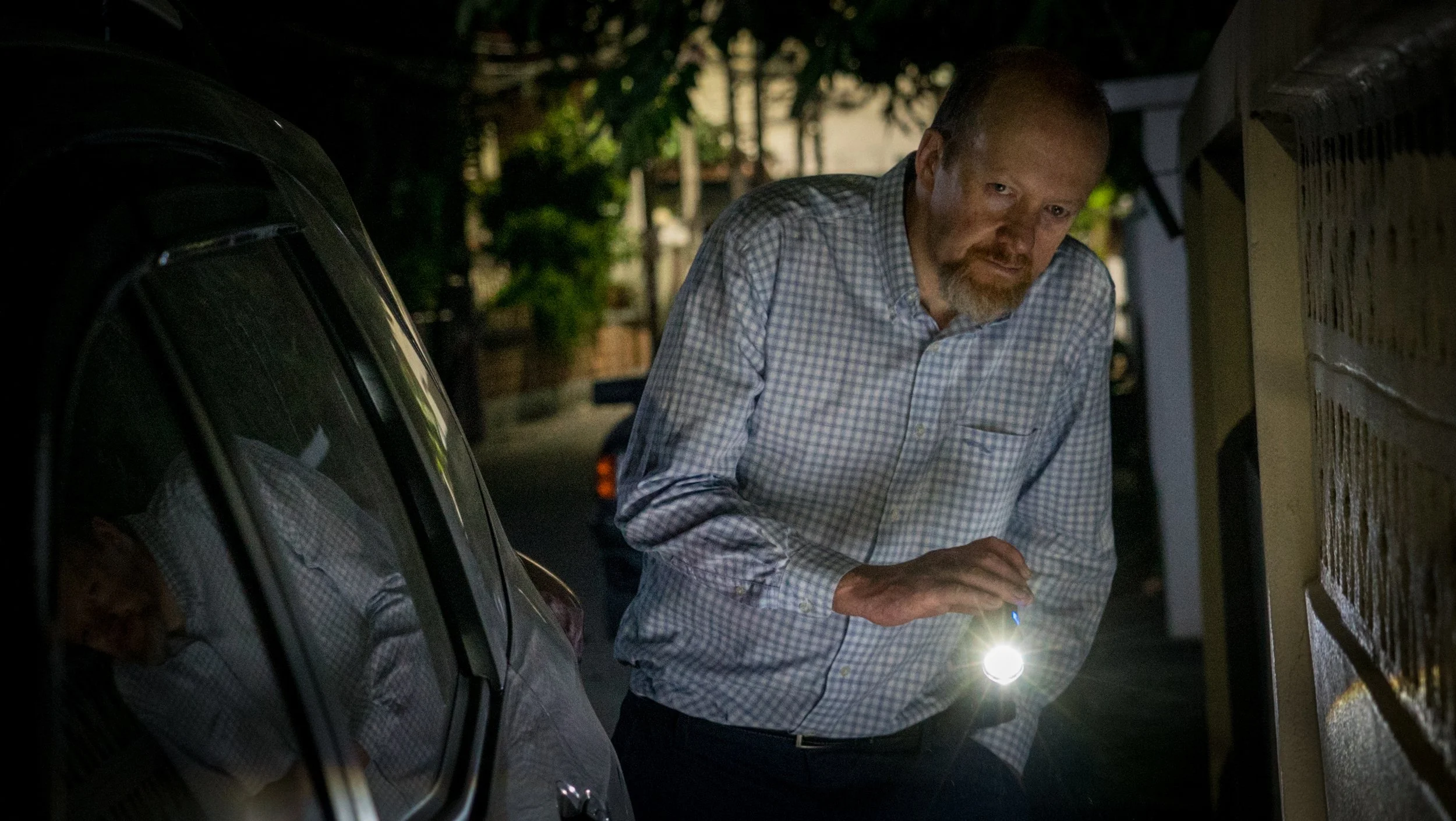
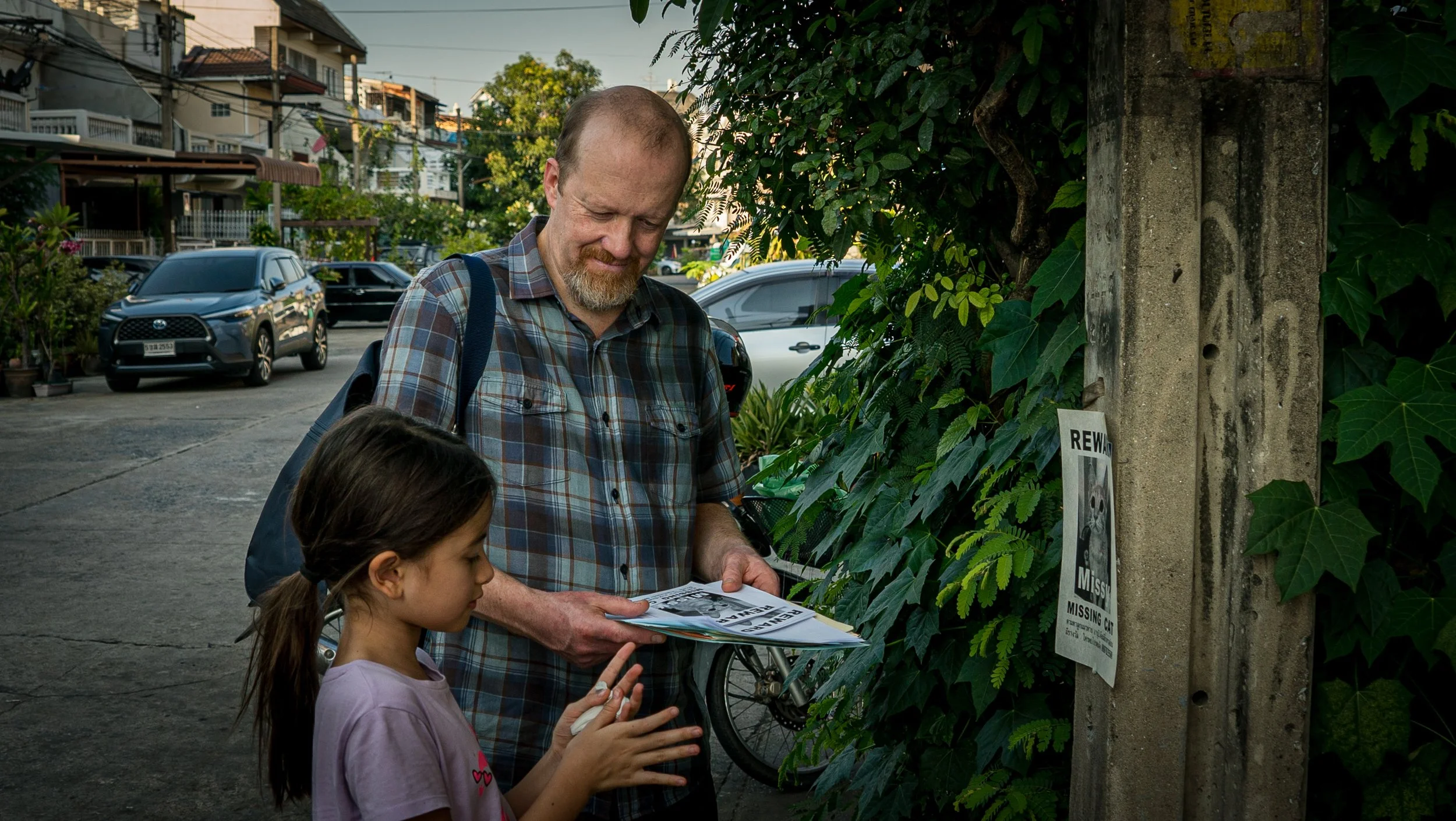
The setting also plays a critical role in the film's effectiveness. Shot entirely in Thailand, Crushed captures a sense of disorientation that mirrors Daniel's emotional state. Oram recalled feeling like a "fish out of water" during production, surrounded by unfamiliar language, culture, and environments. That sense of alienation ultimately benefited the performance, helping him connect with Daniel's vulnerability as events spiral out of control.
Even after more than a year, the film continues to stay with him. Reflecting on seeing it for the first time at Edinburgh, Oram described the experience as intense and unsettling, praising the precision of Rumley's filmmaking. Watching the finished product, he was struck by its carefully controlled sense of dread, calling it "so controlled and beautifully done" and admitting that it is something he "won't ever forget."
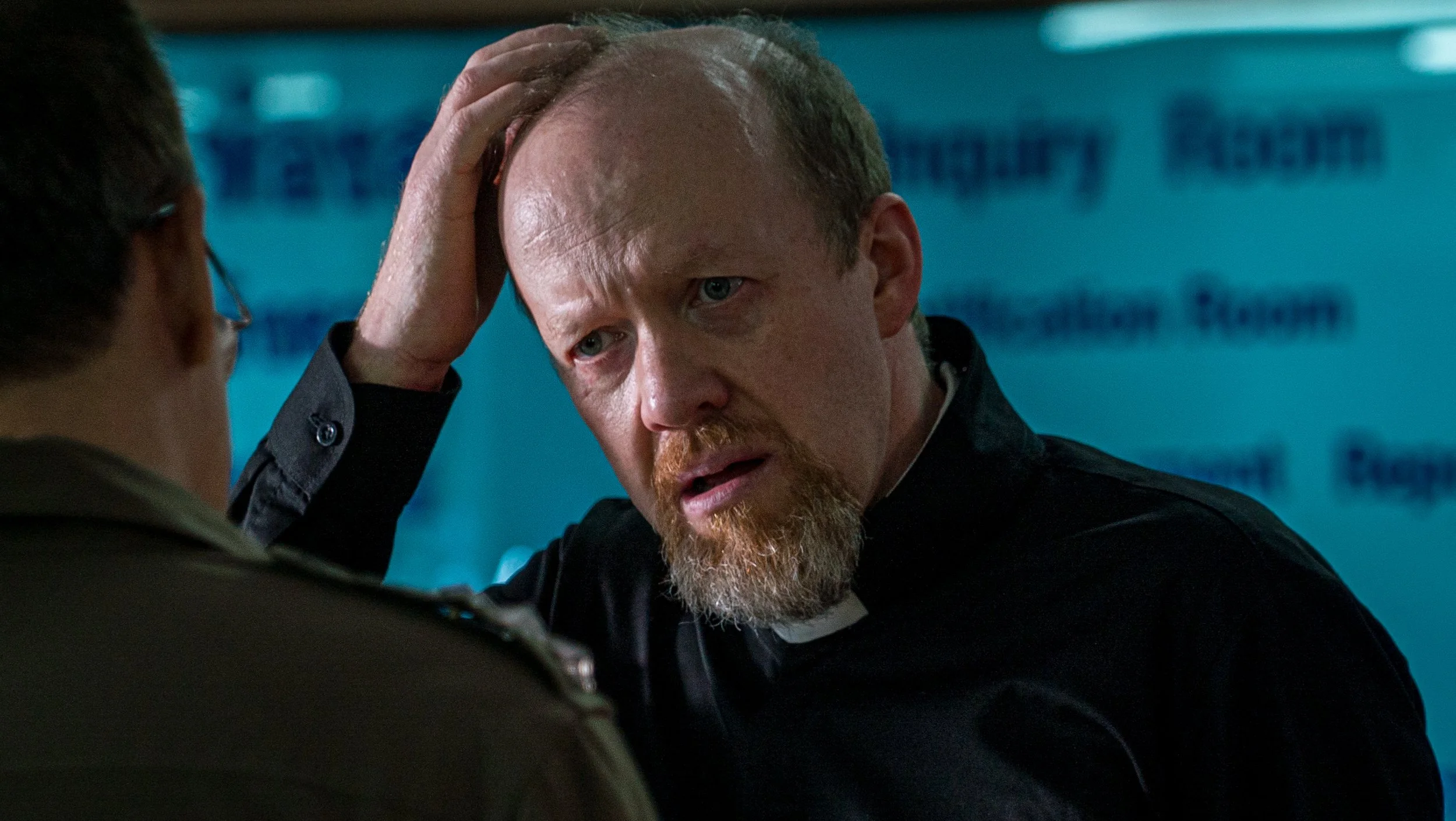
Perhaps the most fascinating part of our discussion centered on the film's moral questions. When I asked what conversations he hopes audiences have after the credits roll, Oram immediately pointed to the debate surrounding justice and revenge. The film constantly asks what someone would do if faced with an unimaginable tragedy, and Oram believes many viewers may discover uncomfortable truths about themselves while considering that question. As he put it, when something of that magnitude happens, "you become a primal being." Everything else disappears, and you are left confronting who you really are.
For an actor whose career has moved comfortably between comedy, horror, drama, and filmmaking, Crushed represents another example of his willingness to seek out challenging material. Oram told me that what matters most is finding projects that are interesting, that have something meaningful to say, and that allow him to explore compelling characters. Those are often the qualities he finds in independent cinema, particularly lower-budget productions where filmmakers are given the freedom to pursue ideas without compromise.
That creative curiosity is part of what has made Oram's career so consistently rewarding to follow. Whether he is making audiences laugh, cringe, or sit in stunned silence, there is always a sense that he is searching for something honest within his characters.
Crushed may be one of his darkest projects to date, but it is also among his most thoughtful. Anchored by a deeply human performance from Oram and guided by Rumley's uncompromising vision, the film challenges viewers to examine faith, justice, and the uncomfortable realities of human nature. It is not an easy watch, nor does it aspire to be. Instead, it is the kind of film that lingers long after the credits end, which is exactly why it is worth experiencing. And after speaking with Steve Oram, it's clear that the questions raised by Crushed continue to linger with him as well.
Jessie Hobson