
Dead Eyes was easily one of my most anticipated films heading into SXSW. As a lifelong horror fan, anything promising grief, identity, and body horror already has my attention, but Dead Eyes felt different almost immediately. This was not just another gimmick-driven POV horror movie. It was trying to put you inside something deeply uncomfortable and deeply human.
Sitting down with director Richard E. Williams alongside Ana Thu Nguyen, Mischa Heywood, and Rijen Laine only reinforced that feeling. Every part of Dead Eyes, from its first-person perspective to its most gruesome moments, was built around an emotional core that Williams never wanted to lose sight of.
For Williams, the conversation always came back to reality. He explained that if you are going to make a horror movie and lean into body horror and outrageous gore, it has to come from somewhere real. Nothing, in his words, is scarier than the loss of someone you love. That foundation was essential, because once you ground a story in something already horrifying, everything else can spiral naturally from there.
That grounding became especially important given Dead Eyes’ POV structure. The film forces the audience to see the world entirely through Sean’s eyes, never cutting away, never offering relief. Rijen Laine, who voices and embodies Sean throughout the film, spoke about how grief radiates outward, becoming a chain reaction that drags everyone else along with it. You might only literally see Sean’s perspective, but the relationships around him give that grief shape and weight, whether it is with Grace, Lilly, or the rest of the group.
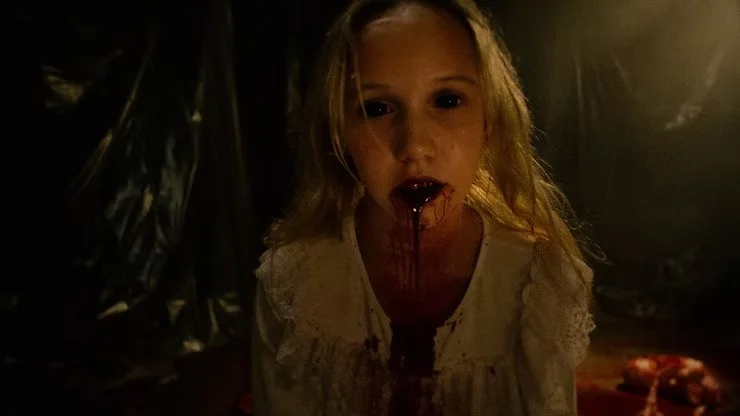
Ana Thu Nguyen’s Grace is central to making that work. Because we never see Sean, Grace becomes the emotional anchor for the audience. Nguyen described her role as being there to support Sean through his grief while also recognizing how deeply it is damaging their relationship. Grace is constantly reacting, constantly asking why Sean seems so frazzled, why he keeps pulling away, and why he cannot face what is happening. Through her, the audience can see just how fractured he really is.
Nguyen also reflected on what stayed with her after living inside that dynamic. For her, Dead Eyes reinforced the importance of support systems and how dangerous it can be to face trauma without them. Grace tries to hold Sean together, to push him forward, and even when those efforts lead him somewhere dark, they come from a place of care. It is a reminder of how vital it is to not be alone when dealing with loss.
Mischa Heywood’s perspective added another layer. She talked about how grief branches out depending on who you are and how you cope. Some moments in Dead Eyes allow room for levity and humor, because people are funny even in horrifying situations. It becomes a question of when to keep things grounded and when to let that nervous energy surface. That balance was important to everyone involved, especially because horror has a way of magnifying emotional truth when done right.
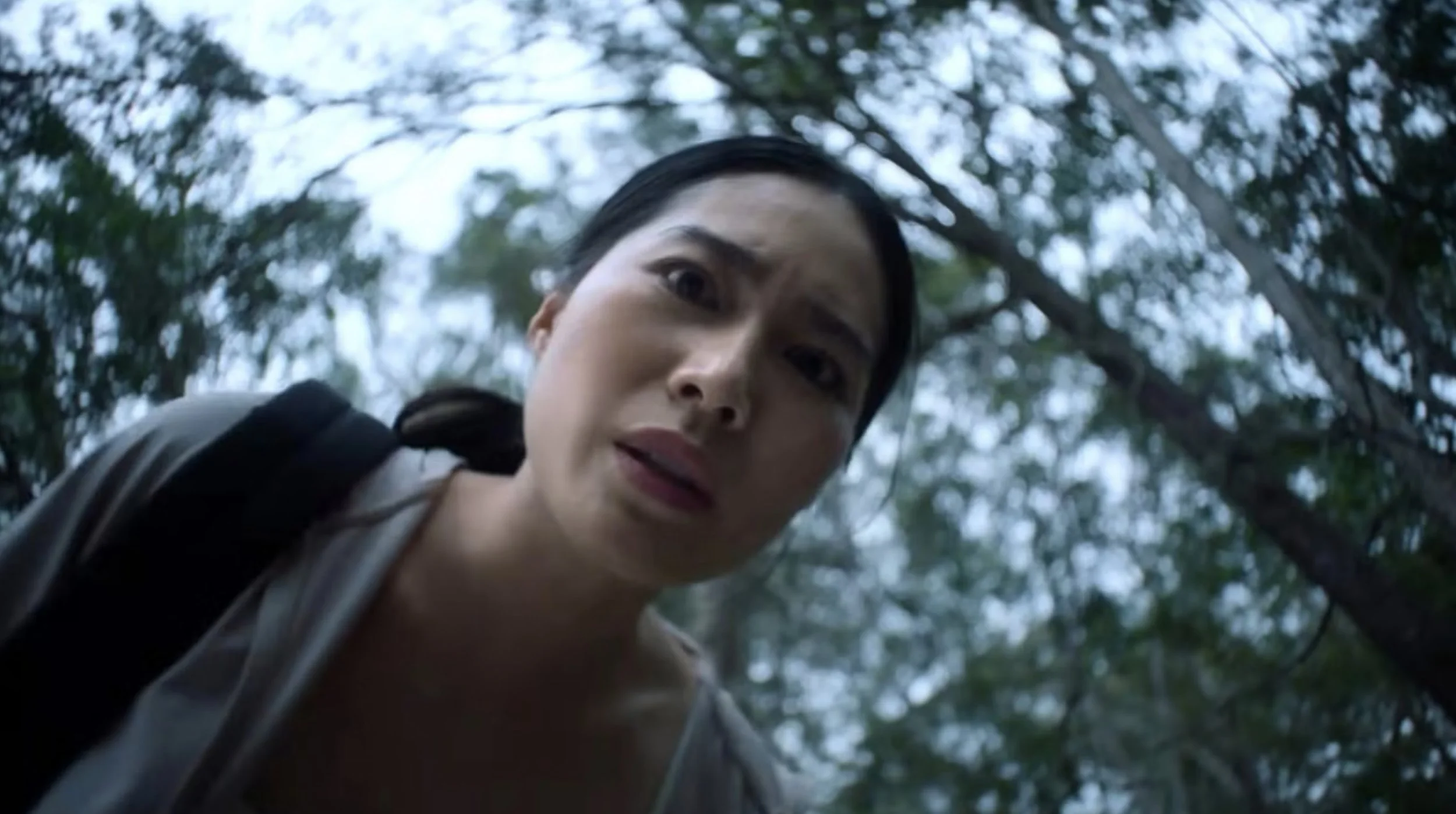
Heywood also emphasized how unique Australian horror feels compared to its American counterpart. There is something raw and unfiltered about it, and Dead Eyes leans into the idea that Australia itself can feel terrifying. Rather than shaping the film for international appeal, the team focused on being Australian, telling the story honestly, and letting that authenticity carry through.
The technical demands of the POV format were intense. Williams described the camera setup as a kind of controlled chaos, with multiple people physically representing Sean at all times. There was the camera operator wearing the helmet, another crew member carrying the camera’s body, Laine delivering dialogue as Sean, boom operators dodging out of frame, and the rest of the crew hiding wherever they could. All of this happened during extended takes that sometimes ran six to eight minutes long.
For the actors, it required an extraordinary amount of trust. Heywood compared the experience to filmed theater, where one mistake meant resetting the entire take. Nguyen talked about performing intimate scenes with a massive camera rig inches from her face, while Laine delivered lines from outside the room, forcing her to divide her focus between the lens and the voice of a character she could not see. It was awkward, exhausting, and ultimately incredibly rewarding.

Laine also shared how the story resonated with him personally, particularly the idea of mourning someone who is still alive. Sean is grieving his sister, but he is also grieving the loss of his father in a different way. That emotional complexity made the experience stick with him long after filming wrapped.
By the end of the conversation, it was clear that Dead Eyes is not a straightforward horror film. It is immersive, mean, emotional, and deeply personal. Williams summed it up best when he compared it to a first-person horror video game. Except this time, you do not get to put the controller down. You are stuck inside it.
As hyped as I already was for Dead Eyes going into SXSW, seeing how openly this cast and crew talked about grief, trust, and the madness of pulling something like this off only made the film hit harder. Ana Thu Nguyen, coming off Mortal Kombat 2, Mischa Heywood fresh from Bring Her Back, and Rijen Laine anchoring the entire experience through voice and presence, all feel like they are right on the edge of something big.
Dead Eyes does not just want to scare you. It wants you to feel trapped, uncomfortable, and emotionally exposed. And judging by the passion behind it, that was always the point.
Jessie Hobson