One of the most fascinating aspects of Obsession is how deeply family is woven into its DNA. While audiences have become captivated by the mystery of the One Wish Willow and the film's layered storytelling, many may not realize that one of the movie's most iconic creations came from the hands of Amy Evans-Vega, a graphic designer, illustrator, mother of writer-director Curry Barker, and one of the earliest creative collaborators on the project.
As the designer behind the now-famous One Wish Willow packaging, Amy helped create a prop that has become every bit as memorable as the film itself. The box is instantly recognizable, equal parts nostalgic and unsettling, like something pulled from a forgotten novelty shop that somehow feels both familiar and wrong. What began as a simple collaboration between mother and son eventually grew into one of the most discussed and sought-after horror props in recent memory.
Speaking with Amy was one of the most enjoyable conversations I've had surrounding Obsession. Her passion for art is immediately apparent, but what stood out even more was how openly she spoke about creativity, family, and the joy of seeing her children pursue their dreams. There was a warmth to the conversation that felt remarkably sincere, and it quickly became clear that the supportive and collaborative spirit surrounding Obsession starts at home.
The creation of the One Wish Willow itself was far from straightforward. Amy revealed that the earliest designs looked nothing like the version audiences know today. "It was completely different," she explained, recalling how early concepts leaned heavily into brighter yellows, blues, and even pinks before realizing the design felt "too happy" and lacked the feeling they were searching for. Eventually, she and Curry scrapped the concept entirely and started over, simplifying the design and embracing the muted red tones that became central to the final look.
That pursuit of perfection became a recurring theme throughout our discussion. Amy laughed while remembering the countless hours spent adjusting colors, testing materials, and refining details, describing how she and Curry examined "every shade of red you can imagine." Working with a limited budget meant finding creative solutions, but she emphasized that no detail was considered too small. Paper stock, aging techniques, color matching, and texture were all carefully considered. As she put it, Curry is "such a perfectionist" with an unusually clear vision, and one of her strengths as a collaborator is that she has learned how to "speak Curry" and translate those ideas into reality.
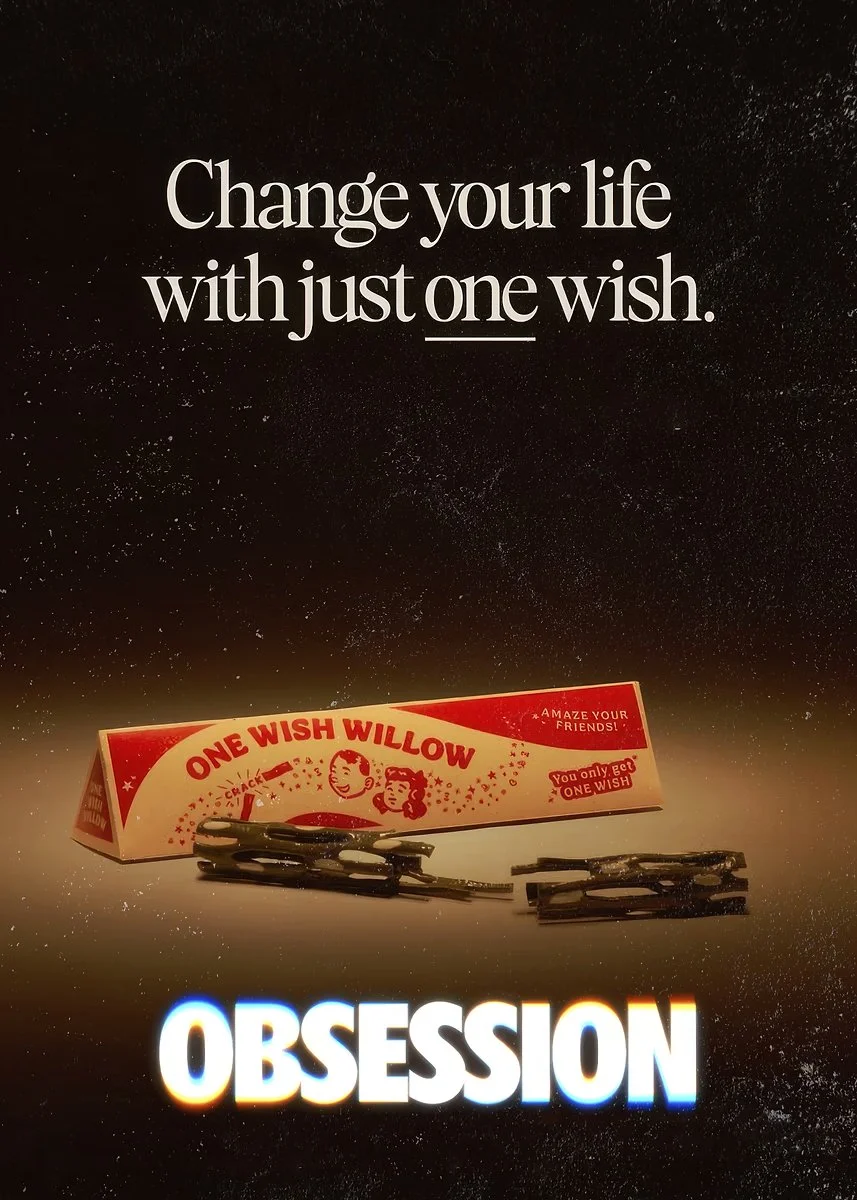
Perhaps the most surprising revelation involved the famous triangular box itself. Fans may assume the design emerged from extensive concept work, but Amy shared that the breakthrough came from somewhere much more unexpected. After struggling to determine what was missing from the box design, the answer arrived in the form of a Toblerone package carried upstairs by Curry's younger brother, Dorian. The distinctive shape immediately clicked. Amy recalled looking at Curry and instantly realizing, "That's it." The box was redesigned, and in her words, "It's done. It's done."
That attention to detail extends beyond the overall package design. Throughout the interview, Amy offered fascinating insight into some of the smaller elements hidden throughout the artwork. The strange spiral instructions, the fictional company branding, and the assortment of symbols scattered across the packaging all serve a purpose. Many of those symbols have personal significance, reflecting her lifelong interests and artistic influences. One detail that particularly caught my attention involved the Eye of Ra hidden within the design. Amy noted that unlike the other decorative elements that rotate and shift positions, the Eye of Ra remains fixed, serving as a subtle nod toward themes of chaos and destruction. Remarkably, she admitted she had yet to see fans fully unravel that specific clue.
For someone who spent months carefully building these details into the design, Amy has thoroughly enjoyed watching audiences dissect every inch of the One Wish Willow. In fact, she views those conversations as one of the greatest compliments an artist can receive. Reflecting on discussions among fans, she explained that truly successful art sparks conversations and allows people to bring their own experiences and interpretations to what they're seeing. From her perspective, that same principle helps explain the success of Obsession itself. As Amy observed, the film resonates because it "holds a mirror up to society" and encourages audiences to engage with its themes for days after they’ve seen the film.
Of course, no conversation about the One Wish Willow would be complete without addressing the merchandising phenomenon that followed the film's release. During our discussion, Amy acknowledged the surreal experience of seeing fans recreate the prop through tattoos, nail art, cookies, and countless other tributes. "Never in a million years" did she expect a design she created for a film to inspire such enthusiasm. Seeing homemade recreations delights her, though she also offered thoughtful insight regarding the unauthorized reproductions that have flooded online marketplaces. As an artist, she understands the passion behind fan creations but recognizes the complexities that emerge when others profit directly from someone else's work.

One topic many fans have debated is whether official One Wish Willow props might return in the future. While Amy was candid about not having any inside information regarding additional production runs, she expressed sympathy for collectors who missed out on the originals. In fact, she jokingly suggested that everyone would benefit if they simply let her make and sell them herself. Beneath the humor was a genuine appreciation for fans and a belief that continuing to make the prop available would be beneficial for audiences and the franchise alike. Yet as fascinating as the One Wish Willow story is, the most memorable part of our discussion centered on family.
Throughout the interview, Amy repeatedly returned to the subject of her children and the creative environment that shaped them. When discussing Curry's childhood, she described a young boy who was "born an actor" and relentlessly committed to whatever character had captured his imagination. Whether it was Harry Potter, Spider-Man, or another hero entirely, he immersed himself fully from "dawn till dusk," often joined by his brothers. Watching them create entire worlds through imagination remains one of her fondest memories.
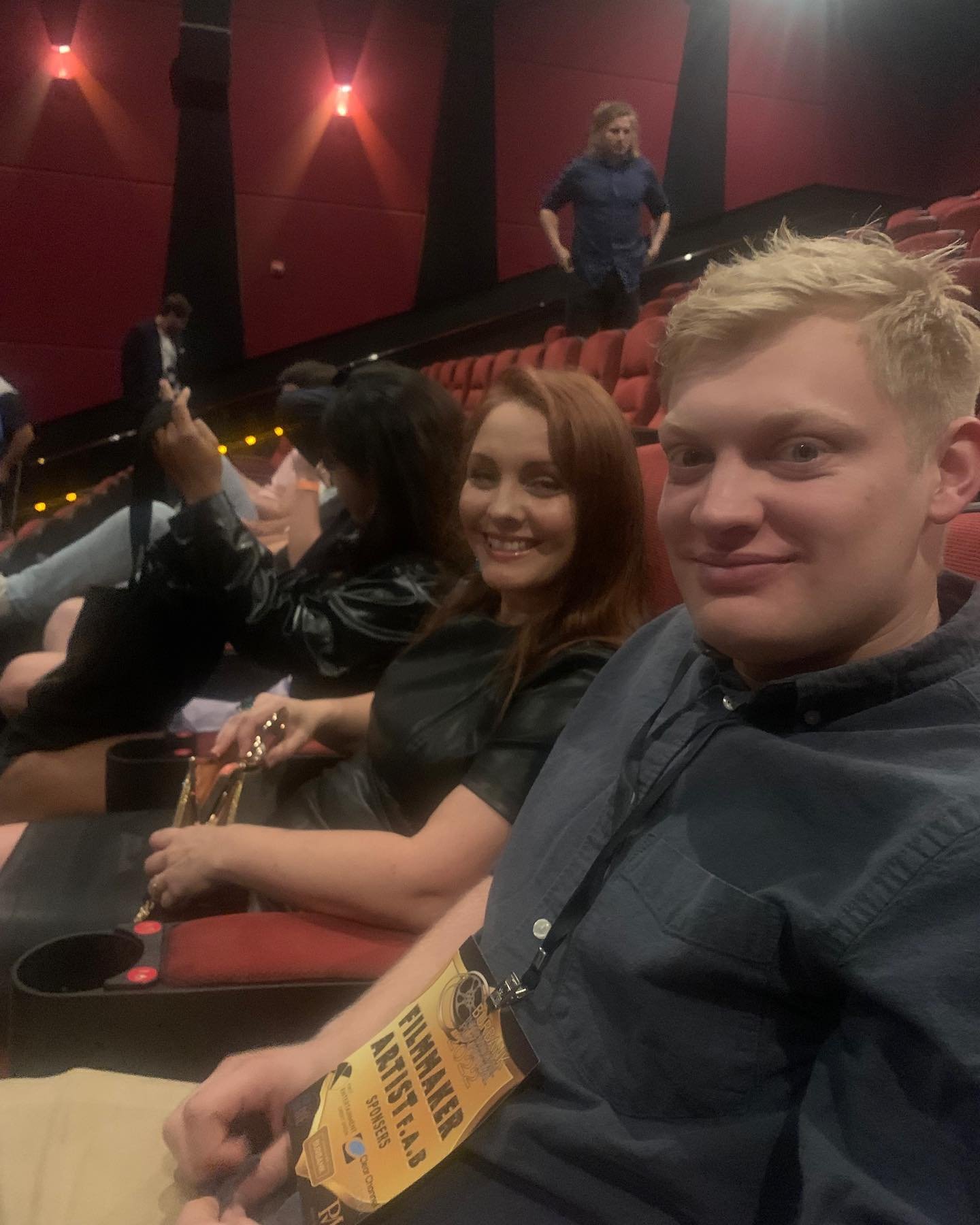
As a parent myself, that part of the conversation resonated deeply. I'm incredibly close with my own mother, and hearing Amy discuss her children with such pride was genuinely moving. There was no talk of celebrity, Hollywood, or success for success's sake. Instead, she spoke from the perspective of a parent who simply wanted her children to pursue what they loved.
That emotional connection was perhaps most evident when she reflected on reading the script for Obsession for the first time. Amy recalled being overwhelmed by the experience, telling Curry through tears, "Do you know what you've created?" She described immediately understanding that the story had something special, even before cameras rolled. Looking back now, after watching the film's extraordinary success, she still speaks about it with the same sense of wonder.
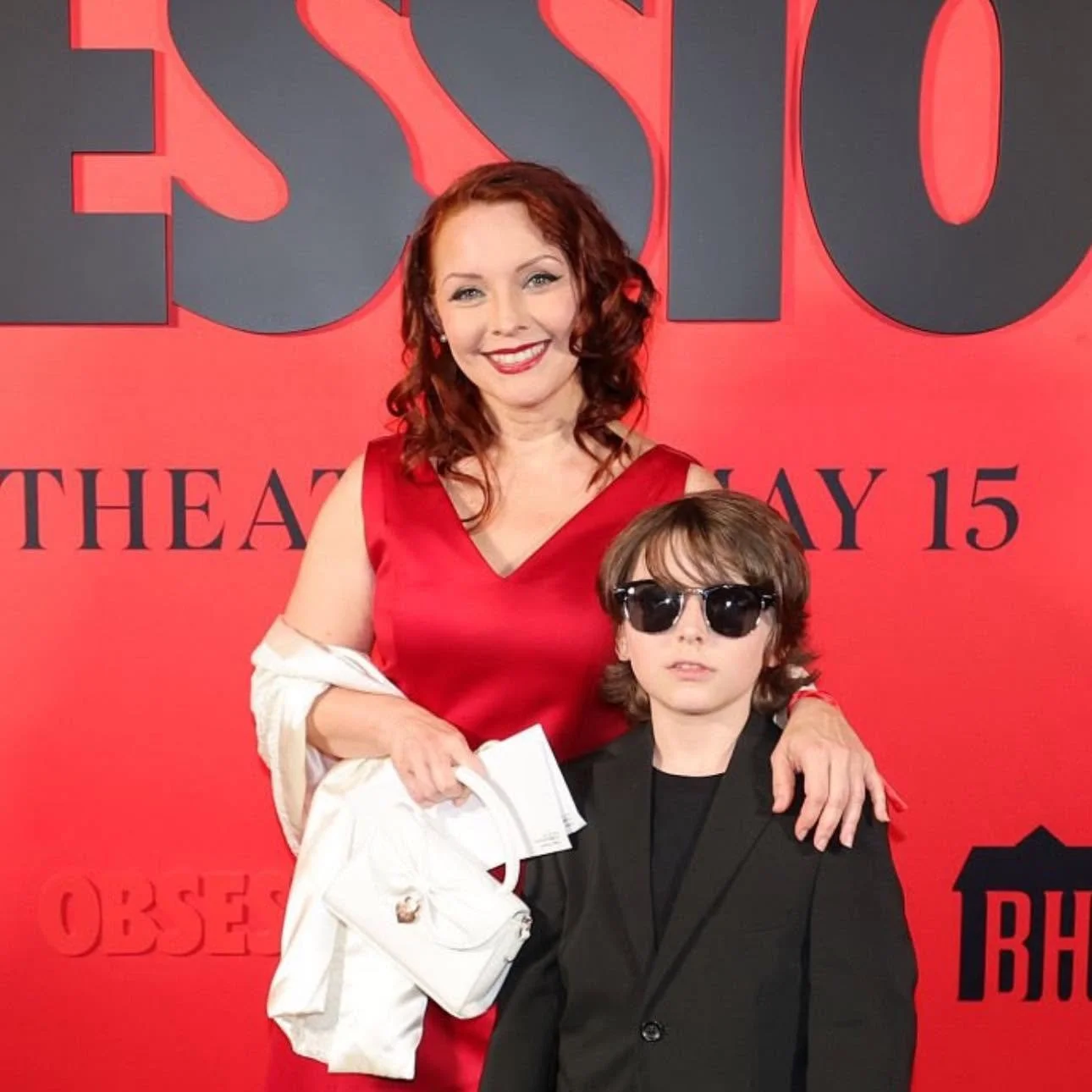
Near the end of our conversation, I asked what it feels like to watch not just one child, but three of her sons continue building careers and working together. Amy struggled to put it into words before landing on the simplest and most honest answer possible: “What else can you ask for? It’s everything you hope for for your kids.” Later, she added, “My dream as any mother is to see her children succeed, for their dreams to come true.” That sentiment captures both Amy Evans-Vega and Obsession remarkably well.
Behind the elaborate mythology, the iconic prop design, and the film's runaway success is a story about family, creativity, and people supporting one another's dreams. The One Wish Willow may have become an iconic horror collectible, but speaking with Amy reminded me that its true origin is much more personal: a mother helping her son bring an idea to life and, in the process, helping create movie magic.
Jessie Hobson