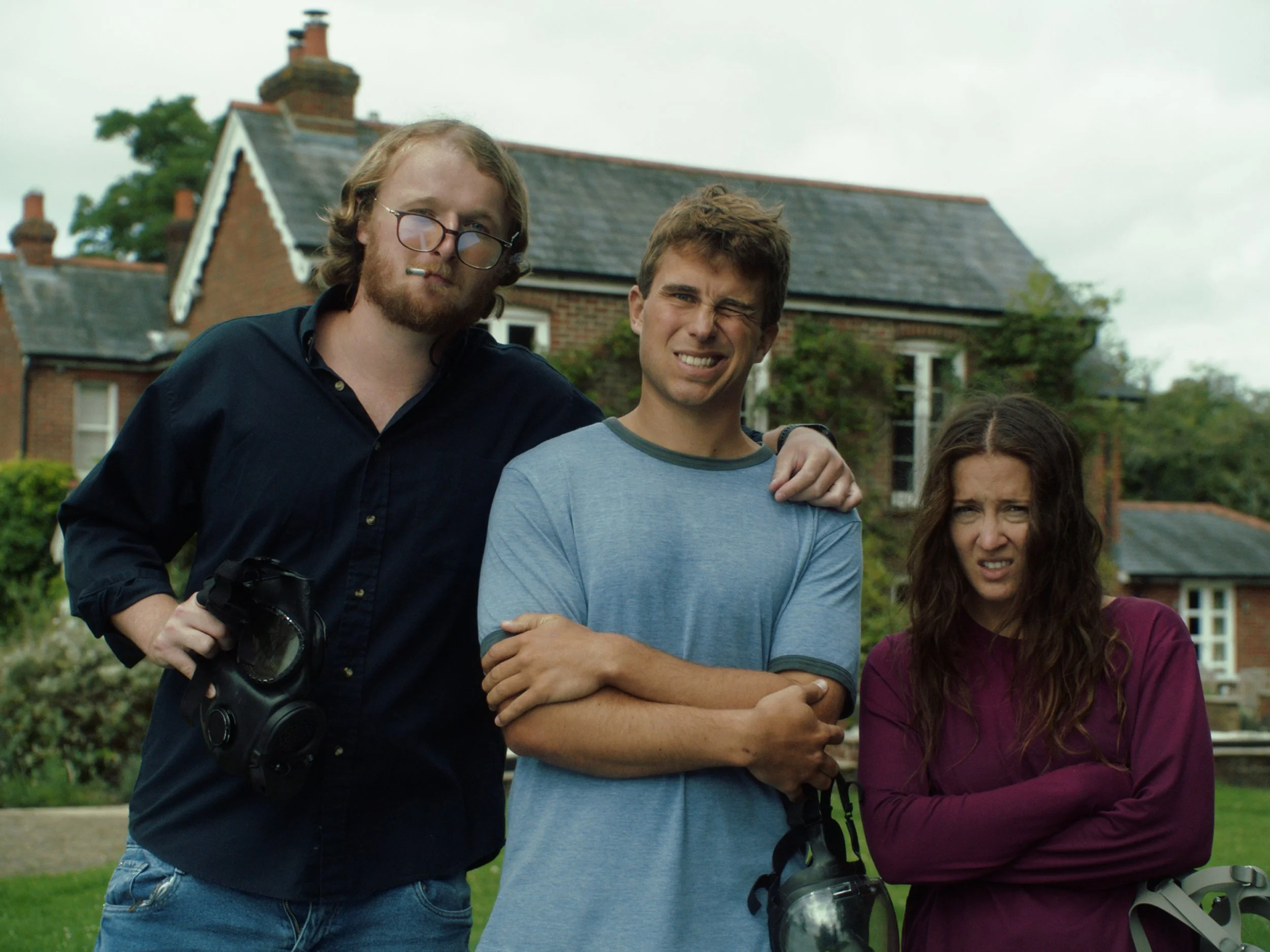
One of the most rewarding parts of Fantastic Fest is discovering films that refuse to fit neatly into a single box, and Littermates is exactly that kind of film. Blending dystopian science fiction, dark comedy, family drama, and coming-of-age storytelling, the feature continually surprises while remaining anchored by the emotional relationship at its center. I recently had the chance to sit down with co-directors Scott Tinkham and Michael Woloson, and much like their film, the conversation was thoughtful, funny, and filled with unexpected turns. I always enjoy speaking with directors bringing new work to Fantastic Fest, and Littermates was no exception. It was an engaging discussion with two filmmakers whose passion for storytelling is evident both on screen and off.
What's particularly fascinating about Littermates is how naturally its various influences and tones coexist. Watching the finished film, it would be easy to assume its unique mixture of genres was meticulously planned from the beginning. According to Tinkham, however, the process was far more organic. Rather than starting with a rigid message or genre framework, he and Woloson spent months writing, rewriting, and reshaping the story until its identity gradually emerged. Looking back on that process, Tinkham explained that after countless revisions, "the script kind of started to tell us what it wanted to be." What began as a project built around practical production limitations eventually evolved into something far more distinctive, with the filmmakers allowing the story to reveal itself rather than forcing it into a predetermined mold.
That willingness to follow the material wherever it led became one of the defining features of the project. Throughout development, the pair frequently abandoned ideas, reworked major story beats, and challenged assumptions about where the narrative was heading. Tinkham described a creative process that constantly sought to stay one step ahead of audience expectations. Rather than treating those shifts as problems, the directors embraced them, finding excitement in the unpredictability. The result is a film that feels remarkably confident despite its willingness to take risks, moving seamlessly between laughter, discomfort, mystery, and genuine emotion.
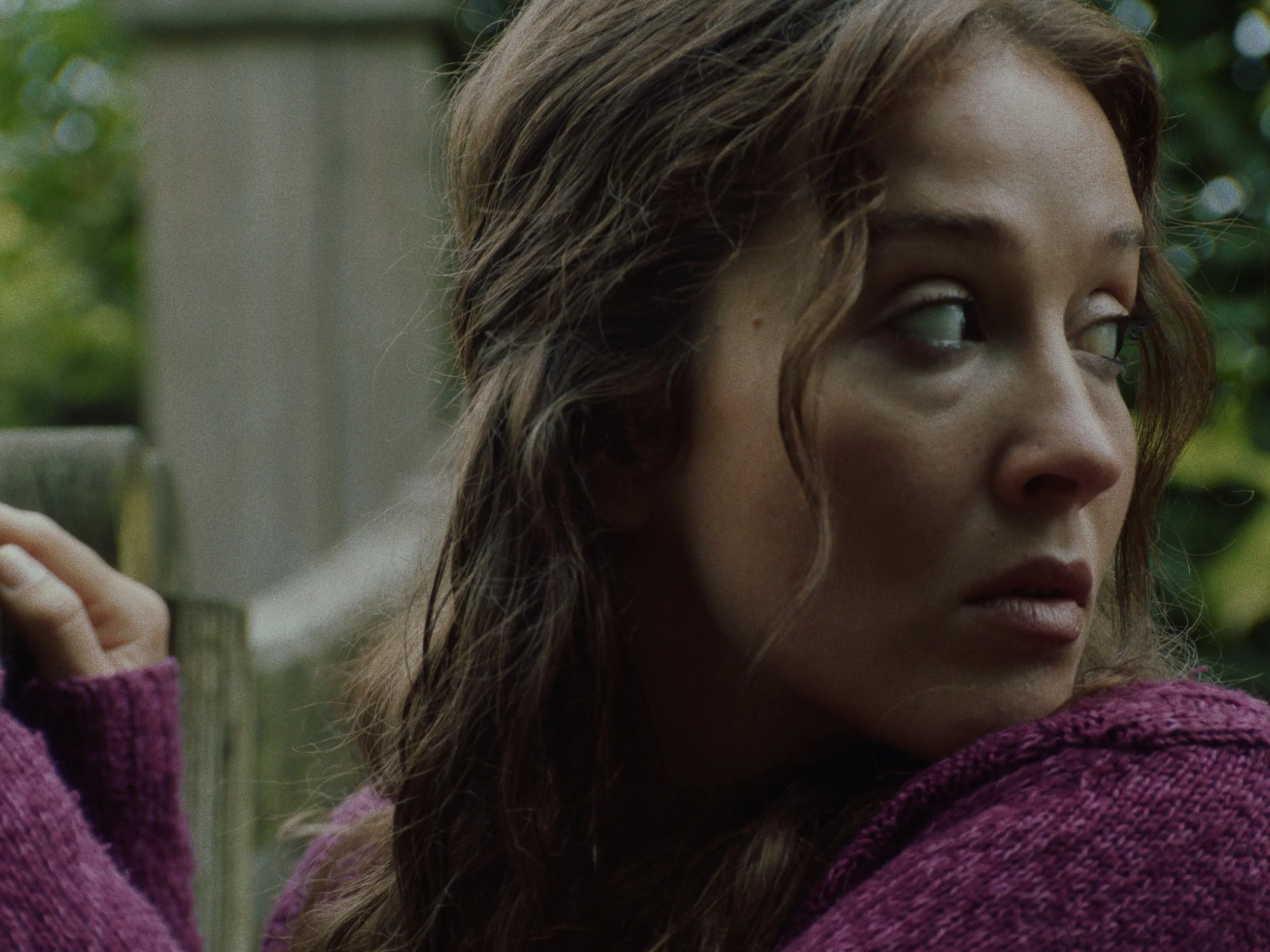
That confidence is perhaps most apparent in the film's embrace of ambiguity. In an era where many genre films feel obligated to explain every detail of their worlds, Littermates trusts viewers to engage with uncertainty. During our conversation, Woloson discussed his appreciation for films that "don't hold the audience's hand," preferring stories that allow viewers to actively connect the pieces themselves rather than having every answer provided. That philosophy became a guiding principle for the filmmakers. Instead of focusing on extensive lore or exhaustive explanations, they concentrated on the emotional conflicts unfolding between the characters. The broader world exists, but it functions primarily as a backdrop for the more intimate struggles taking place at the story's core.
Woloson noted that many of his favorite films respect audiences enough to let them participate in the storytelling process. That trust informs the structure of Littermates and gives the film much of its intrigue. Questions linger, mysteries remain partially unresolved, and viewers are invited to form their own interpretations. Rather than creating frustration, the ambiguity encourages engagement. It asks audiences to lean in rather than sit back, rewarding close attention while still maintaining an emotional accessibility that keeps the story grounded.
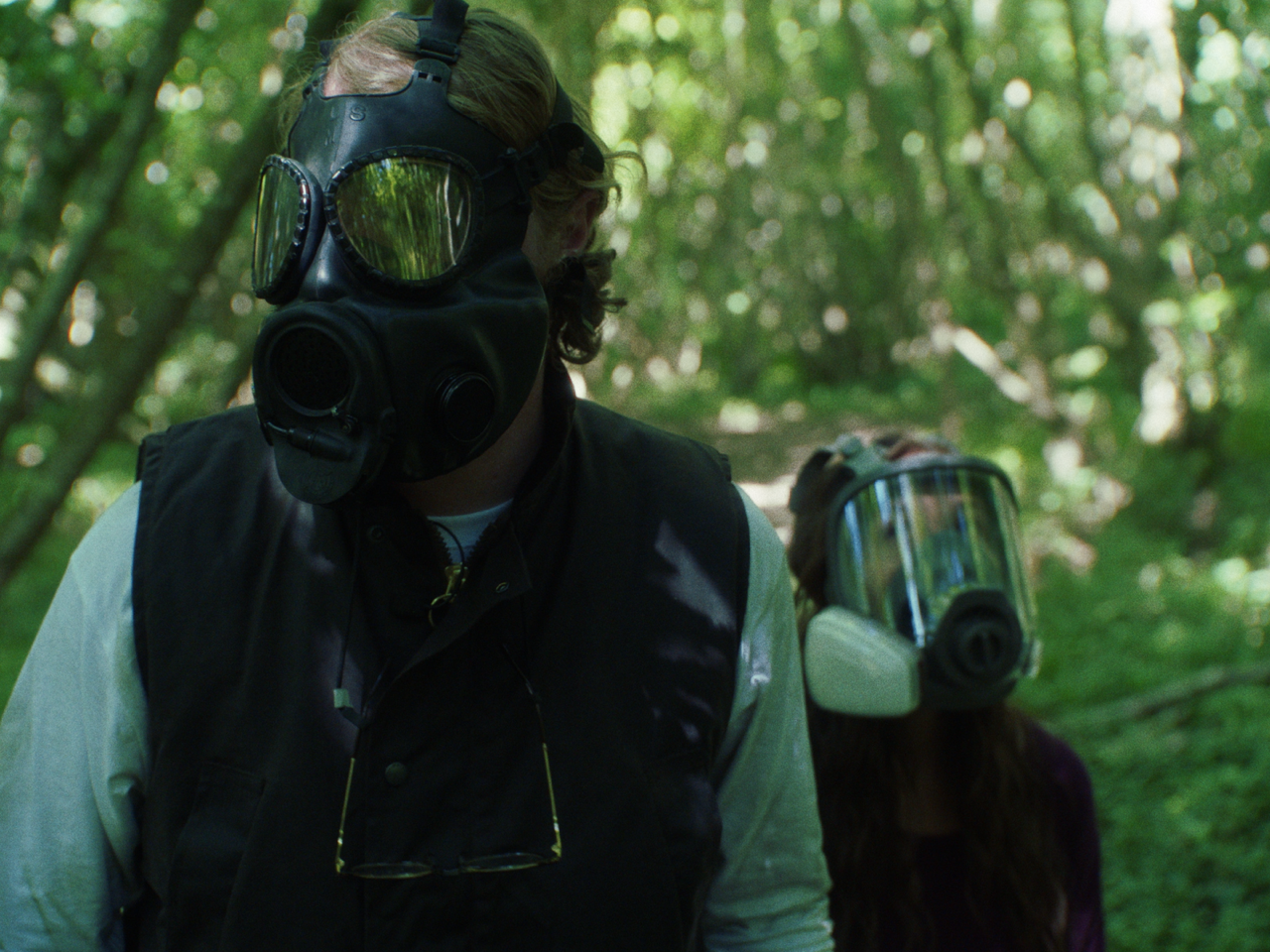
The pair's cinematic influences offer further insight into the film's distinctive voice. Woloson cited filmmakers such as Stanley Kubrick, Christopher Nolan, Steven Spielberg, Martin Scorsese, and Quentin Tarantino as major inspirations throughout his development as a filmmaker. However, when discussing Littermates specifically, both directors repeatedly returned to the influence of Yorgos Lanthimos. Woloson praised Lanthimos's ability to blend absurd humor with unsettling circumstances, creating stories that are simultaneously funny, uncomfortable, and deeply human. As cinematographer, he also pointed to films such as Knives Out and Saltburn as visual touchstones, drawing inspiration from their framing, color palettes, and careful attention to composition.
For Tinkham, Lanthimos's Dogtooth proved especially influential. He described it as an eye-opening experience that demonstrated how filmmakers could completely disregard conventional storytelling rules and still produce something compelling. That sense of creative freedom can be felt throughout Littermates. The film is comfortable placing moments of genuine tension directly beside comedic absurdity, often encouraging audiences to laugh and squirm simultaneously. Tinkham also pointed to influences ranging from 10 Cloverfield Lane to the deadpan humor of Napoleon Dynamite, whose offbeat sensibilities he jokingly admitted are simply "in my DNA."
Of course, none of those influences would have mattered without the collaborative relationship that sits at the center of the production. Speaking with the pair, it quickly became clear that Littermates was born from a genuinely shared creative partnership. Tinkham described spending months wrestling with the screenplay and searching for the key idea that would unlock the project. Throughout that process, Woloson served as both sounding board and collaborator, helping shape the material as it evolved. Whenever uncertainty crept in, Tinkham would bring new ideas to Woloson, looking for reassurance that they were still on the right track.
Their collaboration ultimately extended far beyond writing and directing. Woloson explained that the two were involved in virtually every aspect of production, from creative decisions to logistical problem-solving. Because they were working so closely together throughout the process, responsibilities often overlapped rather than remaining rigidly divided. One moment they might be discussing story structure, and the next they might be figuring out production schedules or purchasing props. The constant collaboration fostered a creative shorthand that allowed the project to maintain a unified vision despite its ambitious tonal balancing act. Tinkham summed up the experience with a laugh, comparing the process of making a film to "raising a child."
That passion for collaboration shines through in the final film. Littermates is the work of filmmakers who are confident enough to embrace uncertainty and trust enough in their audience to leave room for interpretation. It is funny, strange, thought-provoking, and emotionally resonant, often all at once. The film doesn't offer simple answers, but that's precisely what makes it so compelling.
After spending time with Scott Tinkham and Michael Woloson, it became clear that Littermates is a reflection of the creative philosophy they share. Rather than following formulas or chasing expectations, they allowed the project to grow organically into its own unique creation. The result is one of the most distinctive films to emerge from this year's Fantastic Fest lineup and a strong showcase for two filmmakers whose careers are undoubtedly worth following. Just as importantly, they were a pleasure to talk with, making for one of the most enjoyable conversations I've had with directors at the festival.
Jessie Hobson