
There are certain actors who elevate every project they touch, and Jason Isaacs has long been one of them. While many audiences know him from the Harry Potter franchise or more recently The White Lotus, his latest role in The Salt Path may be one of the most affecting performances of his career. Based on the memoir by Raynor Winn, the film follows Raynor and her husband Moth after they lose their home and face a devastating medical diagnosis, setting out on a 630-mile journey along England's South West Coast Path.
When I spoke with Isaacs recently, it was immediately clear how deeply connected he had become to both the film and the real people behind it. He was also exactly as warm and engaging as fans might hope. At one point, before dropping an emphatic f-bomb while describing the physical demands of filming, he politely stopped to ask if he could swear first. It was a small moment, but one that perfectly captured the mixture of thoughtfulness, humor, and candor that makes him such a compelling interview subject.
For Isaacs, understanding Moth began with meeting the real-life couple whose story inspired the film. Recalling that experience, he explained that he and co-star Gillian Anderson spent time with Raynor and Moth before filming and were immediately struck by the bond they shared. Watching them together, he said they were "more in love than anyone I've ever seen," describing them as being connected in every imaginable way. That enduring relationship became the foundation of his performance, helping him understand not only Moth's struggles but also the profound love that sustains him through unimaginable hardship.

That connection proved essential because The Salt Path is, at its heart, a two-person story. Anderson and Isaacs carry nearly every scene together, often communicating more through silence than dialogue. Isaacs admitted that aspect of the role was initially daunting. Moth, he noted, is naturally a talkative person, someone who typically puts others at ease. Yet the version of Moth audiences meet in the film is living through a uniquely dark chapter, grappling with feelings of failure after losing his home and facing a life-altering neurological condition. To portray that internal struggle, Isaacs had to rely less on words and more on presence, trusting that if he genuinely felt the character's pain, the audience would feel it too. As he put it, "the camera can tell when you're lying," so his job was simply to live truthfully in those moments.
The physical demands of the production were equally significant. Because the film was shot out of sequence, Isaacs carefully tracked where Moth was at every stage of his illness, monitoring what movements were possible and how the condition affected his body from scene to scene. Yet it was the actual terrain that left the greatest impression. Looking up at some of the steep locations they needed to climb, Isaacs recalled thinking there was "no way" anyone could make it up those hills, only to learn that the real Moth had done exactly that while battling the disease. After speaking with him directly, Isaacs found there was little room for complaint.
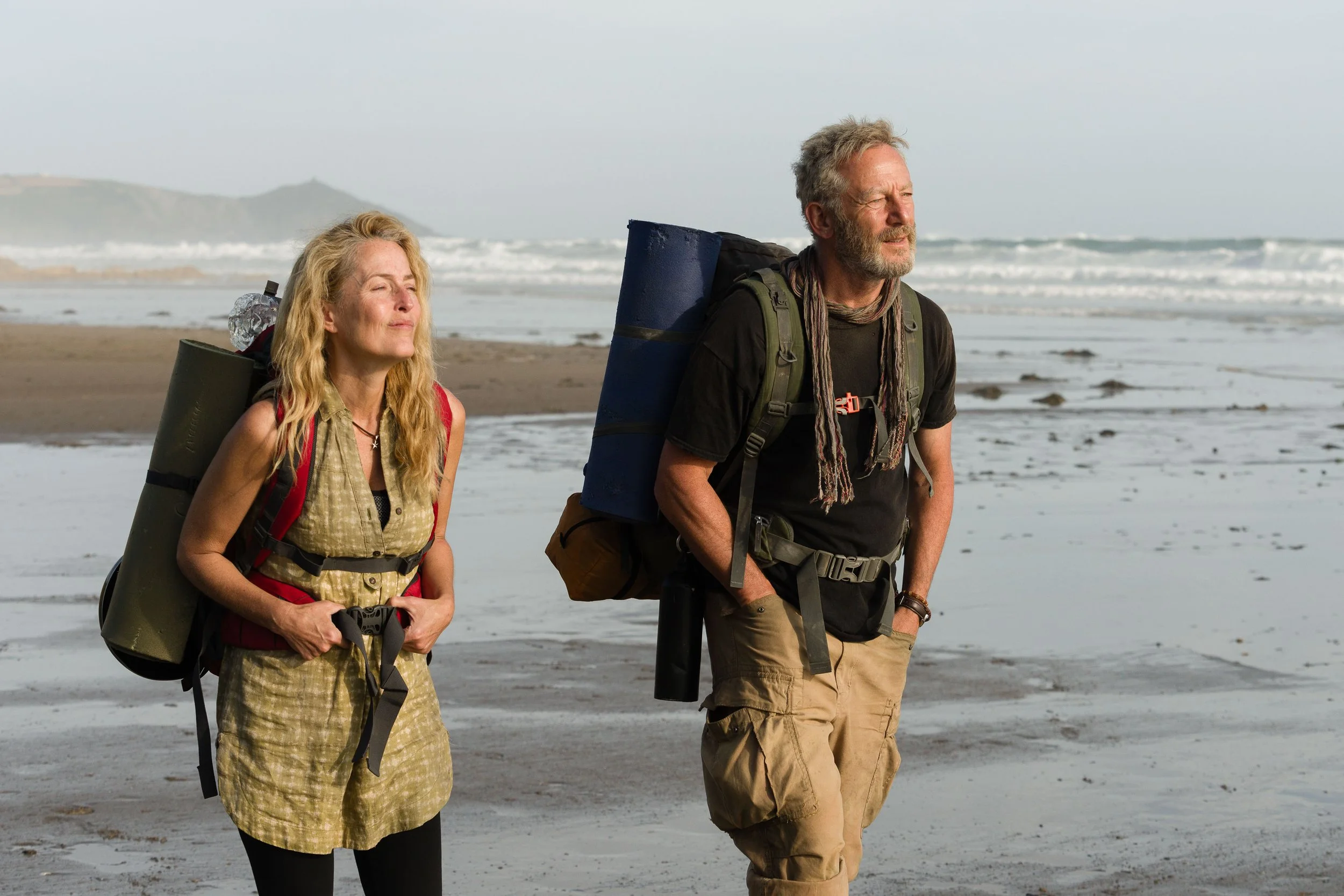
That realization became one of the lasting lessons he took from the film. He told me that portraying Moth reminded him that people are capable of far more than they often believe. Faced with difficult climbs, long shooting days, and physically exhausting conditions, he discovered reserves of strength he did not know he had. More importantly, he found himself reflecting on the film's deeper message. While Raynor and Moth lose nearly everything society tells us matters, they never lose their love for each other. As Isaacs observed, we are not ultimately defined by our possessions, careers, or achievements. Instead, "who loves me and who I can love is the measure of me."
That theme of resilience extends beyond the couple's relationship and into the landscape itself. Audiences will undoubtedly be captivated by the breathtaking cinematography, but Isaacs was quick to point out that the real star isn't the scenery; it's nature. Throughout filming, he became increasingly aware of how the natural world shaped every aspect of Raynor and Moth's journey. The coast could be welcoming one day and brutally unforgiving the next, with fierce winds, relentless rain, and challenging terrain testing their endurance. At the same time, nature provided shelter, sustenance, and a renewed sense of purpose. As Isaacs described it, nature can be "an incredible, wonderful welcoming host or a very cruel antagonist," requiring people to learn how to move in harmony with it rather than fight against it.
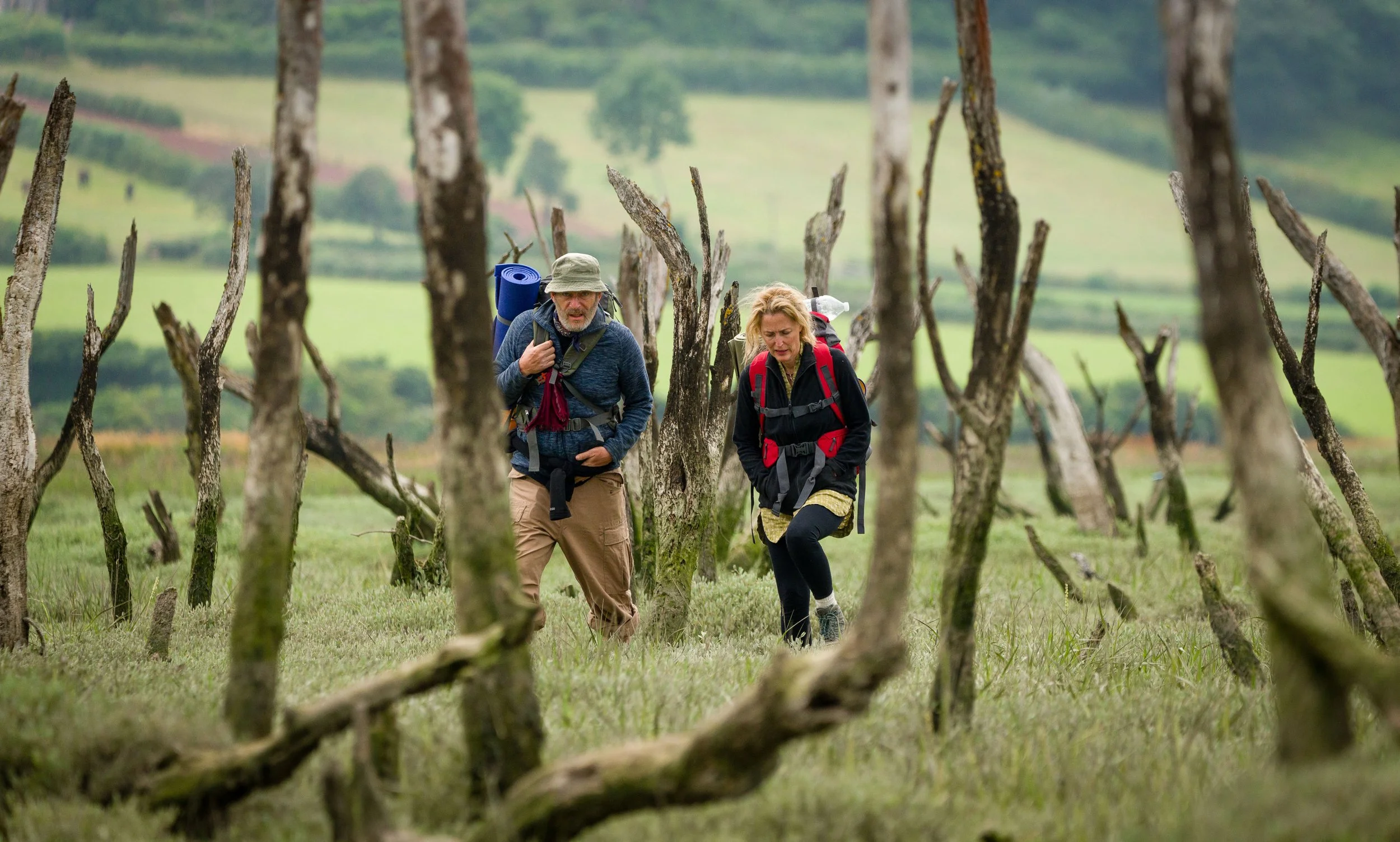
What makes Isaacs' performance so remarkable is that he never allows Moth to become defined by his illness or circumstances. Even amid loss, the character retains a generosity of spirit that continually shines through. Isaacs doesn't view Moth as relentlessly optimistic so much as selflessly compassionate, someone who wants to lift up the people around him despite his own suffering. That quality comes through in every frame and gives The Salt Path much of its emotional power.
For an actor whose filmography already includes countless memorable roles, The Salt Path stands as another reminder of why Isaacs remains one of the industry's most reliable performers. Whether he's playing a feared villain, a conflicted father, or, in this case, an ordinary man facing extraordinary circumstances, he consistently finds the humanity at the center of the character. In The Salt Path, that humanity becomes the film's greatest strength, and Isaacs ensures audiences feel every step of the journey.
Jessie Hobson