There are interviews you look forward to, and then there are interviews that feel surreal. Sitting down with Spider One and Krsy Fox to discuss Big Baby was firmly in the latter category for me.
Long before Spider One was building horror films through OneFox Productions, he was fronting Powerman 5000. As a kid, I saved up allowance money to buy that debut CD and wore it out. Years later, finding myself talking with him about filmmaking, horror fandom, and the creative journey that led to Big Baby felt like one of those full-circle moments that remind you why covering genre entertainment is so rewarding.
Thankfully, both Spider and Krsy turned out to be every bit as passionate and engaging as their work suggests. What stood out most during our conversation wasn't just their enthusiasm for Big Baby, but their genuine love of horror itself. These are people who clearly live and breathe the genre, and that passion is woven into every frame of the film.
For those unfamiliar, Big Baby began life as a small movie-within-a-movie joke featured in Spider One's 2022 anthology film Allegoria. It might have stayed that way if fans hadn't spoken up.
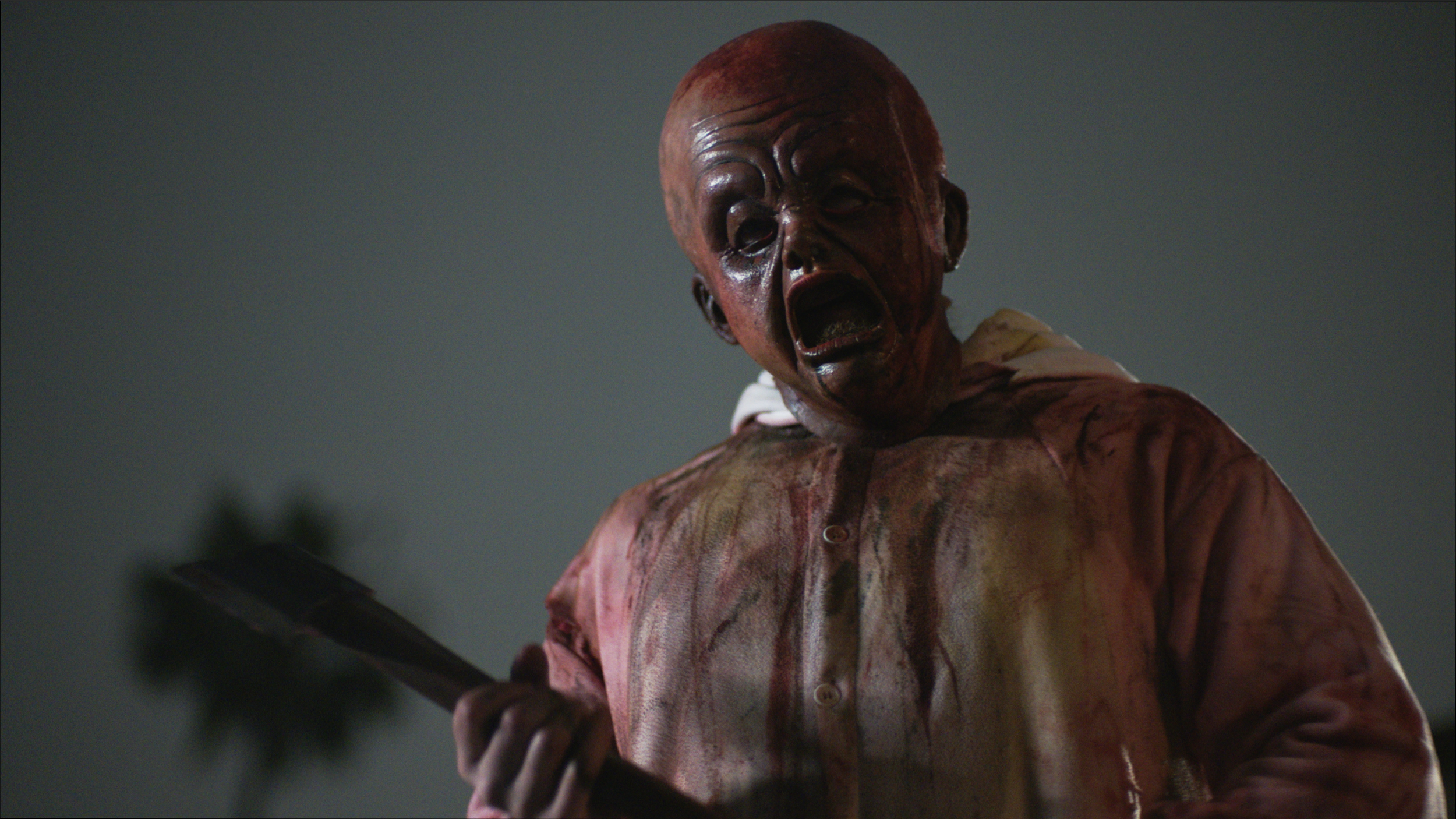
Spider admitted that audience reaction played a major role in transforming the concept into a feature film. While discussing the origins of the project, he explained that it was actually the online response to Allegoria that convinced him there was something bigger worth exploring. People kept asking when they were getting a Big Baby movie, and eventually those comments pushed him to "figure out a cool unique way" to turn the character into a real film.
Krsy wasn't surprised by that reaction at all. Looking back, she recalled how audiences at festival screenings gravitated toward that sequence almost immediately. What began as a deliberately ridiculous moment shot with their son holding a light and Fox wielding a Super Soaker full of fake blood ended up resonating with viewers in a way neither expected. For her, that organic, homemade spirit remains part of Big Baby's DNA, giving the finished feature the feeling of friends getting together to make something fun while still delivering an ambitious horror story.
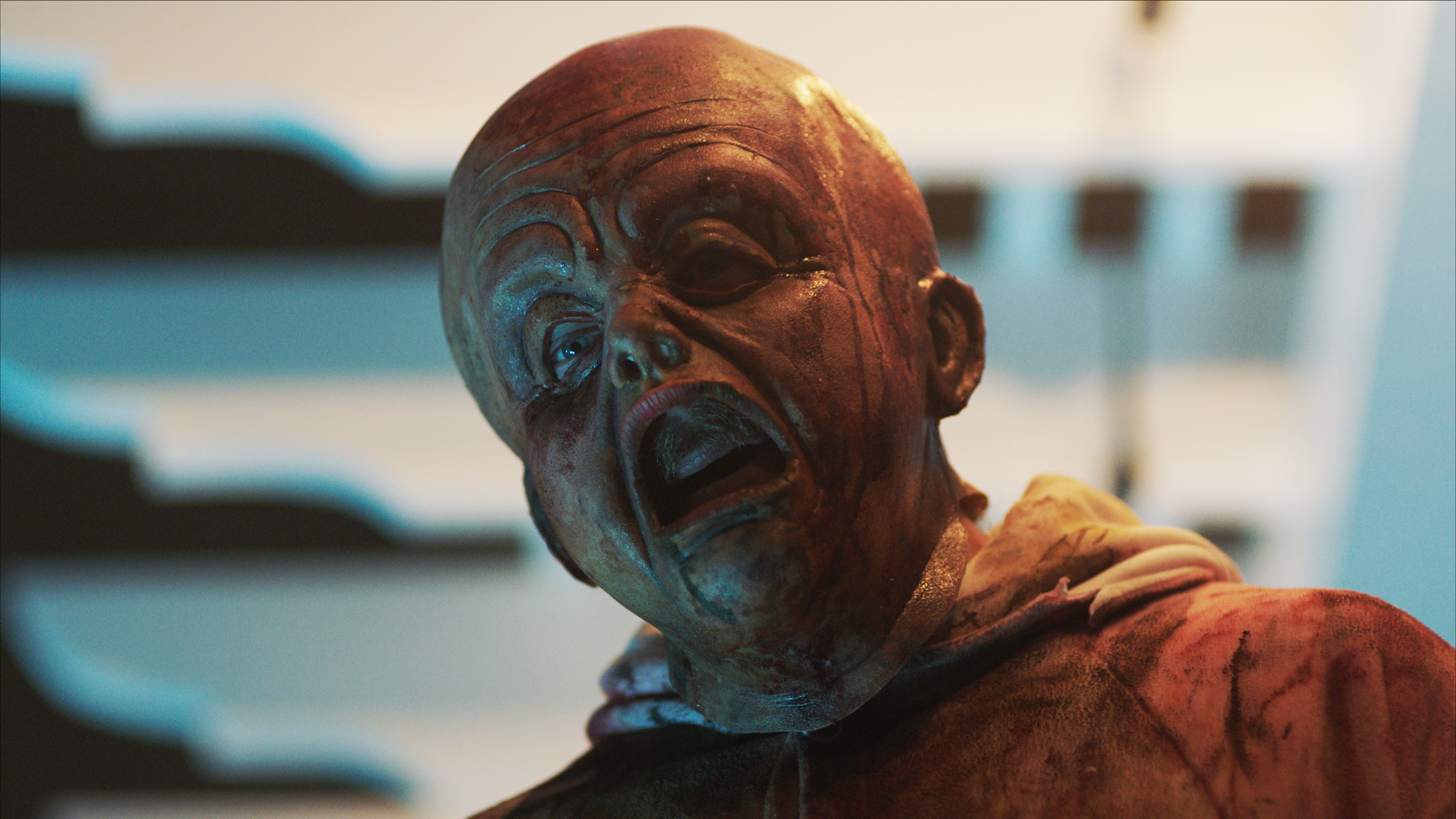
What makes Big Baby particularly compelling is how much more it is than a traditional slasher. Spider described his desire to take the familiar framework of classic slashers and inject it with stronger character work and emotional stakes. While many beloved slashers of the 1980s centered on archetypal victims being eliminated one by one, he wanted to create something more grounded, focusing on relationships, dialogue, and genuine emotional investment alongside the bloodshed. He laughed when recalling filmmaker Joe Lynch describing the movie as "if Richard Linklater wrote Friday the 13th," a comparison Spider appreciated because it captured exactly the balance he was aiming for.
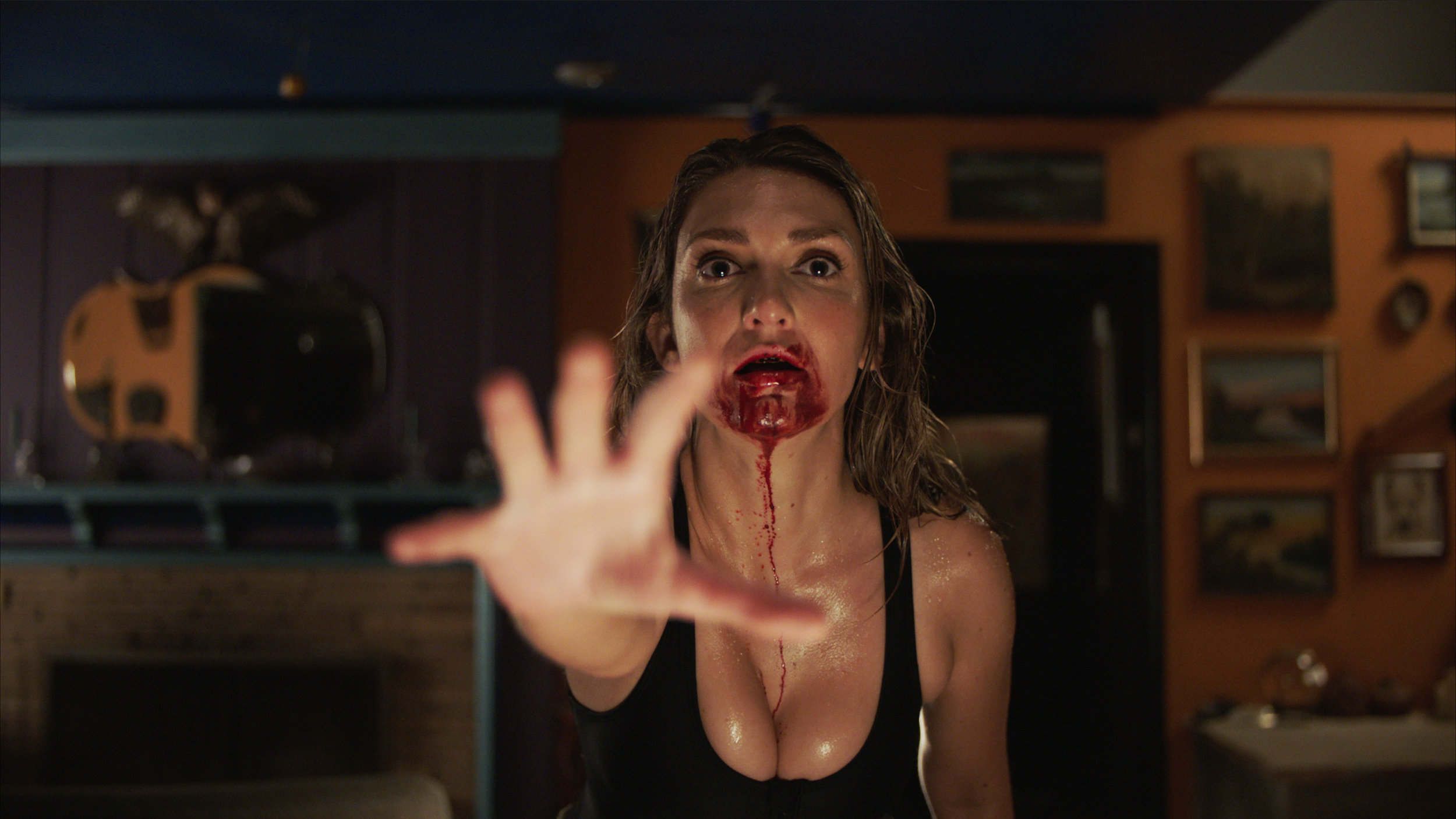
That balance is most evident through Kate, played by Fox. As Adam, portrayed by Brandon Scott, spirals deeper into obsession and loses control of both his creation and his own reality, Kate becomes the film's emotional anchor.
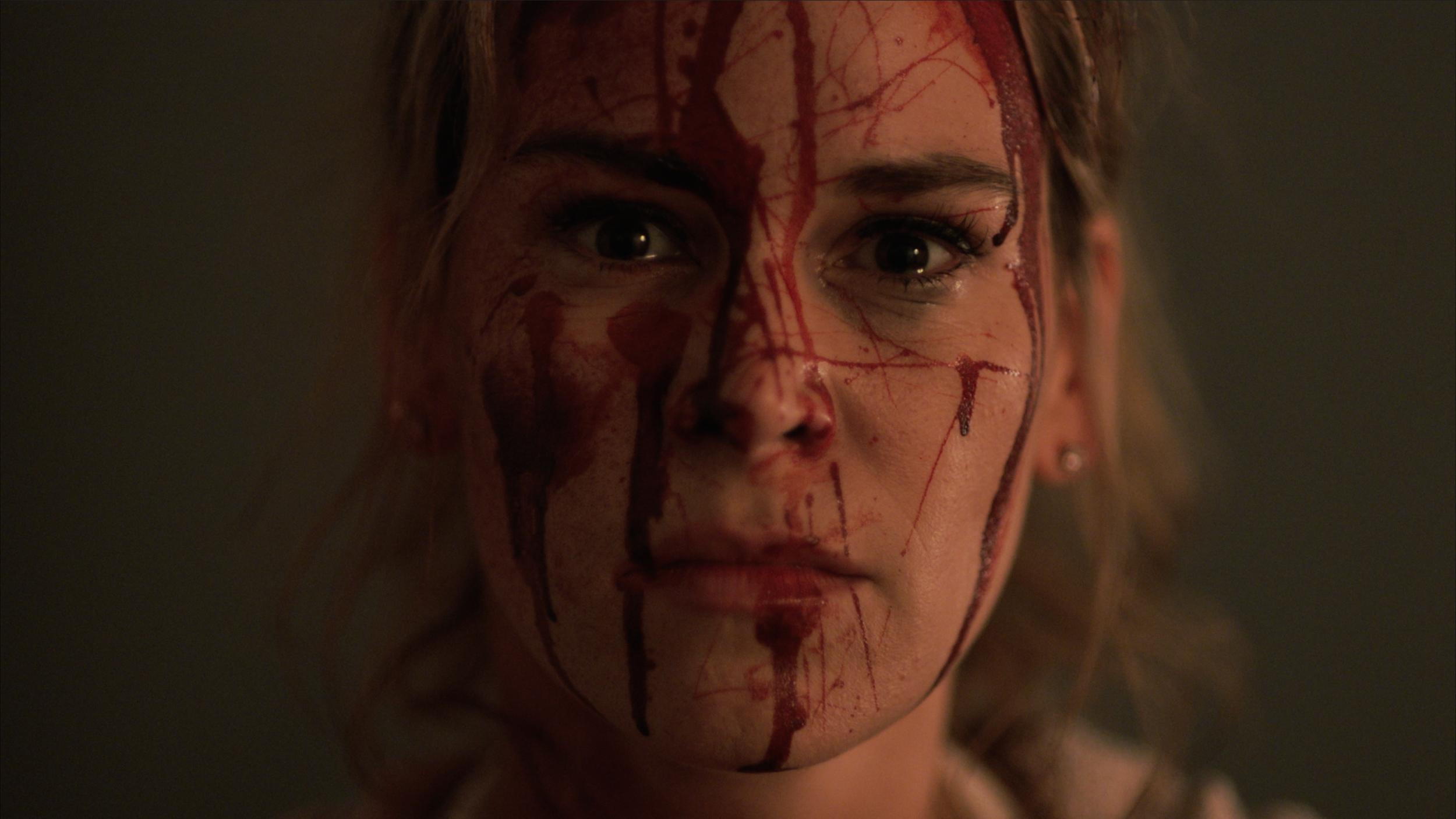
Fox told me she was excited by the opportunity to portray a character with genuine depth and complexity. Rather than existing solely as a supporting figure, Kate serves as the heart of the story. She grounds the narrative while still being flawed and human, allowing Fox to explore a wide range of emotions throughout the film. For an actress who loves horror, the role represented everything she enjoys about the genre: drama, comedy, action, fear, and emotional vulnerability all wrapped into one character arc.
The film's central theme of control also emerged as one of the most fascinating aspects of our conversation. Spider explained that while Big Baby certainly contains plenty of slasher elements, the real story is about a creator desperately trying to control every aspect of his world. Adam wants to control his work, how people perceive that work, and even how the people closest to him respond to it. According to Spider, the more Adam tries to maintain that control, the more it slips through his fingers. Ultimately, that obsession fuels the entire nightmare scenario at the center of the film. The lesson, he suggested, is surprisingly simple: sometimes the healthiest thing a creator can do is stop trying to control everything and simply focus on being happy.
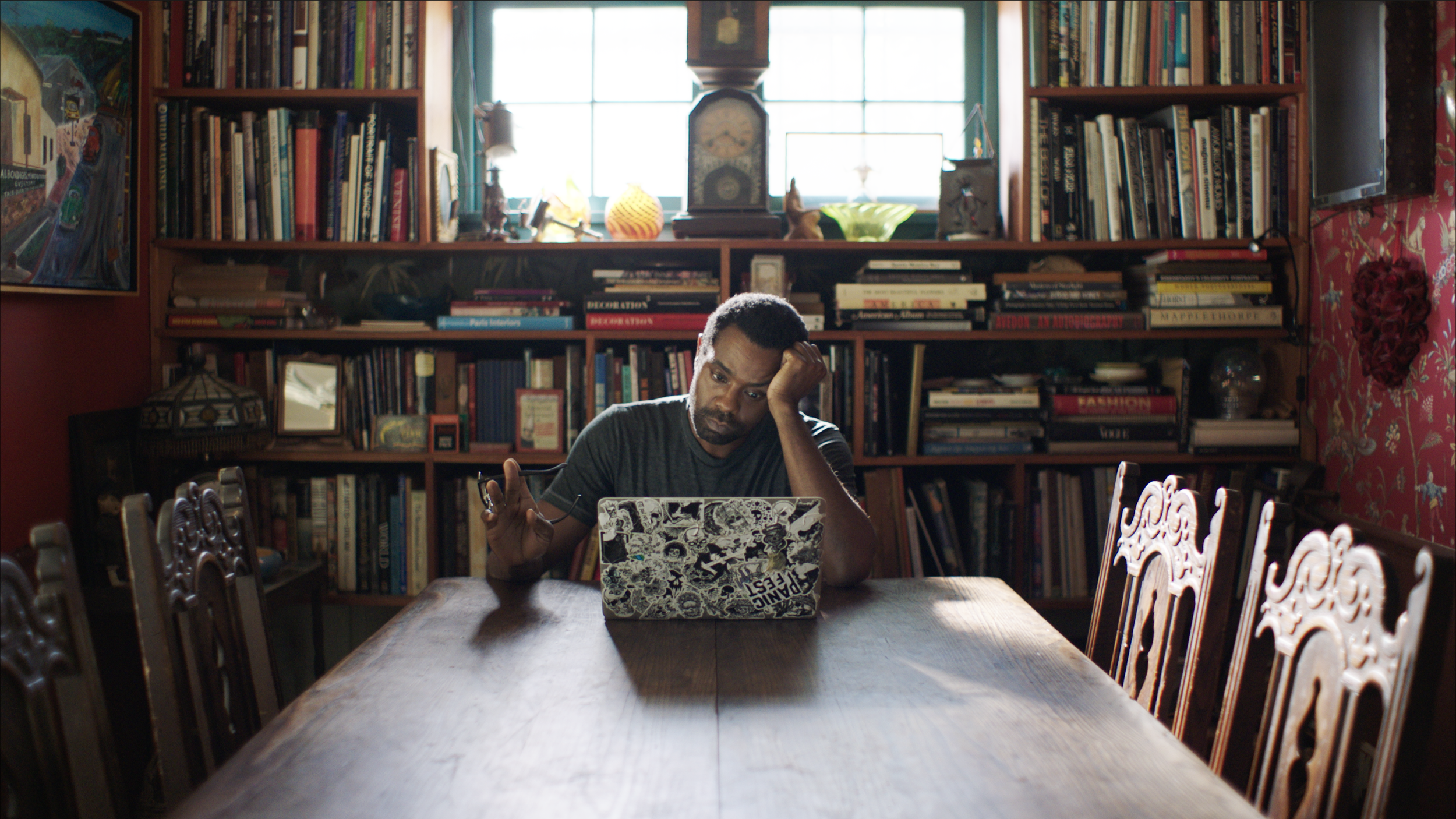
Fox's contributions behind the camera proved just as important as those in front of it. In addition to starring in the film, she also edited Big Baby, shaping many of the movie's reality-bending sequences and visual flourishes. She described approaching the edit largely through instinct and emotion, trusting what felt right rather than obsessing over technical perfection. As an actor herself, performance always came first. If a take captured the strongest emotional moment, that would ultimately outweigh minor technical imperfections. That philosophy helps give Big Baby its unique rhythm as Adam's world becomes increasingly fractured and unstable.
Perhaps the most interesting discussion revolved around the film's commentary on horror fandom, criticism, and internet culture. Spider acknowledged that modern filmmakers face an entirely different landscape than previous generations. Where artists once contended with a handful of influential critics, today's creators encounter thousands of voices every time a project is released. Most of those voices, he noted, are thoughtful and constructive, but the small percentage that exist primarily to spread negativity fascinated him enough to become part of the film's fabric.
Despite that commentary, neither Spider nor Krsy came across as cynical. Quite the opposite. Fox passionately emphasized that art is subjective and that horror's greatest strength lies in its diversity. Not every horror movie is made for every viewer, but every film represents creators putting themselves out into the world and taking enormous personal and professional risks. She spoke with genuine gratitude for the people who continue making movies, even when they don't always connect with every audience member. Her hope, both onscreen and off, is simply that people approach art thoughtfully and remember the humanity behind it.
That passion was the biggest takeaway from our conversation. Whether discussing practical effects, storytelling, fandom, or filmmaking itself, Spider One and Krsy Fox never sounded like people chasing trends. They sounded like horror fans who somehow found a way to turn their love of the genre into a career. And honestly, that's what makes Big Baby work.
Beneath the gore, the meta commentary, and the slasher insanity is a film made by people who genuinely love horror and understand the community surrounding it. After speaking with them, it's impossible not to feel that enthusiasm.
As a lifelong fan who once saved allowance money to buy a Powerman 5000 CD, getting the opportunity to have this conversation was a genuine thrill. As a horror fan, seeing that same creative energy now channeled into films like Big Baby is even better.
Big Baby will have its UK premiere at Tubi FrightFest London on 27th August. The film will be available on DVD, Blu-ray and Digital from 7th September.
Jessie Hobson