
Final Diagnosis wastes no time establishing its rules, and more importantly, its tone. A groggy wake-up, a locked environment, strangers with specialized skills, and a single unifying directive: solve the case or die trying. The trailer boils it down to its most chilling essence. If the patient dies, they die too.
That premise alone signals familiar territory, but the film quickly pivots away from expectations. Final Diagnosis is not interested in lingering on brutality or shock. Instead, it weaponizes intellect. This is a thriller built on decisions, not dismemberment, and that distinction carries the film further than you might initially expect.
From a visual standpoint, the first thing that stands out is how aggressively controlled everything feels. The film leans into a sterile aesthetic, but not in a comforting way. It is not clean in the traditional sense; it is rigid, almost stone-like. Surfaces are polished, environments are pristine, yet there is something artificial about it all, as if the cleanliness itself is part of the illusion. The spaces feel constructed rather than lived in, which makes them even more unsettling. There is nowhere to hide here. Every mistake, every hesitation, every crack in confidence is fully visible. That sense of exposure amplifies the tension in a way dimly lit horror never could.
The comparison to Saw is inevitable, but it only gets you halfway there. Final Diagnosis shares the idea of forced participation and high-stakes gamesmanship, but it trades physical traps for intellectual ones. The “would you survive?” question becomes “would you know what to do?” It is closer to a pressure cooker medical drama wrapped in a psychological experiment than a straight horror film. There are also shades of Would You Rather in the way moral choices creep into the problem-solving, forcing characters to weigh outcomes that never feel clean.
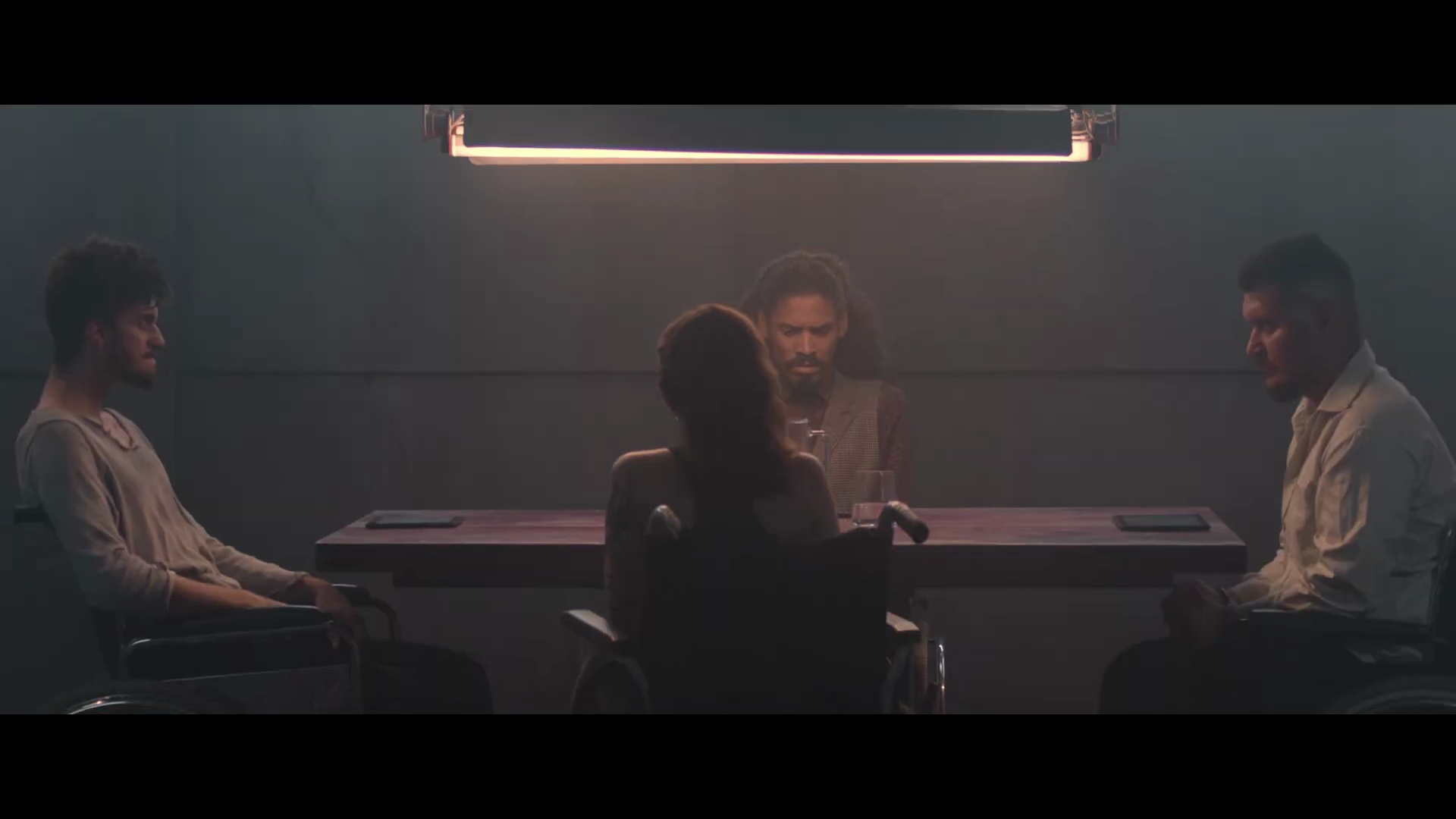
At the center of it all is Dr. Tseng, played by Daniel Mavrov, who gives the film its unstable foundation. Tseng is not a hero in the traditional sense. He is brilliant, yes, but also abrasive, damaged, and self-destructive. His reliance on substances and his instinct to push people away create immediate friction within the group. That tension becomes one of the film’s driving forces. You are not just watching people try to survive external threats; you are watching them struggle to function as a team.
The ensemble around him is equally important. Dr. Liz begins as confident and manipulative, someone fully aware of how to control a room, but gradually reveals a deeper emotional core tied to why she became a doctor in the first place. Her dynamic with Tseng brings both friction and unexpected softness, giving the film brief moments to breathe amid the chaos. Dr. Greg adds a quieter energy, someone who seems fragile but is clearly holding something back, while Dr. Chris injects volatility and ego, clashing with Tseng almost immediately. Jeff acts as the stabilizing force, trying to keep the group intact while understanding better than anyone that Tseng’s past could be their biggest obstacle.
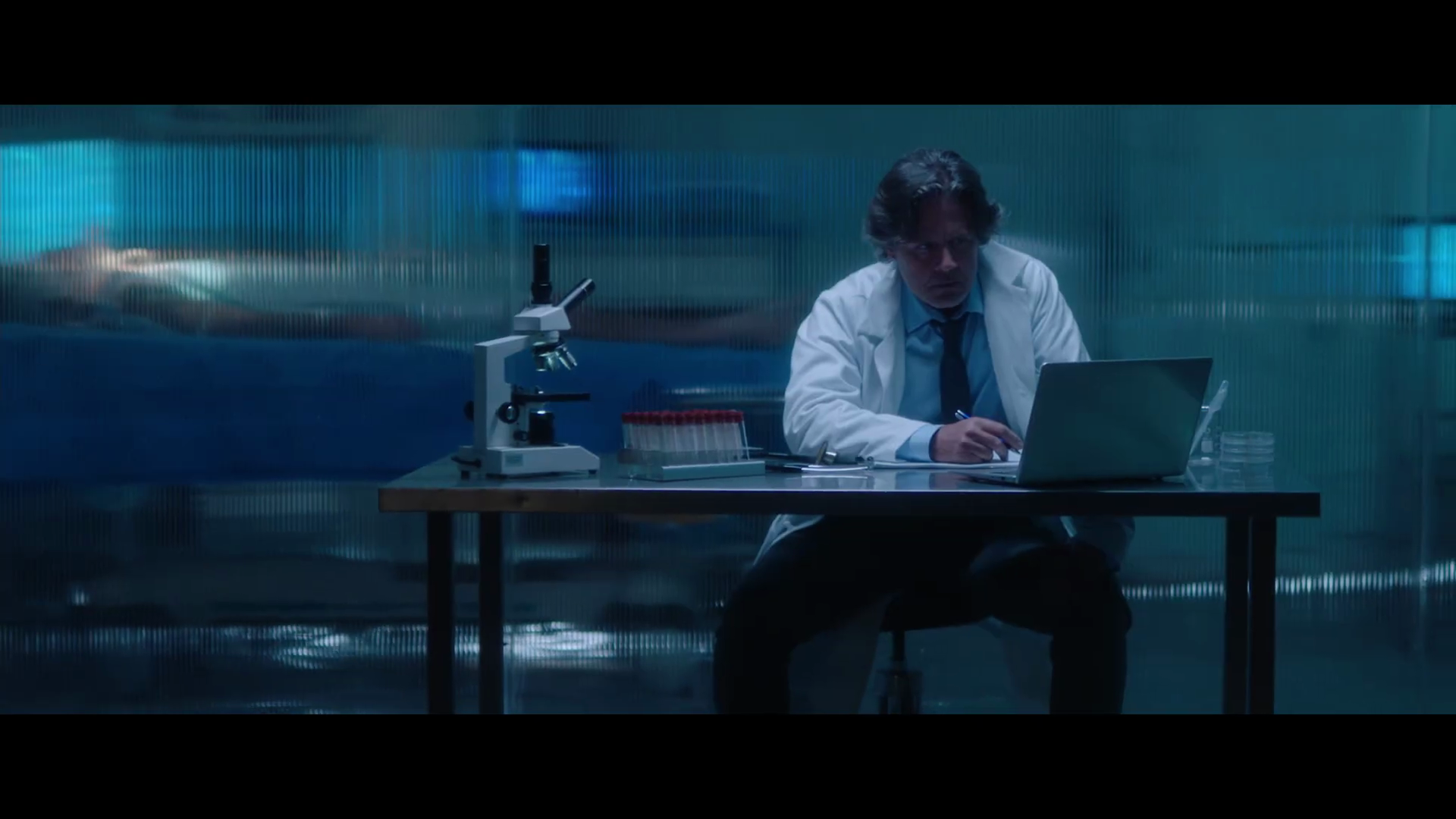
This emphasis on character interplay helps ground the film’s larger ambitions. Because Final Diagnosis is not just content with being a contained thriller. It keeps hinting at something bigger beyond the immediate scenario. There are threads involving biological threats, secret organizations, and a wider conspiracy that stretches beyond the walls trapping these characters..That added scale gives the story weight, even if it occasionally feels like it is setting up future installments more than resolving things in the moment.
The medical element is where the film really earns its identity. The diagnoses are not just plot devices; they are the narrative engine. Each scenario forces the characters to rely on their expertise under impossible conditions, blending technical knowledge with instinct and ethics. That creates a different kind of suspense. Instead of waiting for something to jump out, you are waiting for someone to make the right call. Or the wrong one.

At times, the film’s ambition slightly outpaces its execution. There are a lot of moving parts, layered backstories, evolving relationships, and a mystery surrounding Tseng that never fully settles. Some threads feel underdeveloped, while others hint at a much larger narrative that is only just beginning. It can make the experience feel uneven, especially for viewers looking for a more self-contained story.
But there is also a certain appeal in that approach. Final Diagnosis clearly sees itself as the start of something bigger. By the end, there is less of a clean resolution and more of an opening. The story feels like it is expanding rather than closing, which will either frustrate or intrigue depending on what you want from it.
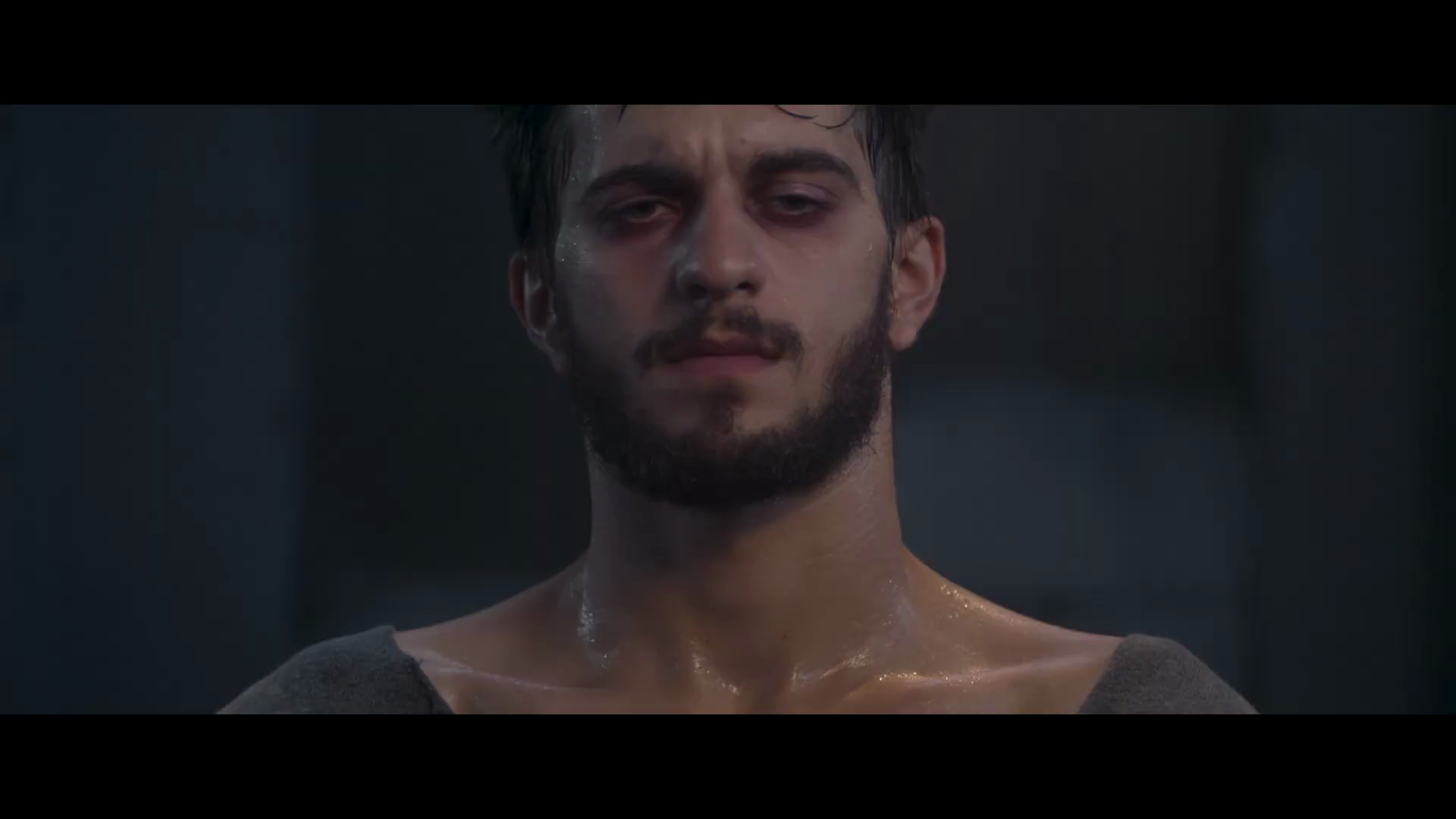
The international cast adds to that sense of scope. There is a mix of performances and backgrounds that help the film feel less confined, even when the setting is limited. It reinforces the idea that the stakes extend beyond a single location or event, tying into the broader themes of global threat and interconnected consequences.
What ultimately makes Final Diagnosis worth watching is its commitment to doing something slightly different. It trusts its audience to engage with its ideas, to follow its medical logic, and to sit with its moral gray areas. It is not always perfectly balanced, but it is rarely boring.
In a genre that often leans on excess, Final Diagnosis finds tension in restraint. In clean rooms, in ticking clocks, and in the terrifying possibility that even the smartest person in the room might not have the right answer in time.
Jessie Hobson